
A Small Fraction of Wild Boar Showed Disproportionately High Movement and Contact Across Europe
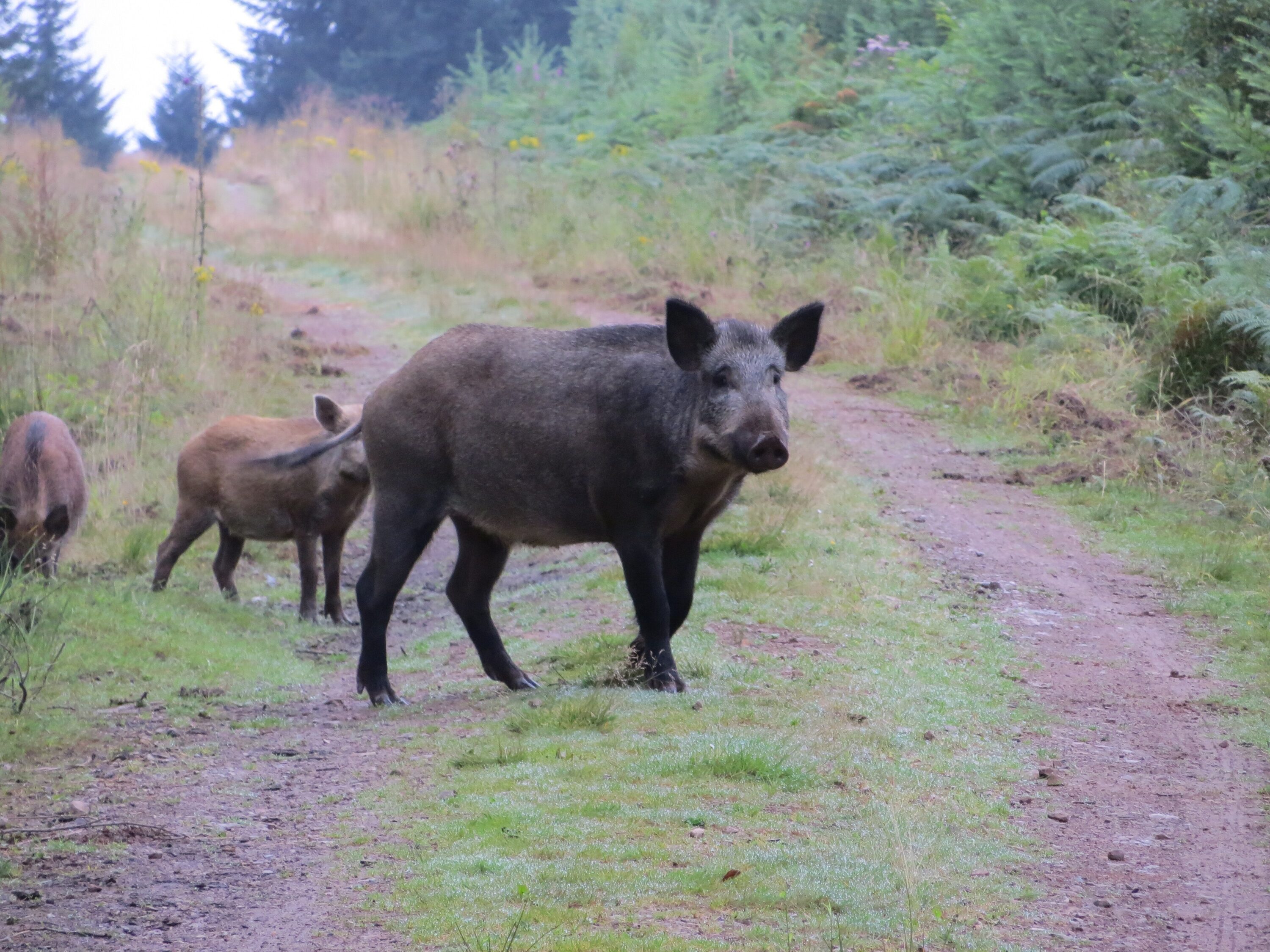
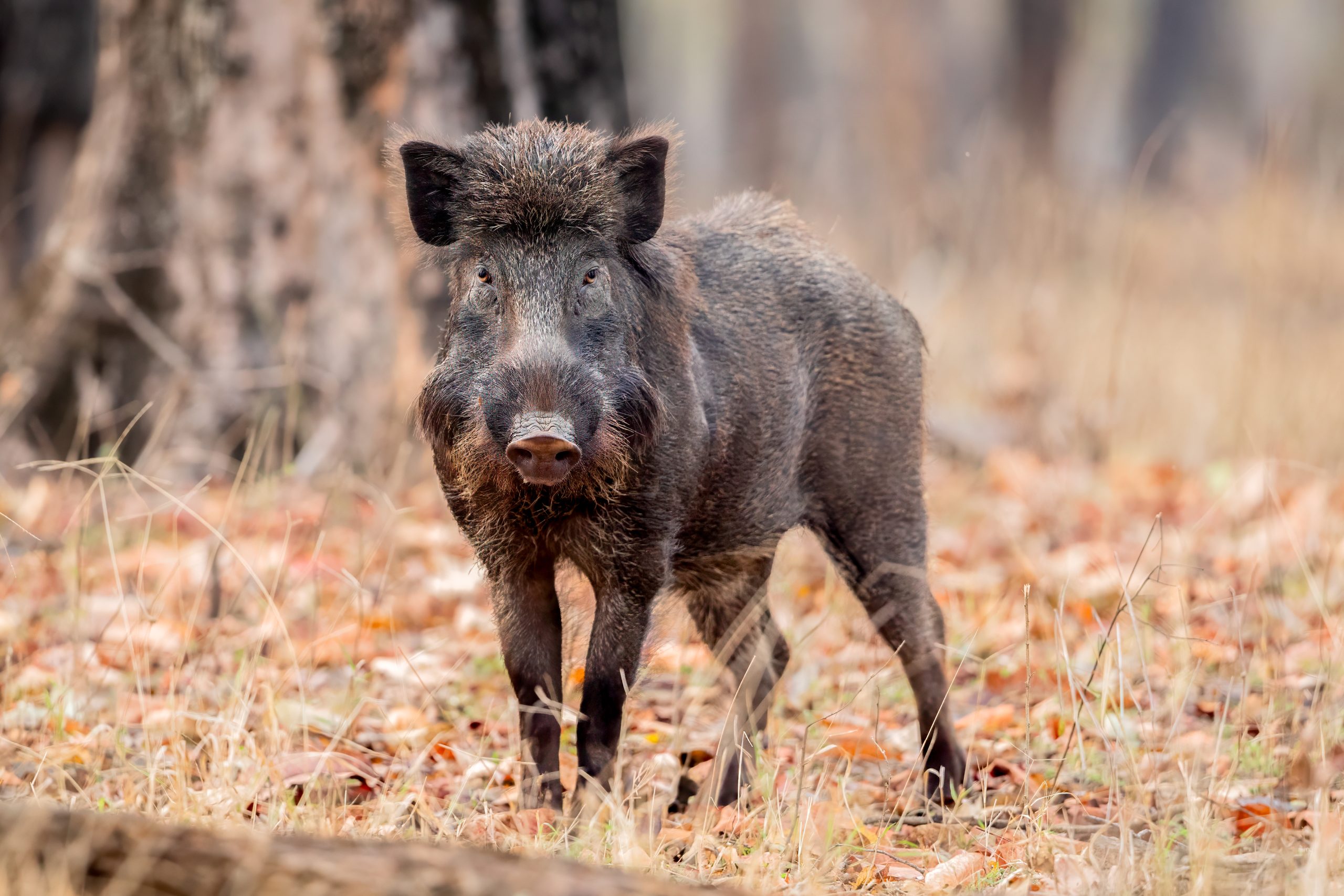
A Europe-wide synthesis of GPS data from wild boar (Sus scrofa) found that most animals were relatively sedentary over short time windows, while a small fraction showed much higher movement and contact intensity. The report, published on 13 March 2026, combined telemetry from 743 wild boar monitored across 54 study areas in 13 European countries. Movement and contact measures were summarised in 14-day windows, a timescale chosen because it is relevant to African swine fever epidemiology.
The dataset contained nearly 3.9 million GPS locations collected between 2003 and 2024. Across the study, the median maximum displacement was about 1 km within a 14-day period, although cumulative travel distance was around 50 km over the same interval. This contrast showed that limited net displacement did not necessarily mean little movement within an animal’s range. Over two-month analyses, most animals still showed strong site fidelity, but a small subset made movements longer than 10 km; the maximum recorded displacement was about 66 km.
Seasonal peaks differed among behaviours
The seasonal peaks differed among behaviours. Movement rates, home-range size and nocturnality were highest in autumn and winter, between-group contacts peaked in winter and spring, and contacts with pig farms peaked in spring and late summer. Males used larger areas and connected social groups more than females. Variation in movement and between-group contact was greatest among subadult males, while adult males had the most frequent contacts with pig farms.
Landscape structure also shaped movement and contacts
Landscape structure also mattered. Intermediate forest cover and forest–agricultural mosaics were associated with higher movement rates, wider ranging and more between-group and farm contacts. Higher wild-boar density was linked to smaller home ranges and shorter displacement but more contacts with pig farms; between-group contacts instead peaked at intermediate densities rather than increasing steadily with density. Drive hunting was associated with greater movement, range expansion and nocturnality, but did not consistently increase long-term net displacement or direct contact rates.
The authors identify this unevenness among individuals, seasons and landscapes as an important feature for African swine fever modelling and control. Rather than assuming that all wild boar contribute equally to potential spread, the report highlights highly mobile animals and periods of increased movement and contact as especially relevant to surveillance and biosecurity planning.
Ecology
Related news
Maps Show Where Wild Boar Could Thrive and Spread on Jeju Island
Researchers mapped potentially suitable wild-boar habitat across roughly 36% of Jeju Island and identified eight possible corridors linking…
Read story →
Roe Deer and Wild Boar Remained Key Wolf Prey as Diet Shifted Across North-western Italy
From 2021 to 2025, wolves in north-western Italy continued to feed mainly on wild prey. In the Po…
Read story →
Copper levels in wild boar differed across Slovak districts
An analysis of kidney, liver and muscle from 147 wild boar in four districts found that iron and…
Read story →SPECIES IN THIS STORY
Species in this story
Independent research and conservation news archive
Did you find this information useful?
Wildlife Vagabond is independently built and maintained. Voluntary support helps cover source verification, hosting and continued work on research and conservation news.
Support Wildlife VagabondThe news archive will remain freely available.