
Helminths Were Found in 70.6% of 109 European Hares Examined in Türkiye
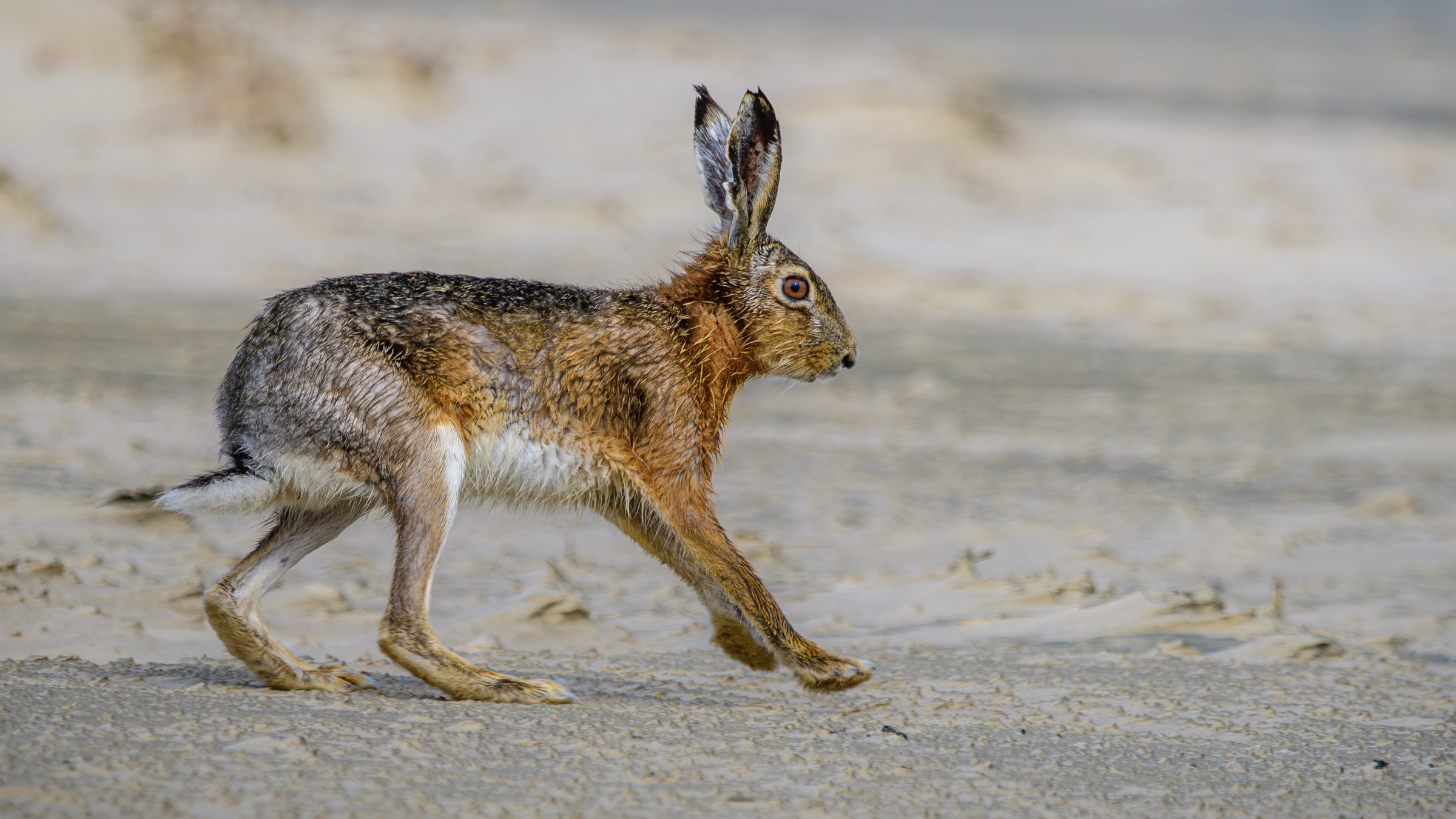
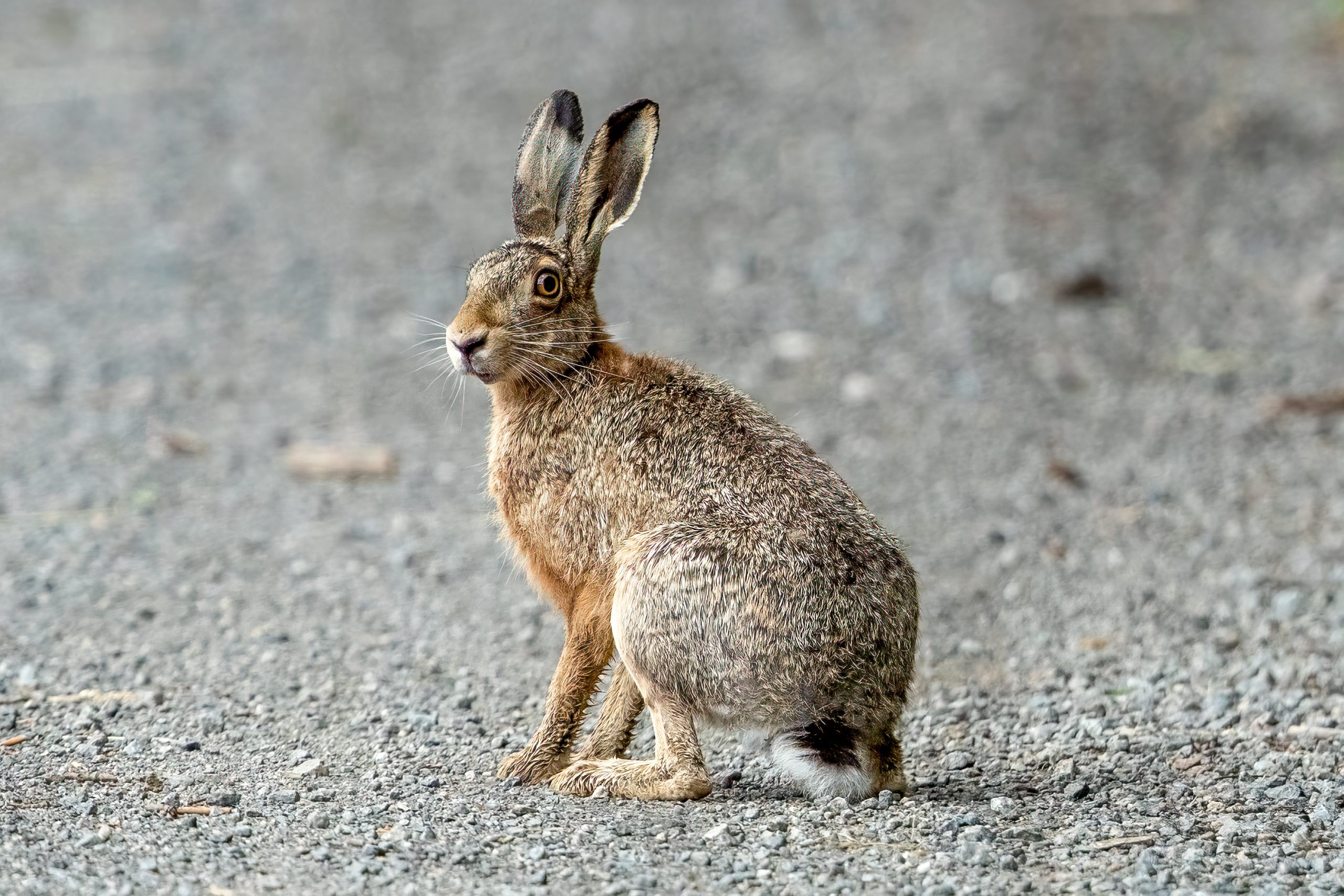
A 2026 study examined internal organs from 109 European hares (Lepus europaeus) from Sivas Province in Türkiye for parasitic worms, known as helminths. The hares had been taken by licensed hunters between November 2024 and January 2025. Helminths include several major groups of parasitic worms; in this study five species were found in the intestines and one in the liver.
At least one helminth species was found in 77 of the 109 hares, or 70.6%. This percentage describes how many animals carried at least one of the detected worm species, not how severely ill they were. Thirty-nine hares carried one helminth species, while 38—34.9% of all animals examined—carried two or more species at the same time.
Whipworm was the most common parasite
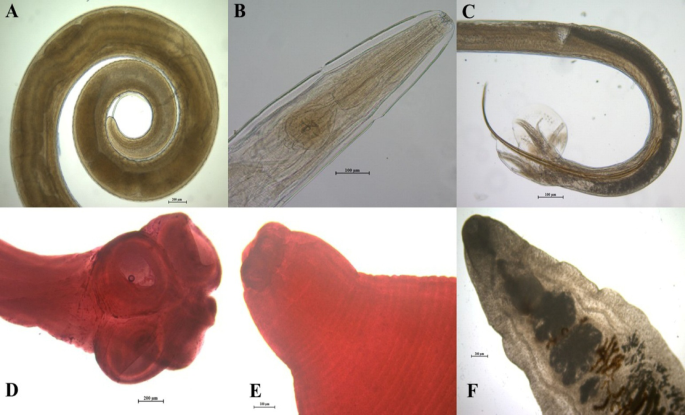
Six helminth species were identified: Dicrocoelium dendriticum, Andrya rhopalocephala, Mosgovoyia pectinata, Trichuris leporis, Passalurus ambiguus and Nematodirus leporis. T. leporis, a whipworm that lives in the large intestine, was the most common and occurred in 52.3% of the hares. Heavy whipworm infections can damage the intestinal wall and have been associated with anaemia, digestive problems and poorer general condition.
P. ambiguus was found in 31.2% of the hares and N. leporis in 22.9%. D. dendriticum, a liver fluke, was the only helminth found in the liver and occurred in 3.7% of the animals. A. rhopalocephala, an intestinal tapeworm, was recorded in Türkiye for the first time.
DNA barcodes revealed several parasite lineages
The researchers also analysed a short region of mitochondrial DNA called COI from selected parasites. COI is often used as a genetic barcode because differences in this DNA sequence can help distinguish species and compare closely related lineages. A haplotype is one particular DNA variant of such a marker.
When the new sequences were combined with COI records already stored in GenBank from parasites collected from several host species and countries, the comparison contained 11 haplotypes of D. dendriticum and five of P. ambiguus. These numbers therefore describe genetic diversity in the wider international sequence datasets, not 11 and five variants found only among the hares from Sivas. The authors present the new Turkish sequences as a starting point for understanding how these parasite lineages are distributed among wildlife hosts and regions.
Disease, parasites & microbiology
Related news
Cryptosporidium Deer Mouse Genotype IV Was Recorded in Europe for the First Time in European Hares
Five of 370 faecal samples from wild European hares in Czechia and Slovakia contained Cryptosporidium deer mouse genotype…
Read story →
Classic and Recombinant Myxoma Viruses Were Found Together in Pooled Tissue From Two Hares in West Hungary
Whole-genome sequencing of pooled material from two European hares in western Hungary detected both classic MYXV and the…
Read story →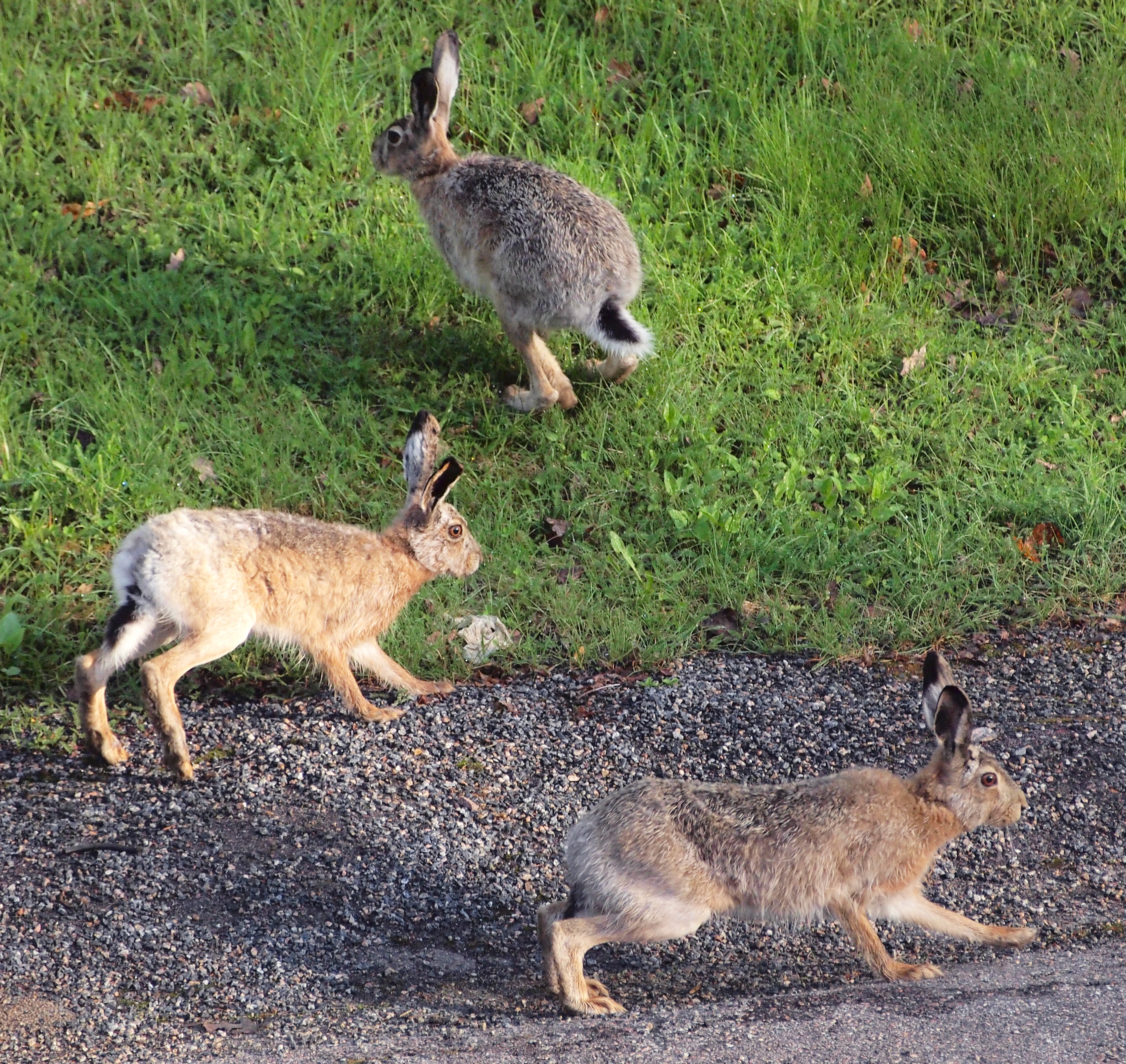
Hungary’s First ha-MYXV Outbreak Was Confirmed in 33 of 37 Targeted Hare Samples
During Hungary’s first confirmed outbreak of hare-adapted recombinant myxoma virus, 33 of 37 targeted European hare samples from…
Read story →SPECIES IN THIS STORY
Species in this story
Independent research and conservation news archive
Did you find this information useful?
Wildlife Vagabond is independently built and maintained. Voluntary support helps cover source verification, hosting and continued work on research and conservation news.
Support Wildlife VagabondThe news archive will remain freely available.