
European Hares and Hybrids Shared Far More of Their Diet Than Either Did With Alpine Mountain Hares
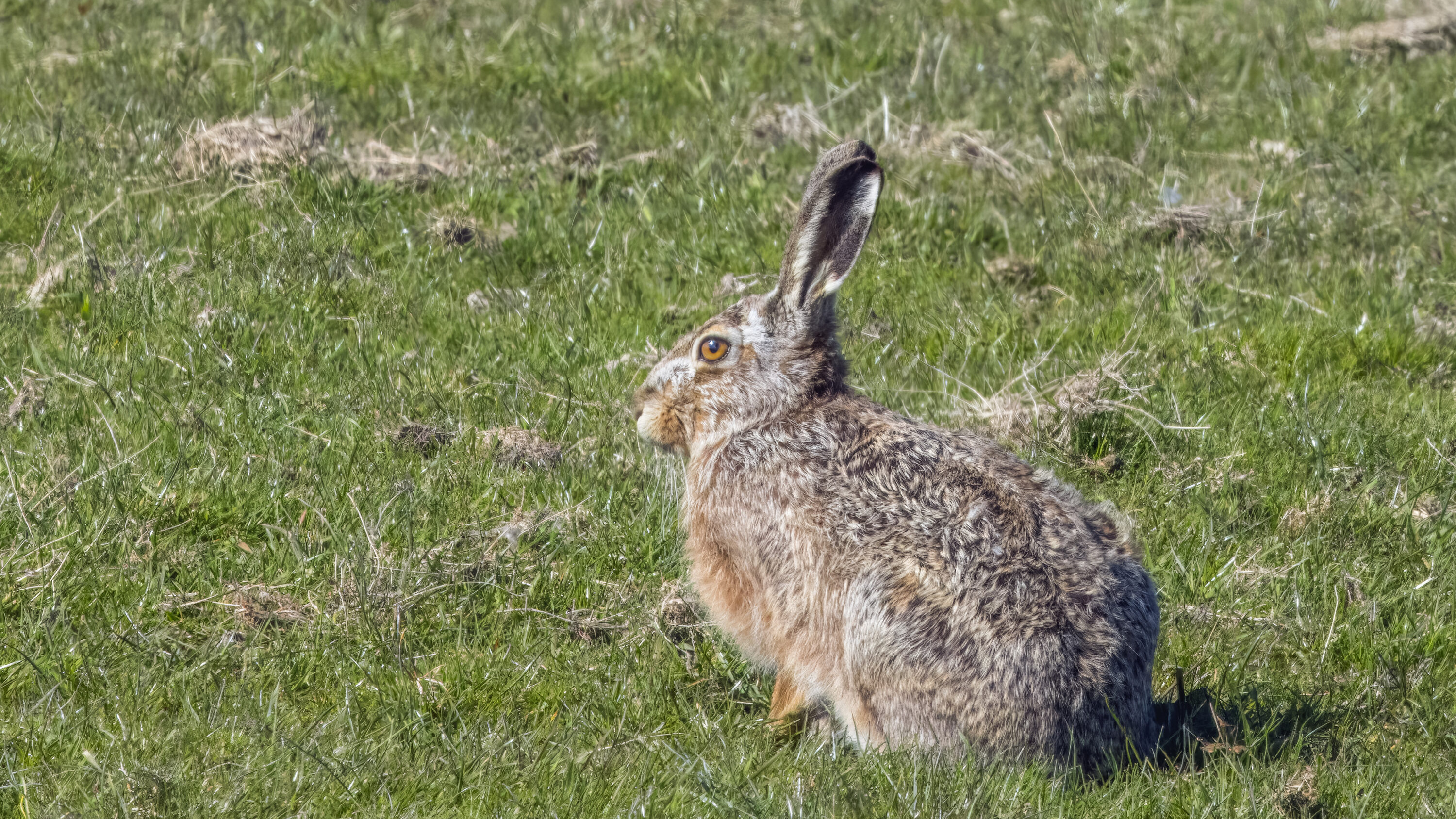
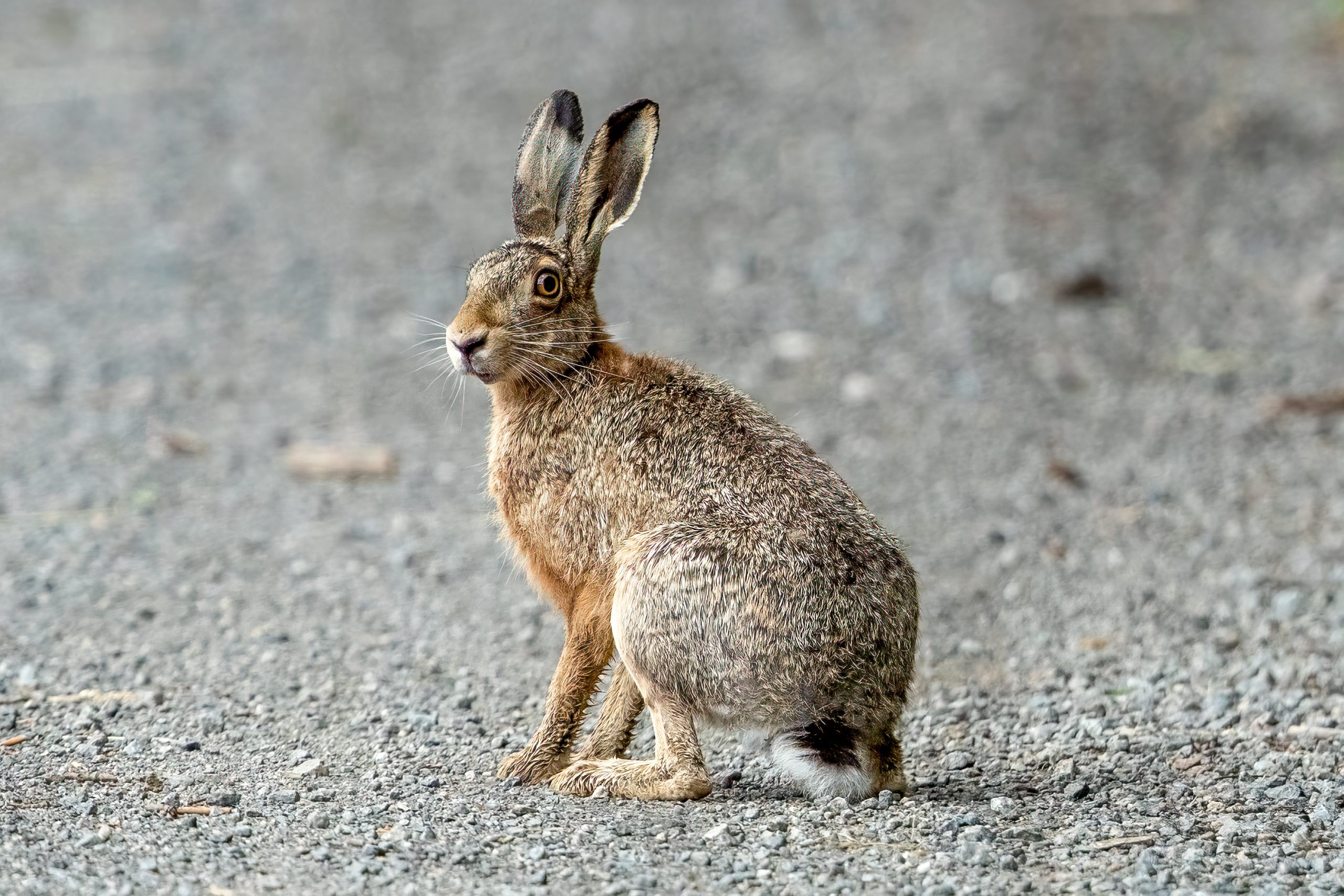
A study in Grisons, Switzerland, found strong differences in plant diet between European hare (Lepus europaeus) and Alpine mountain hare (Lepus timidus varronis), while hybrids fed much more like European hares in the overall dietary-overlap analysis.
Plant DNA in droppings reconstructed the diet
Researchers collected faecal samples along an elevational gradient from 1,000 to 2,600 metres and used DNA metabarcoding to identify plant DNA remaining in the droppings. The relative abundance of DNA sequences was used as a proxy for dietary contribution, but it does not measure the exact biomass of each plant eaten. Dietary composition was analysed for 90 European hare samples, 59 Alpine mountain hare samples and 62 hybrid samples in the detailed analyses. Across the faeces, the researchers identified 88 plant species. Individual identity was not available for every sample, so the same hare may have contributed more than one pellet sample and the results are interpreted as population-level dietary patterns rather than measurements from a known set of unique individuals.
European hares showed a generalist feeding pattern across elevations and between the peak and end of the vegetation period. Alpine mountain hares were more selective in which plants they favoured and chose taxa characteristic of the elevations where they occurred. At the same time, they used a greater diversity of plant taxa than European hares and hybrids. In other words, being the more specialised hare did not simply mean eating fewer kinds of plants; the specialisation concerned which alpine resources were selected and how they were used.
Hybrids overlapped almost completely with European hares
The strongest contrast was in dietary overlap, measured with Pianka’s index. This index runs from 0, meaning completely separate resource categories, to 1, meaning very similar resource use; values above 0.6 are treated in the study as biologically substantial overlap. At plant-species level, the index was 0.98 between European hares and hybrids, compared with 0.45 between European and Alpine mountain hares and 0.47 between hybrids and Alpine mountain hares. Genetic species and hybrid assignment succeeded for 211 samples: 90 were assigned to European hare, 59 to Alpine mountain hare and 62 showed mitochondrial introgression indicating hybridisation. Of those 62 hybrid samples, 61 had Alpine mountain hare mitochondrial DNA, which traces the maternal line, but European hare nuclear DNA inherited from both parental lines. This pattern indicates older introgression followed by repeated backcrossing toward European hare. One sample instead showed a mixed nuclear pattern consistent with a more recent backcross. The authors link this overwhelmingly European-hare nuclear background to the very high dietary overlap between European hares and hybrids.
Dietary overlap involving Alpine mountain hares increased toward the end of the vegetation period and at higher elevations, when available plant diversity was lower. The authors conclude that European hares appear well able to exploit Alpine food resources and may compete with the more specialised Alpine mountain hare where their ranges overlap. Hybrids were more variable: depending on the measure, their feeding ecology could resemble European hares, Alpine mountain hares, fall between the two, or differ from both parental groups.
Ecology
Related news
Cryptosporidium Deer Mouse Genotype IV Was Recorded in Europe for the First Time in European Hares
Five of 370 faecal samples from wild European hares in Czechia and Slovakia contained Cryptosporidium deer mouse genotype…
Read story →
Classic and Recombinant Myxoma Viruses Were Found Together in Pooled Tissue From Two Hares in West Hungary
Whole-genome sequencing of pooled material from two European hares in western Hungary detected both classic MYXV and the…
Read story →
Hungary’s First ha-MYXV Outbreak Was Confirmed in 33 of 37 Targeted Hare Samples
During Hungary’s first confirmed outbreak of hare-adapted recombinant myxoma virus, 33 of 37 targeted European hare samples from…
Read story →SPECIES IN THIS STORY
Species in this story
Independent research and conservation news archive
Did you find this information useful?
Wildlife Vagabond is independently built and maintained. Voluntary support helps cover source verification, hosting and continued work on research and conservation news.
Support Wildlife VagabondThe news archive will remain freely available.