
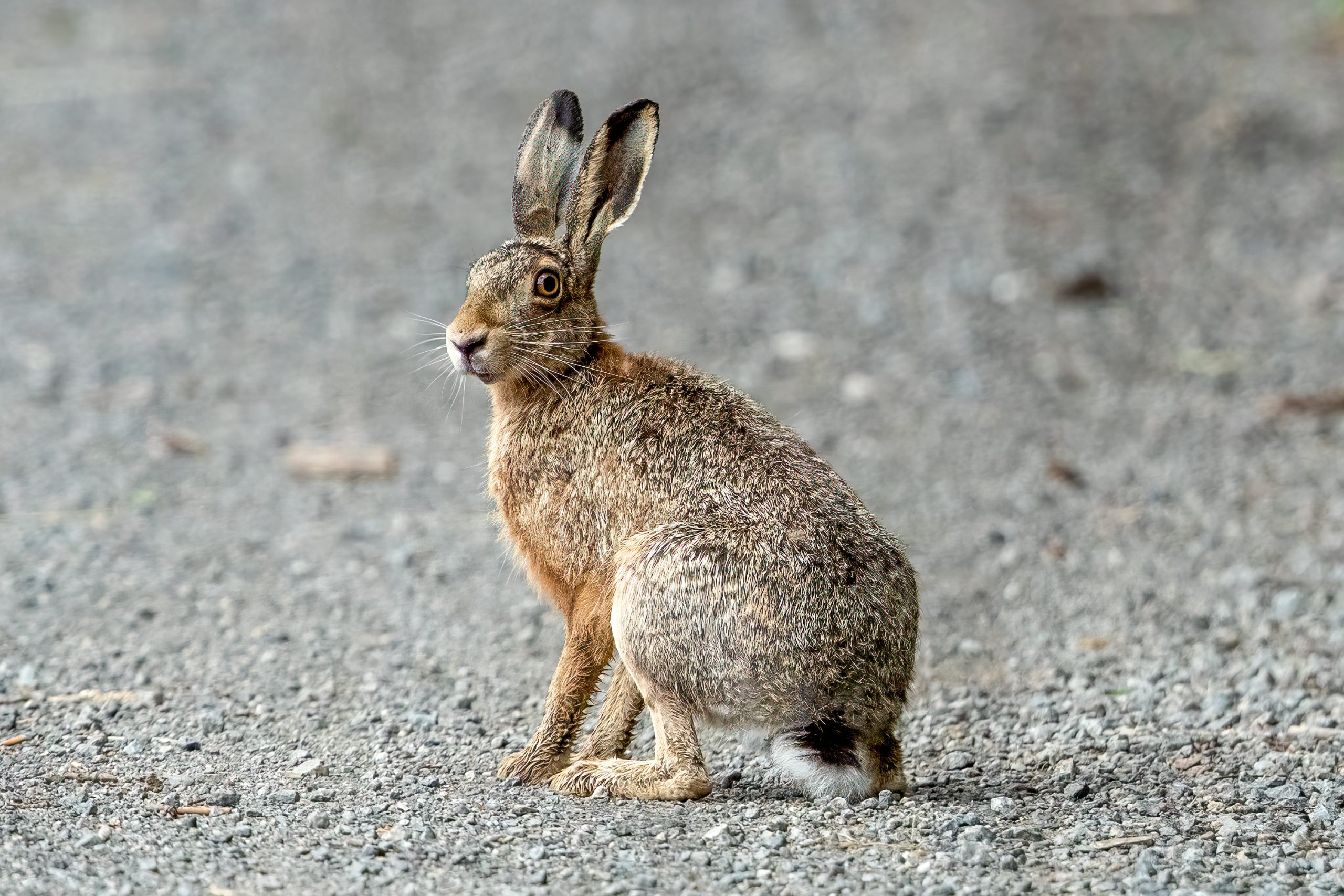
European hares shifted habitat use within largely stable home ranges
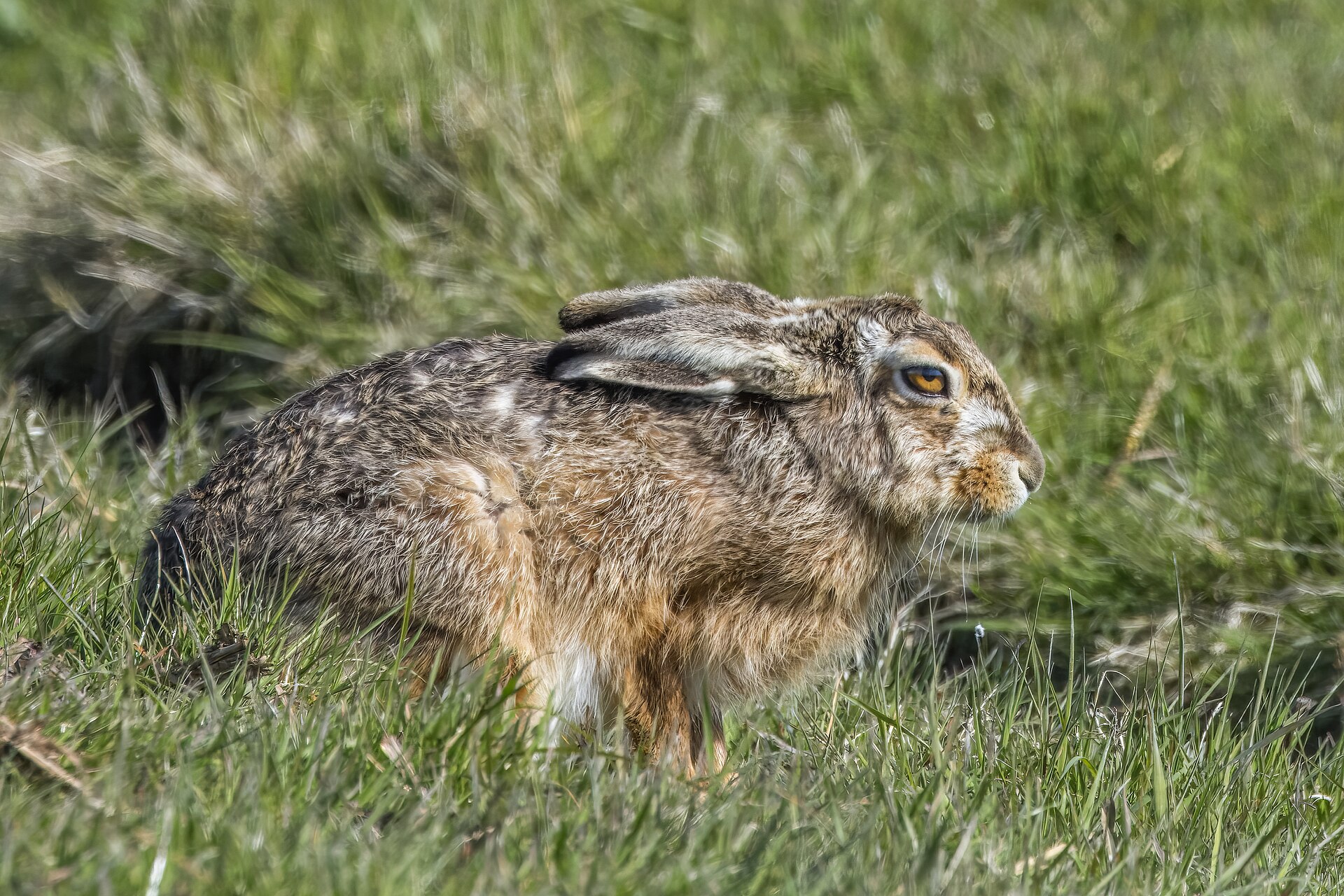
A 2026 bioRxiv preprint examined how European hares (Lepus europaeus) selected habitats at two spatial scales in a grassland landscape in the French Jura. Researchers used GPS data from 52 hares tracked between 2021 and 2023. They compared where each hare’s home range was situated in the wider landscape with how it used habitats within that home range.
These are different levels of habitat selection. A hare might live in a home range that includes several habitat types, then use some of those habitats more than others. For grasslands, forests and farm tracks, stronger selection at one scale tended to go with stronger selection at the other. Fodder crops showed the opposite relationship: stronger selection at one scale was associated with weaker selection at the other.
Habitat use within home ranges varied more over time than the placement of home ranges in the landscape. Seasonal temperature and precipitation were associated with this finer-scale selection, while landscape-level selection was described as largely unaffected. The hares also consistently avoided built-up areas. The results point to relatively stable home-range placement alongside more flexible habitat use within those ranges in this French landscape.
Ecology
Related news
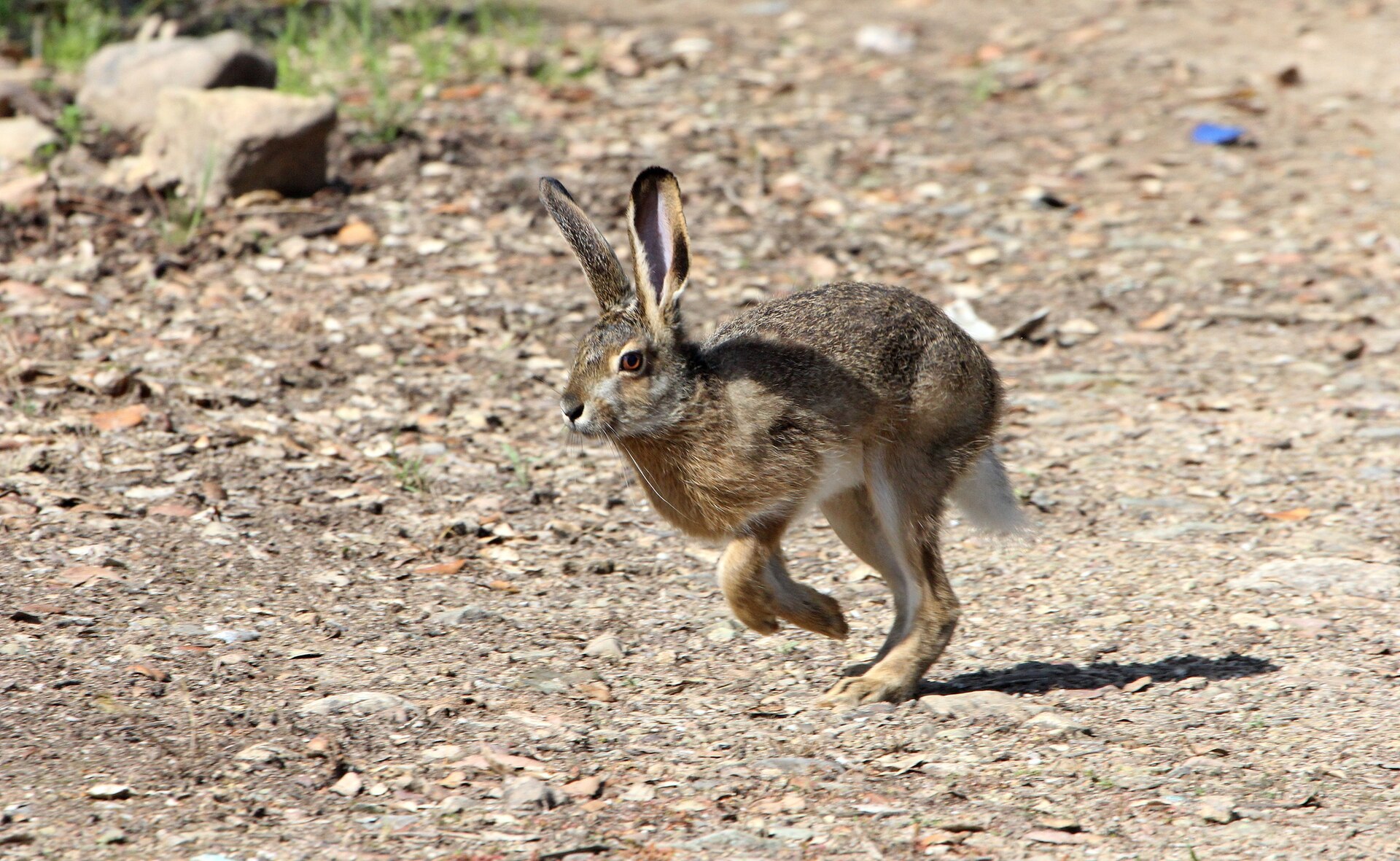
A new genome reveals different closest relatives for the Italian and European hares
The first reported Italian hare genome provides a reference for future evolutionary and conservation research. Its preliminary family…
Read story →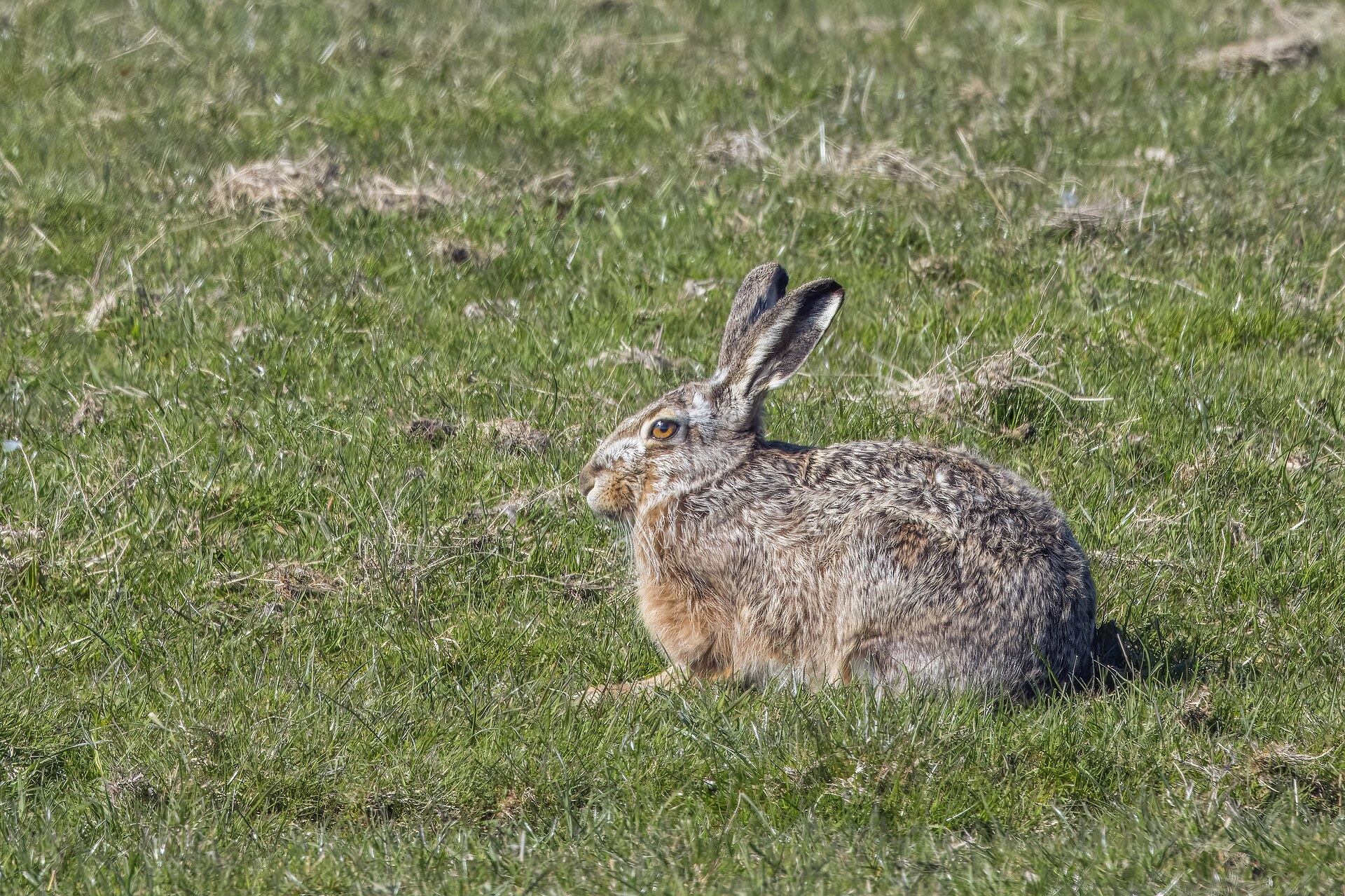
Antibodies to the virus behind brown hare syndrome were more common in European than Italian hares
A long-term survey in Grosseto, Tuscany, found antibody evidence of exposure in nearly two-thirds of sampled hares. Positivity…
Read story →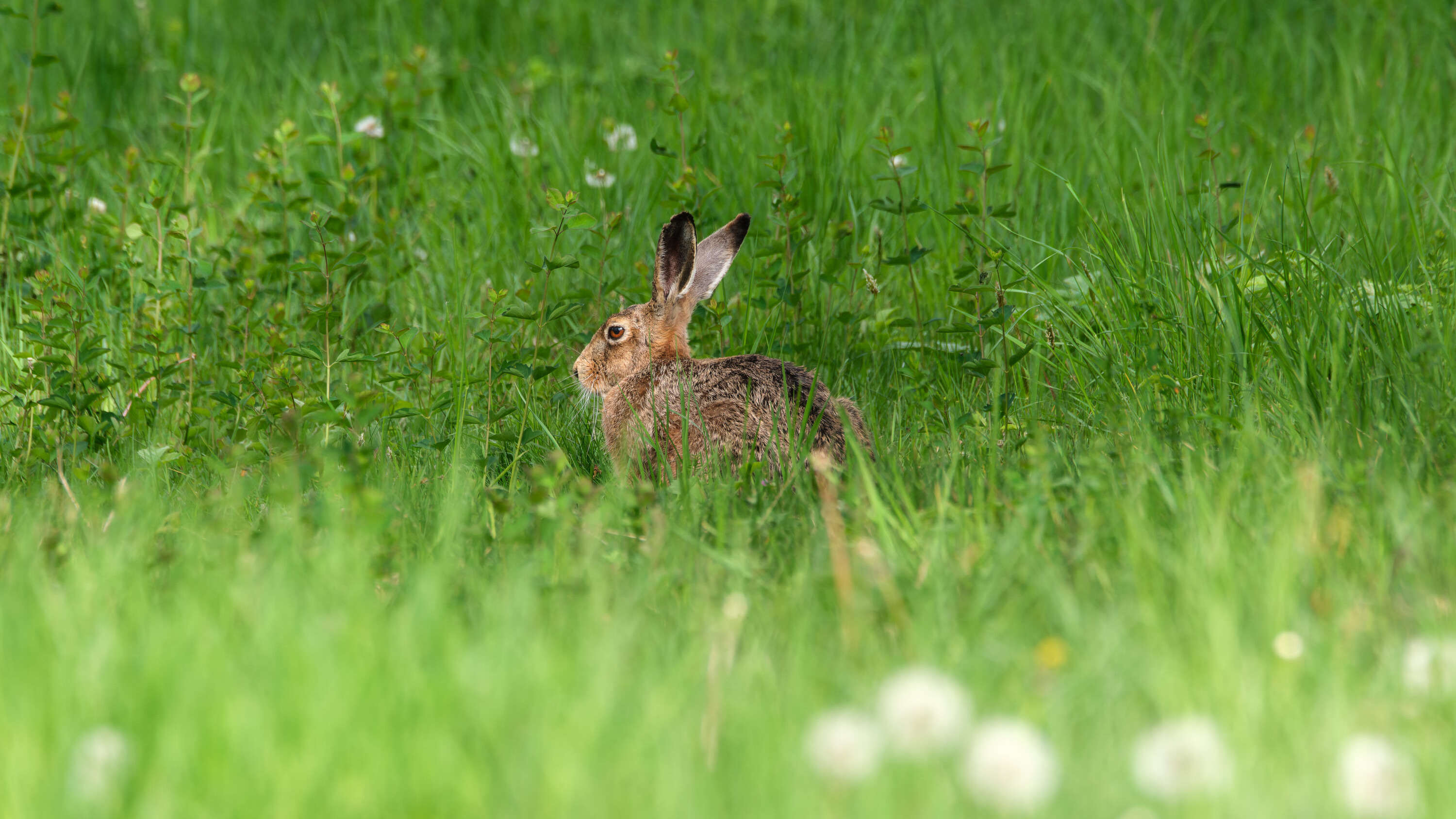
Cryptosporidium Deer Mouse Genotype IV Was Recorded in Europe for the First Time in European Hares
Five of 370 faecal samples from wild European hares in Czechia and Slovakia contained Cryptosporidium deer mouse genotype…
Read story →SPECIES IN THIS STORY
Species in this story
Independent research and conservation news archive
Did you find this information useful?
Wildlife Vagabond is independently built and maintained. Voluntary support helps cover source verification, hosting and continued work on research and conservation news.
Support Wildlife VagabondThe news archive will remain freely available.