
Elevation Split Genetic Connectivity of European and Mountain Hares in the French Alps
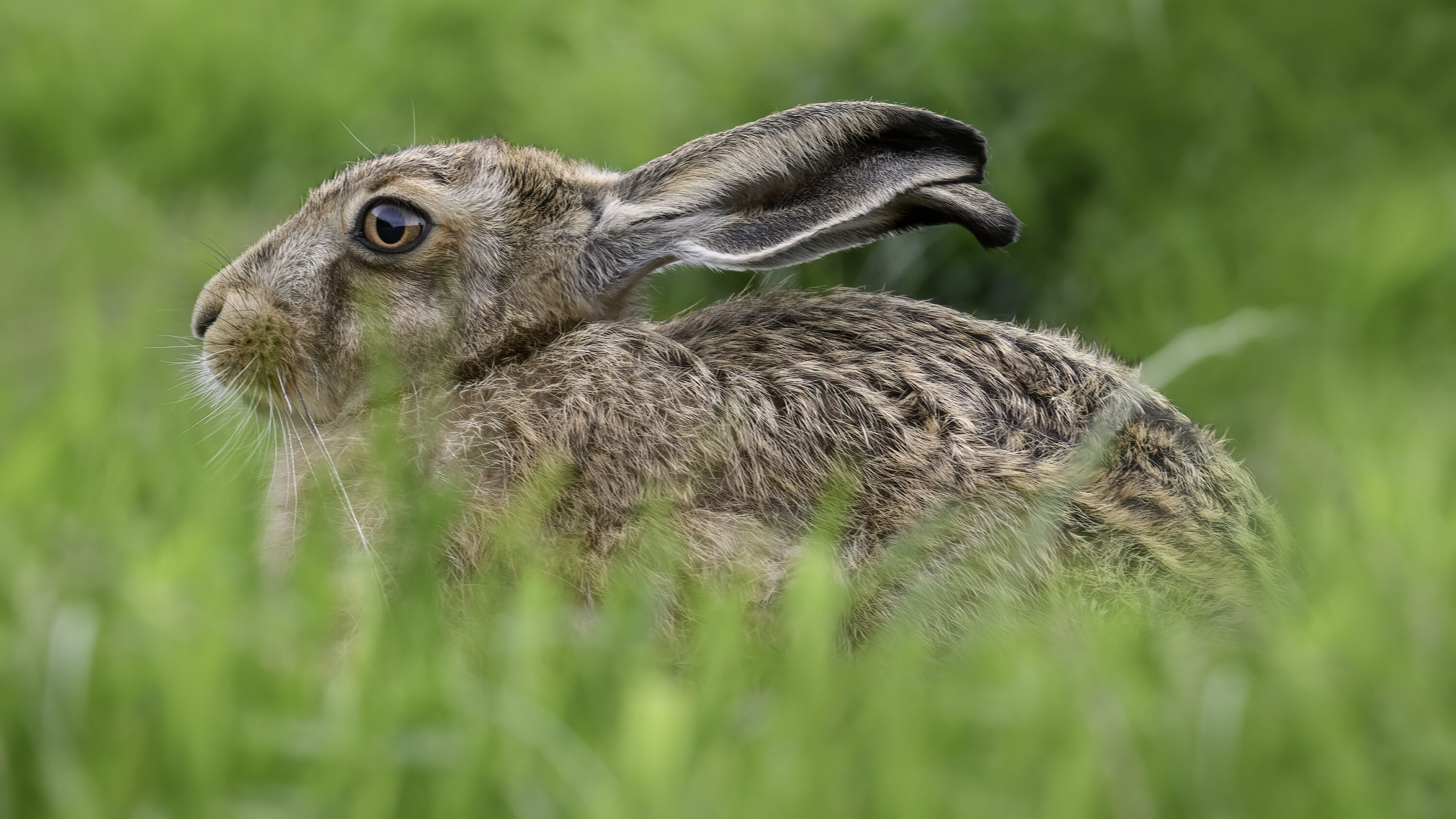
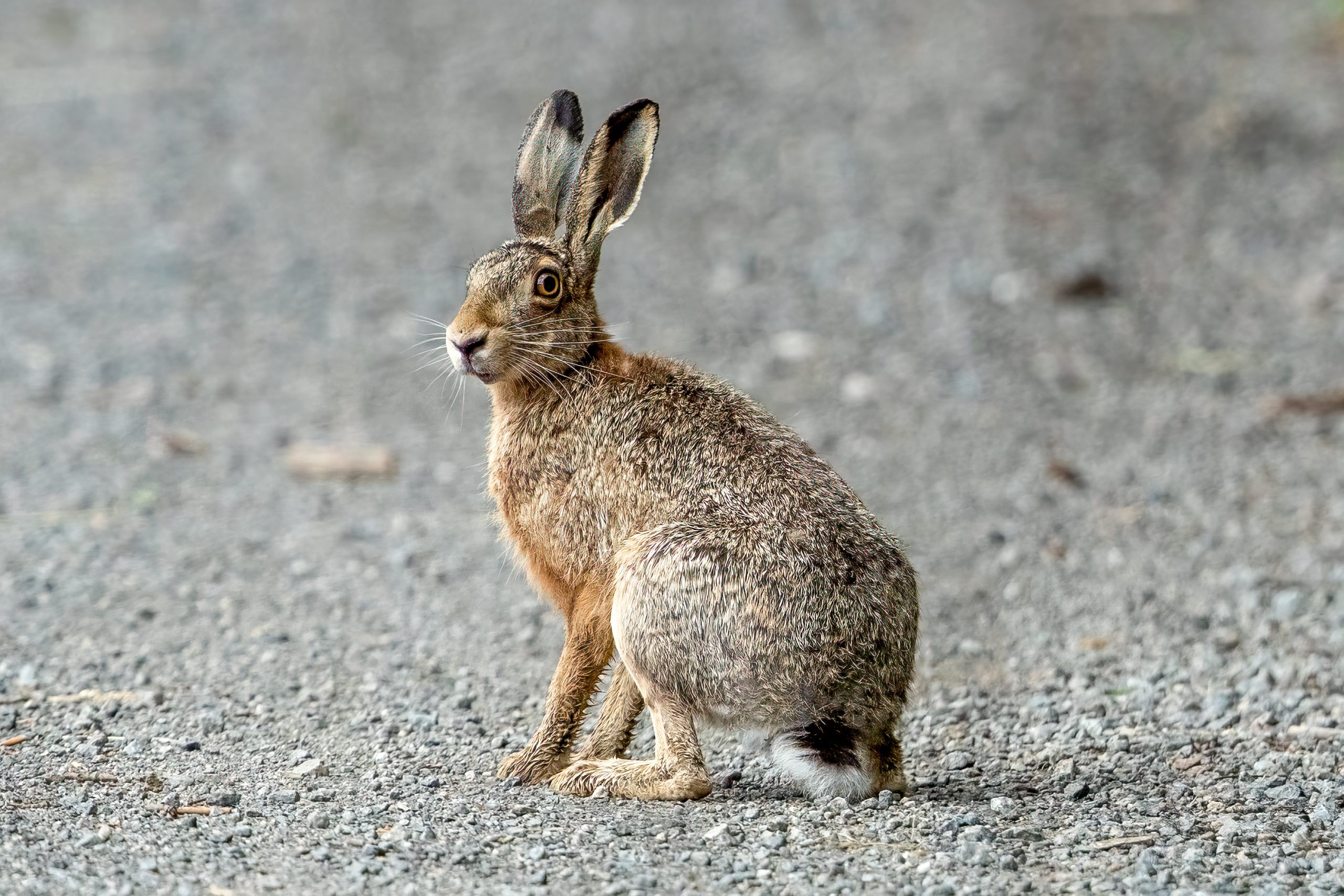
A landscape-genetics study in the French Alps found almost opposite patterns of genetic connectivity in European hare (Lepus europaeus) and mountain hare (Lepus timidus). The strongest mountain-hare connections occurred high in the Alps, while European-hare connectivity was concentrated in valleys and lower terrain.
The researchers genotyped more than 2,500 hares for microsatellites, short repeated DNA regions that vary among individuals and can be used as genetic markers. If animals from two parts of the landscape remain genetically similar, this indicates that dispersal between those areas has been followed by reproduction and gene flow. Genetic connectivity therefore describes successful movement across generations, not simply where individual hares were seen moving.
Landscape resistance showed where gene flow was easiest
The team compared genetic differences among hares with 13 landscape variables, including elevation, roads, urban areas, vegetation and water. Machine-learning models translated these variables into “resistance” surfaces. Low resistance means that a landscape is relatively permeable to movement that results in gene flow; high resistance means that such movement is more strongly impeded.
Both species showed only weak overall genetic structure across the French Alps, suggesting that gene flow is still widespread. The landscape nevertheless shaped where that connectivity was strongest.
Elevation affected the two hare species in opposite directions
For mountain hares, resistance declined as elevation increased and became very low above roughly 2,000 metres. Connectivity maps therefore concentrated the strongest corridors on high ground, with Alpine valleys creating breaks between high-elevation areas.
European hares showed the opposite broad pattern. Resistance increased with elevation, while the strongest connectivity occurred in western lowlands and along the floors of major Alpine valleys. The two species therefore use very different parts of the same mountain landscape as their easiest routes for effective dispersal.
Urban areas and roads were important, but not simple causal effects
Distance from urban areas was an important model variable for both species in the full-area analyses, and road variables also contributed. The authors caution, however, that these relationships should not automatically be interpreted as hares responding directly to towns or roads.
In the Alps, towns and major roads are concentrated in valleys that also provide the low-elevation climate preferred by European hares. A model can therefore associate gene flow with urban or road proximity partly because those features occur in the same parts of the landscape as suitable hare habitat. Results also varied among the five regional sub-areas, reinforcing the need for local interpretation.
European-hare habitat may add resistance for mountain hares
The mountain-hare models also included a map of habitat suitability for European hare as a proxy for possible interspecific competition. In most sub-areas, greater availability of habitat favourable to European hares was associated with higher resistance to mountain-hare gene flow, although the strength and shape of the relationship varied geographically.
The authors interpret this as evidence that expanding European hares may further restrict mountain-hare access to lower-elevation corridors already becoming less suitable as the climate warms. The study did not directly observe competitive encounters, so this remains an inference from the landscape-genetic pattern rather than proof that European hares physically exclude mountain hares from every shared area.
The conservation implication is clearest for the cold-adapted mountain hare: maintaining connections among high-elevation habitats may become increasingly important as warming pushes suitable conditions upward and lowland corridors become both climatically and competitively less favourable.
Genetics & genomics
Related news
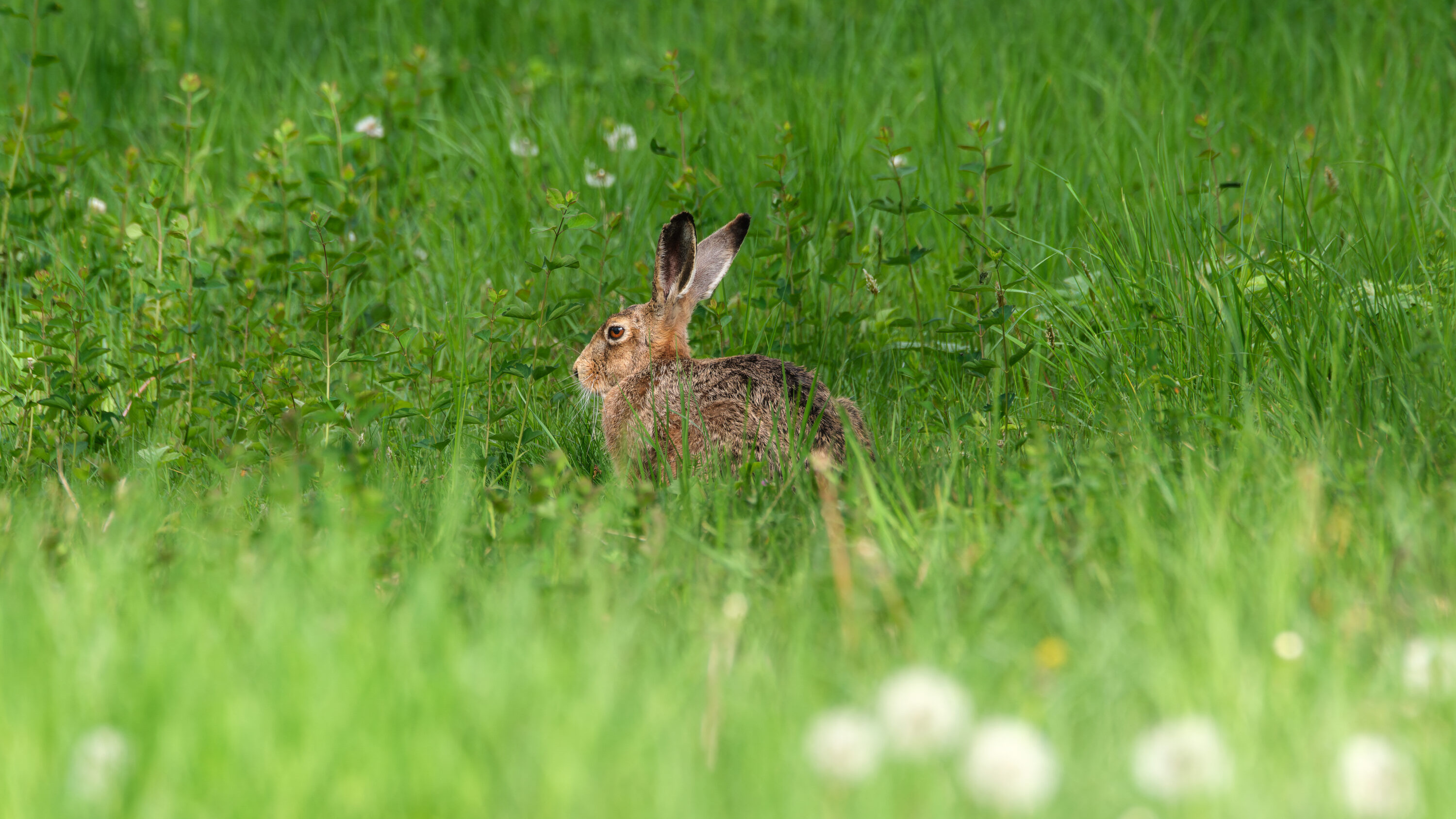
Cryptosporidium Deer Mouse Genotype IV Was Recorded in Europe for the First Time in European Hares
Five of 370 faecal samples from wild European hares in Czechia and Slovakia contained Cryptosporidium deer mouse genotype…
Read story →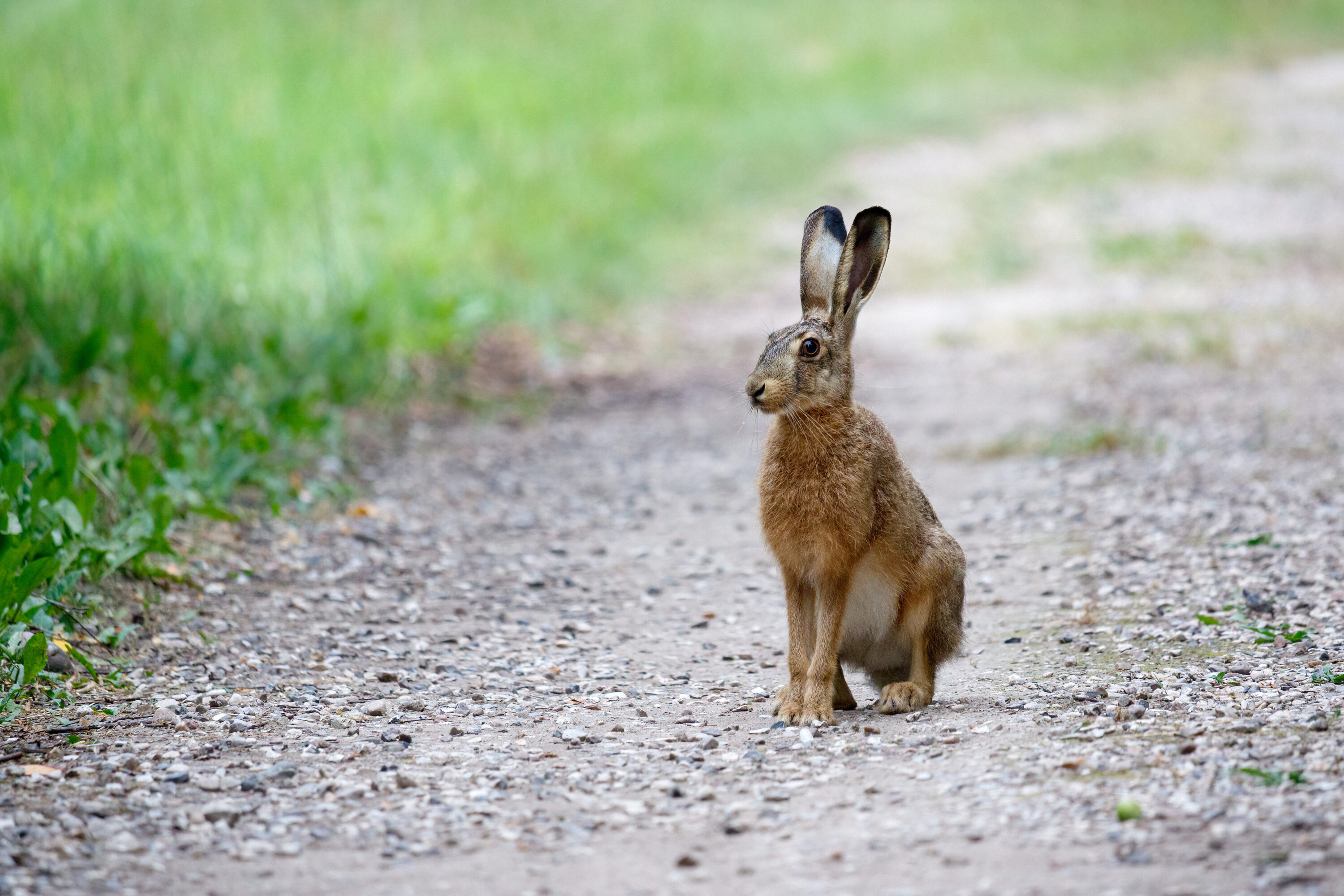
Classic and Recombinant Myxoma Viruses Were Found Together in Pooled Tissue From Two Hares in West Hungary
Whole-genome sequencing of pooled material from two European hares in western Hungary detected both classic MYXV and the…
Read story →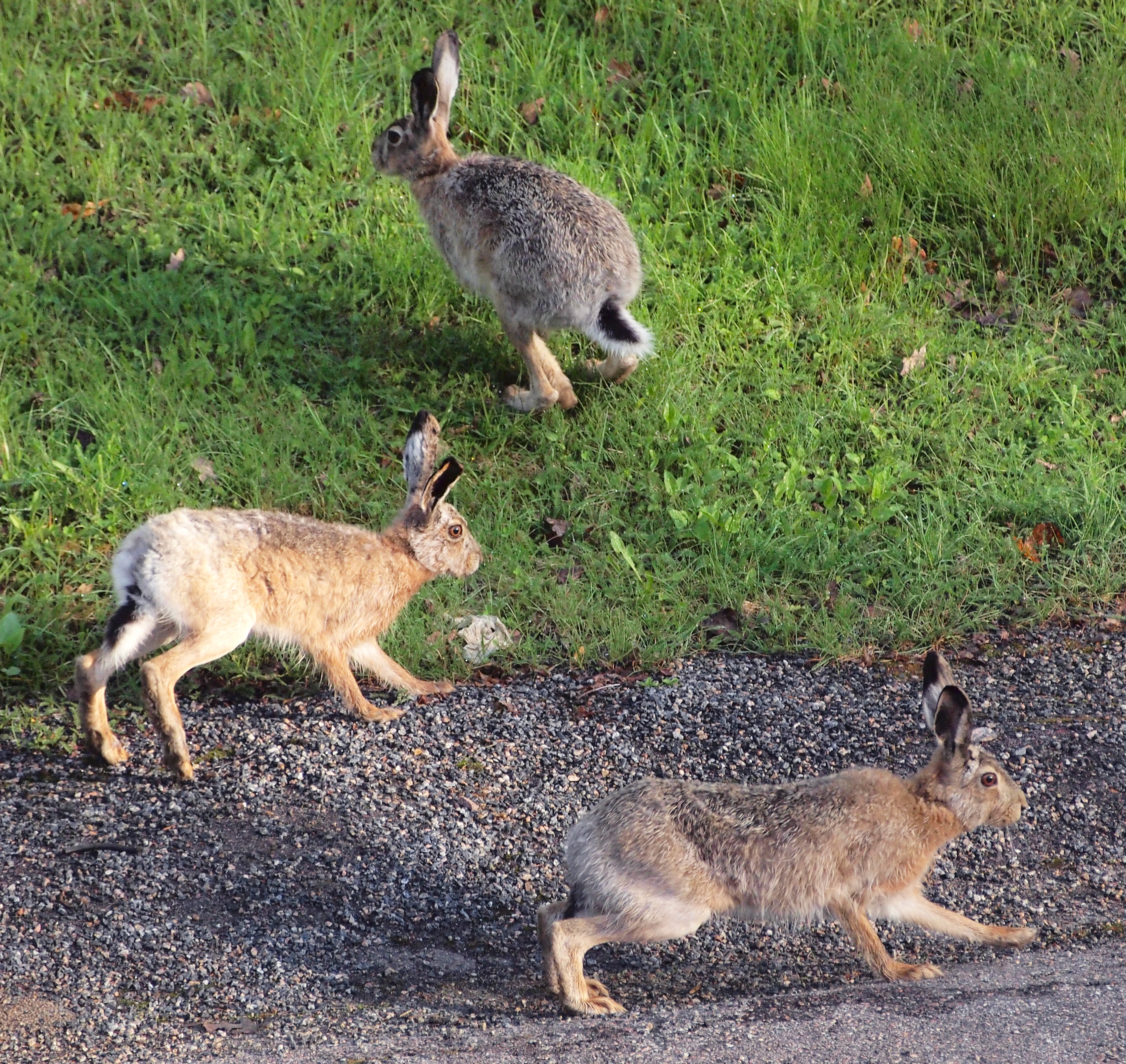
Hungary’s First ha-MYXV Outbreak Was Confirmed in 33 of 37 Targeted Hare Samples
During Hungary’s first confirmed outbreak of hare-adapted recombinant myxoma virus, 33 of 37 targeted European hare samples from…
Read story →SPECIES IN THIS STORY
Species in this story
Independent research and conservation news archive
Did you find this information useful?
Wildlife Vagabond is independently built and maintained. Voluntary support helps cover source verification, hosting and continued work on research and conservation news.
Support Wildlife VagabondThe news archive will remain freely available.