
European and Mountain Hares Kept Distinct Gut Microbiotas Where Their Ranges Overlapped
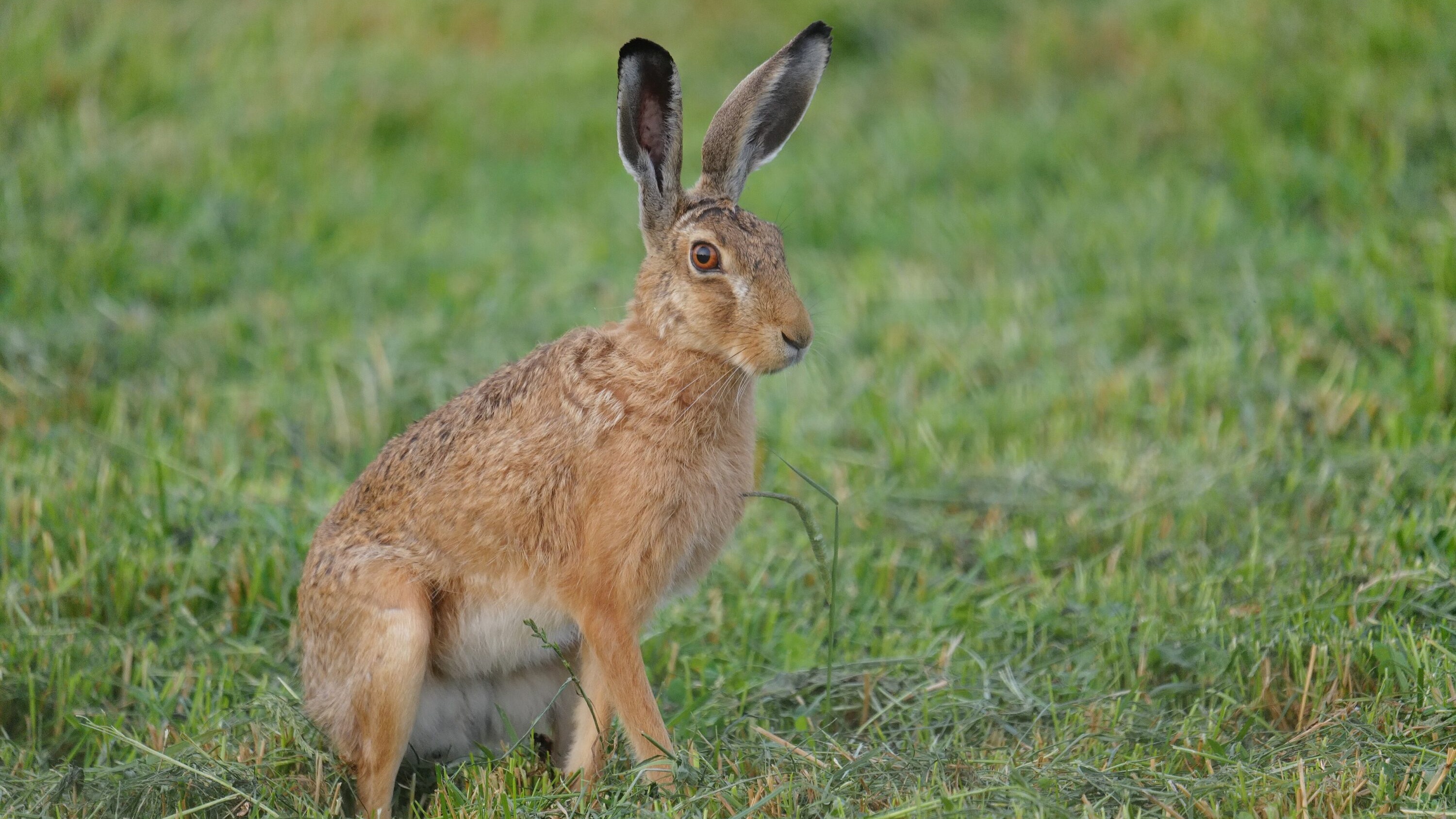
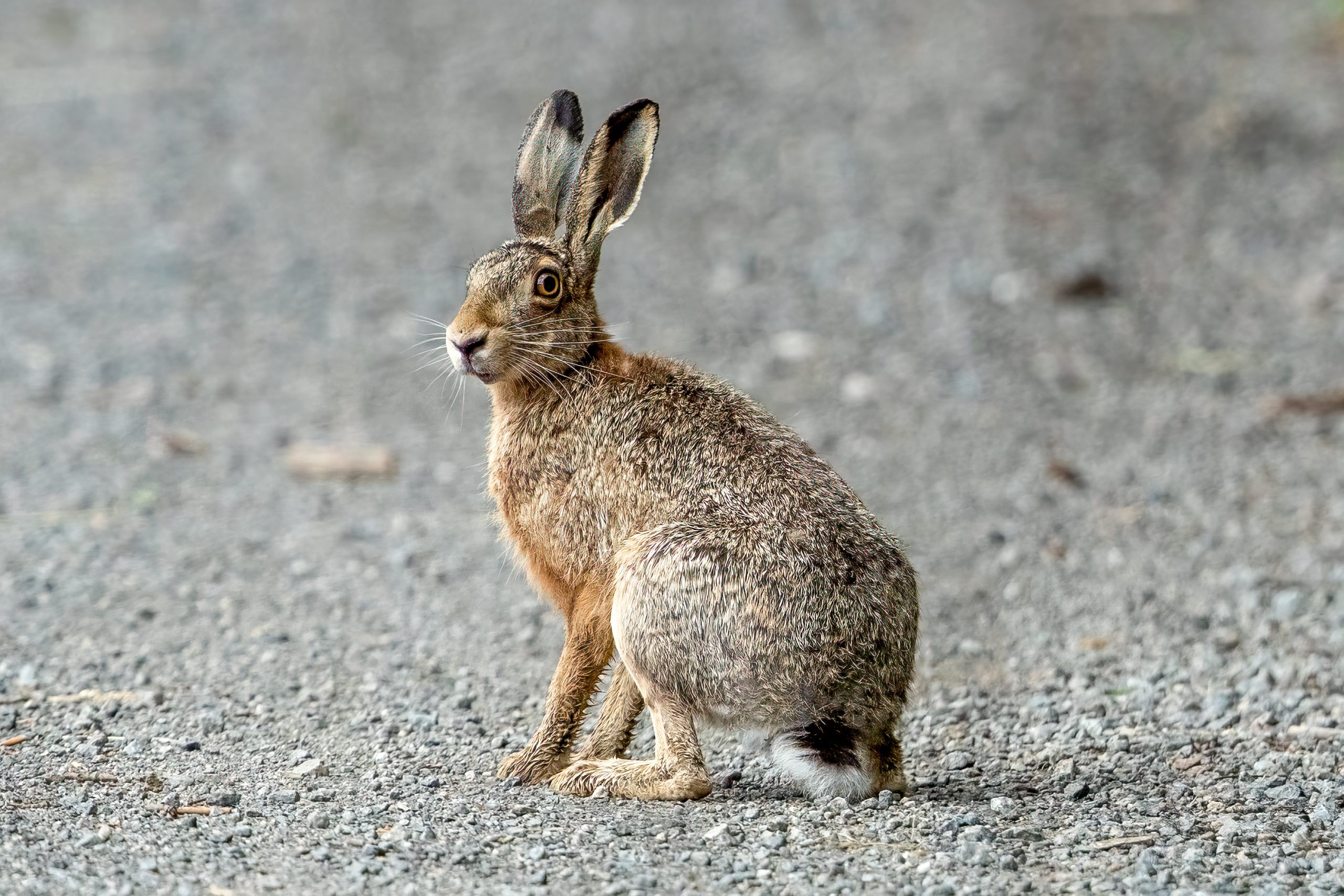
European hare (Lepus europaeus) and mountain hare (Lepus timidus) living along the same elevational gradient in the central Italian Alps carried clearly different gut microbial communities, according to a 2026 study. Researchers collected fresh faecal pellets from 12 sites between 1,000 and 2,500 metres above sea level in Val Mazia/Matschertal and used mitochondrial DNA to identify which hare species had produced each sample.
Of 95 samples that could be assigned reliably, 72 came from European hares and 23 from mountain hares. European hares occurred across all four sampled elevations, while mountain hares were found only at 2,000 and 2,500 metres. Sequencing of prokaryotic and fungal markers showed that the two species retained distinct gut communities even at those two elevations where they occurred together.
Microbial composition differed most among prokaryotes
The difference was especially pronounced among prokaryotes. Only about 6% of prokaryotic sequence variants were shared between the species. European-hare samples were dominated by Firmicutes, with a median relative abundance of 63.3%, whereas mountain-hare samples were dominated by Proteobacteria at 62.9%. Fungal communities overlapped more strongly in terms of the dominant sequences, but their overall composition still differed clearly between the two host species.
Diversity levels were similar despite different composition
The two species did not differ clearly in the overall richness or within-sample diversity of their microbial communities; the main difference was which microorganisms were present and in what proportions. Predicted microbial functions also separated the species, with mountain-hare samples showing higher functional diversity in the sympatric zone. In other words, the predicted microbial community in mountain hares covered a broader range of potential functions even where both hare species shared the same landscape. These patterns suggest that the two hare species maintain different host-associated microbial systems even while sharing the same high-elevation landscape.
Elevation affected fungal diversity in both hare species, but the researchers did not find the same pattern for prokaryotic diversity. The authors suggest that the strong species-specific pattern may reflect host evolutionary history, ecological niche and feeding differences rather than simple exposure to the same local environment. They conclude that sympatry — the two species living in the same area — has so far had little effect on the overall composition of either species’ gut microbiota.
Range overlap between the hare species is increasing
This matters because European hares are expanding upwards as Alpine conditions change, increasing overlap with the cold-adapted mountain hare. The study provides the first description of mountain-hare prokaryotic gut diversity and of fungal gut communities in both species, and establishes a baseline for testing whether climate-driven range shifts, changing diets or hybridization later alter the mountain hare’s distinctive microbiota.
Disease, parasites & microbiology
Related news
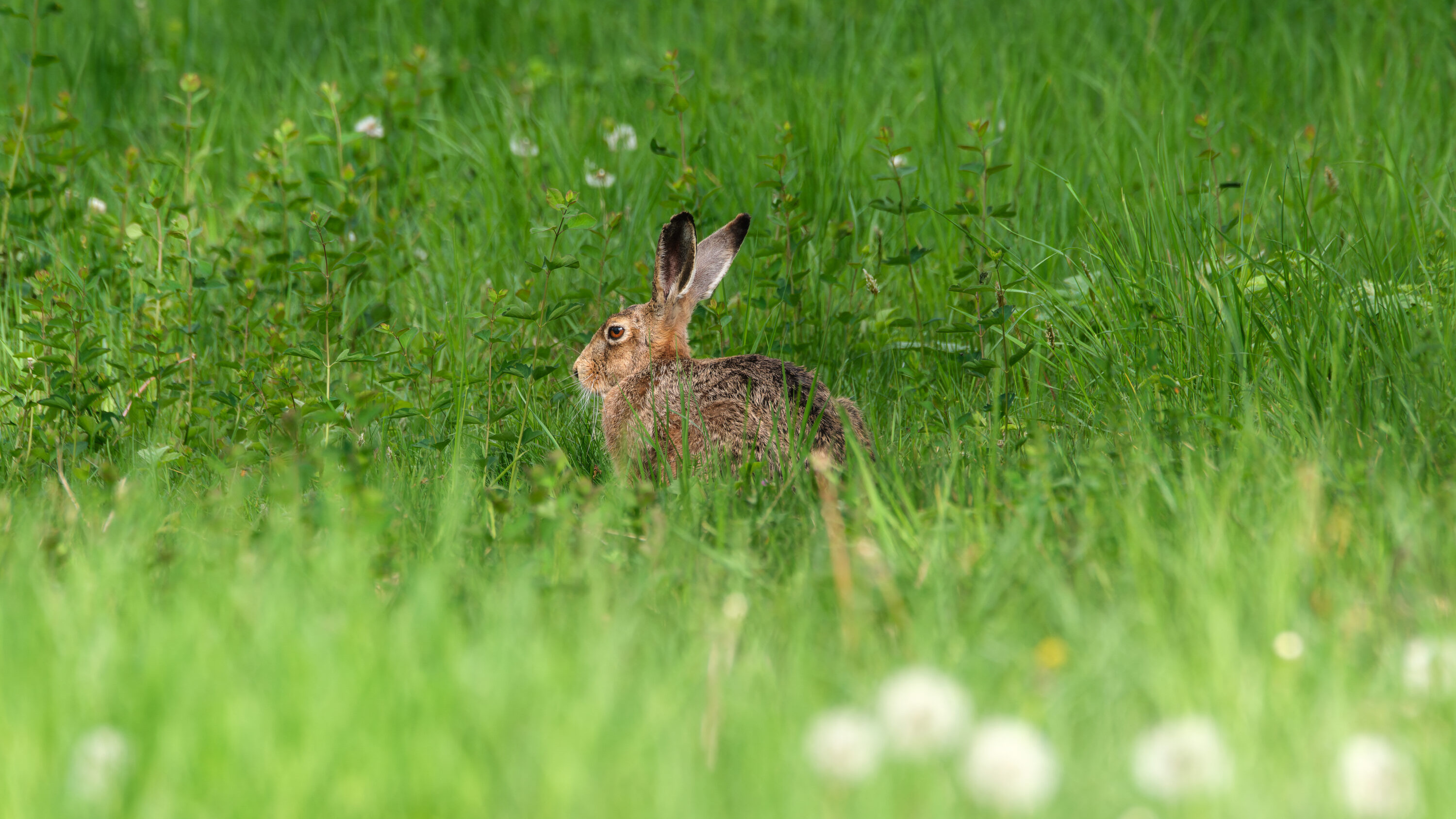
Cryptosporidium Deer Mouse Genotype IV Was Recorded in Europe for the First Time in European Hares
Five of 370 faecal samples from wild European hares in Czechia and Slovakia contained Cryptosporidium deer mouse genotype…
Read story →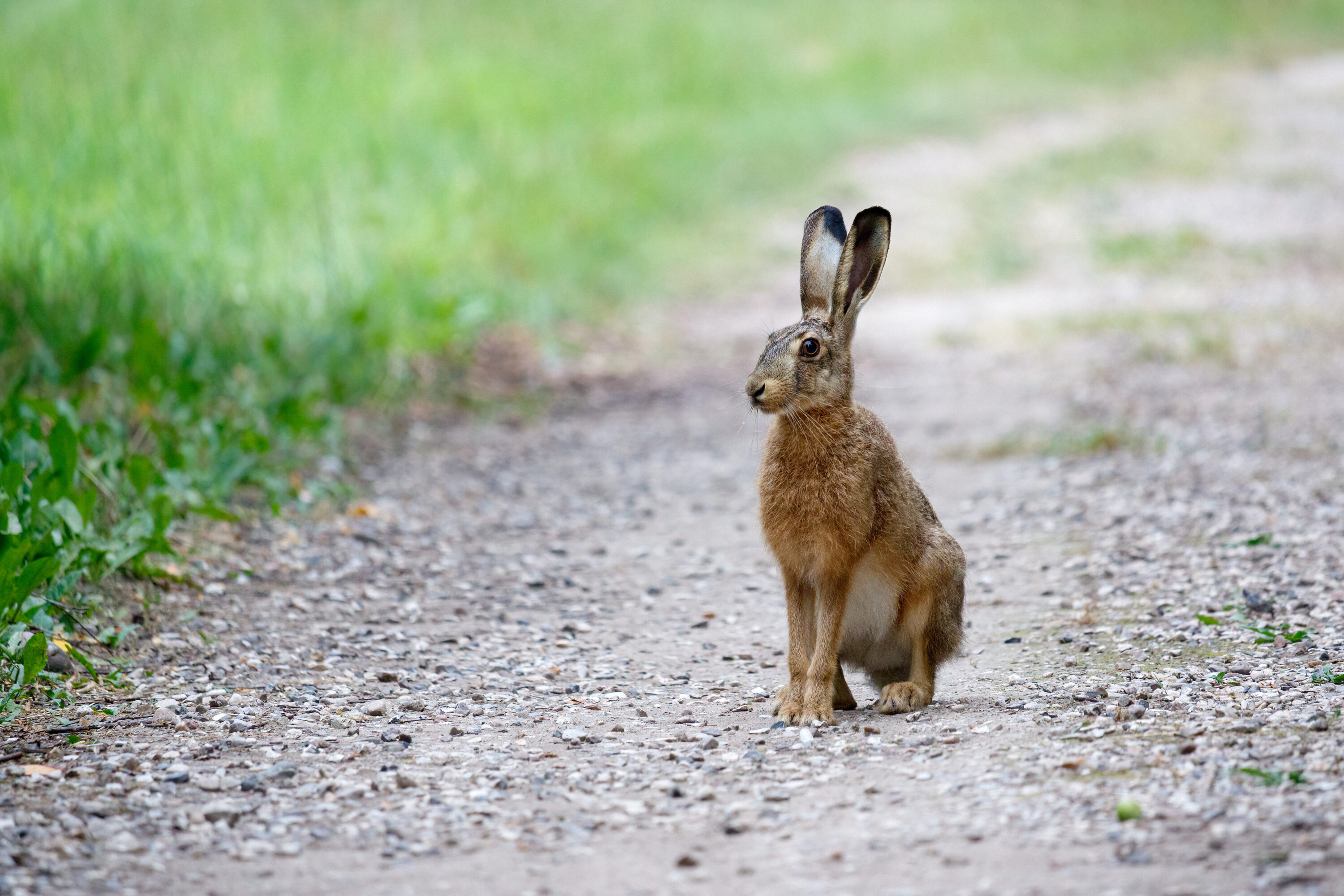
Classic and Recombinant Myxoma Viruses Were Found Together in Pooled Tissue From Two Hares in West Hungary
Whole-genome sequencing of pooled material from two European hares in western Hungary detected both classic MYXV and the…
Read story →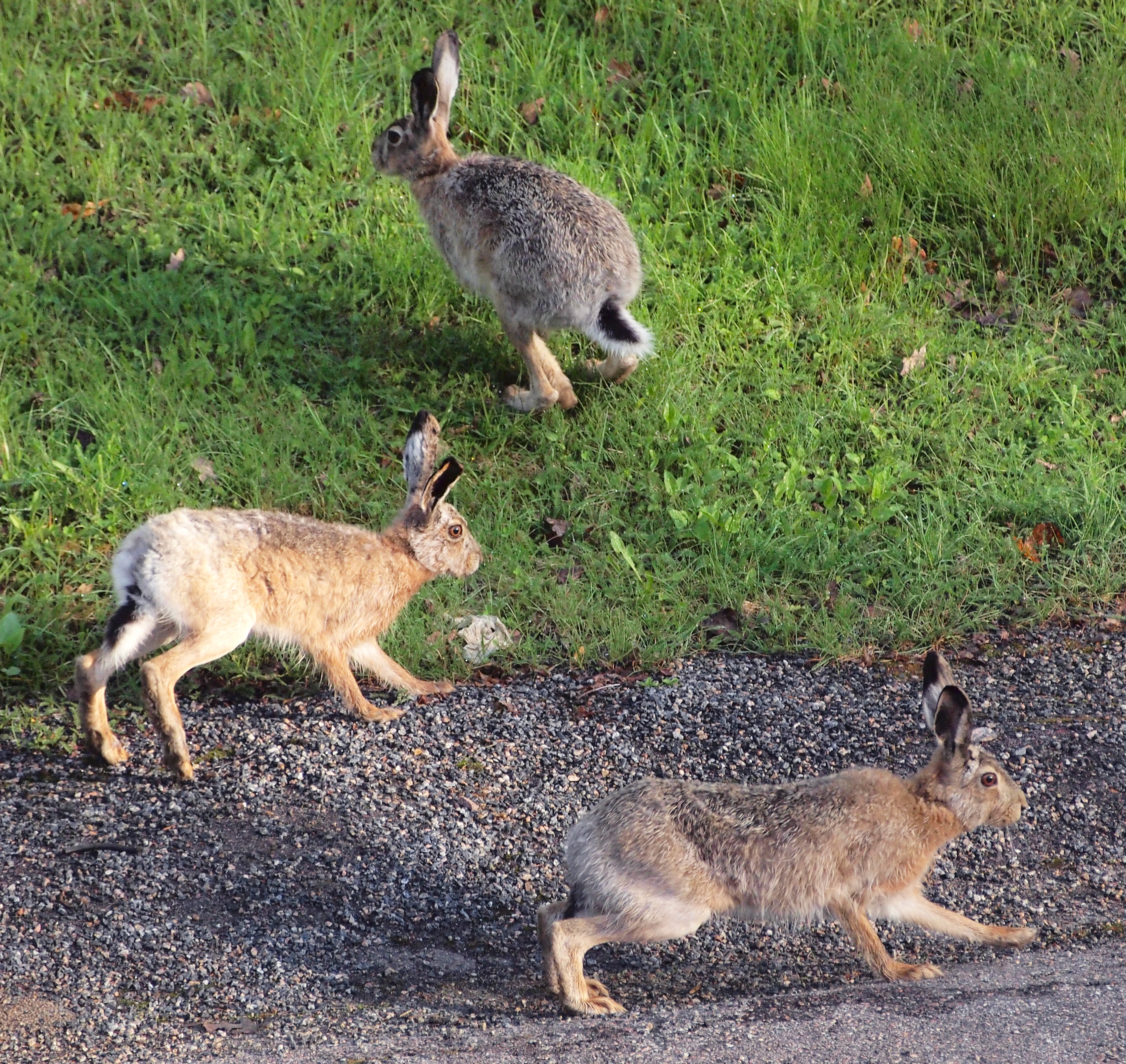
Hungary’s First ha-MYXV Outbreak Was Confirmed in 33 of 37 Targeted Hare Samples
During Hungary’s first confirmed outbreak of hare-adapted recombinant myxoma virus, 33 of 37 targeted European hare samples from…
Read story →SPECIES IN THIS STORY
Species in this story
Independent research and conservation news archive
Did you find this information useful?
Wildlife Vagabond is independently built and maintained. Voluntary support helps cover source verification, hosting and continued work on research and conservation news.
Support Wildlife VagabondThe news archive will remain freely available.