
European Roller Chicks in Cropland Landscapes Differed in Specific Antioxidant and Immune Markers
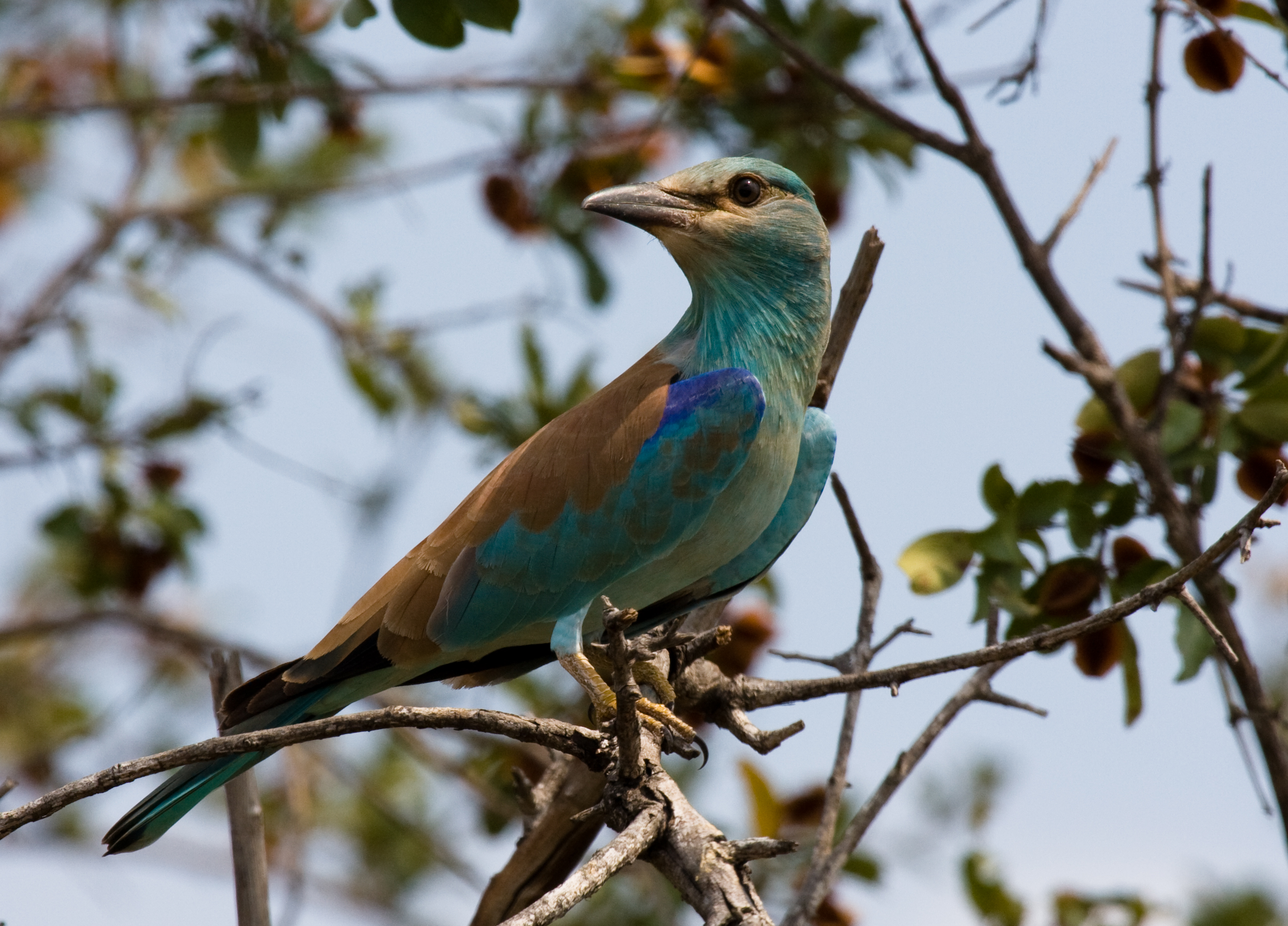
European roller (Coracias garrulus) chicks raised in cereal-dominated agricultural landscapes in central Italy differed from chicks in more heterogeneous landscapes in a small number of molecular, antioxidant and immune measures. Most genes and physiological markers did not differ between the habitat types, so the study points to specific physiological adjustments rather than a broad deterioration in condition.
The study was carried out in the provinces of Rome and Viterbo in 2023 and 2024. All birds bred in nest boxes mounted on high-voltage pylons, which helped standardise nesting conditions. The landscape within one kilometre of each nest was classified either as cereal-cropland dominated or as a more mixed mosaic containing grasslands, pastures, fallow fields, bushes and trees.
Blood was collected when the chicks were 21 days old. Transcriptomics — measuring which genes are active and how strongly they are expressed — was carried out on 16 chicks, eight from each habitat type and one from each brood. A broader set of physiological and immune measurements included 51 chicks: 24 from cropland-dominated landscapes and 27 from mixed landscapes.
Antioxidant systems shifted in different directions
Nine genes had significantly lower expression in chicks from the cropland sites. Among them were CAT, GSTO1 and GSTT1. CAT encodes catalase, an enzyme that breaks down hydrogen peroxide and helps prevent oxidative damage. GSTO1 and GSTT1 belong to glutathione-related enzyme systems involved in handling reactive or potentially harmful compounds. Genes linked to mitochondrial, metabolic and other cellular processes also differed, and the catalase complex was particularly represented among the affected genes.
The blood measurements showed a related but not uniform antioxidant response. Chicks from cropland-dominated landscapes had lower catalase activity, but higher activity of glutathione peroxidase, another antioxidant enzyme that helps remove peroxides. Because these two antioxidant systems changed in opposite directions, the authors interpret the pattern as different regulation of oxidative physiology between habitats rather than a simple overall reduction in antioxidant defence. DNA damage did not differ between the groups.
Lower IgY did not necessarily mean weaker immunity
Cropland-raised chicks also had lower concentrations of immunoglobulin Y (IgY), the main antibody class in birds that contributes to adaptive, antibody-mediated immunity. IgY concentration is not a simple measure of “immune strength”: higher levels can reflect recent or ongoing exposure to pathogens, but can also reflect an individual’s capacity to mount and maintain an antibody response. The authors therefore suggest that the lower IgY levels could reflect differences in parasite or pathogen exposure between habitats, or differences in immune status and parental exposure history.
Several other immune and physiological measures showed no habitat-related difference, including superoxide dismutase activity, haptoglobin, bacterial-killing ability, haemagglutination and haemolysis. Body condition was also similar, and most genes did not differ in expression. The authors therefore describe the overall molecular and physiological differentiation as small.
The environmental cause remains unresolved
The study did not identify what produced the differences. The authors discuss pesticide exposure, warmer and drier cropland microclimates, diet and nutritional conditions, pathogen exposure and parental effects as possibilities for future study. Parents may also forage beyond the immediate nesting landscape and partly compensate for local differences in food availability or quality.
Larger studies across more landscapes will be needed to test how general the pattern is and to determine which environmental factors actually drive the molecular and physiological differences. The study was published online on 19 June 2026 in Comparative Biochemistry and Physiology Part A: Molecular & Integrative Physiology.
Molecular biology & biochemistry
Related news
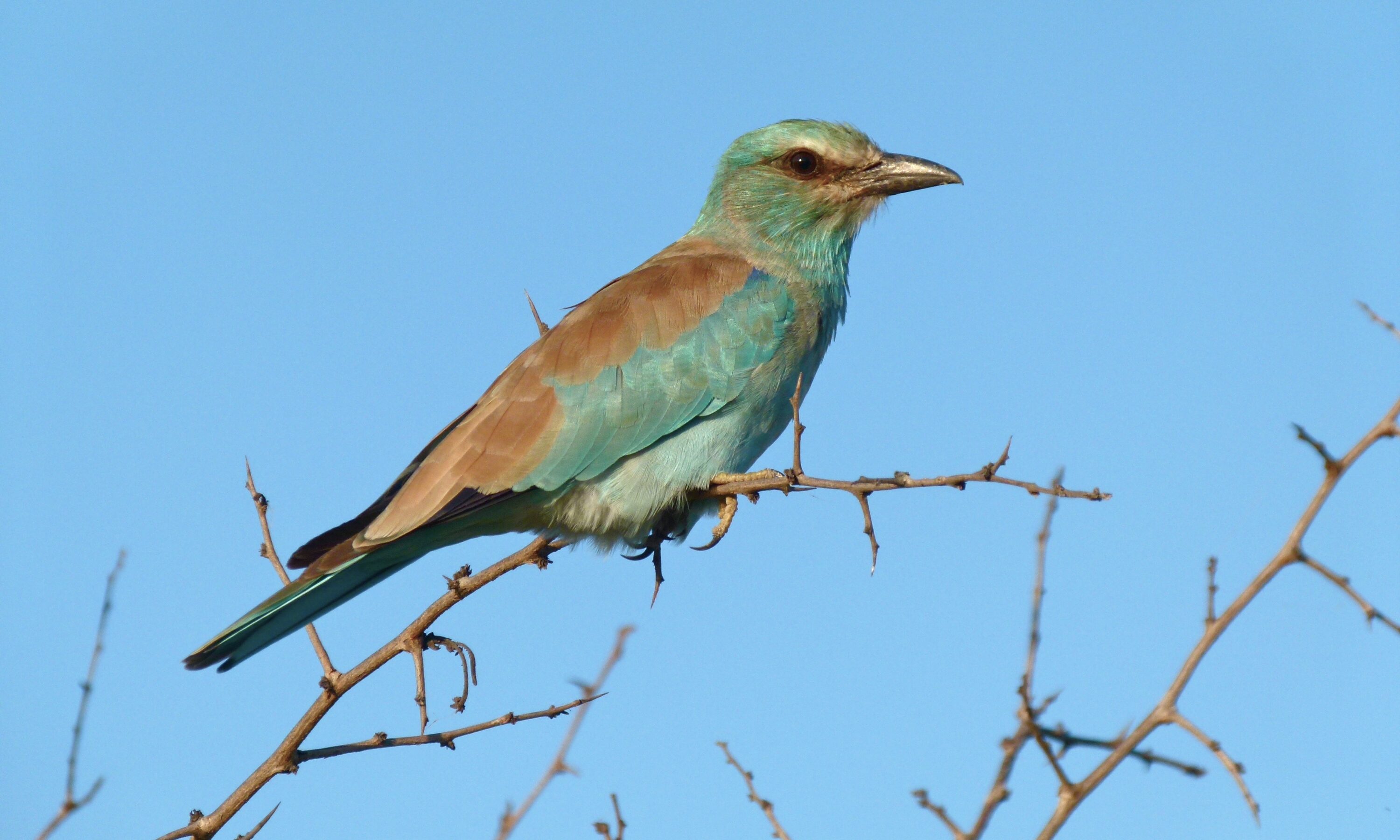
Portugal’s European Roller Breeding Population Grew 26% While Breeding Range Shrank 67%
More than two decades of monitoring found that Portugal’s European roller breeding population increased by about 26% since…
Read story →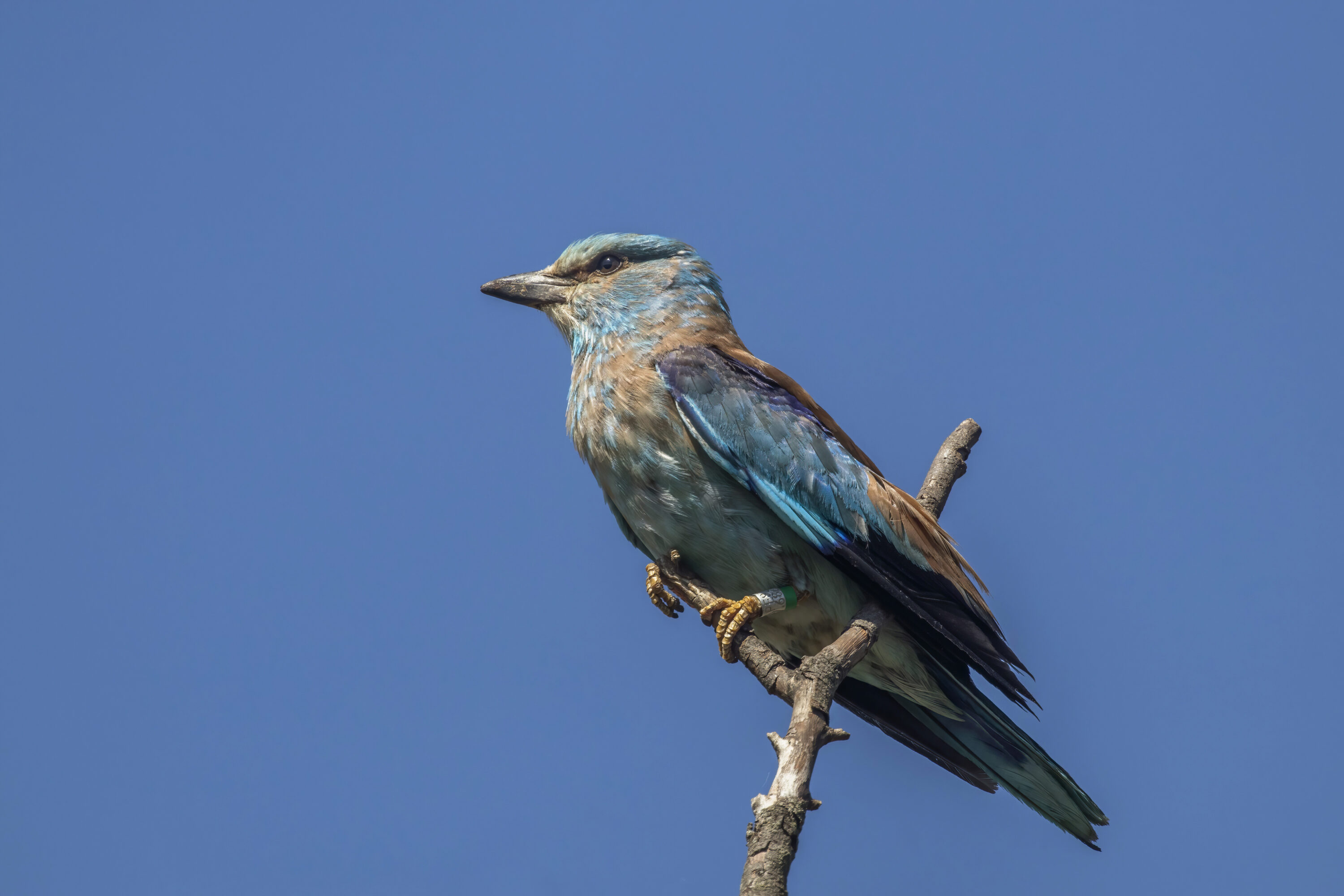
Complete 2024 Census Found Only 16 European Roller Pairs in the Jaén Study Area
A comprehensive 2024 census found 16 European roller pairs in 10 active territories in Jaén and adjacent Córdoba,…
Read story →
European Rollers disappeared as breeding birds from southeastern Poland after 2022
Long-term monitoring in southeastern Poland recorded 43 occupied European roller sites in 2009, but breeding disappeared after 2022…
Read story →SPECIES IN THIS STORY
Species in this story

Independent research and conservation news archive
Did you find this information useful?
Wildlife Vagabond is independently built and maintained. Voluntary support helps cover source verification, hosting and continued work on research and conservation news.
Support Wildlife VagabondThe news archive will remain freely available.