
Portugal’s European Roller Breeding Population Grew 26% While Breeding Range Shrank 67%
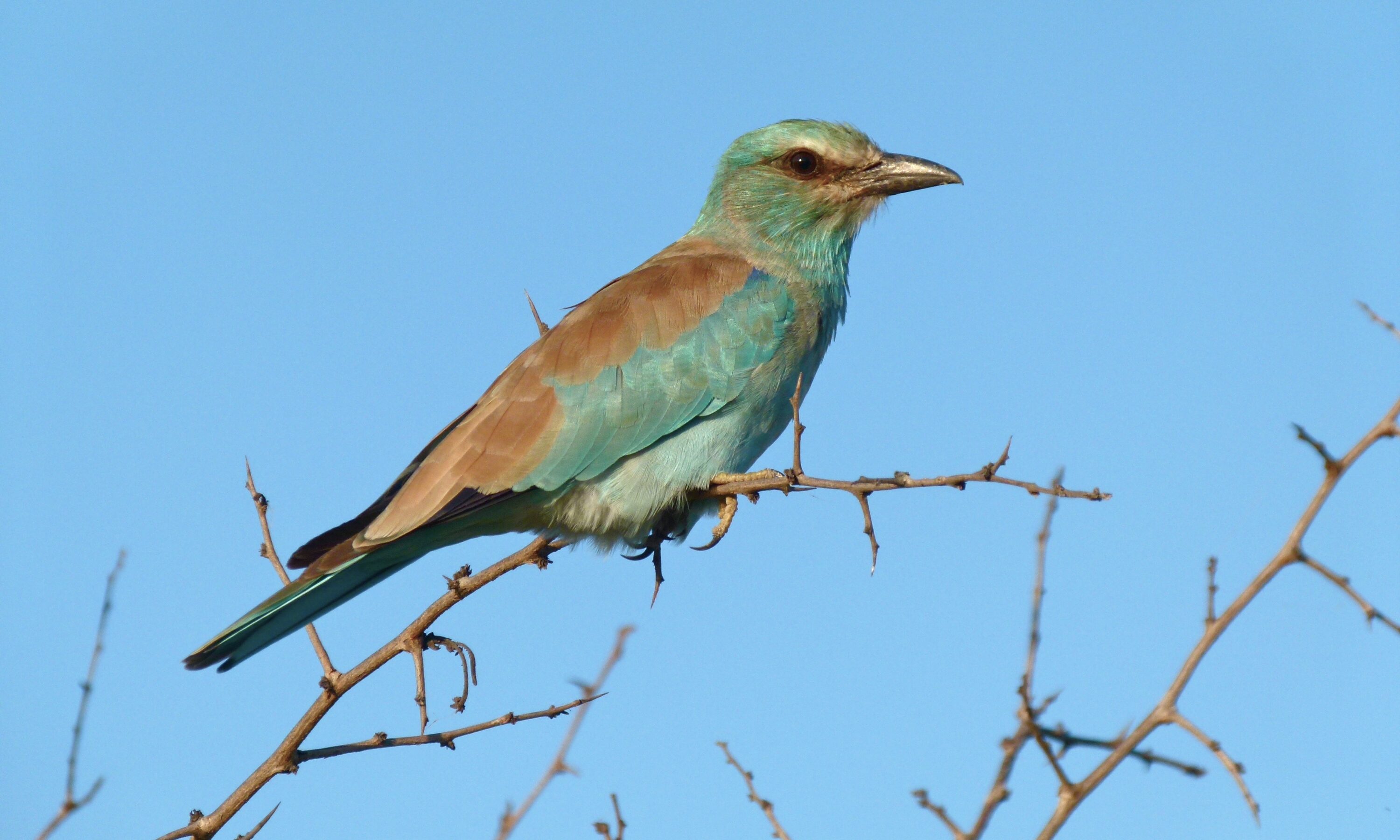
More than two decades of monitoring in Portugal show a striking contrast for the European roller (Coracias garrulus): the number of breeding pairs has increased while the area occupied by the species has contracted sharply. The 2026 study estimates that the national breeding population has grown by about 26% since 2009, but that the breeding range has shrunk by approximately 67% since the early 2000s.
The researchers combined several long-term datasets to assess the population. These included around 650 breeding attempts, capture and recapture data from more than 1,500 ringed rollers and national surveys of the species. The current Portuguese population is estimated at 72–82 breeding pairs.
About 96% of breeding pairs now occur in Castro Verde
The recovery in numbers has become increasingly concentrated in one part of the country. About 96% of Portugal’s breeding rollers now occur in the Castro Verde Special Protection Area in the Lower Alentejo. Outside Castro Verde, the study recorded only three pairs, in the São Vicente and Vila Fernando Special Protection Areas.
Artificial nest sites have become particularly important in this stronghold. According to the study, 81% of the pairs in Castro Verde now breed in artificial nests installed to compensate for the shortage of suitable natural cavities. The authors link the population increase in the area particularly to the continued provision of nesting sites and improved breeding productivity, within a wider programme of habitat management.
The same concentration also makes the recovery vulnerable. A population clustered in one region can be strongly affected by local changes in habitat or conservation management, and the researchers found that European rollers have a limited tendency to recolonise areas from which they have disappeared.
Limited dispersal may slow recolonisation elsewhere
Movement between breeding areas is generally short. Young rollers settled on average 9.7 km from where they hatched, while adults that changed breeding sites moved an average of 2.5 km. The authors argue that this limited dispersal helps explain why growth in Castro Verde has not resulted in a wider recovery across the former Portuguese range. Capture–recapture analyses also estimated annual survival at about 64% for adults and 22% for juveniles. Annual breeding-site fidelity was high at about 81%; males were more site-faithful than females, and birds were more likely to return to the same site after a successful breeding attempt.
Population growth has not removed national vulnerability
The researchers therefore describe the national trend as a conservation success with an important weakness. Sustained nest-site provision and habitat management have supported growth in the core population, but the species remains Critically Endangered in Portugal, geographically concentrated and strongly dependent on continued conservation measures.
They highlight two priorities for the next stage: maintaining the conditions that have allowed the Castro Verde population to grow, while improving the possibilities for rollers to establish again elsewhere. Long-term monitoring remains central to testing whether management is working and to adjusting conservation measures as conditions change.
Population & status
Related news
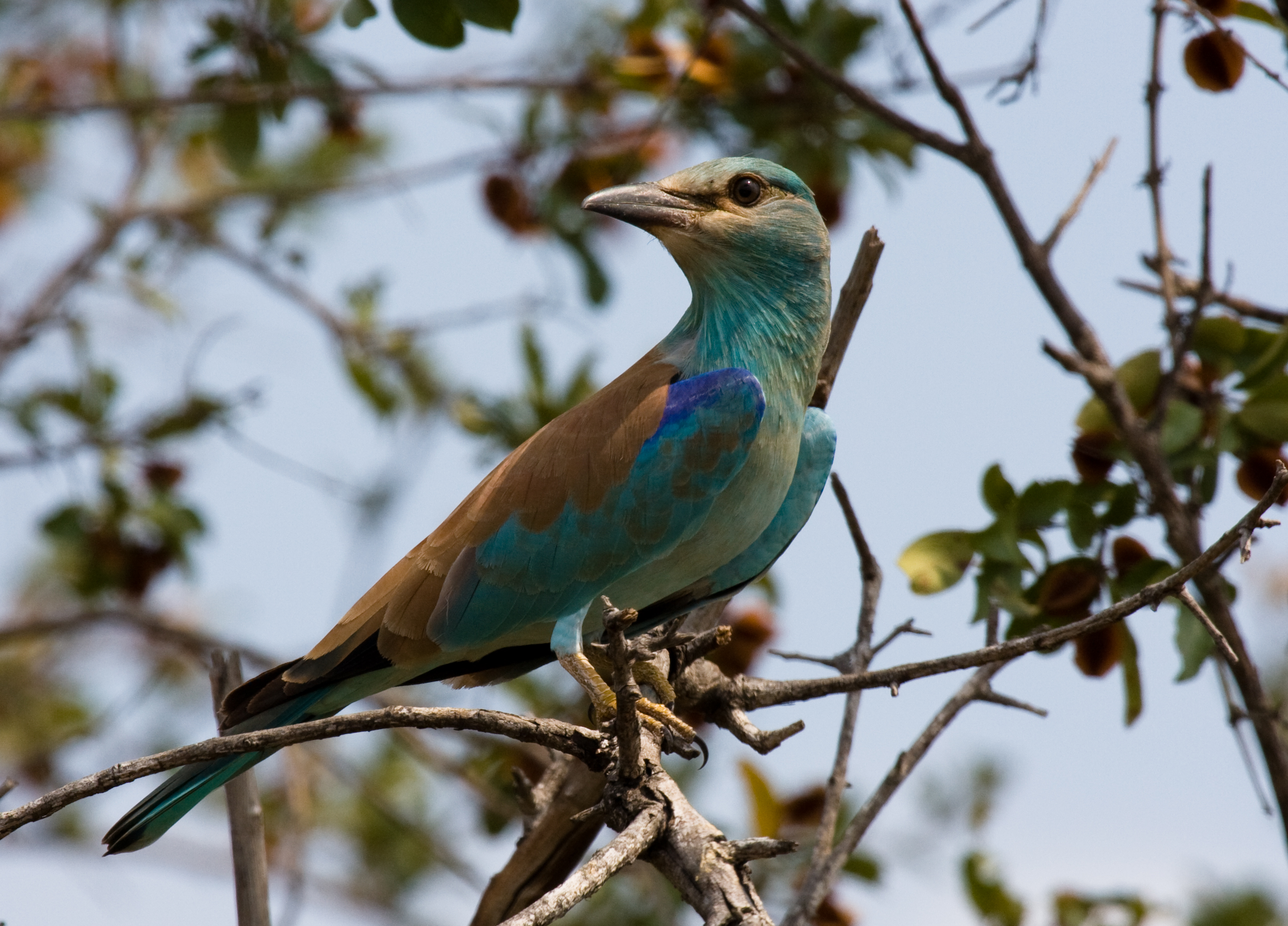
European Roller Chicks in Cropland Landscapes Differed in Specific Antioxidant and Immune Markers
In central Italy, cropland-raised European roller chicks had lower expression of nine genes and lower catalase activity, but…
Read story →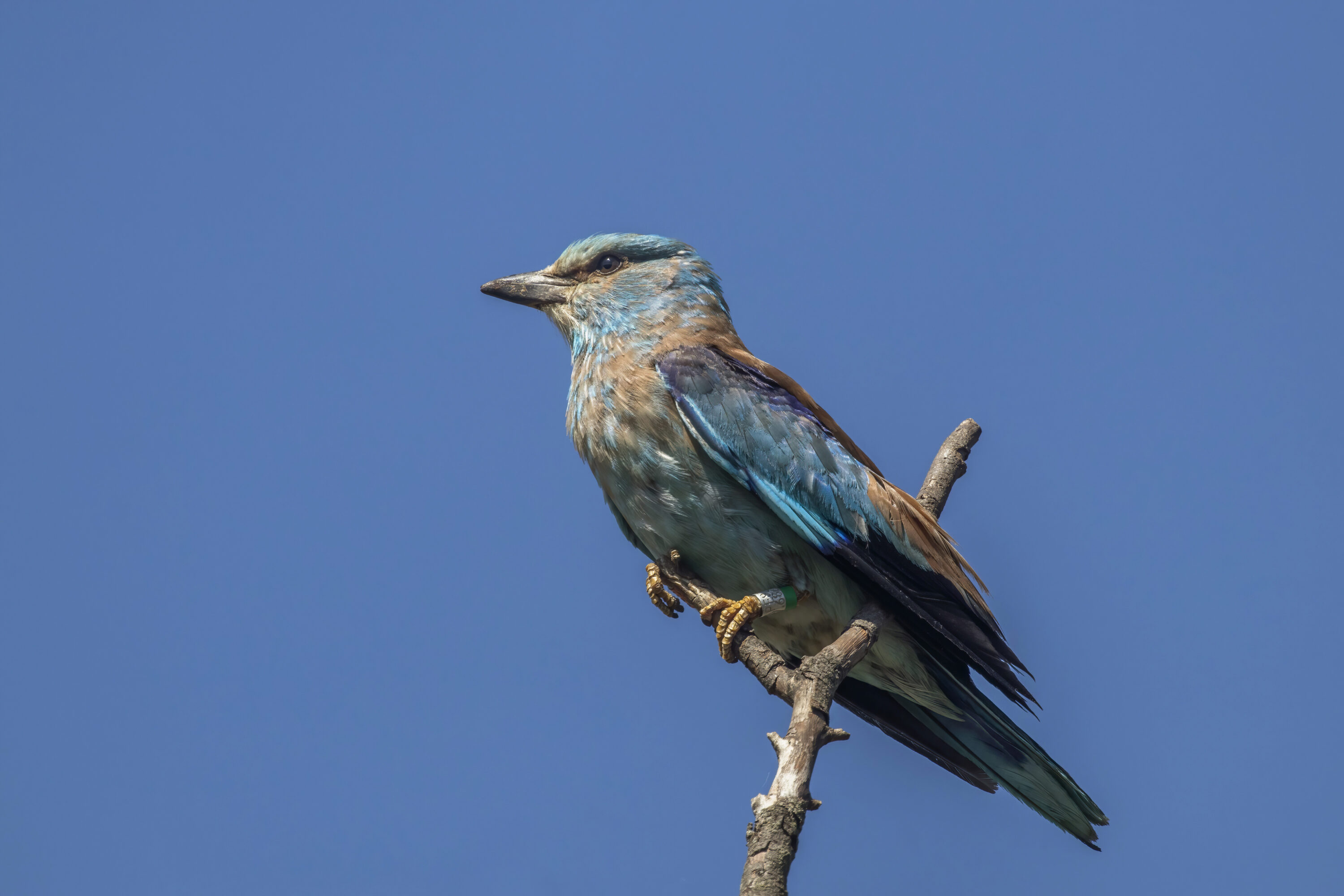
Complete 2024 Census Found Only 16 European Roller Pairs in the Jaén Study Area
A comprehensive 2024 census found 16 European roller pairs in 10 active territories in Jaén and adjacent Córdoba,…
Read story →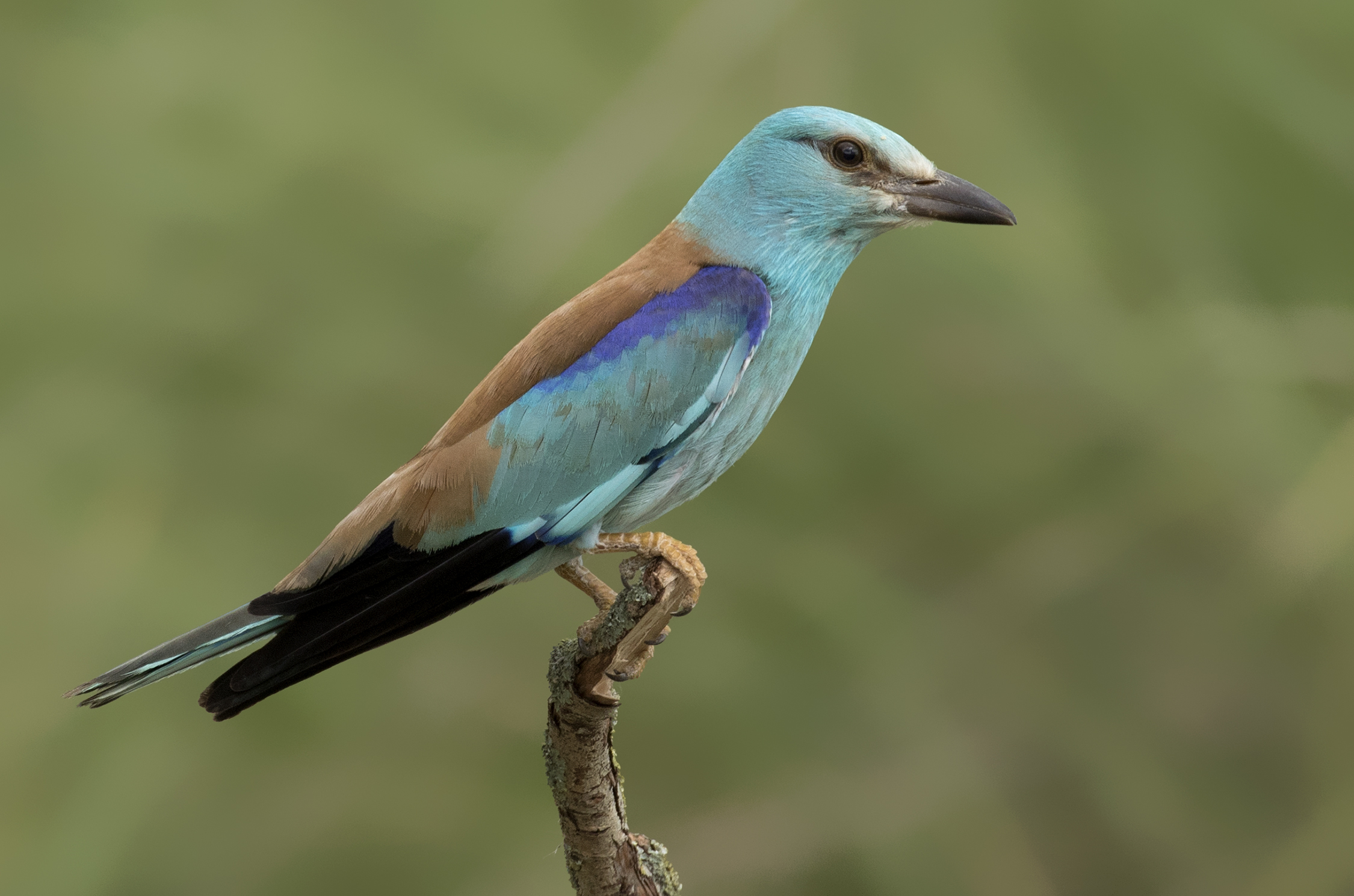
European Rollers disappeared as breeding birds from southeastern Poland after 2022
Long-term monitoring in southeastern Poland recorded 43 occupied European roller sites in 2009, but breeding disappeared after 2022…
Read story →SPECIES IN THIS STORY
Species in this story

Independent research and conservation news archive
Did you find this information useful?
Wildlife Vagabond is independently built and maintained. Voluntary support helps cover source verification, hosting and continued work on research and conservation news.
Support Wildlife VagabondThe news archive will remain freely available.