
Greater White-fronted Geese Used 58% Larger Home Ranges During Extreme Drought at Poyang Lake
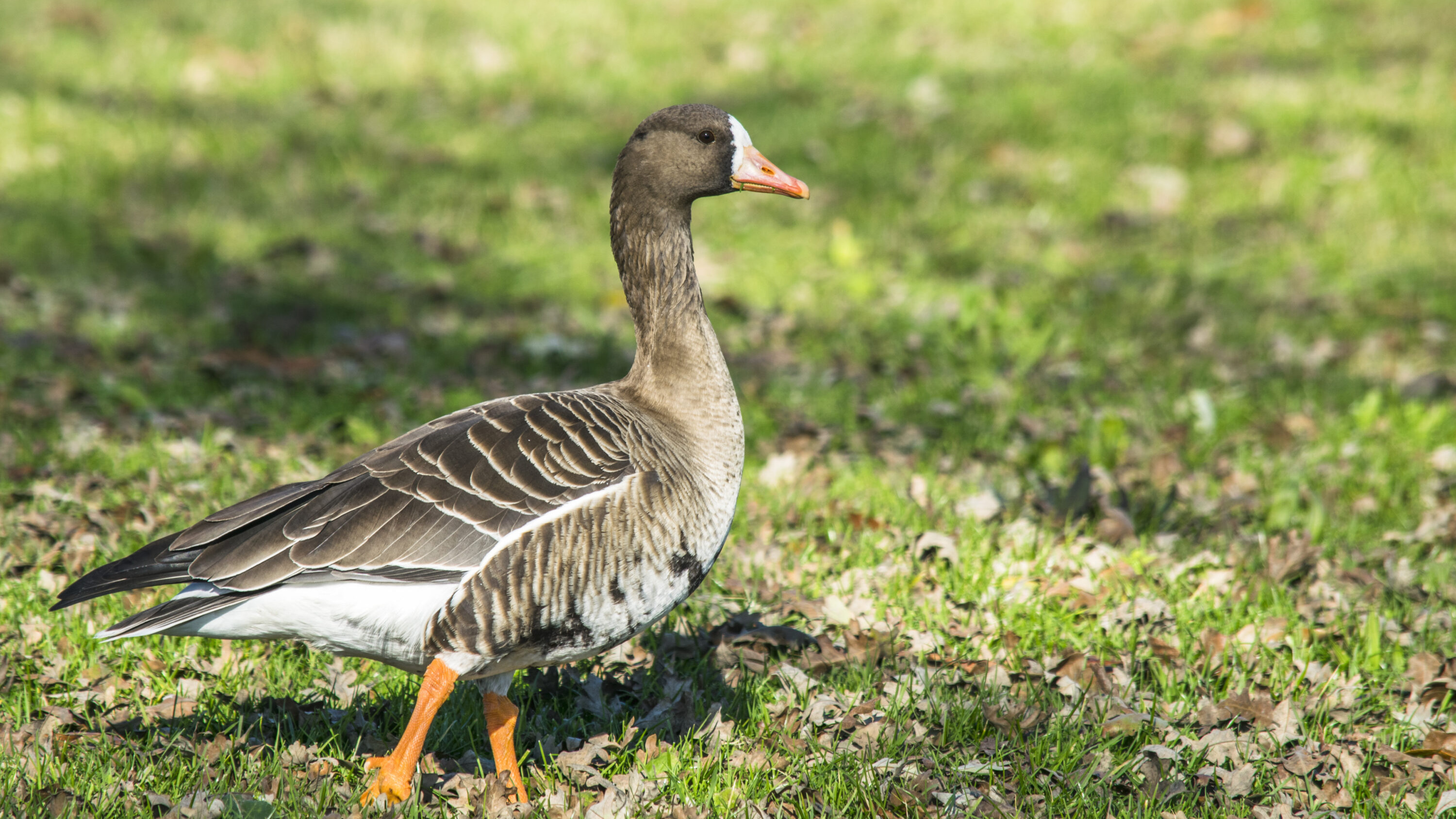
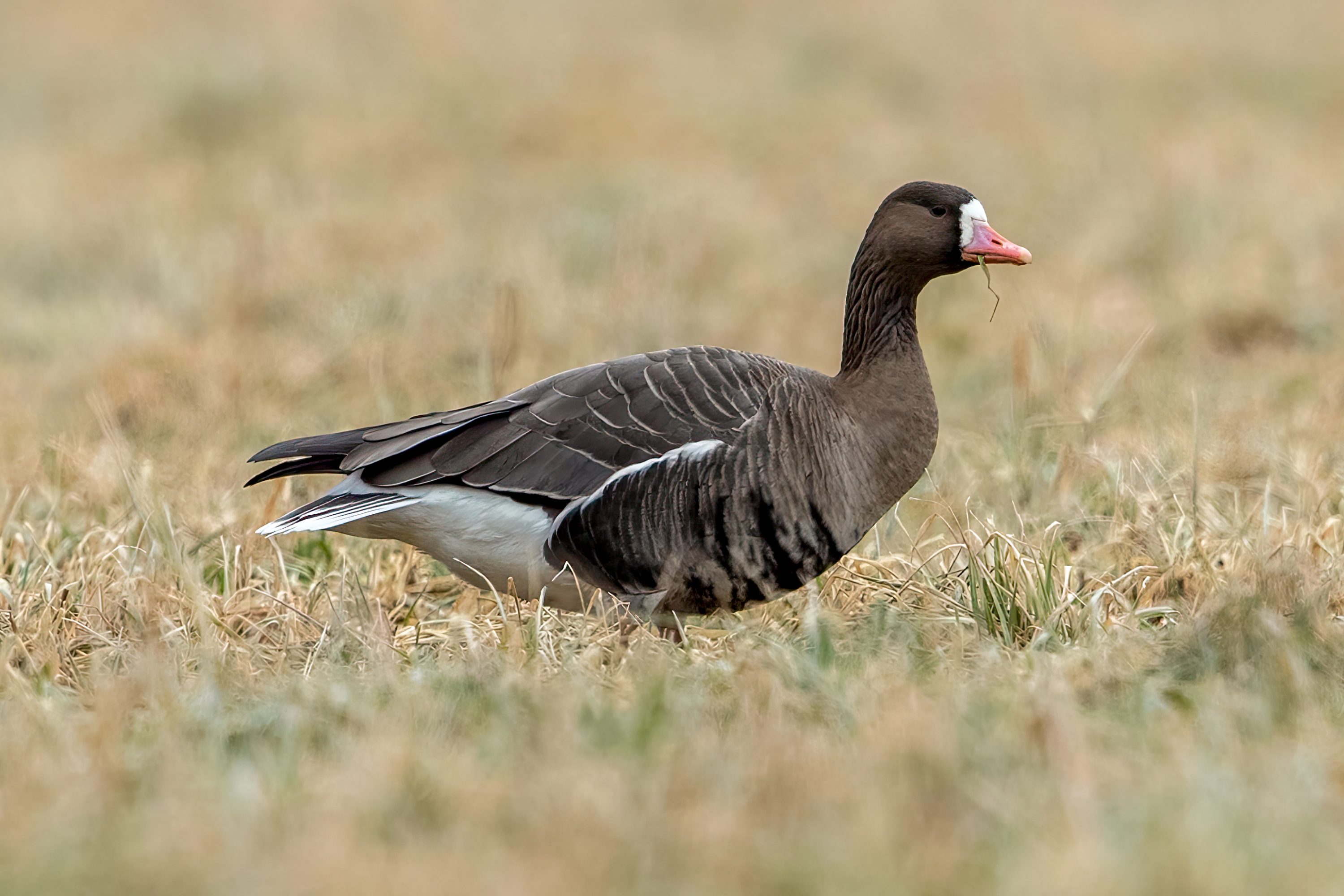
Extreme drought changed how wintering greater white-fronted geese (Anser albifrons) used Poyang Lake in China. Researchers compared the same eight GPS-tracked birds across two consecutive winters: 2021/22 with normal water conditions and 2022/23, when the lake reached its lowest water level since 1956.
During the drought winter, the geese used overall home ranges that were 58% larger than in the normal year. Their use of cropland and other non-wetland habitat increased more than 30-fold, while the proportion of time spent in wetlands declined. The size of the most intensively used core areas, however, did not change clearly.
Drought pushed the geese toward farmland
Rather than abandoning Poyang Lake, the geese spread their activity across a wider area and relied much more heavily on agricultural land. They also left the wintering grounds 13 days later in the drought year. Temperature and tailwinds around departure did not explain that delay.
The authors interpret the expanded home ranges and increased use of cropland as behavioural adjustments to the loss of wetland feeding habitat. They suggest that agricultural food may not have fully compensated for poorer wetland conditions, potentially delaying the accumulation of body reserves needed for migration. That energetic explanation was not measured directly, and whether the drought-related changes later affected survival or reproductive success remains unresolved.
Ecology
Related news
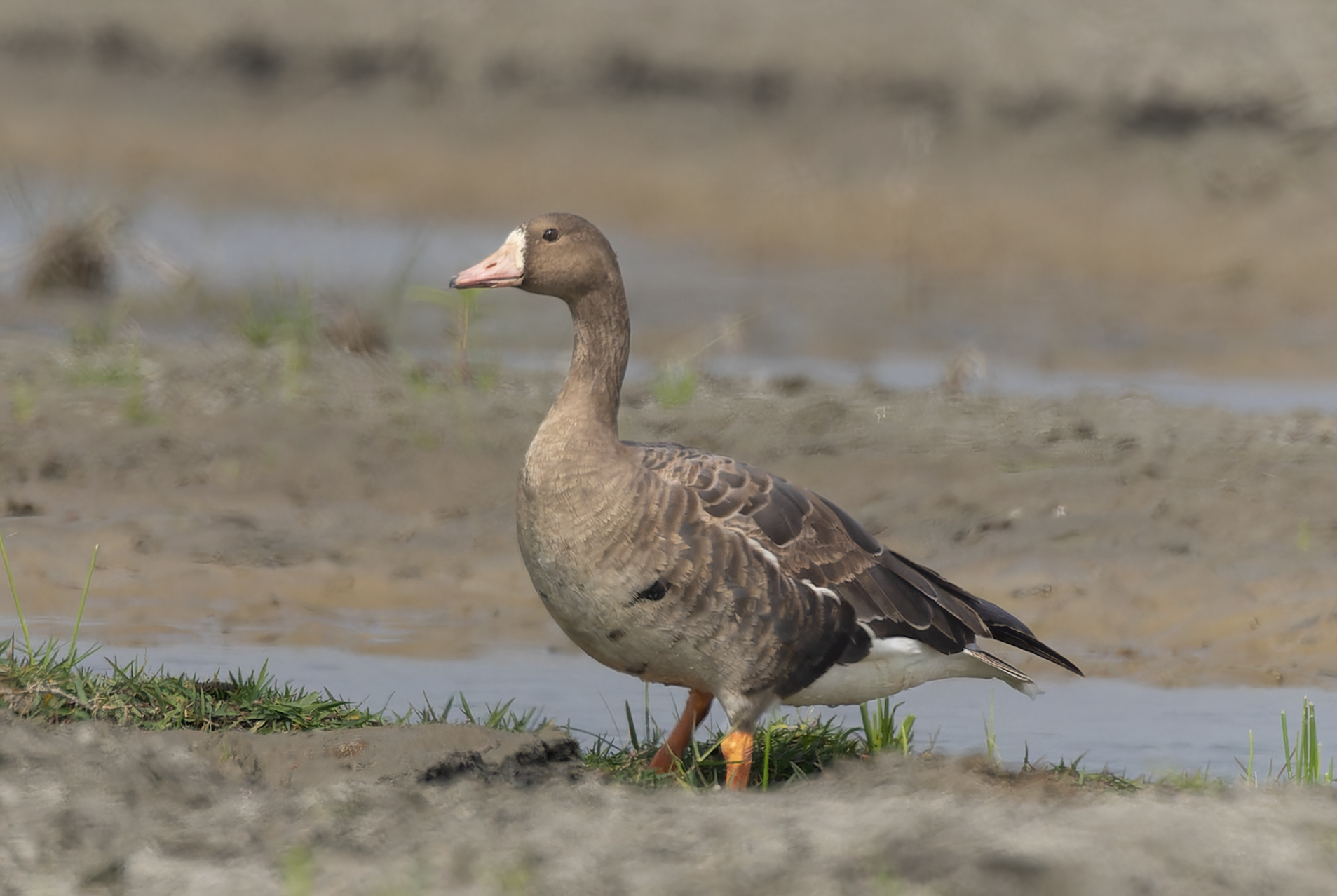
Future Environmental Change Could Reduce Greater White-fronted Goose Migration Network Integrity by 35–71%
Models of the East Asian spring migration system from the Yangtze Basin to the Russian Arctic projected more…
Read story →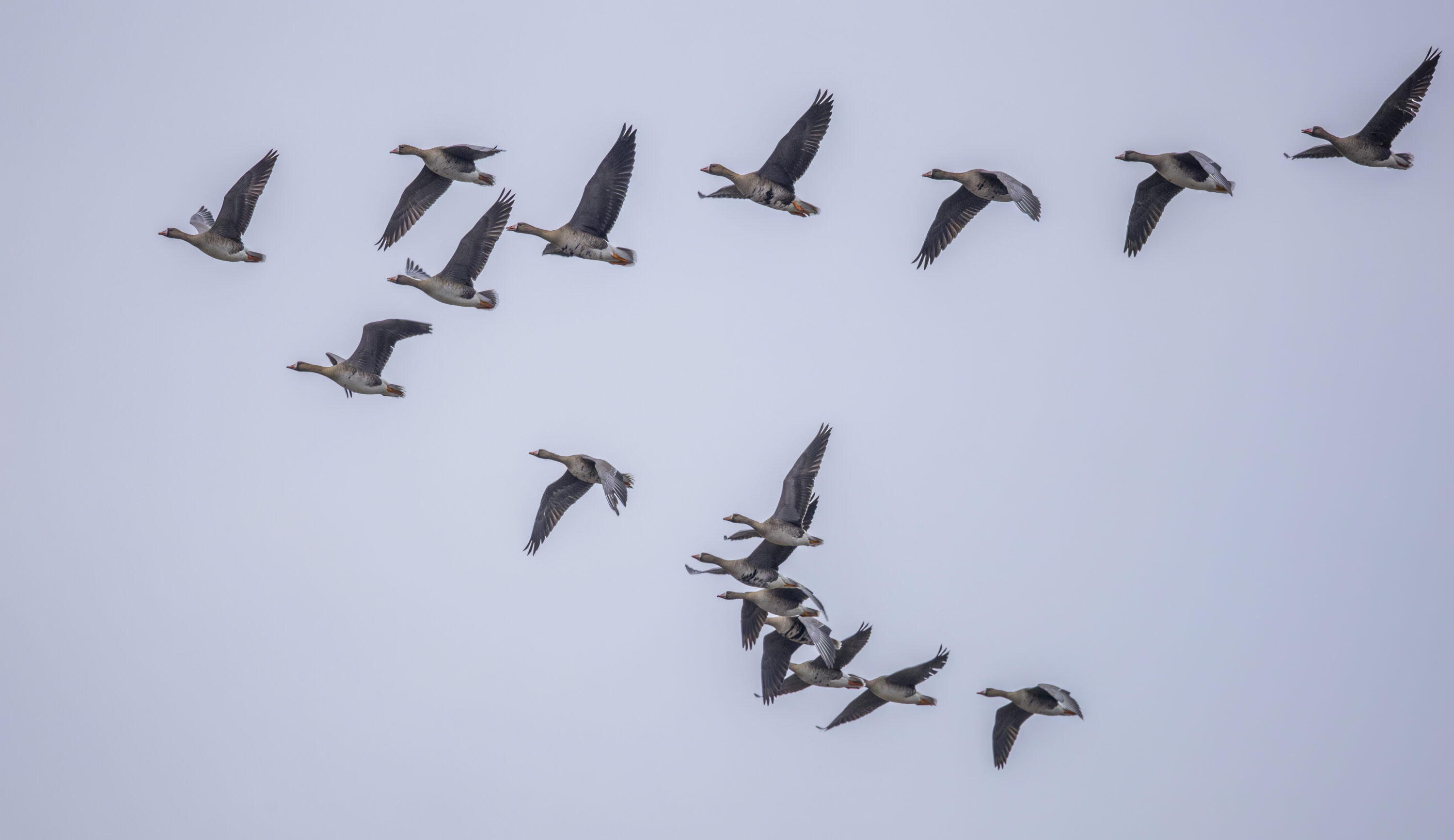
97% of Observed Goose Aggression in Northeast Poland Was Within Species
Field observations of four goose species in Poland recorded 662 aggressive episodes; 97% were within species, while seasonal…
Read story →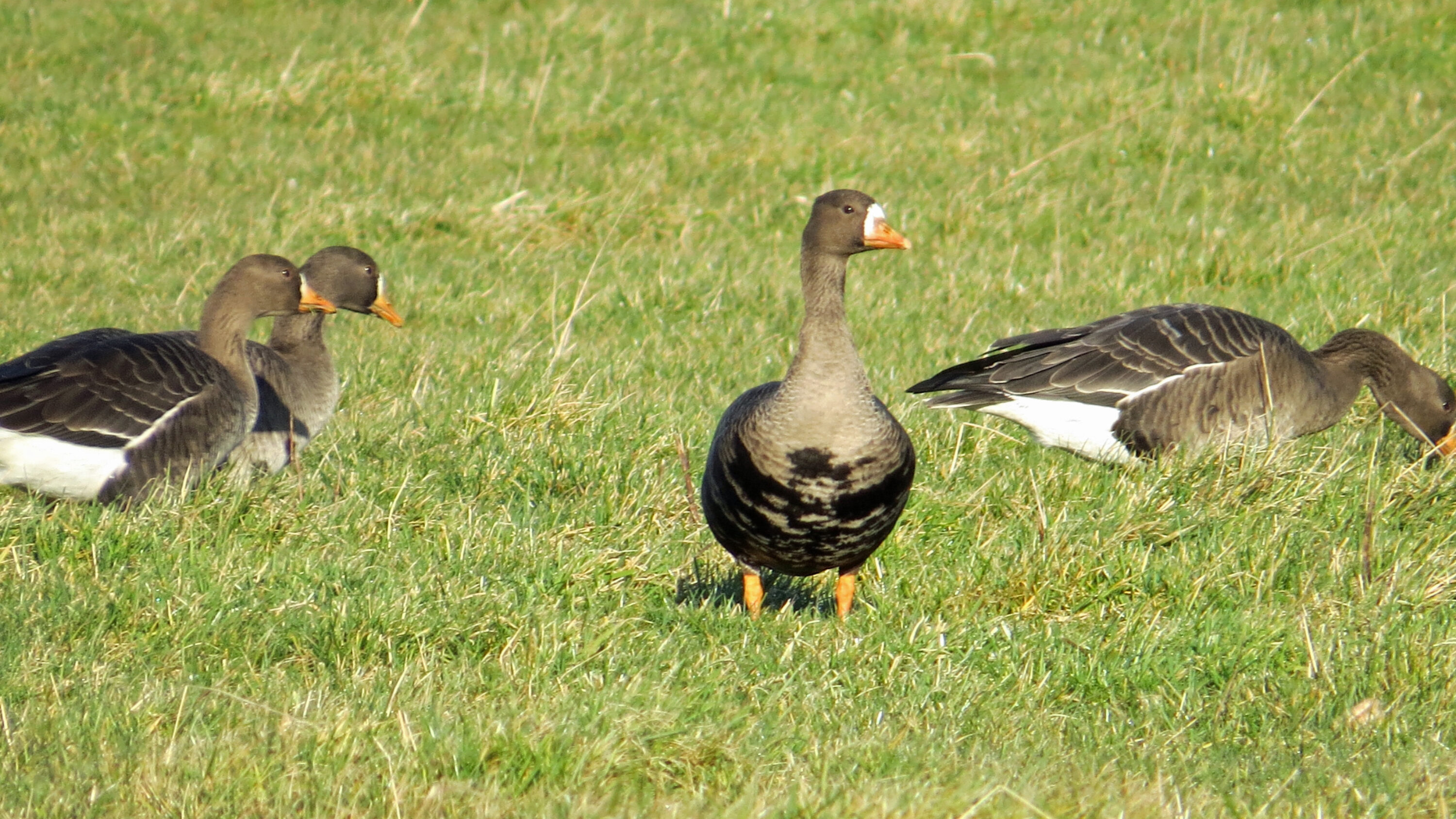
Low Breeding Output Helps Explain Greenland White-fronted Goose Decline
A study using 39 years of data linked the decline of Greenland white-fronted geese to low production of…
Read story →SPECIES IN THIS STORY
Species in this story
Independent research and conservation news archive
Did you find this information useful?
Wildlife Vagabond is independently built and maintained. Voluntary support helps cover source verification, hosting and continued work on research and conservation news.
Support Wildlife VagabondThe news archive will remain freely available.