Eyeworm Was Detected in 9.7% of Golden Jackals and 12.2% of Red Foxes in Hungary
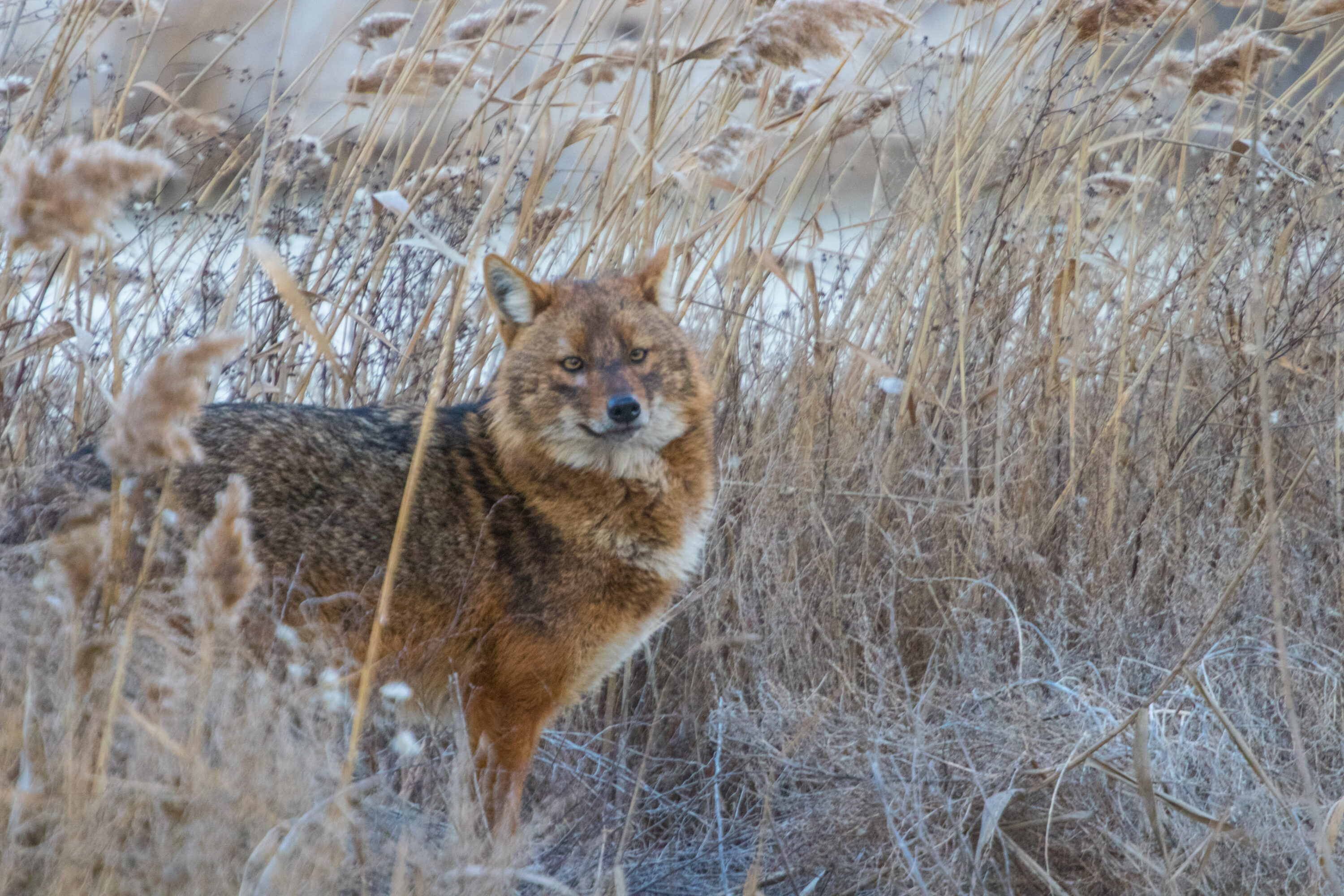
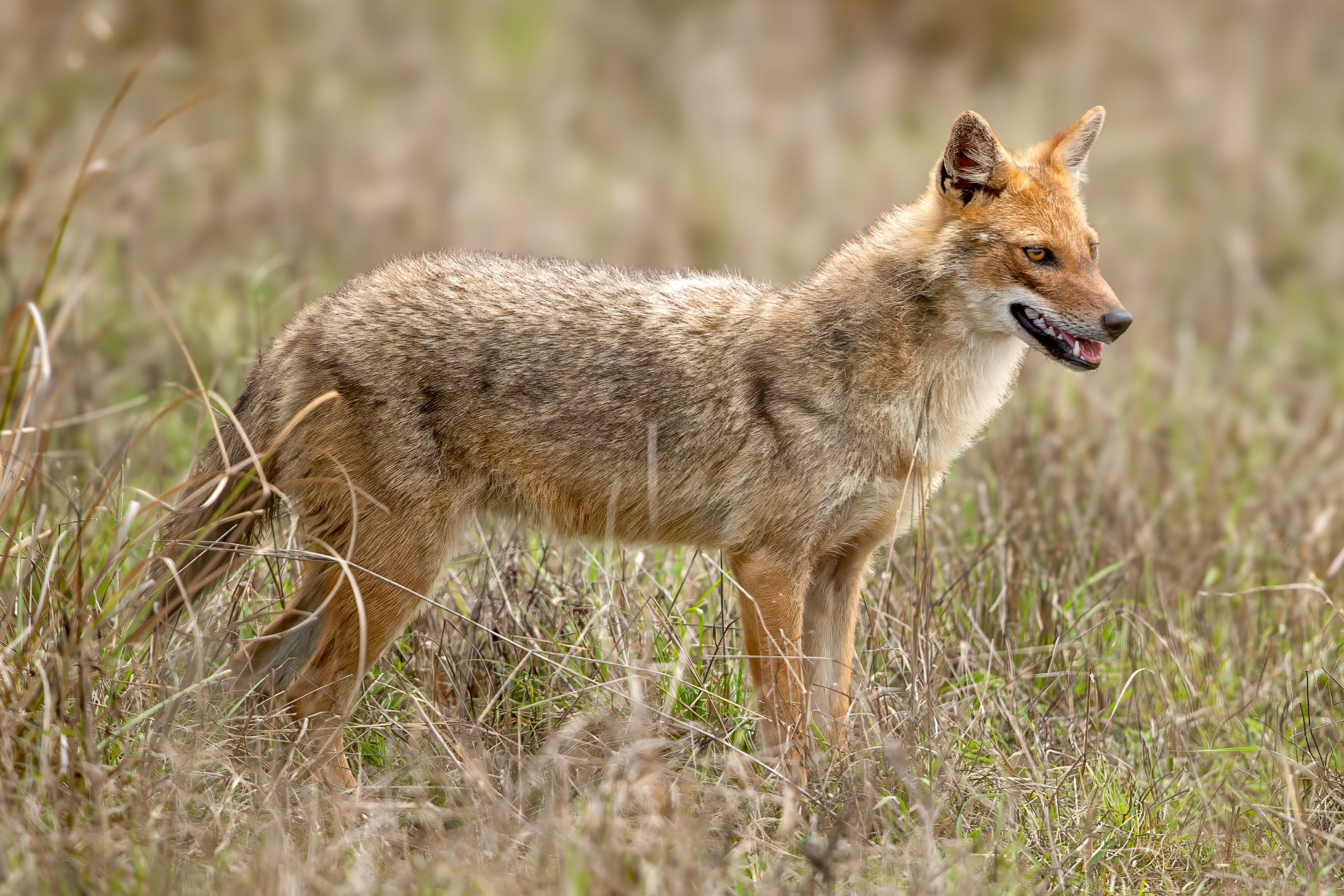
The oriental eyeworm Thelazia callipaeda was detected in both golden jackals (Canis aureus) and red foxes (Vulpes vulpes) in a wildlife survey from southwestern Hungary, according to a study published online on 21 January 2026. The researchers examined wild carnivores to assess which species may help maintain the parasite in the Carpathian Basin.
The study included 180 red foxes, 62 golden jackals, 119 European badgers (Meles meles) and 10 stone martens (Martes foina) collected through authorised wildlife management between November 2024 and July 2025. Researchers examined the eyes of the carcasses for adult eyeworms. Infection therefore meant that worms were physically detected in the ocular examination; the study did not measure the severity of clinical eye disease in living animals.
Infection was found in both canid species
Eyeworms were detected in 9.7% of golden jackals and 12.2% of red foxes. The mean number of worms among infected animals was 3.0 in jackals and 2.6 in foxes. Neither prevalence nor mean infection intensity differed significantly between the two canids.
No infected badgers or stone martens were found. This strengthened the evidence for a reservoir role of wild canids in the study region, but it did not show that mustelids cannot participate in the cycle. The authors note that both groups are susceptible hosts and that a larger mustelid sample could still detect infection.
Moist beech forest was associated with infection
Spatial models suggested that moist beech forest was positively associated with the occurrence of T. callipaeda in wild carnivores. The parasite is transmitted by tear-feeding fruit flies, and the authors interpret the habitat relationship as consistent with a role for humid conditions in supporting transmission.
They also note that the models had only modest discriminatory ability. The association with beech forest should therefore be viewed as evidence of a possible environmental influence rather than as a precise predictor of infection.
Thelazia callipaeda can infect domestic animals and humans as well as wildlife. The study shows that expanding golden jackal populations, together with red foxes, can participate in the parasite’s wildlife cycle in Central Europe.
The authors conclude that surveillance of wild canids can help track the continuing spread of the eyeworm in the Carpathian Basin and clarify how environmental conditions influence transmission.
Disease, parasites & microbiology
Related news
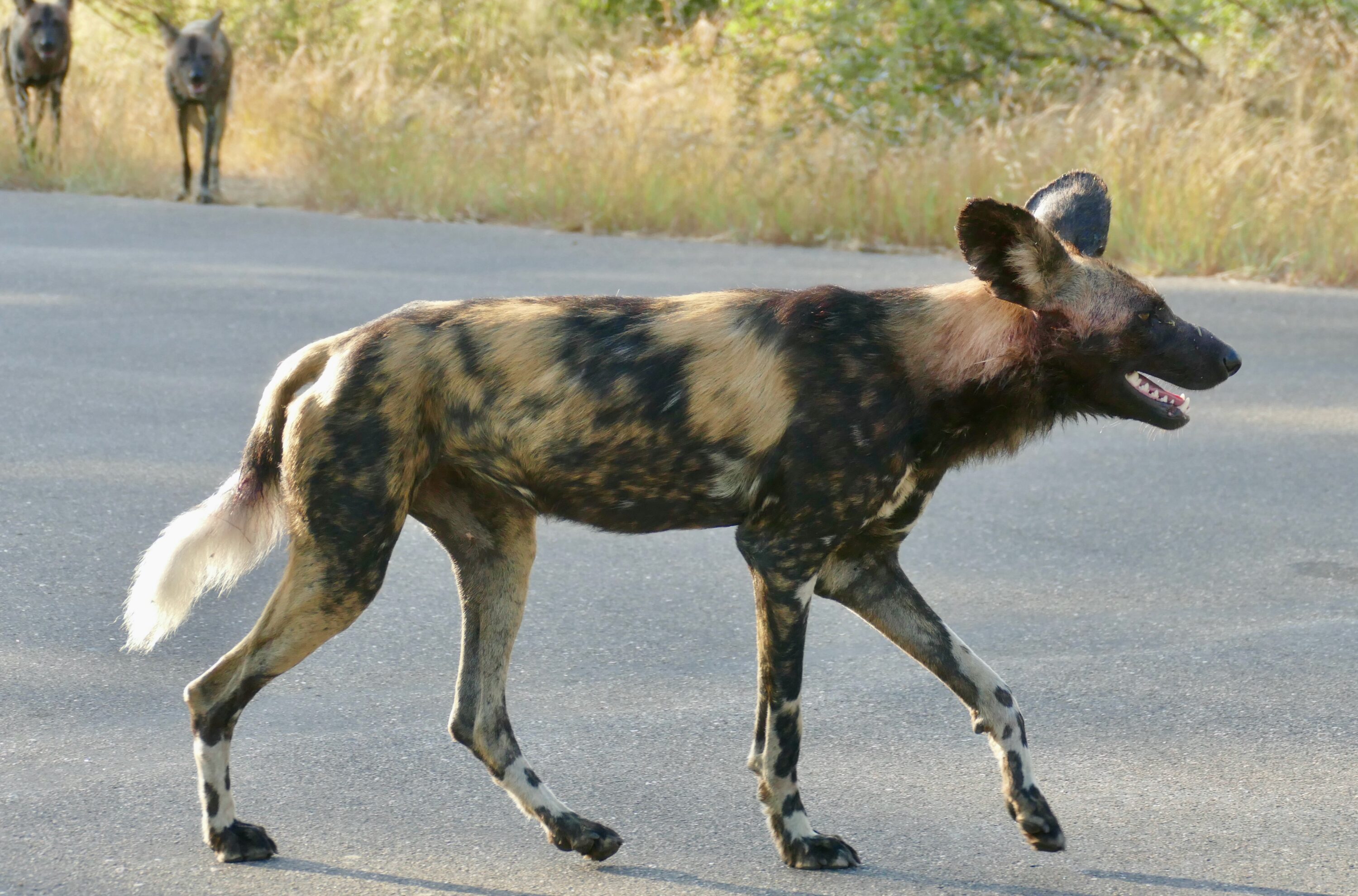
Gut Microbiomes Across Nine Kruger Mammals Clustered More Strongly by Dietary Group Than Species
A study of 89 quality-filtered faecal samples from nine wild mammals in Kruger National Park found that carnivores,…
Read story →
Nearly Three-quarters of Migrating Redwings Carried Ticks During Two Mild Belgian Autumns
Ticks were found on 72.9% of 284 redwings sampled during late-autumn migration in Belgium; 12.9% of 698 screened…
Read story →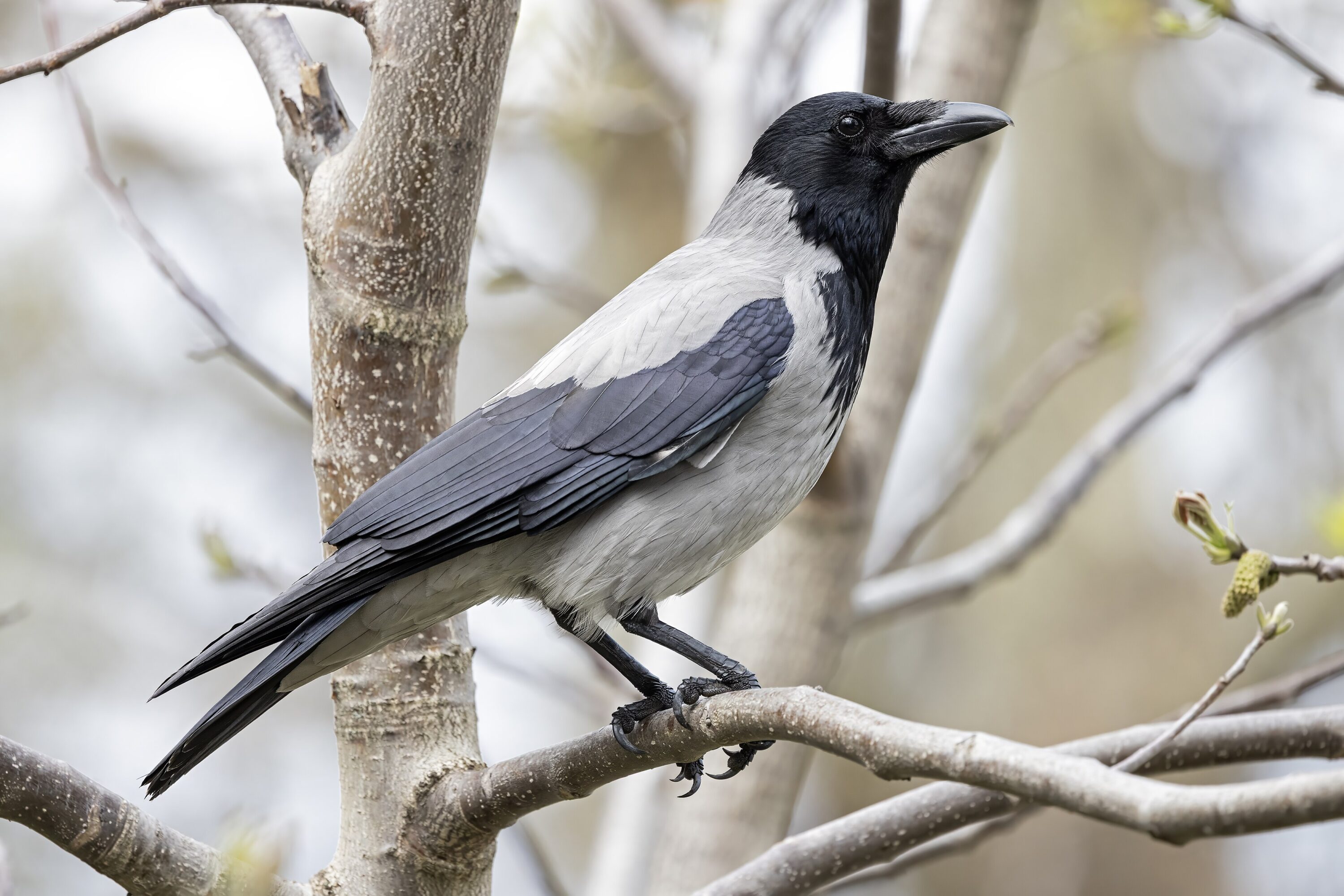
Hooded Crows Were Linked to 87 Reported West Nile Virus Bird Outbreaks in Europe
The September ECDC–EFSA report linked hooded crows to 87 reported West Nile virus bird outbreaks, Eurasian magpies to…
Read story →SPECIES IN THIS STORY