
Fatality Reported Following Gila Monster Envenomation in Colorado
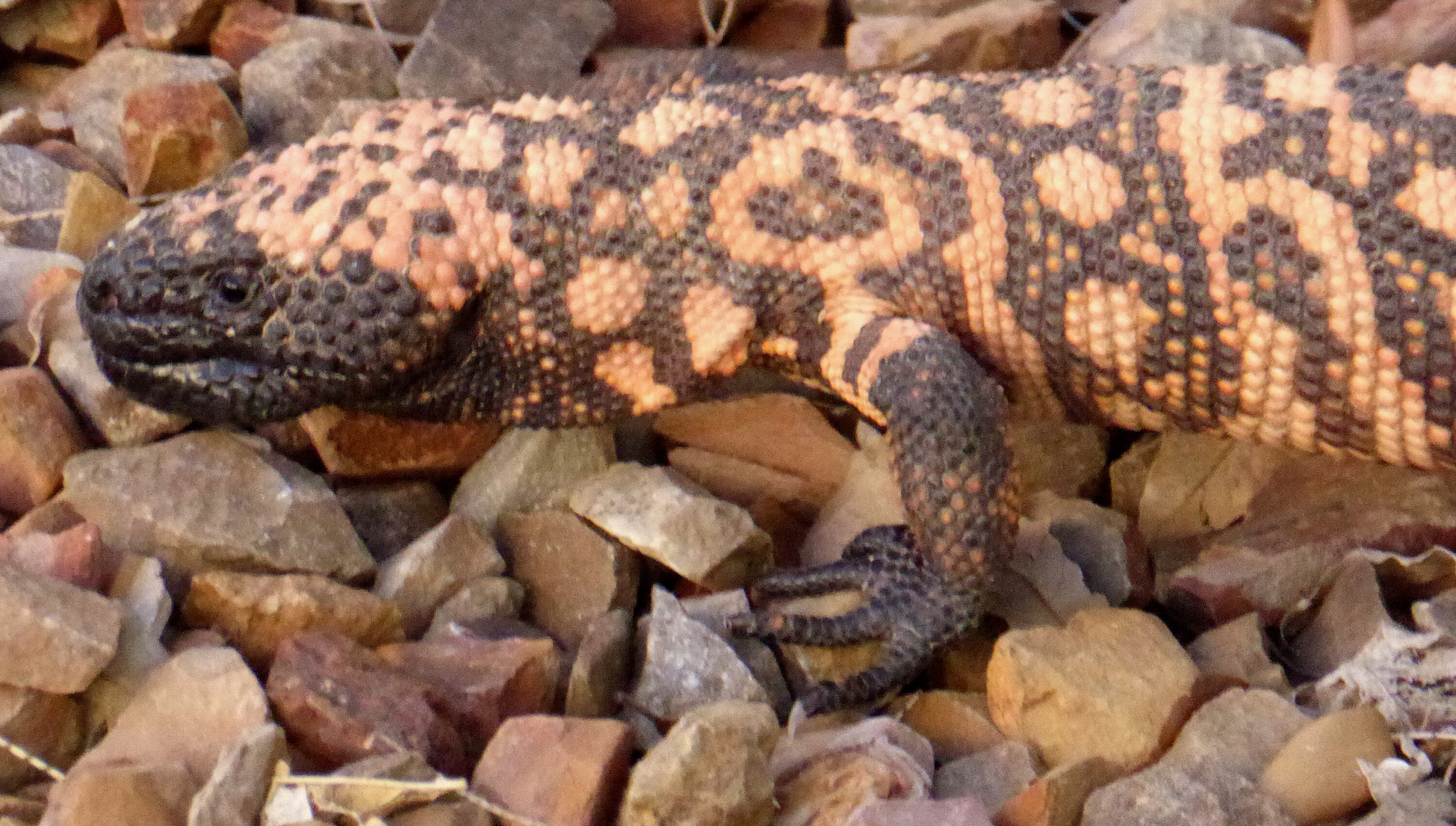
A fatal outcome after a bite by a Gila monster (Heloderma suspectum) was described in Wilderness & Environmental Medicine on 8 May 2026. The authors conclude that the patient’s death most likely resulted from a cascade of events that began with the envenomation, but they could not identify one single mechanism as the exact cause of death.
The case involved a 34-year-old man in Colorado, USA who was bitten on the hand by one of his two pet Gila monsters. The lizard remained attached for about four to five minutes. Within minutes, the man developed vomiting and decreasing responsiveness, and emergency services were called 13 minutes after the bite.
Rapid effects involved several organ systems
By the time emergency personnel arrived, the patient had a rapid heart rate, low blood pressure and markedly reduced responsiveness. During the first hours in hospital he developed convulsions, circulatory instability, metabolic disturbances, acute kidney injury and a strong rise in cardiac troponin, a marker released when heart muscle is injured. An electrocardiogram showed changes consistent with an acute heart attack, although later cardiac catheterisation found normal coronary arteries.
His condition subsequently deteriorated again, with severe disturbances in blood coagulation and, later, extensive oxygen-related and vascular injury to the brain. He died after life-sustaining treatment was withdrawn about 83 hours after the bite.
The lizard produced an unusually large quantity of venom
After the event, the Gila monster involved in the bite was obtained for venom analysis. When researchers extracted venom for about four minutes — roughly matching the reported duration of the bite — it produced 55 mg of dry venom protein. Other Gila monsters tested under similar conditions produced about 5–10 mg. The authors therefore suggest that a comparatively large venom dose may have contributed to the severity of the reaction.
The venom itself did not show a unique composition compared with venom from other Gila monsters. The importance may therefore have been the amount delivered and the patient’s response rather than an unusual toxin profile.
Several venom pathways could have contributed
Gila monster venom contains enzymes with kallikrein-like activity. These enzymes can promote formation of bradykinin, a signalling molecule that widens blood vessels and makes vessel walls more permeable. In sufficient amounts, that pathway can contribute to low blood pressure, tissue swelling, pain and narrowing of the airways. Other venom components can interfere with fibrinogen and the final stages of blood-clot formation.
The patient developed a marked coagulopathy — a disruption of normal blood clotting — soon after envenomation. Because the abnormalities appeared rapidly after the bite, the authors consider a direct venom effect a likely contributor, although coagulation effects of Heloderma venom remain poorly understood.
They also discuss Kounis syndrome as a possible part of the cardiac event. Kounis syndrome is an acute coronary reaction triggered by an allergic or anaphylactic process. It can produce heart-attack-like changes even when the coronary arteries are not blocked, which matches part of this patient’s presentation. The authors do not consider it sufficient on its own to explain the entire course.
A further possibility was biphasic anaphylaxis, in which severe allergic symptoms return after an initial improvement without a new exposure. The patient’s later recurrence of very low blood pressure was treated as possible recurrent anaphylaxis, but the available evidence could not establish this mechanism with certainty.
The case does not identify one definitive cause
The authors therefore describe the death as an exceptionally rare fatality associated with Gila monster envenomation rather than as a simple, single-toxin effect. Direct venom action, disturbed coagulation, an allergic coronary reaction and recurrent anaphylaxis may all have contributed to the sequence that ultimately produced severe brain injury.
Older reports of supposedly fatal Heloderma bites have generally been poorly documented or inconclusive. This case adds detailed clinical, postmortem and venom analyses, but it remains a single case and does not show that similarly severe outcomes are typical of Gila monster bites. Most reported envenomations are dominated by pain and local effects and have non-fatal outcomes.
Other research
Related news
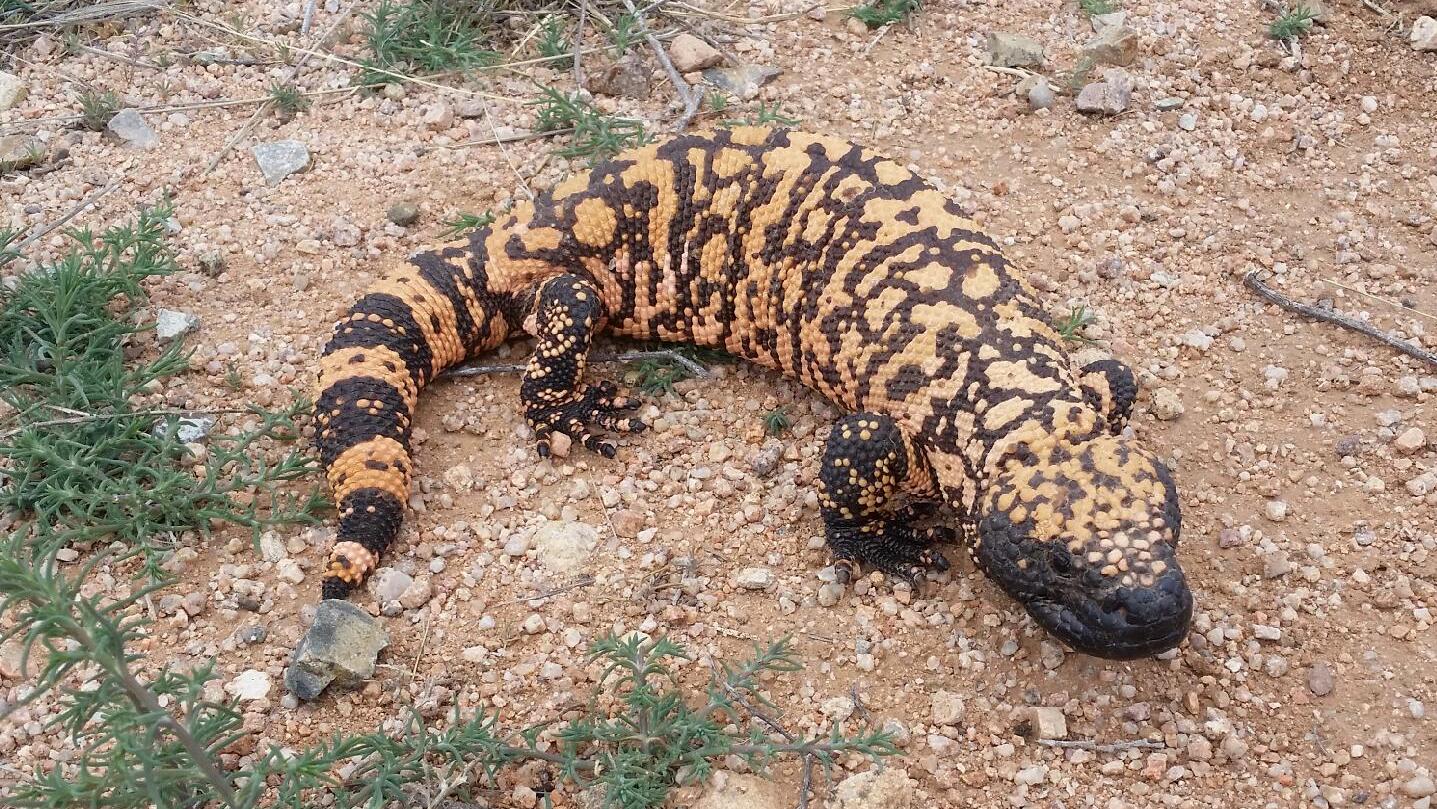
Gila Monsters Were Larger Toward the North of Their Range
Measurements from 674 adult Gila monsters across the species' range showed larger body size toward the north. Size…
Read story →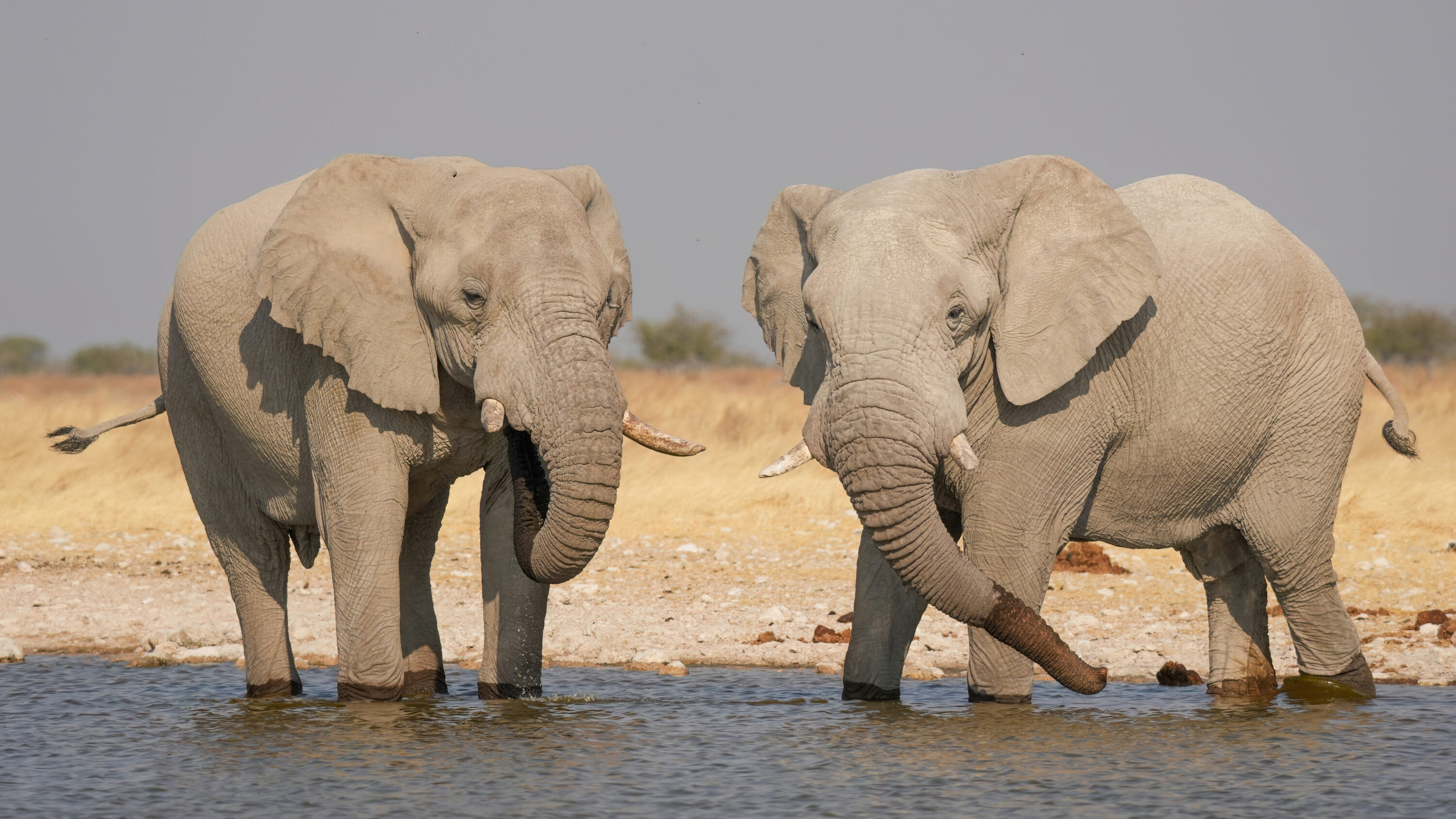
Three Ways of Analysing Elephant Calls Gave Different Results
Recordings from a semi-free herd in South Africa show how the method used to classify call timing can…
Read story →
Aging rhesus macaques show broader protein changes in blood than in brain fluid
A study of 66 rhesus macaques found age-related differences in many more measured proteins in plasma than in…
Read story →SPECIES IN THIS STORY
Species in this story
Independent research and conservation news archive
Did you find this information useful?
Wildlife Vagabond is independently built and maintained. Voluntary support helps cover source verification, hosting and continued work on research and conservation news.
Support Wildlife VagabondThe news archive will remain freely available.