
Gila Monsters Were Larger Toward the North of Their Range
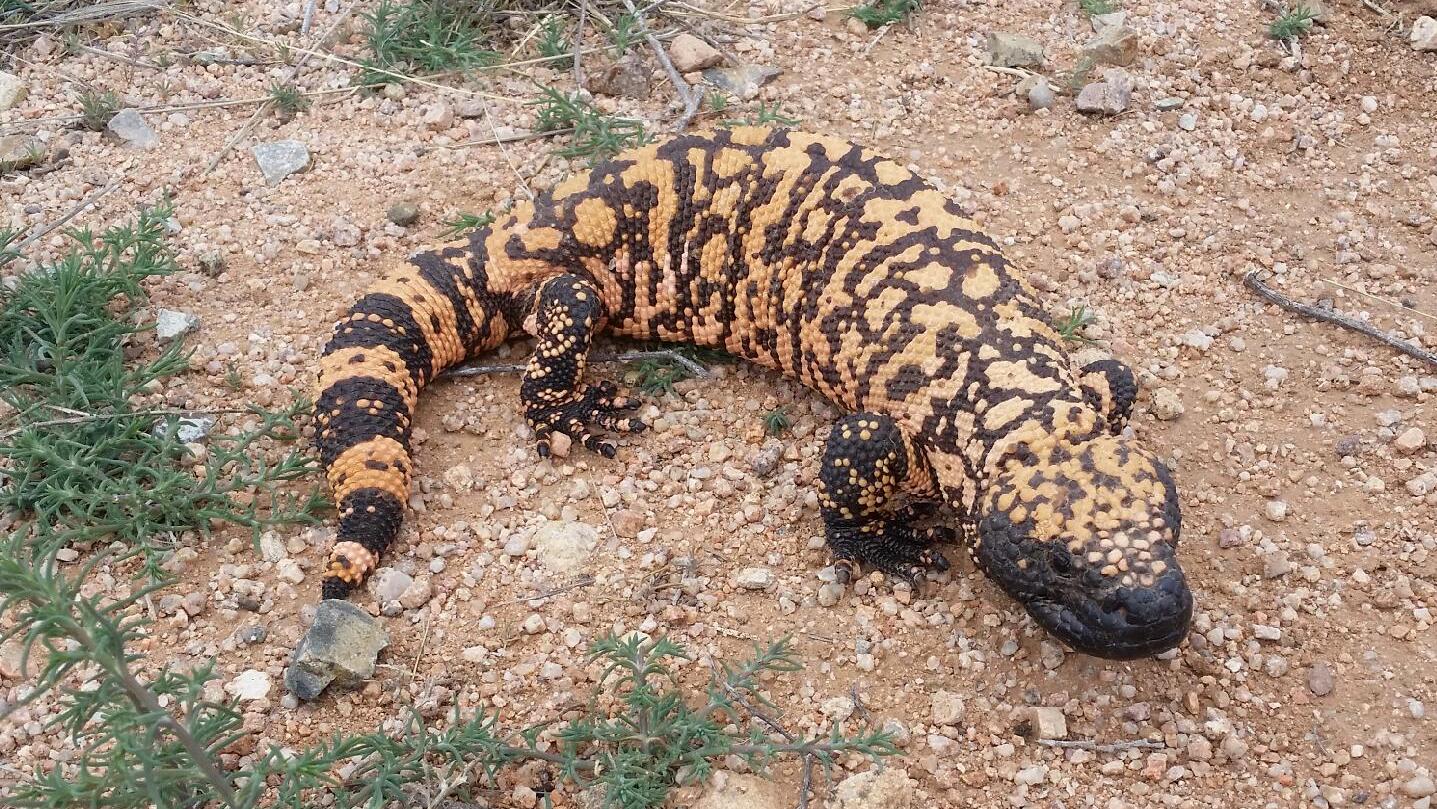
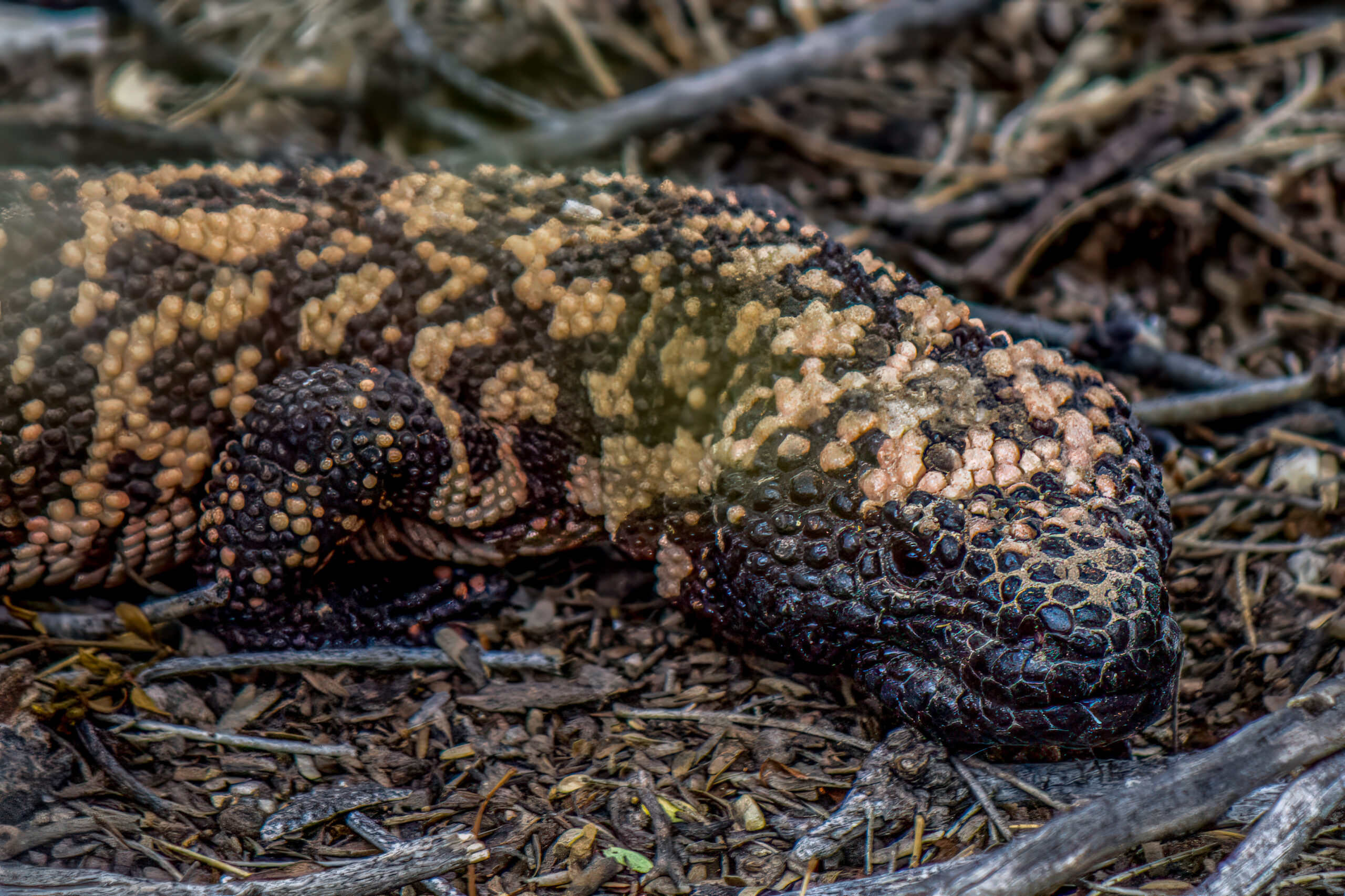
Adult Gila monsters (Heloderma suspectum) were larger toward the northern part of the species’ range. Researchers compared body size across the deserts and thornscrub of the southwestern United States and northwestern Mexico to ask whether the pattern was better explained by temperature, the total amount of resources available, or how resources vary through time.
The dataset included snout–vent length from 674 adults at more than 200 localities. Snout–vent length was used instead of body mass because mass can change substantially with feeding, reproductive condition and water balance.
Resource Variability and Temperature Tracked Body Size
Body size increased with latitude. Gila monsters were also larger where precipitation varied more from year to year, where resource availability was more strongly seasonal within the year, and where average annual air temperatures were lower. By contrast, total annual measures of food and water availability did not explain the geographic pattern as well.
A Larger Body May Store More Energy
The authors interpret the resource pattern in light of the Gila monster’s feeding ecology. The lizards can consume large meals, store substantial energy reserves in the body and tail, and spend long periods inactive in underground shelters. A larger body provides more absolute capacity for energy storage, which the researchers suggest could be advantageous where food arrives in seasonal pulses or productive years alternate with poor ones.
Temperature contributed independently to the pattern. Larger animals occurred in cooler average conditions, while the amount of time that thermal models predicted would be available for surface activity did not explain body size. The authors note that this is consistent with the temperature–size rule seen in other ectotherms, in which warmer conditions are associated with smaller adult size.
Overall, the study found stronger support for the timing and consistency of resources than for the idea that Gila monster body size simply tracks how much food or water is available over a year. The geographic pattern appears to reflect a combination of resource variability, seasonality and temperature rather than a single environmental gradient.
Ecology
Related news
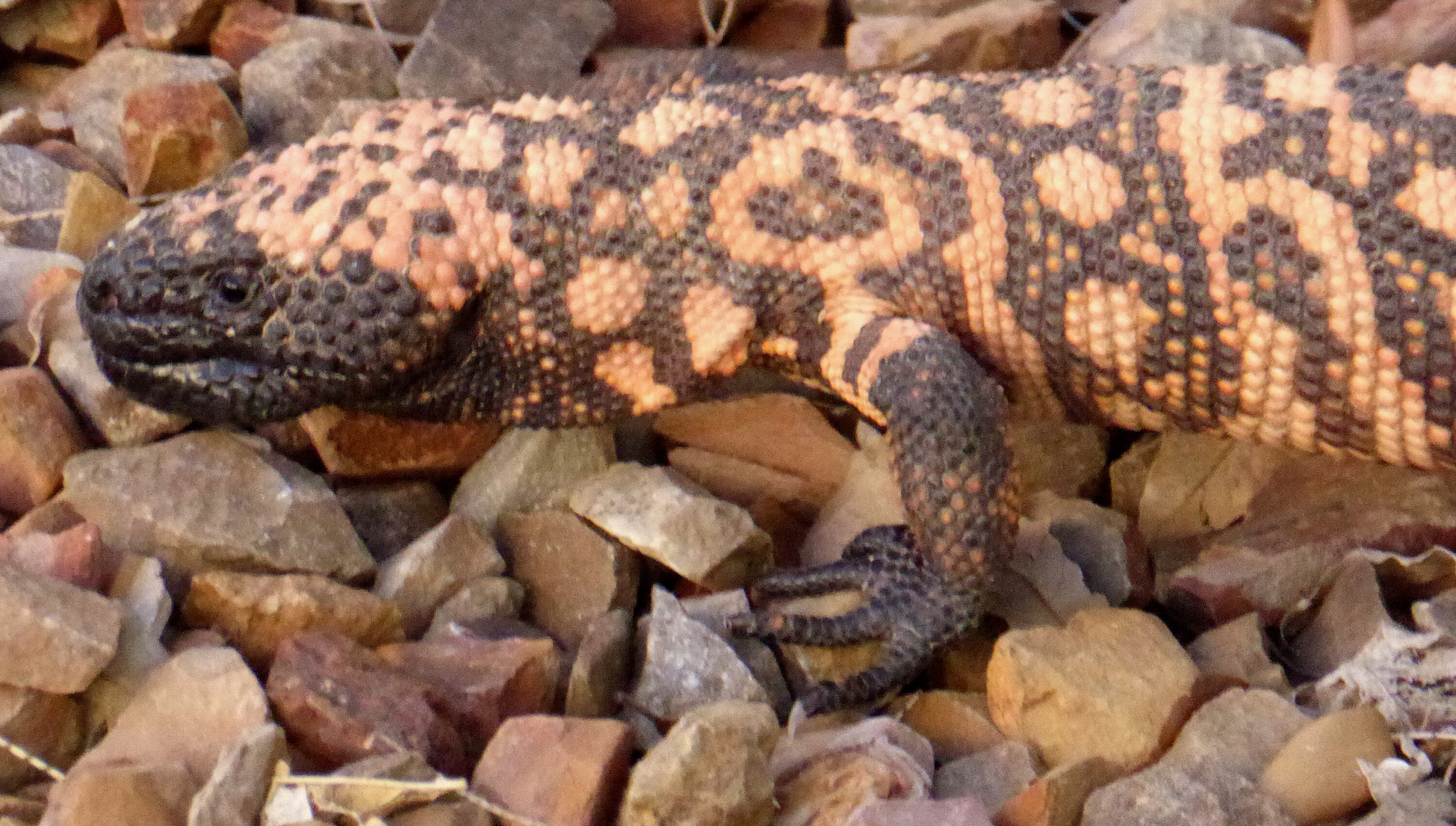
Fatality Reported Following Gila Monster Envenomation in Colorado
A 2026 Colorado case report described an exceptionally rare fatal outcome after Gila monster envenomation. The exact cause…
Read story →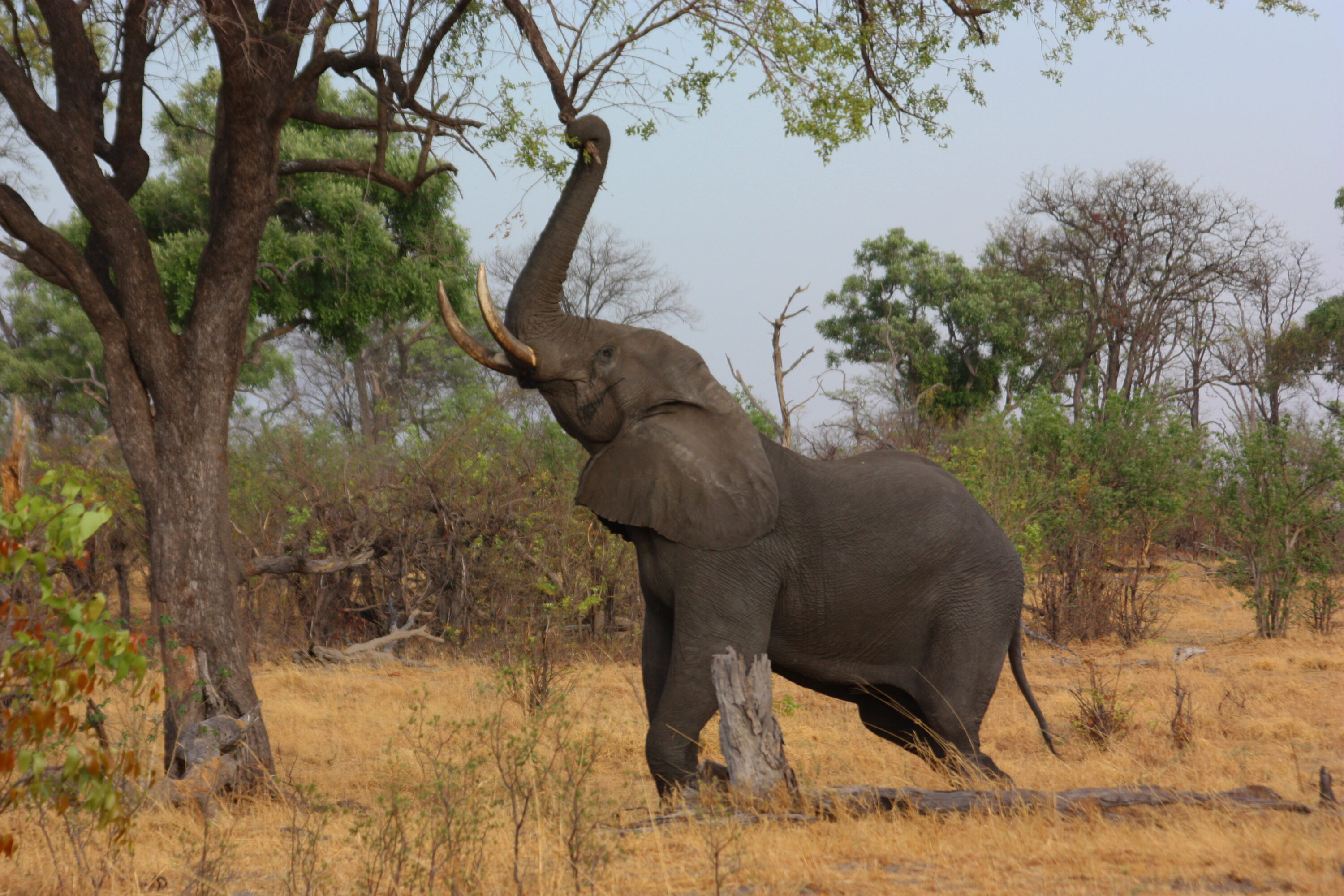
African Bush Elephants Distinguished Artificial Food-Quantity Patterns at Close Range
In experiments in South Africa, four semi-tame elephants chose between visual patterns representing canopy size and leaf density.…
Read story →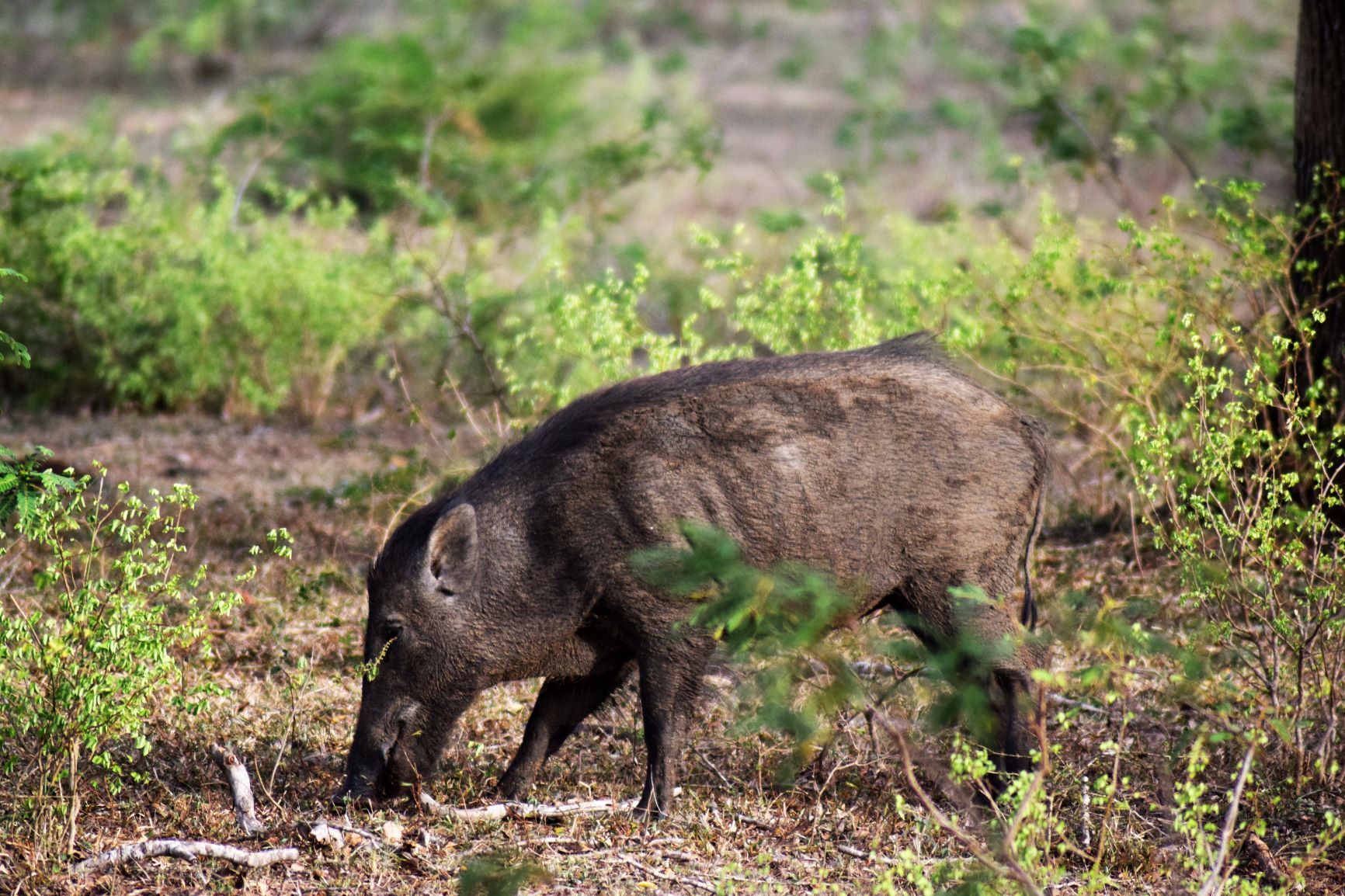
Maps Show Where Wild Boar Could Thrive and Spread on Jeju Island
Researchers mapped potentially suitable wild-boar habitat across roughly 36% of Jeju Island and identified eight possible corridors linking…
Read story →SPECIES IN THIS STORY
Species in this story
Independent research and conservation news archive
Did you find this information useful?
Wildlife Vagabond is independently built and maintained. Voluntary support helps cover source verification, hosting and continued work on research and conservation news.
Support Wildlife VagabondThe news archive will remain freely available.