
In western Mexico, an introduced grackle was confused with native birds
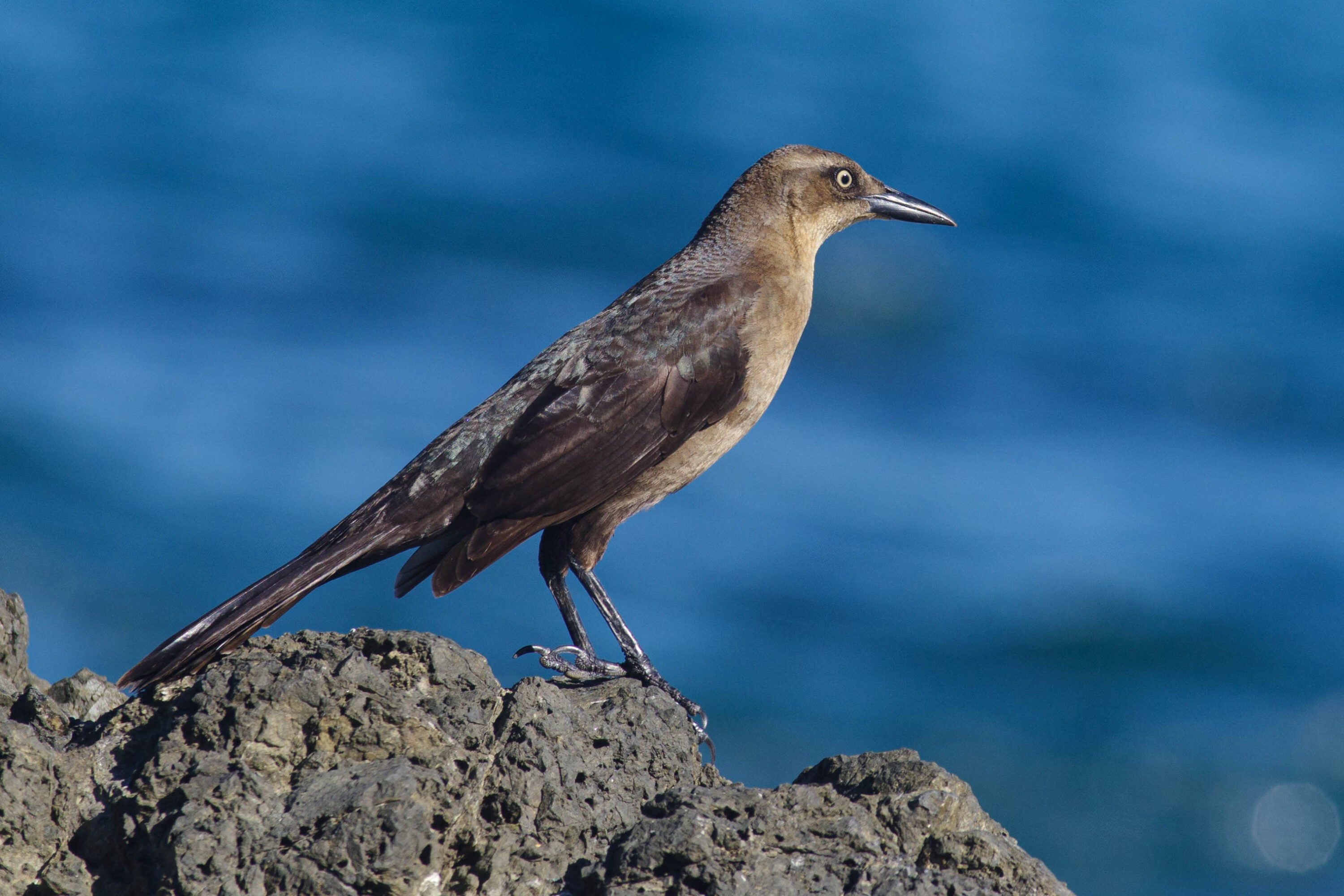
In an Indigenous community in western Mexico, researchers used structured interviews to ask how well people recognized common native and introduced birds, and whether they knew how long those birds had been present. Recognition varied with interviewees’ age and gender, and some species were easier to identify than others.
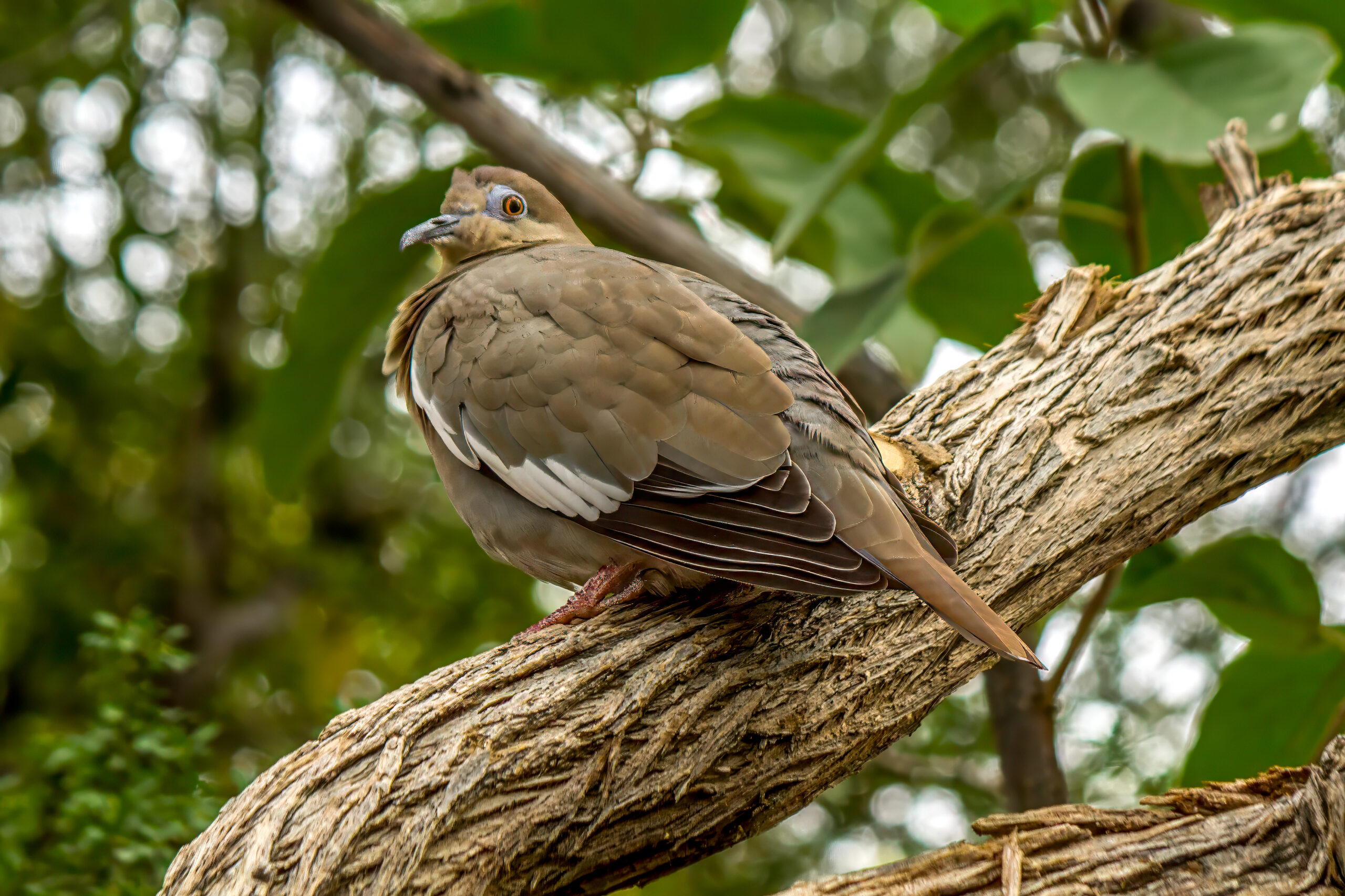
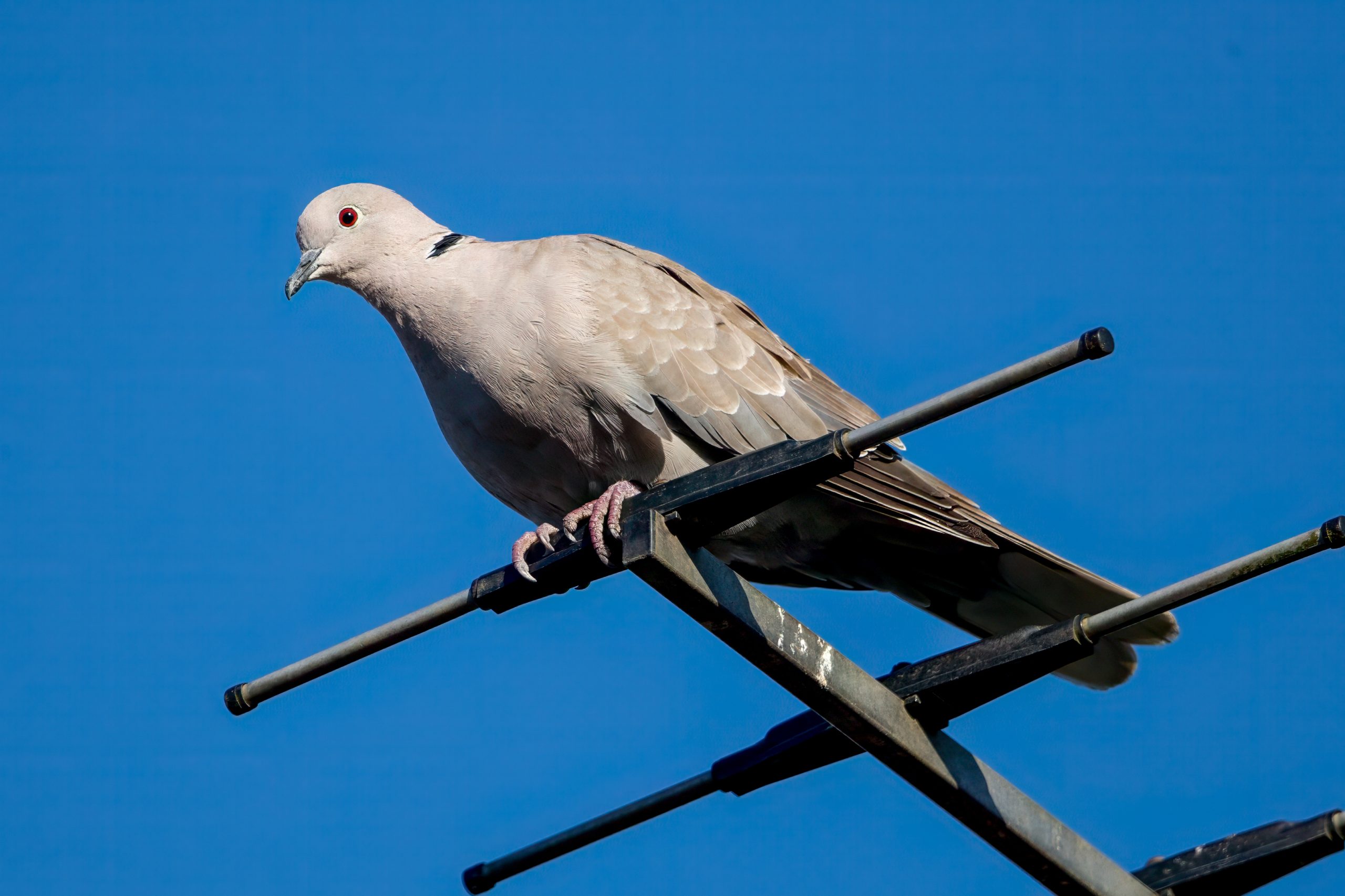
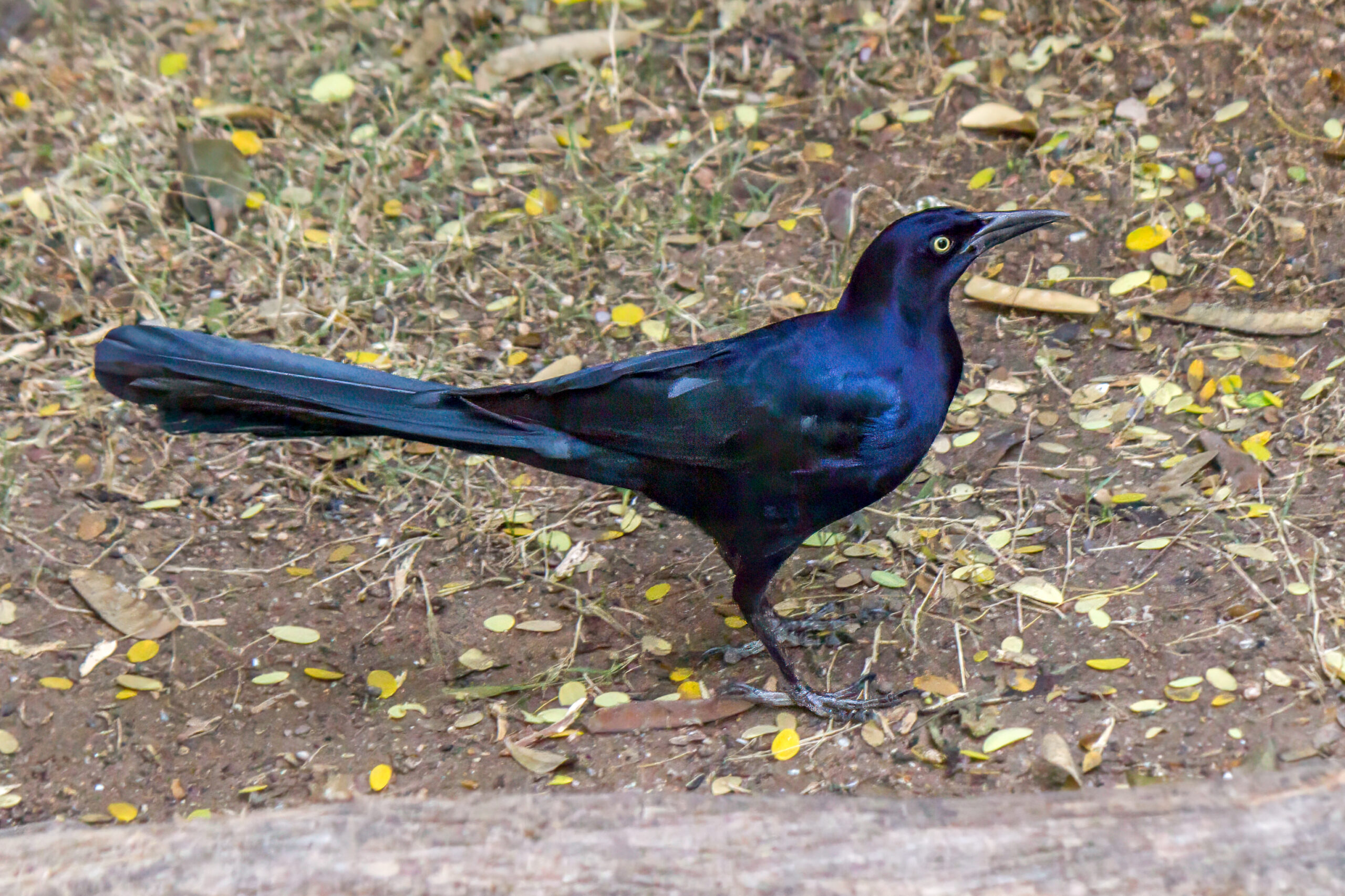
Interviewees sometimes confused the introduced Great-tailed Grackle (Quiscalus mexicanus) with native birds. They also usually confused the White-winged Dove (Zenaida asiatica) with the Eurasian Collared Dove (Streptopelia decaocto). The researchers note that the two dove species are bioculturally different, so confusing them could matter for how people use and manage these birds and other biocultural resources.
The interviews documented how participants identified the birds and what they knew about their presence over time. The authors suggest that confusion between introduced and native birds could affect the use, management and conservation of biocultural resources.
Recognising a bird is not the same as knowing its history
The interviews tested two related, but different, kinds of knowledge: identifying a bird and knowing how long it had been present locally. That distinction matters when an introduced species resembles a familiar native one. A name or a visual identification alone may not tell a person whether an animal has always been part of the local bird community.
The study reports differences across ages and genders, but the accessible results do not justify a simple ranking of which group knew the birds best. Nor can the interviews by themselves show that a particular mistake led to poorer conservation outcomes. Instead, they highlight a question for local wildlife management: how can ecological information and community knowledge be considered together when closely resembling birds have different histories and cultural roles?
Ecology
Related news
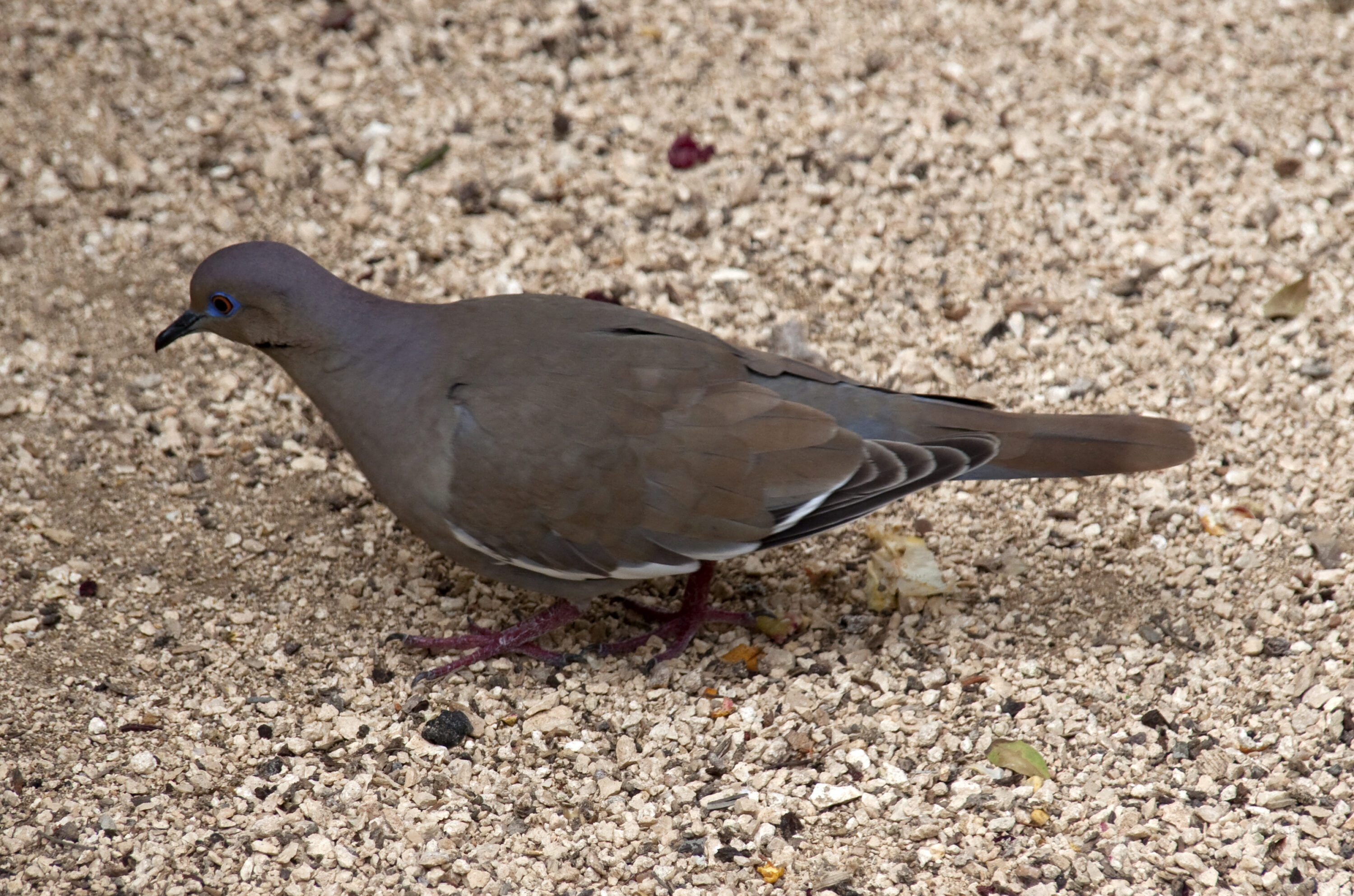
White-Winged Dove Had an Estimated Mean Density of 744 Birds per km² Along the Sinaloa River
A 2026 study along the Sinaloa River estimated a mean density of 744.03 white-winged doves per km². Density…
Read story →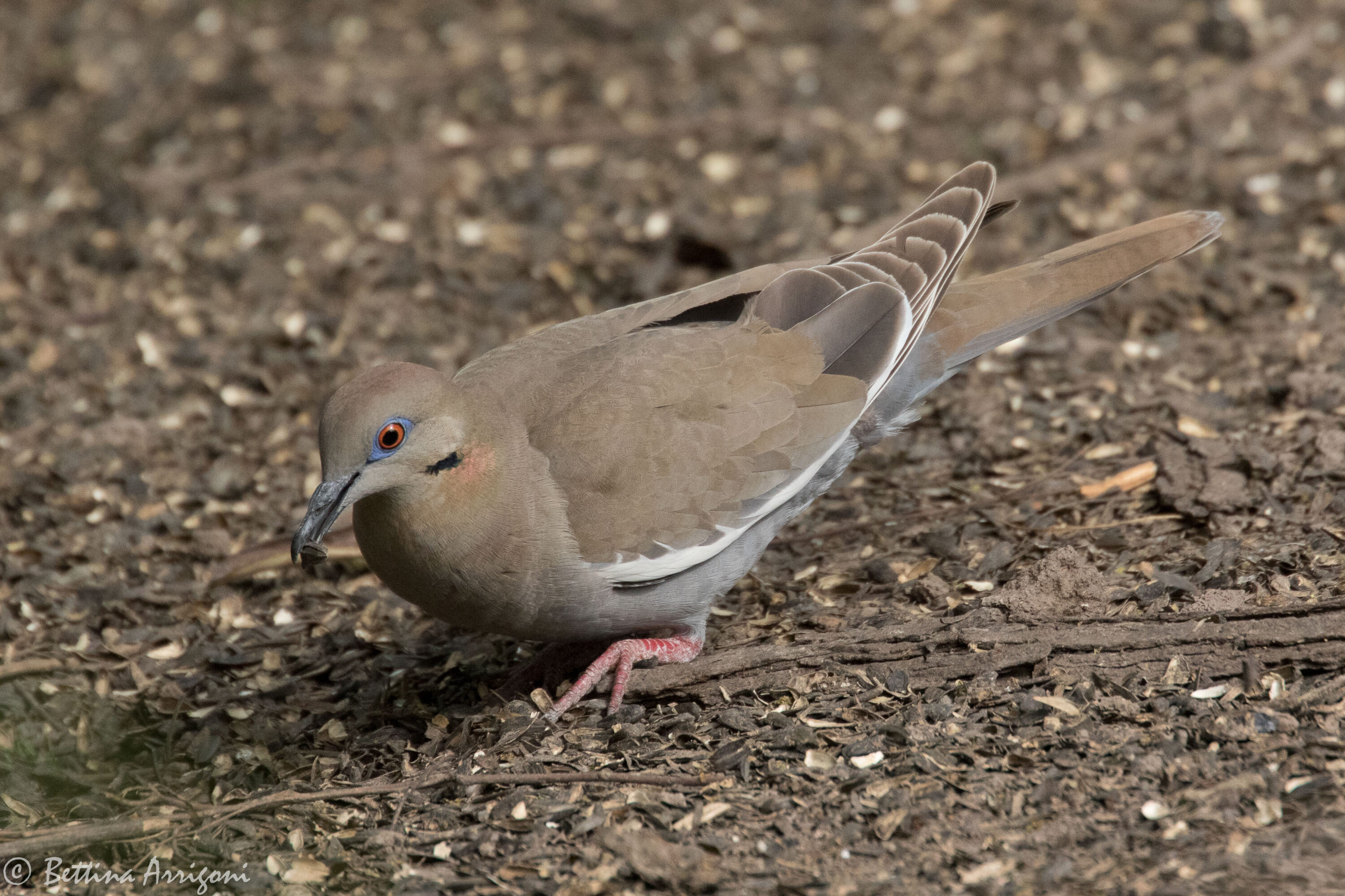
Texas White-Winged Dove Estimate Reached a Record 12.9 Million Birds in 2026
Texas Parks and Wildlife Department estimated 12.9 million white-winged doves in the state's spring breeding population in 2026,…
Read story →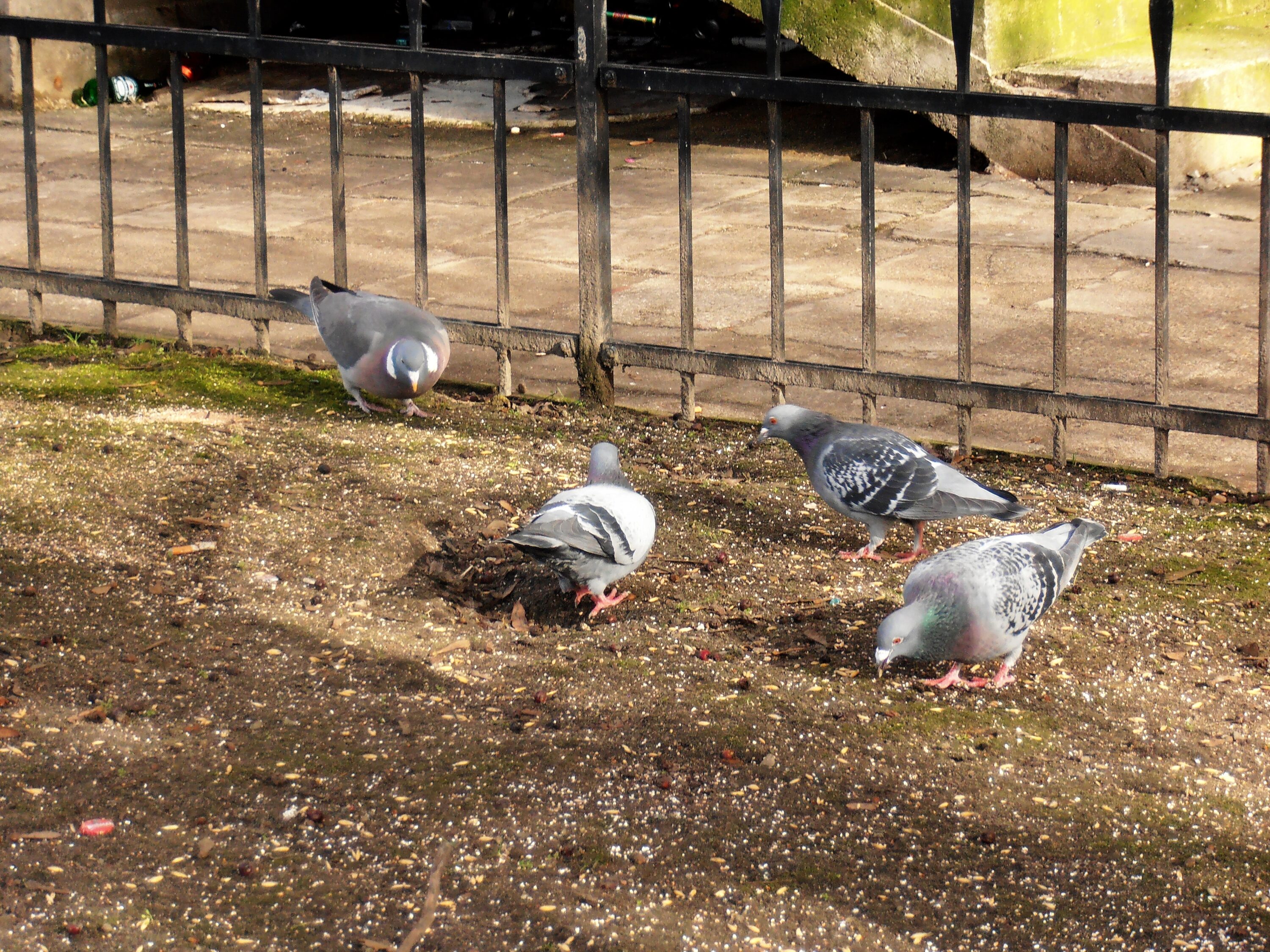
Common Wood-Pigeon Was Negatively Associated With Settlements in High Atlas Valleys
Across 179 survey points in two Central High Atlas valleys in Morocco, researchers recorded 1,073 pigeons and doves.…
Read story →SPECIES IN THIS STORY
Species in this story
Independent research and conservation news archive
Did you find this information useful?
Wildlife Vagabond is independently built and maintained. Voluntary support helps cover source verification, hosting and continued work on research and conservation news.
Support Wildlife VagabondThe news archive will remain freely available.