
Fecal DNA Helped Identify Individual Dholes in Captive Facilities
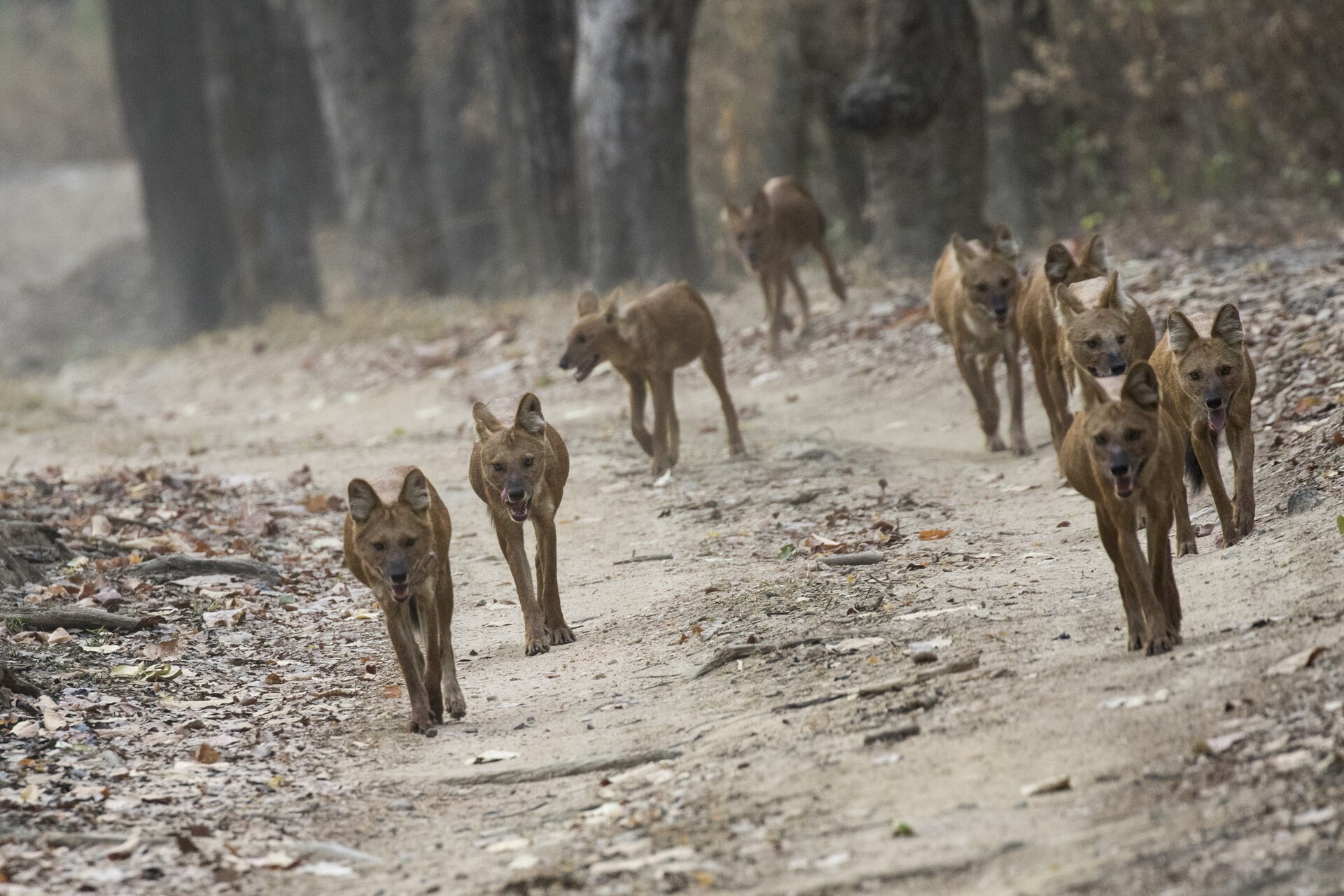
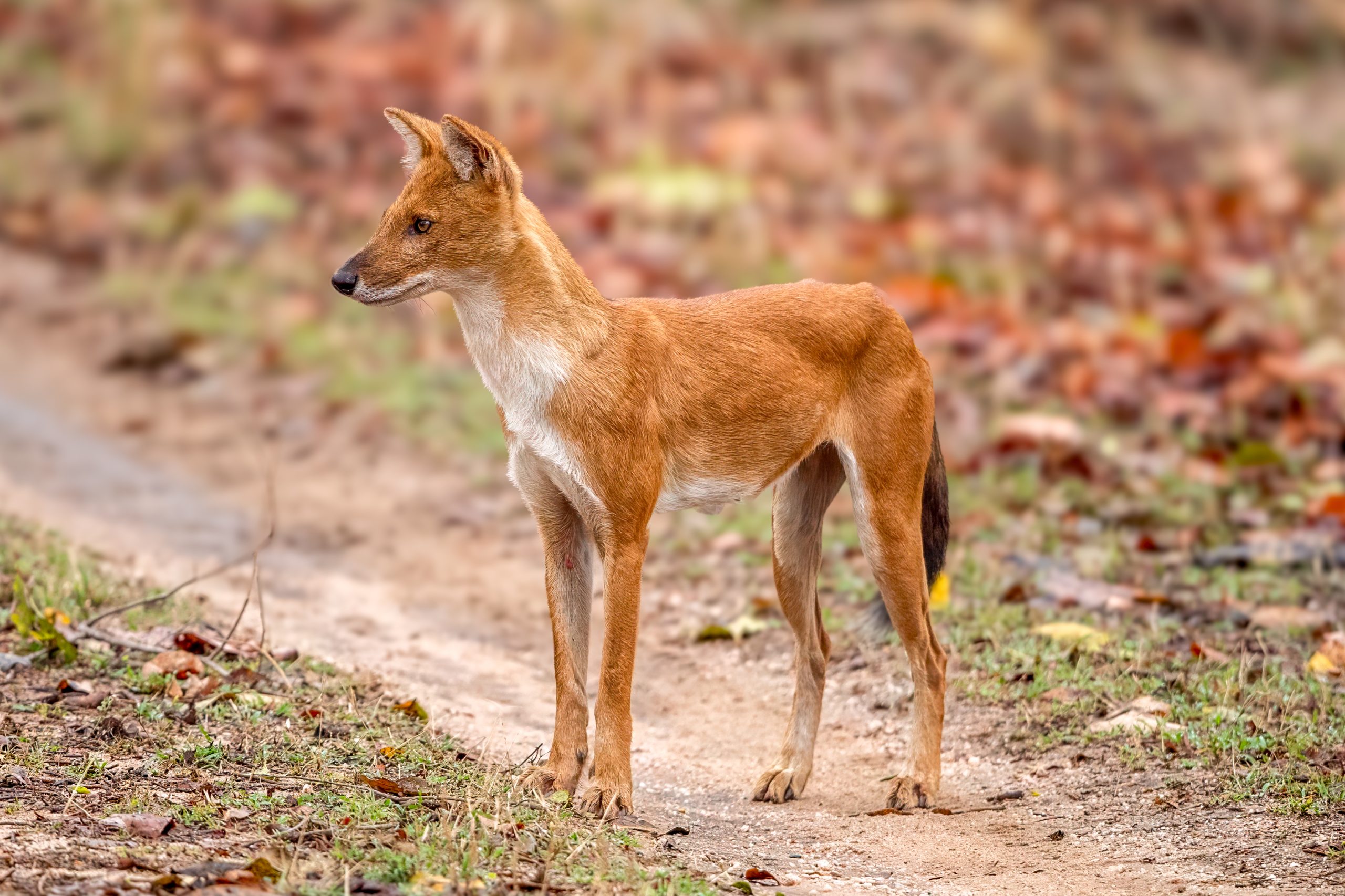
DNA in a dhole’s droppings can come from both the animal and the microbes living in its gut. A study published on 23 November 2026 tested whether sequencing this mixture could help identify an individual dhole (Cuon alpinus), as well as its sex and housing pen.
The researchers collected 26 fresh fecal samples from four dholes at a facility in Sichuan between August and November 2024. They used these samples to build identification models, then tested the approach on 24 samples from 14 dholes at a separate facility in Zhejiang, collected in October 2025. The sequencing data provided information about microbial species and about the host animal’s DNA, which the researchers matched to dog reference genomes.
Combining host DNA and microbes improved identification
Models combining microbial information with host-genome data correctly classified all samples in the Sichuan modelling set. In the separate Zhejiang test, they identified 22 of 24 samples correctly, or 91.7%. Models based on microbial species alone were less accurate at distinguishing individuals. The combined data also showed potential for identifying sex and housing pen, although the study’s clearest reported test was individual identification.
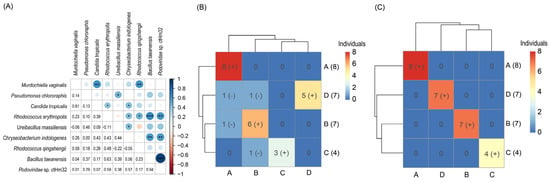
The microbial communities did not provide a simple, consistent fingerprint of each dhole: their overall composition varied by sampling month, but not significantly by individual, sex or pen. The stronger individual-classification results came from combining microbial profiles with information from the dhole’s own DNA.
A promising test, not yet a field method
The perfect score in the Sichuan modelling samples may overstate how well the approach would work on new animals, because many samples came from the same few dholes. The separate Zhejiang test offers a useful check, but it involved only 24 samples. All samples were collected within two hours of defecation, so the study does not establish how well the method works on older, weathered droppings from wild animals.
The authors present fecal metagenomic sequencing as a possible non-invasive monitoring tool. These results show that combining microbial data with host-DNA information can help distinguish captive dholes; testing with larger samples and in the field would be needed before applying the method to wild populations.
Genetics & genomics
Related news
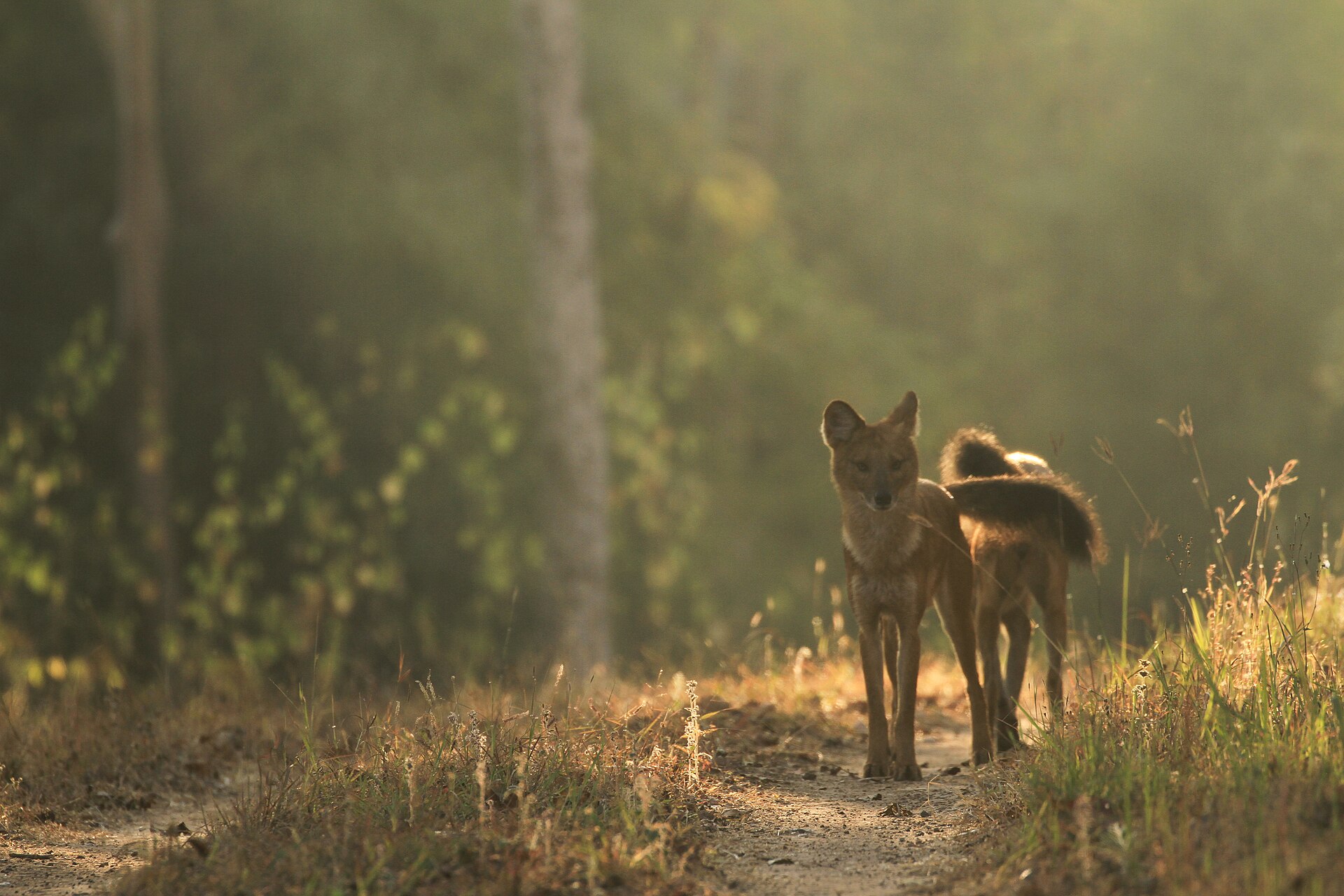
Social media portrayed dholes more negatively than three other carnivores
An analysis of more than 6,000 posts compared dholes with Bengal tigers, sloth bears and golden jackals. Dholes…
Read story →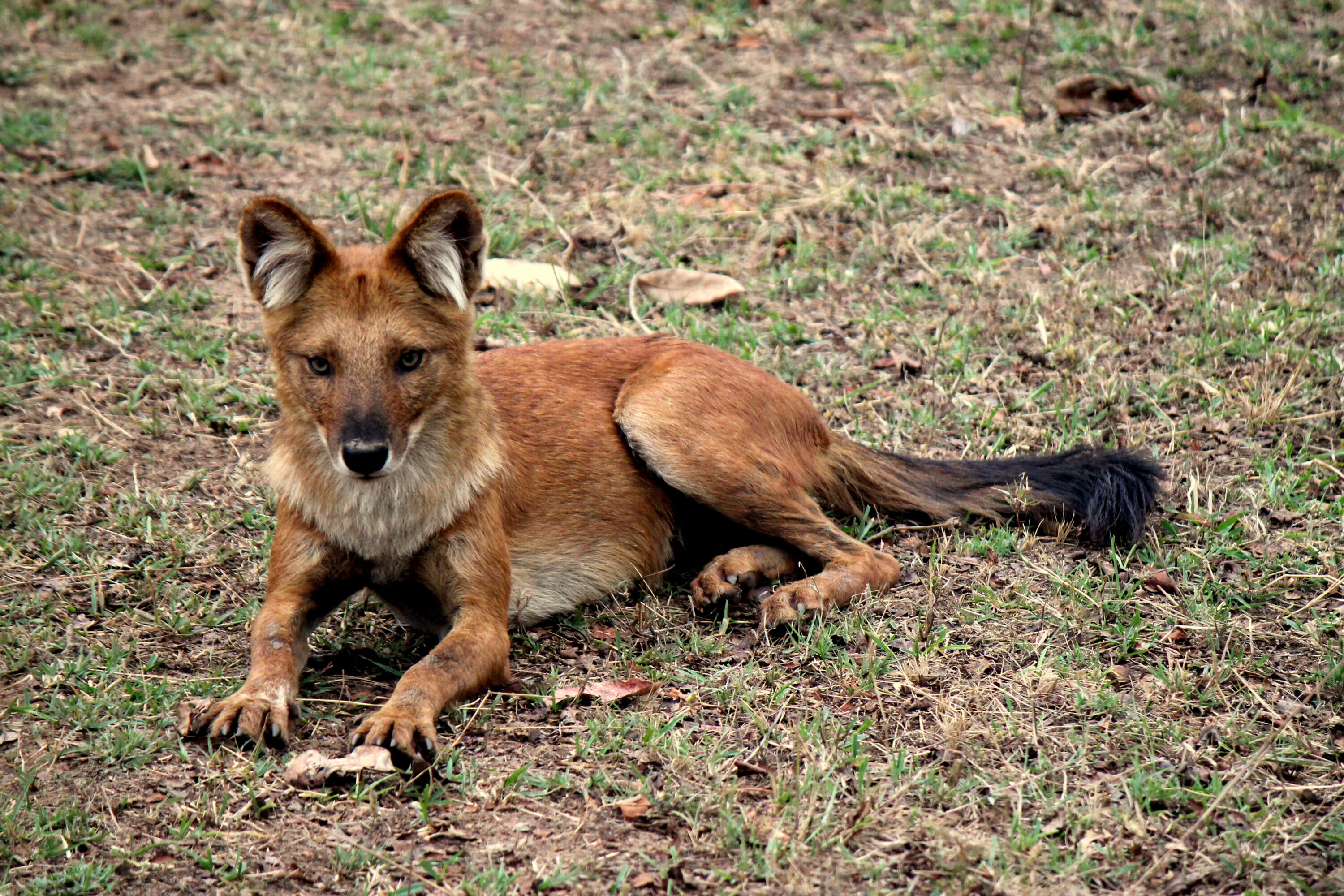
Dhole Gets Its First Chromosome-Level Genome Assembly
Researchers assembled a 2.42-billion-base genome for the dhole, anchoring 97.0% of its sequence to 39 chromosomes. The resource…
Read story →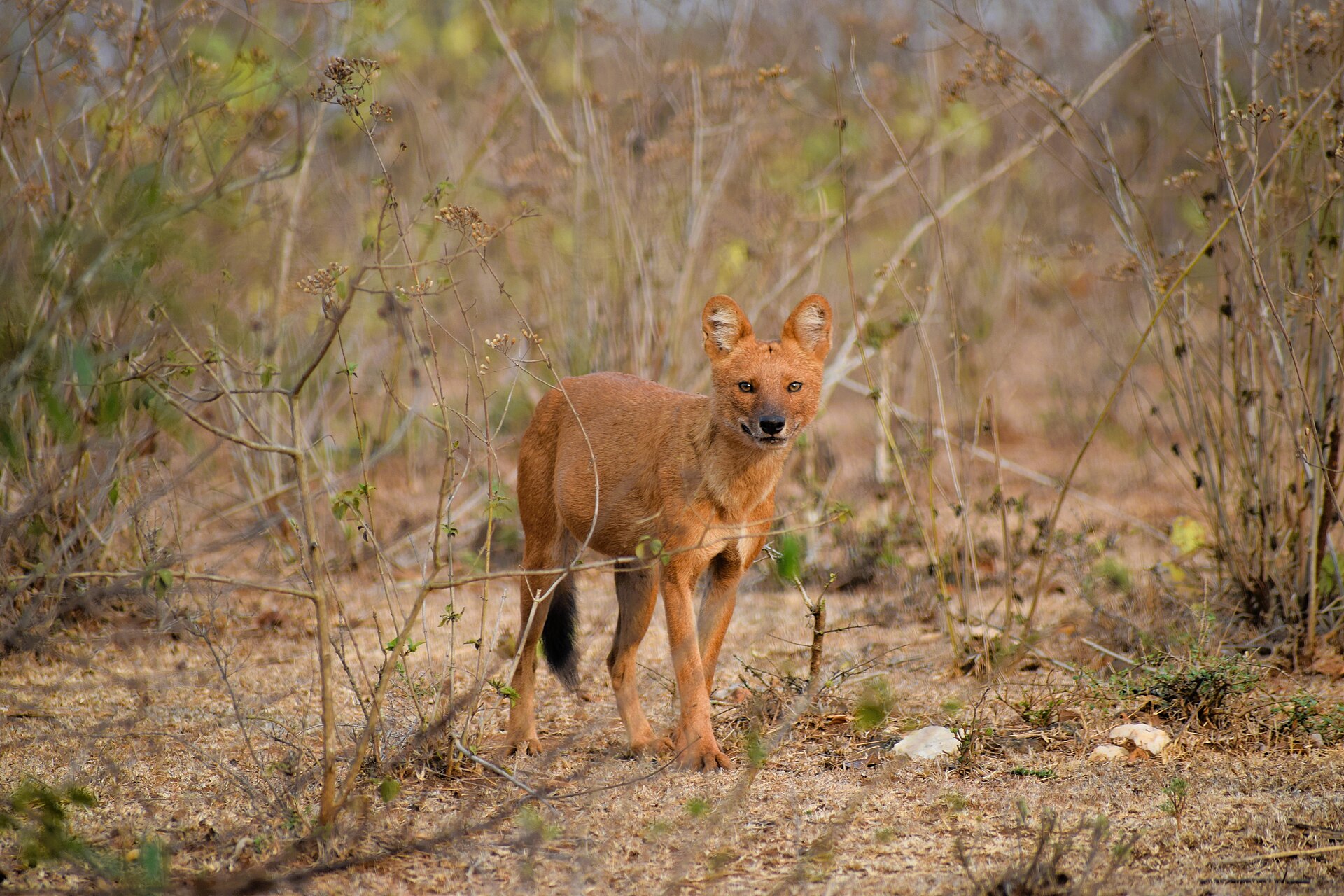
Dhole density estimates hinge on what camera traps can see
On India’s Valparai plateau, one method estimated 22 dholes per 100 km². Camera-trap estimates varied with how researchers…
Read story →SPECIES IN THIS STORY
Species in this story
Independent research and conservation news archive
Did you find this information useful?
Wildlife Vagabond is independently built and maintained. Voluntary support helps cover source verification, hosting and continued work on research and conservation news.
Support Wildlife VagabondThe news archive will remain freely available.