
Dhole density estimates hinge on what camera traps can see
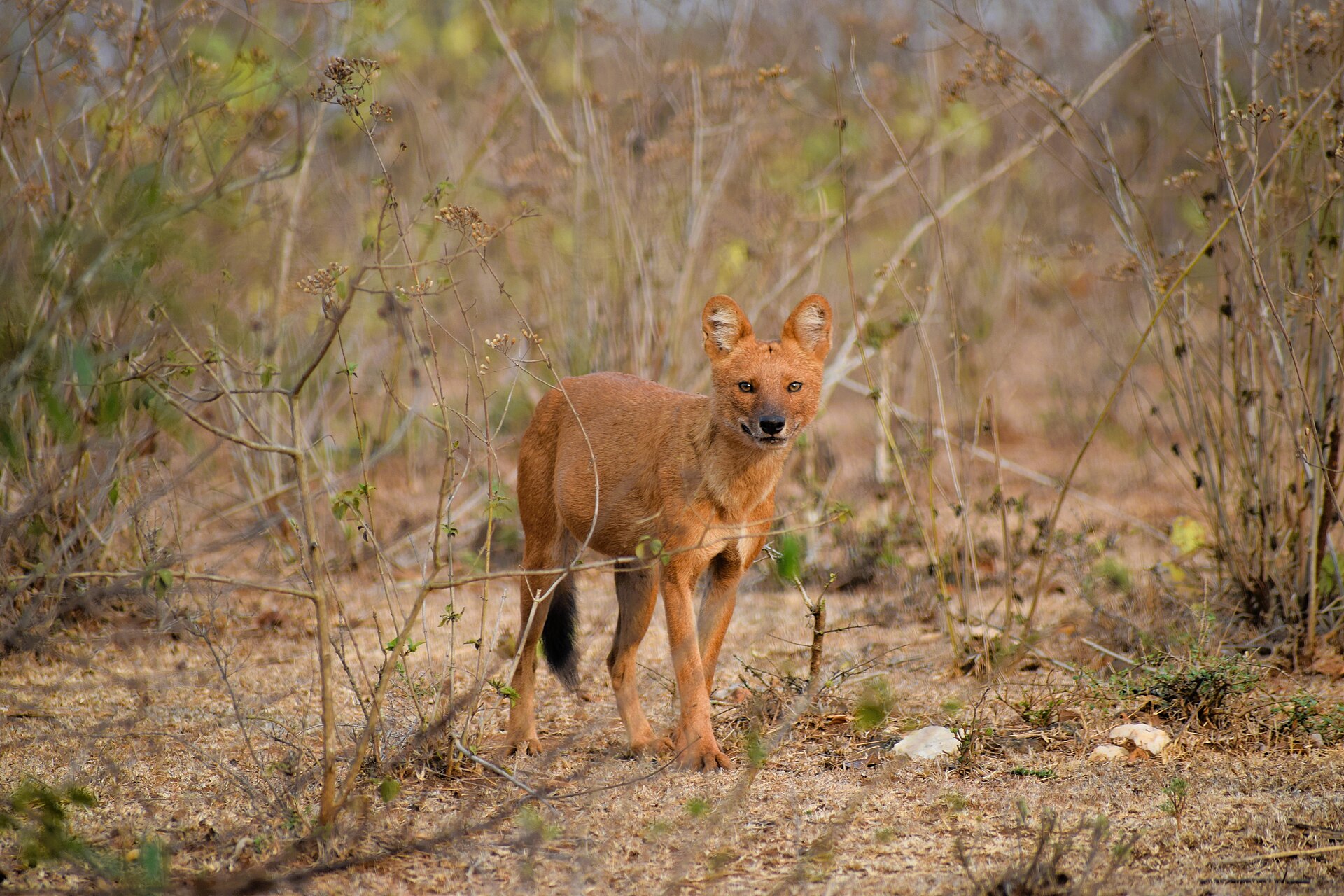
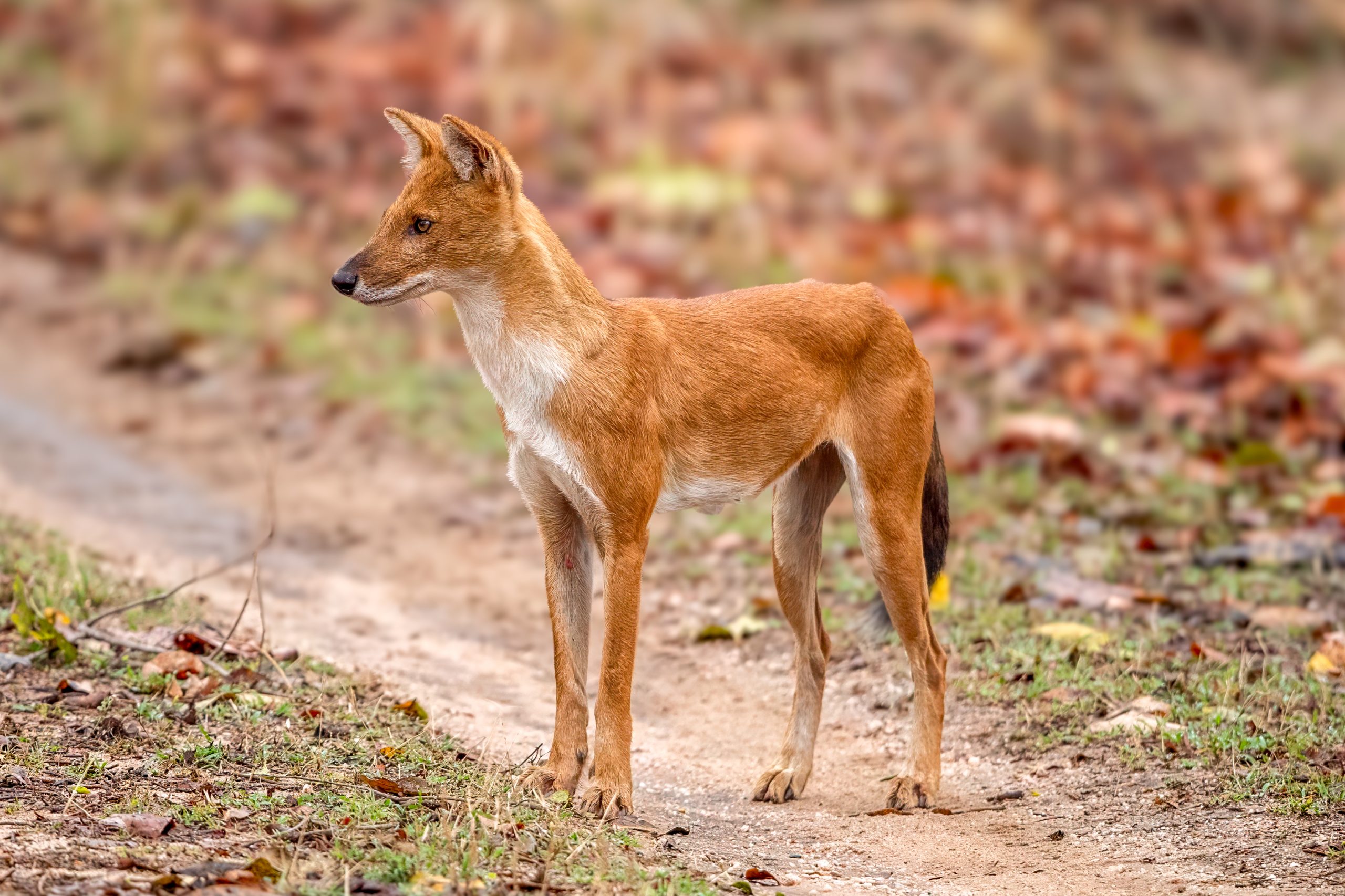
How many dholes live in a landscape where forest meets farms and plantations? On the Valparai plateau in India’s Western Ghats, researchers compared two ways of estimating the density of the dhole (Cuon alpinus), an endangered social carnivore.
One approach used DNA from dhole faeces to identify individual animals. It estimated a density of 22 dholes per 100 km². The other used detections from camera traps. Its estimates changed substantially depending on how researchers measured the area each camera was assumed to cover. When they measured that area after the camera surveys—and especially when they reduced it by 10%—the camera-trap estimates were comparable to the DNA-based estimate.
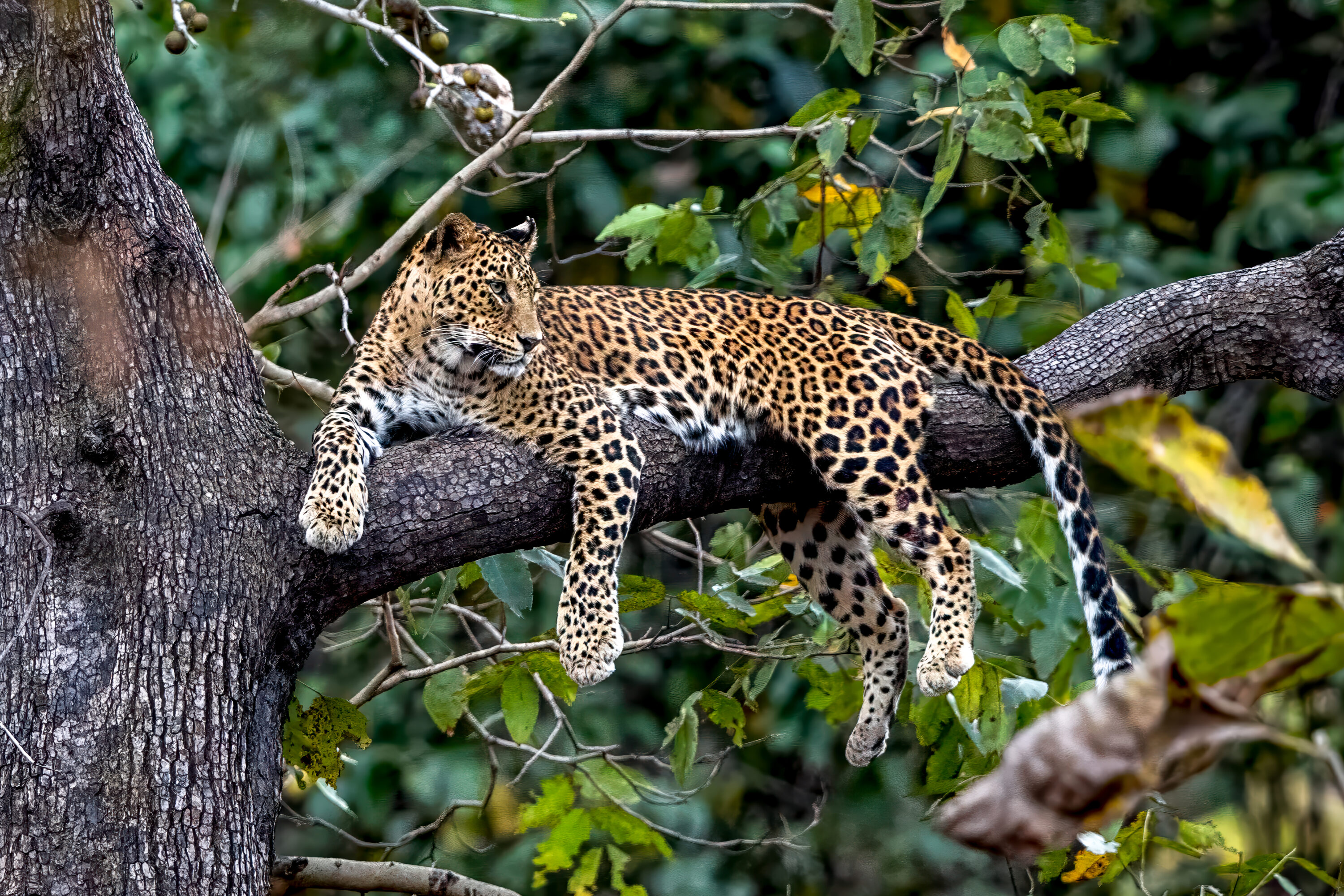
The researchers also compared the approaches for leopards (Panthera pardus), which can be recognised individually by their markings. The camera-trap approach estimated 7 leopards per 100 km², while the DNA-based approach estimated 12. The uncertainty intervals overlapped, so this comparison does not establish a clear difference between the estimates.
Dholes lack distinctive natural markings that make it easy to recognise individuals in photographs. The researchers suggest that camera traps could therefore offer a practical, relatively inexpensive way to establish a baseline estimate for dhole populations. But the comparison shows that the area cameras are assumed to cover can strongly affect the result. The study comes from one landscape, so its estimate is not a measure of dhole density across India, and the same camera-area assumptions may not work everywhere. The authors interpret the findings as evidence that human-used agroforest mosaics can support dhole densities comparable to, or higher than, those reported from several protected areas.
Ecology
Related news
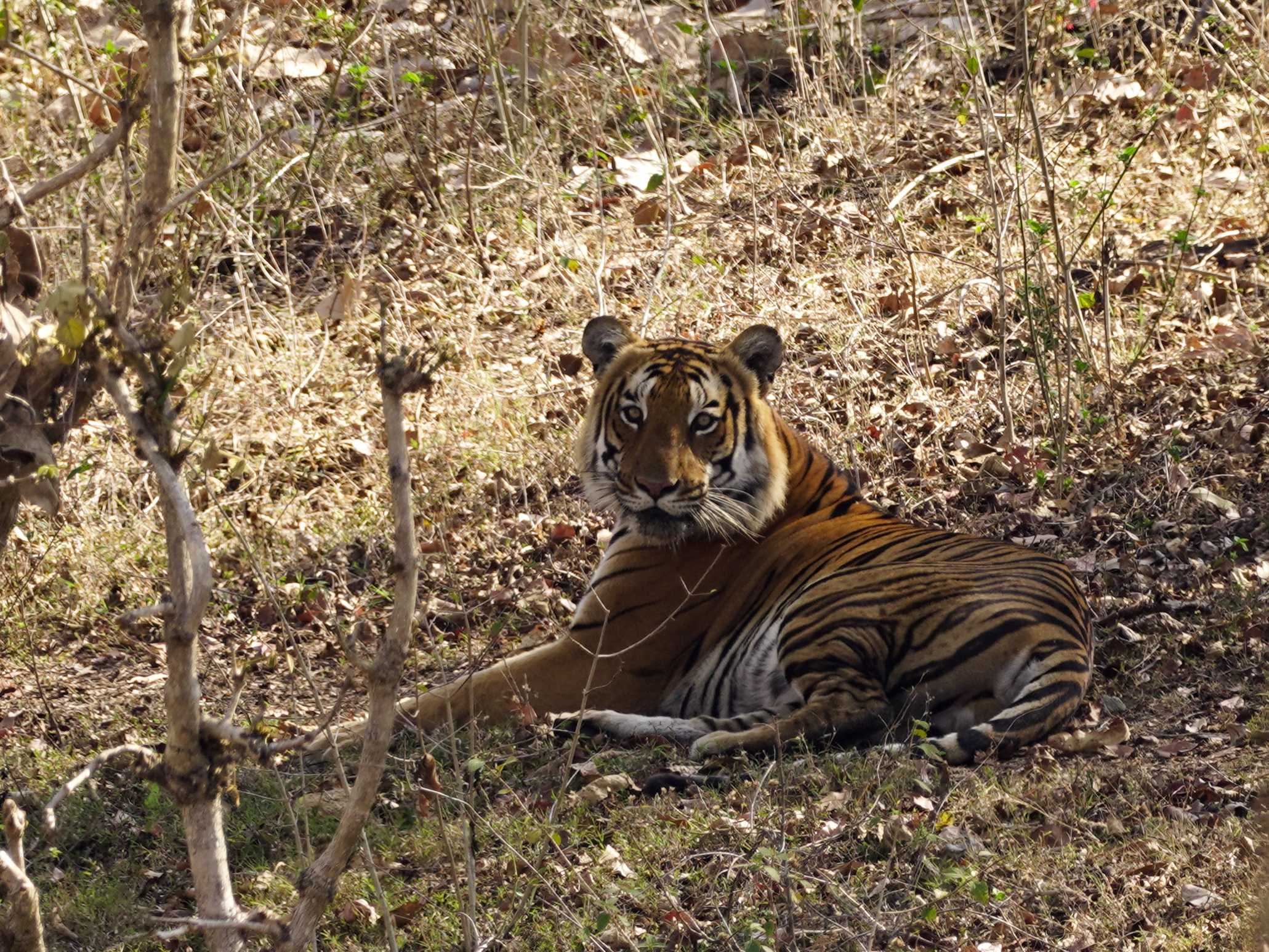
Key Movement Bottlenecks for Five Large Mammals Lay Outside Protected Areas in Tamil Nadu
A 2026 study of tiger, leopard, dhole, Asian elephant and gaur identified modelled movement bottlenecks outside protected areas,…
Read story →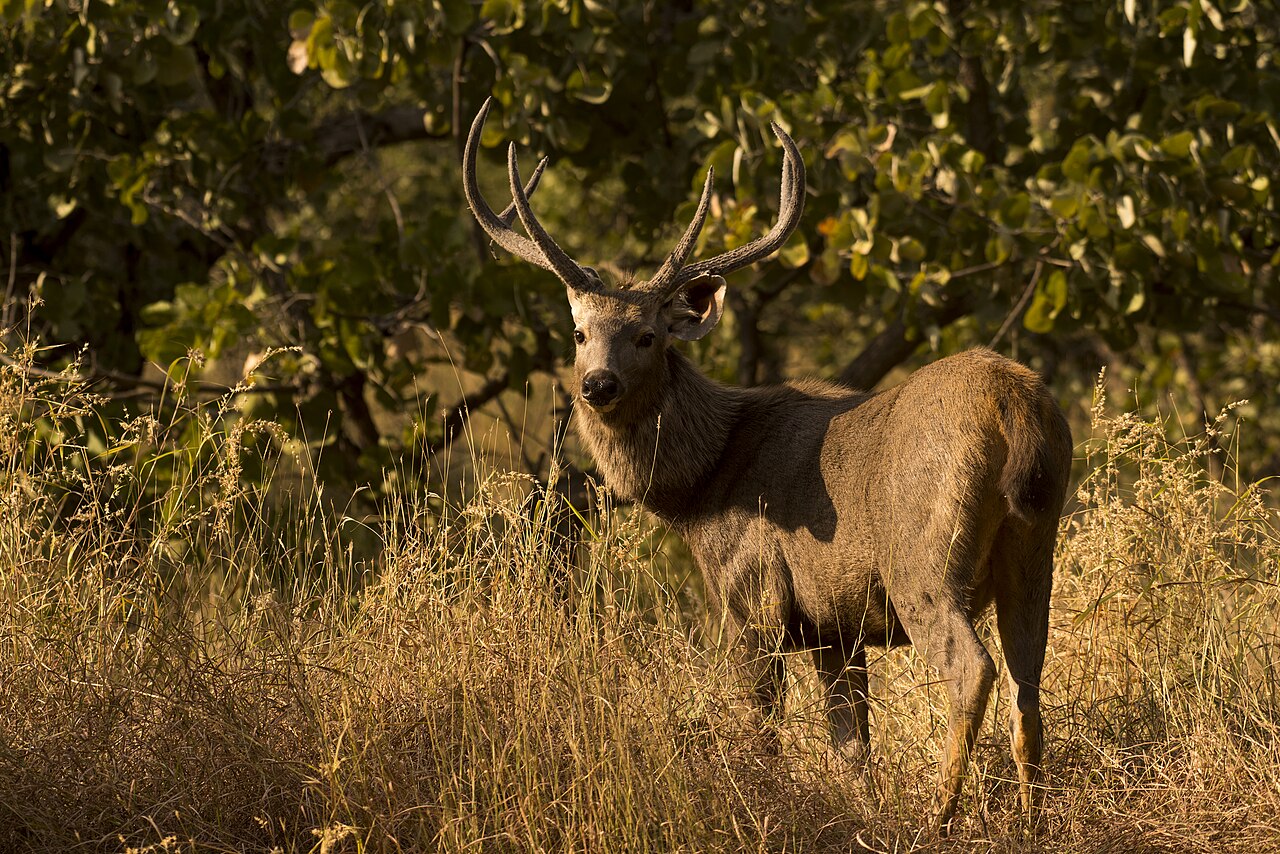
Nine Indian species could anchor protection for biodiversity and carbon
A national analysis identifies nine threatened Indian vertebrates whose habitat could act as an anchor for protecting hundreds…
Read story →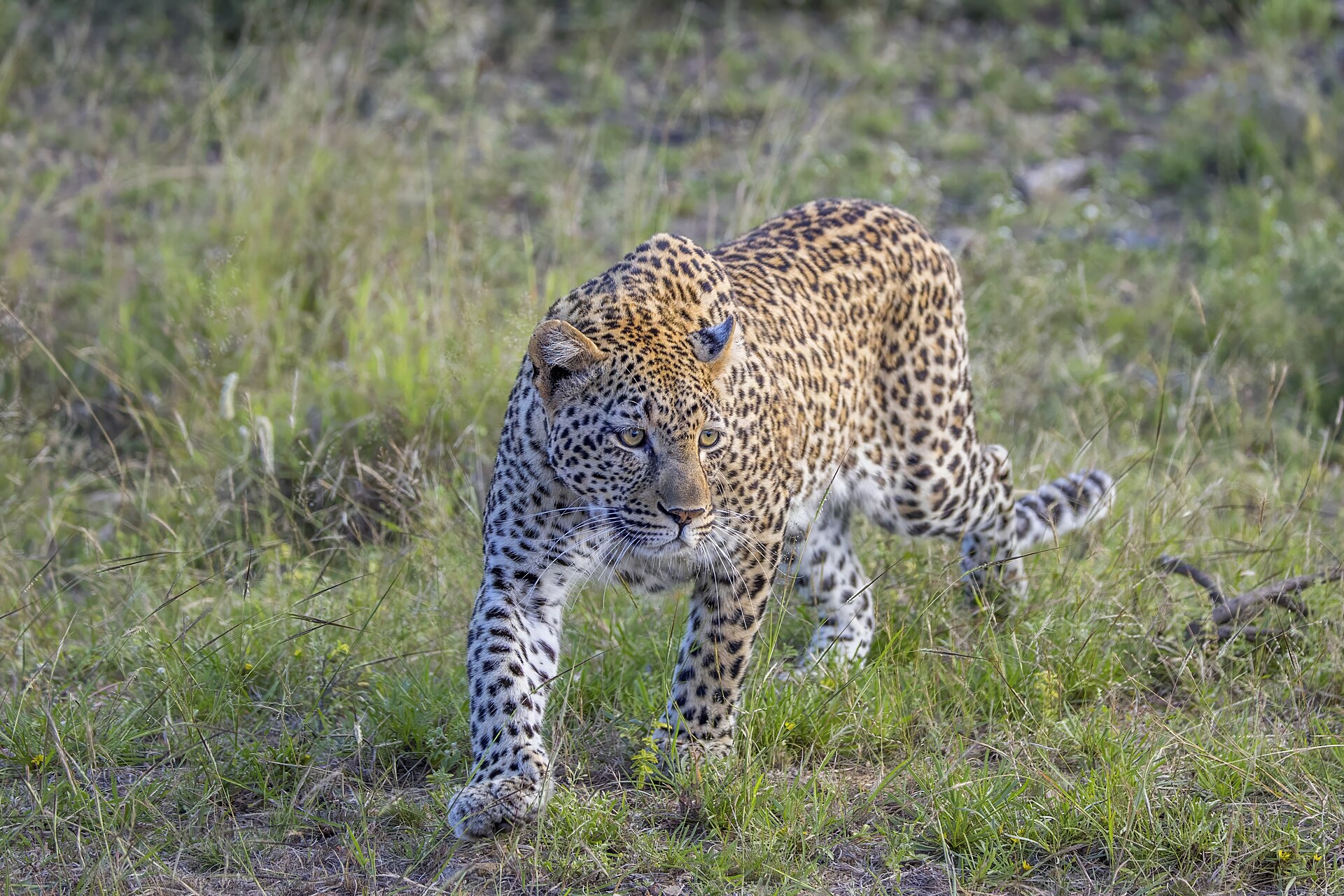
Two leopard skins seized in suspected wildlife-trafficking raid in Kalahandi
A raid in Saisurani Range, India, led to the reported seizure of two leopard skins, other wildlife remains…
Read story →SPECIES IN THIS STORY
Species in this story
Independent research and conservation news archive
Did you find this information useful?
Wildlife Vagabond is independently built and maintained. Voluntary support helps cover source verification, hosting and continued work on research and conservation news.
Support Wildlife VagabondThe news archive will remain freely available.