
Field observations sometimes credited Barn Swallow males with chicks fathered by rivals
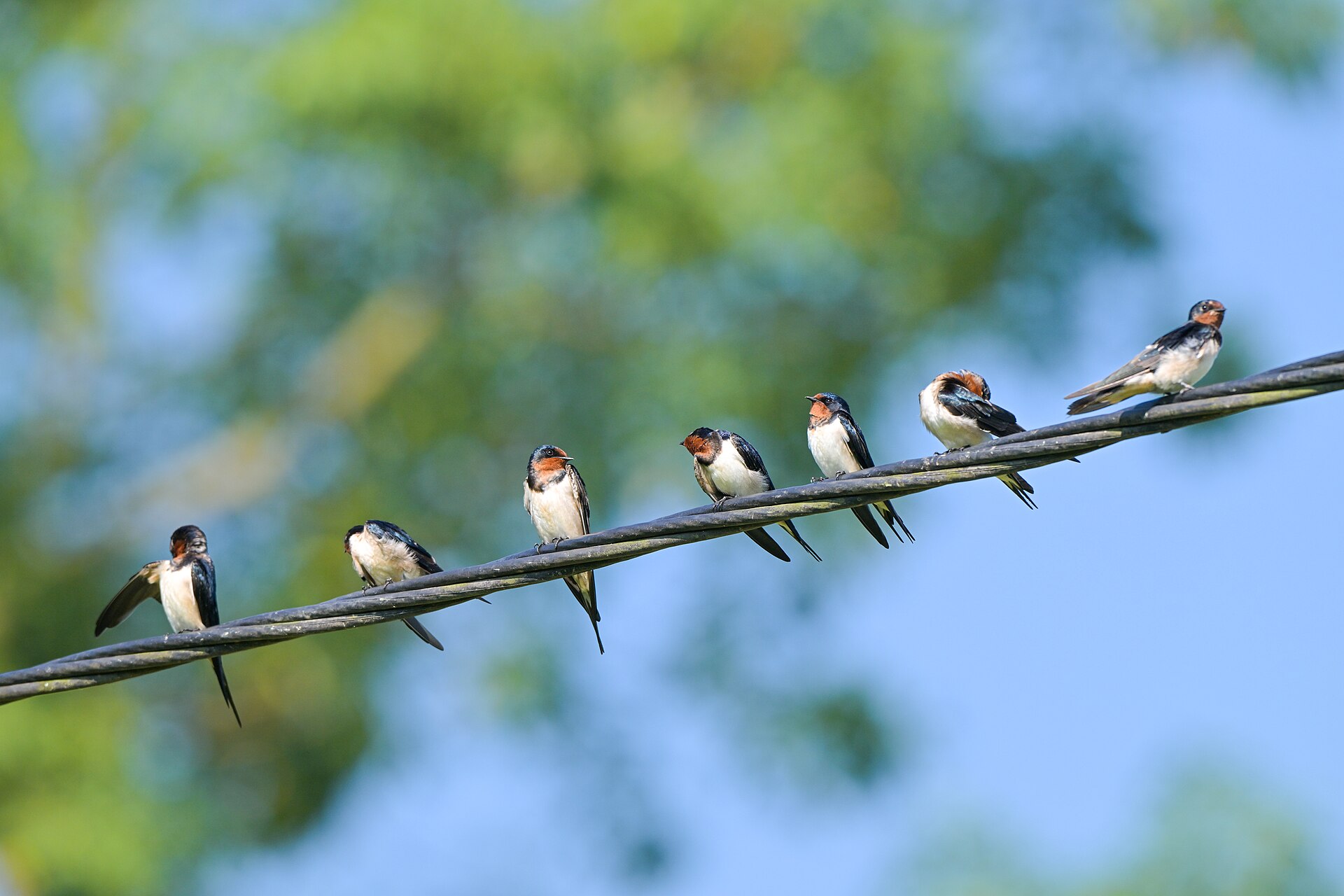
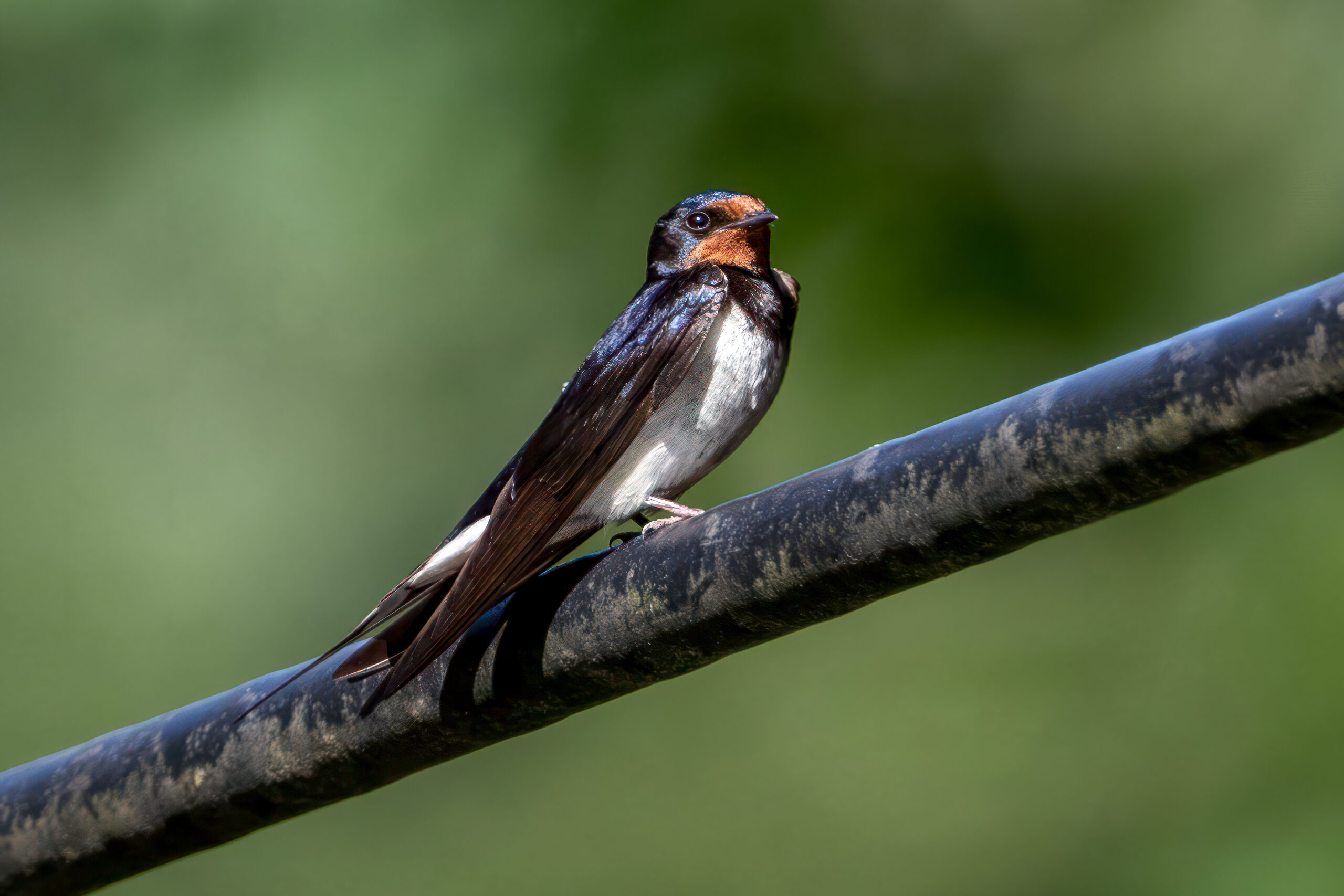
In a brood of Barn Swallows (Hirundo rustica), the male seen with a female is not necessarily the genetic father of every chick. A 2021 pilot study of 50 broods across four populations in the Netherlands found that offspring sired by males outside the social pair were common—and that field observations alone could give a misleading picture of some males’ reproductive success.
Overall, 31.3% of the nestlings had an extra-pair father, and 56% of the broods contained at least one such nestling. To assess how well observations reflected parentage, the researchers compared genetic parentage with field observations of breeding and provisioning behaviour. The study was published on 21 October 2026.
Most extra-pair chicks were still related to the social female
Among the nestlings of extra-pair origin, 94.9% were related to the social female but had been fathered by another male. The remaining cases were uncommon: 0.5% involved an extra-pair female, while 4.6% of the nestlings were unrelated to either social parent. The authors interpreted the last group as eggs laid in another female’s nest, a behaviour known as egg dumping.
The results also included striking examples of how parentage could be distributed. One polygynous male had offspring in the broods of four females. Two broods each contained chicks sired by three different males. These cases illustrate why seeing which birds attend a nest does not necessarily reveal which males sired its chicks.
Social fathers could be credited with too many offspring
When researchers relied on field observations, they overestimated the average reproductive output of males whose broods included chicks fathered by other males—by as much as 48%. In other words, a male could appear to have produced more offspring than genetic parentage showed. That matters when researchers use observed broods to assess how successfully individuals reproduce.
The authors found no consistent differences in extra-pair parentage among the four breeding locations. Because this was a one-year pilot involving 50 broods, its reported rates describe these Dutch populations in the study; they do not establish how common extra-pair parentage is in Barn Swallows elsewhere. The authors conclude that estimating individual reproductive success accurately requires parentage data from across local breeding populations, rather than field observations alone.
Behaviour
Related news
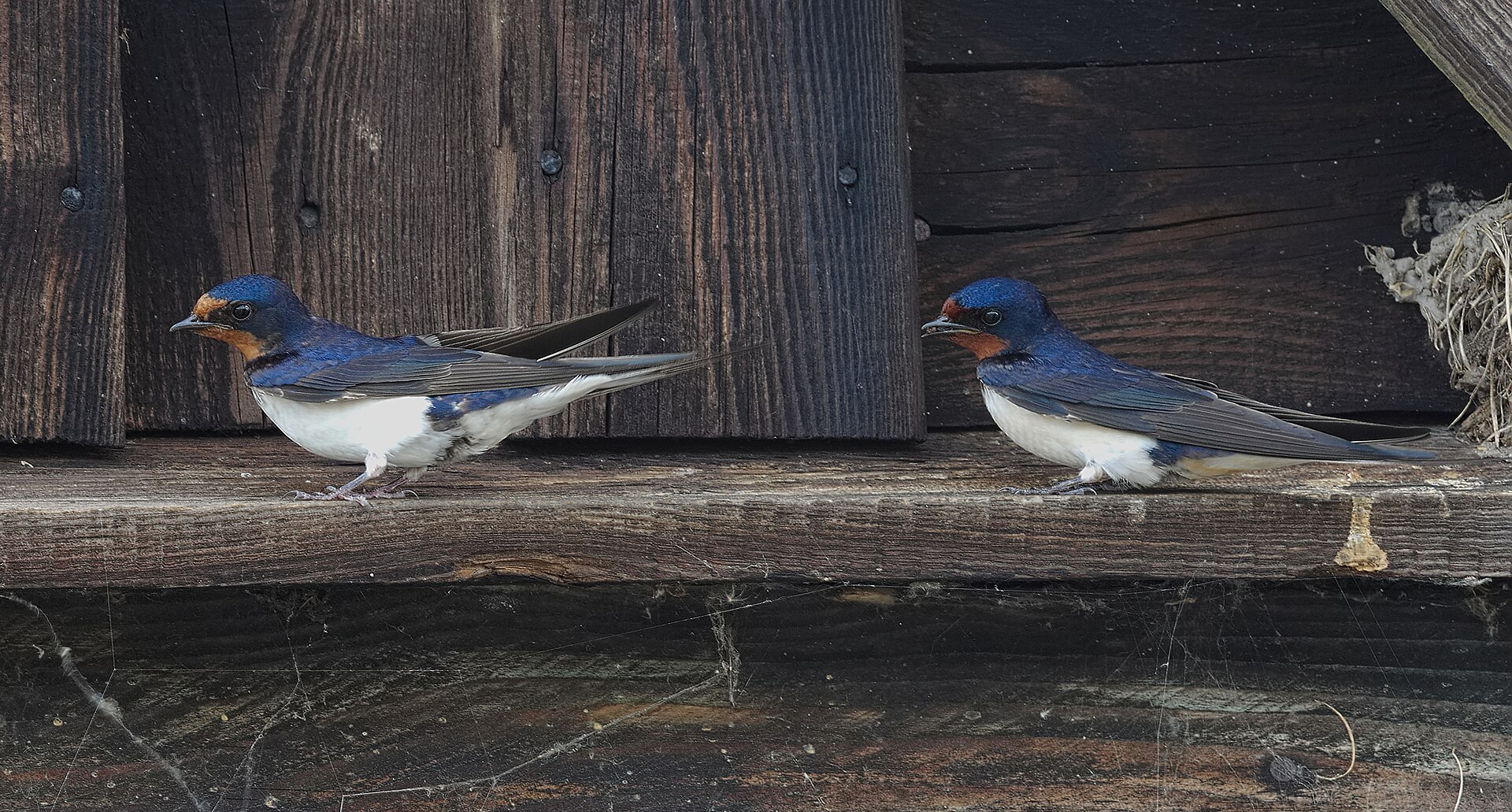
Darker Barn Swallow Populations Had More Interconnected Feather Colors—but the Throat Stood Apart
A comparison of more than 2,000 barn swallows across the species’ global range found that darker breast, belly,…
Read story →
Usutu Virus RNA Was Found Nearly Three Times as Often as West Nile Virus RNA in Southern France
Among 2,533 wild birds from 69 species in southern France, Usutu virus RNA was detected in 12.0% and…
Read story →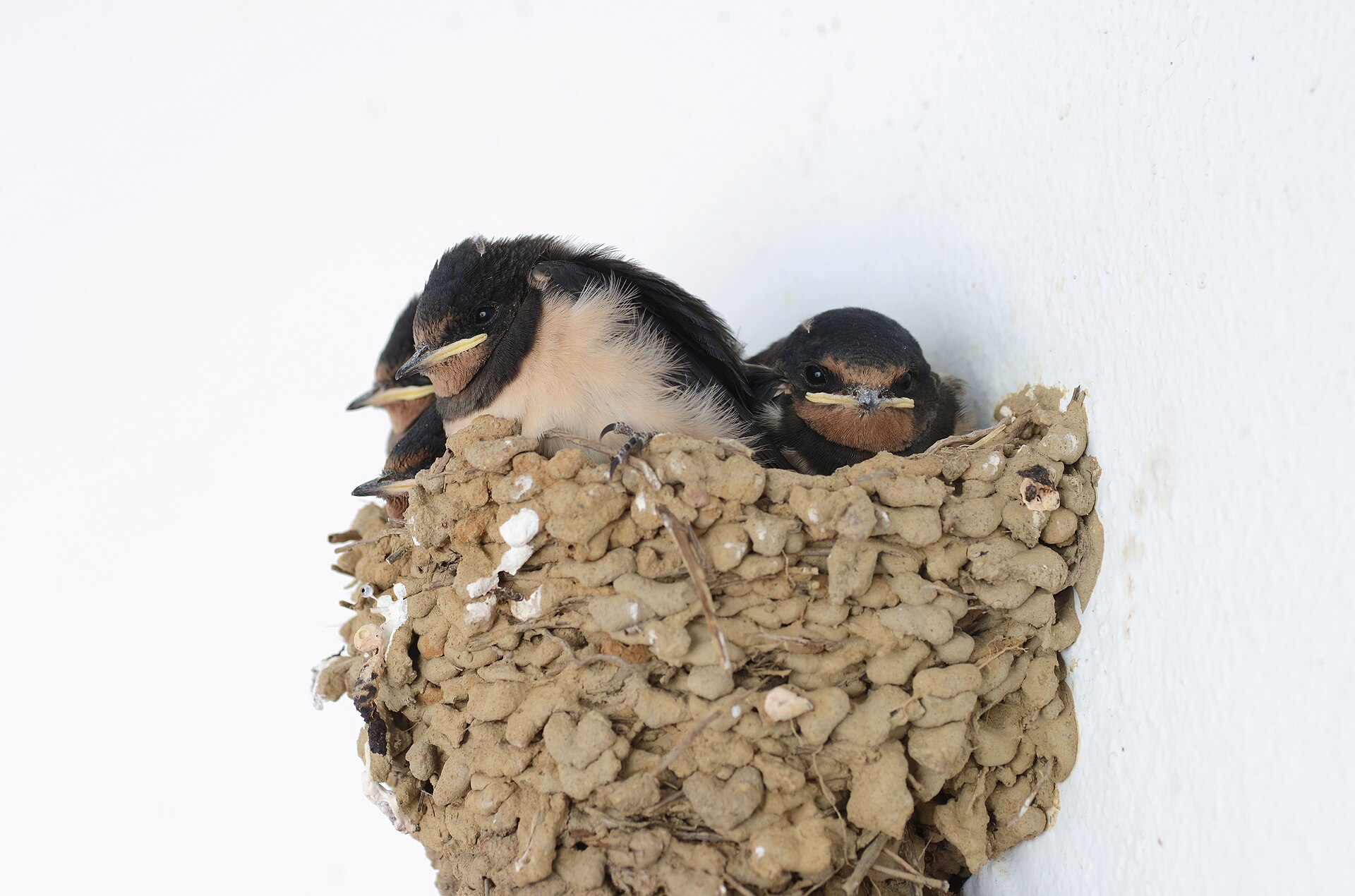
Larger Broods and Older Social Fathers Were Linked to Shorter Telomeres in Male Barn Swallow Nestlings
A long-term study near Milan found shorter telomeres in male barn swallow nestlings from larger broods or with…
Read story →SPECIES IN THIS STORY
Species in this story
Independent research and conservation news archive
Did you find this information useful?
Wildlife Vagabond is independently built and maintained. Voluntary support helps cover source verification, hosting and continued work on research and conservation news.
Support Wildlife VagabondThe news archive will remain freely available.