
Fifteen of 28 tagged harbour seals entered Dutch offshore wind farms
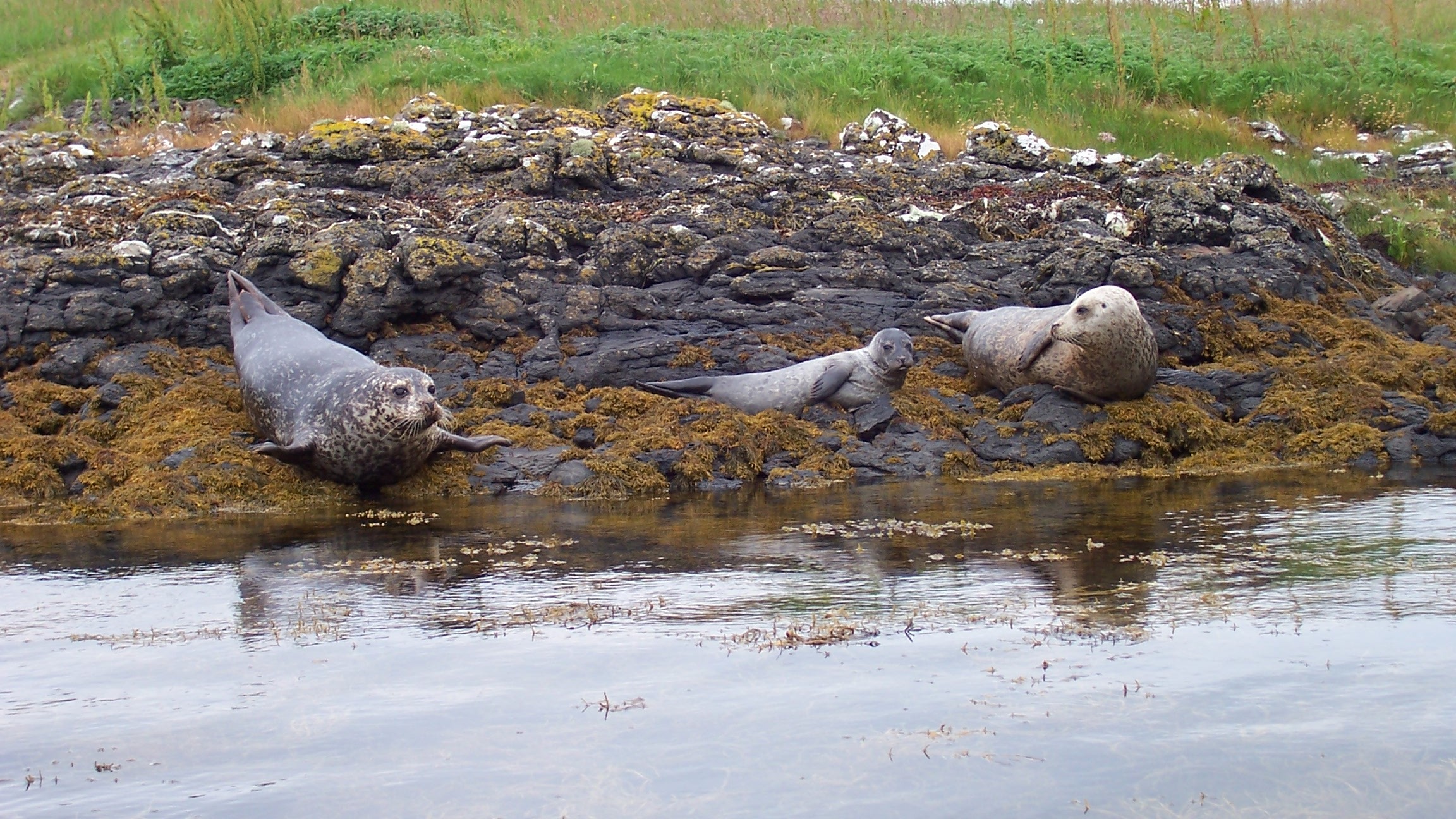
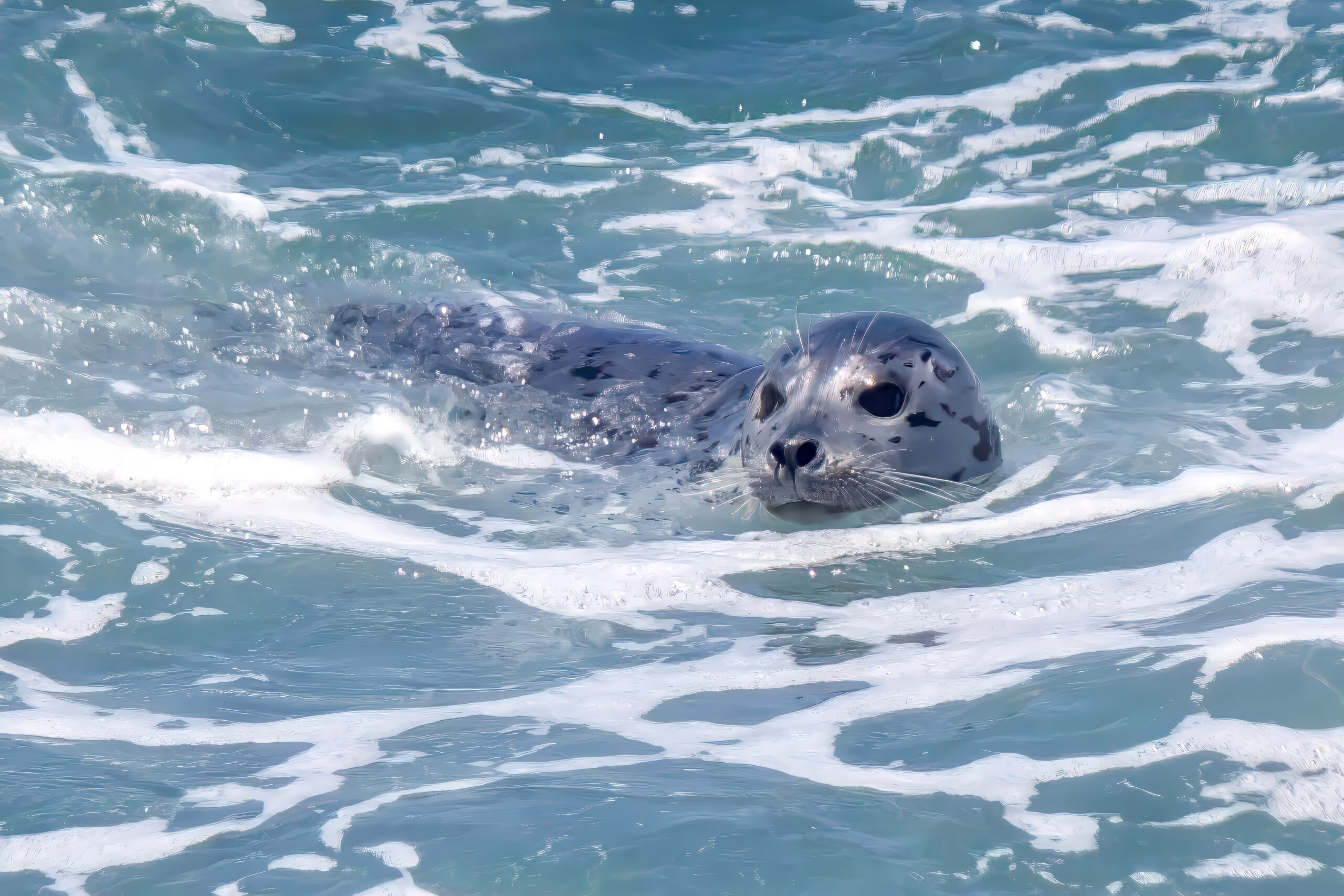
Fifteen of 28 harbour seals (Phoca vitulina) fitted with GPS/GSM tags in the western Wadden Sea entered one or more Dutch offshore wind farms during tracking from March 2025 to March 2026. Six animals also produced acceleration patterns interpreted as possible prey-capture attempts inside wind-farm areas, but the report does not establish whether the seals were feeding successfully or whether the wind farms affected their behaviour.
The project was designed to refresh distribution data used in assessments of offshore-wind impacts. Earlier distribution maps relied largely on tracking collected between 2006 and 2019, while survival of young harbour seals has changed and the Wadden Sea population has declined.
The animals were captured at Balgzand, east of Den Helder, during spring and autumn 2025. The sample included ten young of the year, six subadults, six adult females and six adult males. Tags glued to the fur recorded locations, dives and acceleration before being shed or ceasing transmission. Together, the devices supplied about 300,000 GPS positions.
Most tagged seals used waters within 50 kilometres of the Dutch coast, although some travelled more than 100 kilometres from the coast. Young seals showed greater variation and less regular foraging-trip patterns than adults. Individual tracking periods also varied: averages were 82 days for young-of-the-year seals, 115 days for subadults, 75 days for adult females and 56 days for adult males.
Some animals only crossed wind-farm boundaries, while others stayed briefly or made repeated or longer visits. The categories overlapped across different wind farms: eleven seals had at least a brief stay and five had an extended stay. Possible prey-capture attempts within wind farms were recorded for three young seals, two subadults and one adult male.
The report was designed to collect and describe new tracking data, not to test the effects of wind farms. Data came from one unevenly sampled year, with no records during the moulting period and limited coverage north of the Wadden Sea islands. The authors therefore call for repeated tracking and comparisons with areas and periods without wind farms before attraction, avoidance or population-level effects can be assessed.
Ecology
Related news
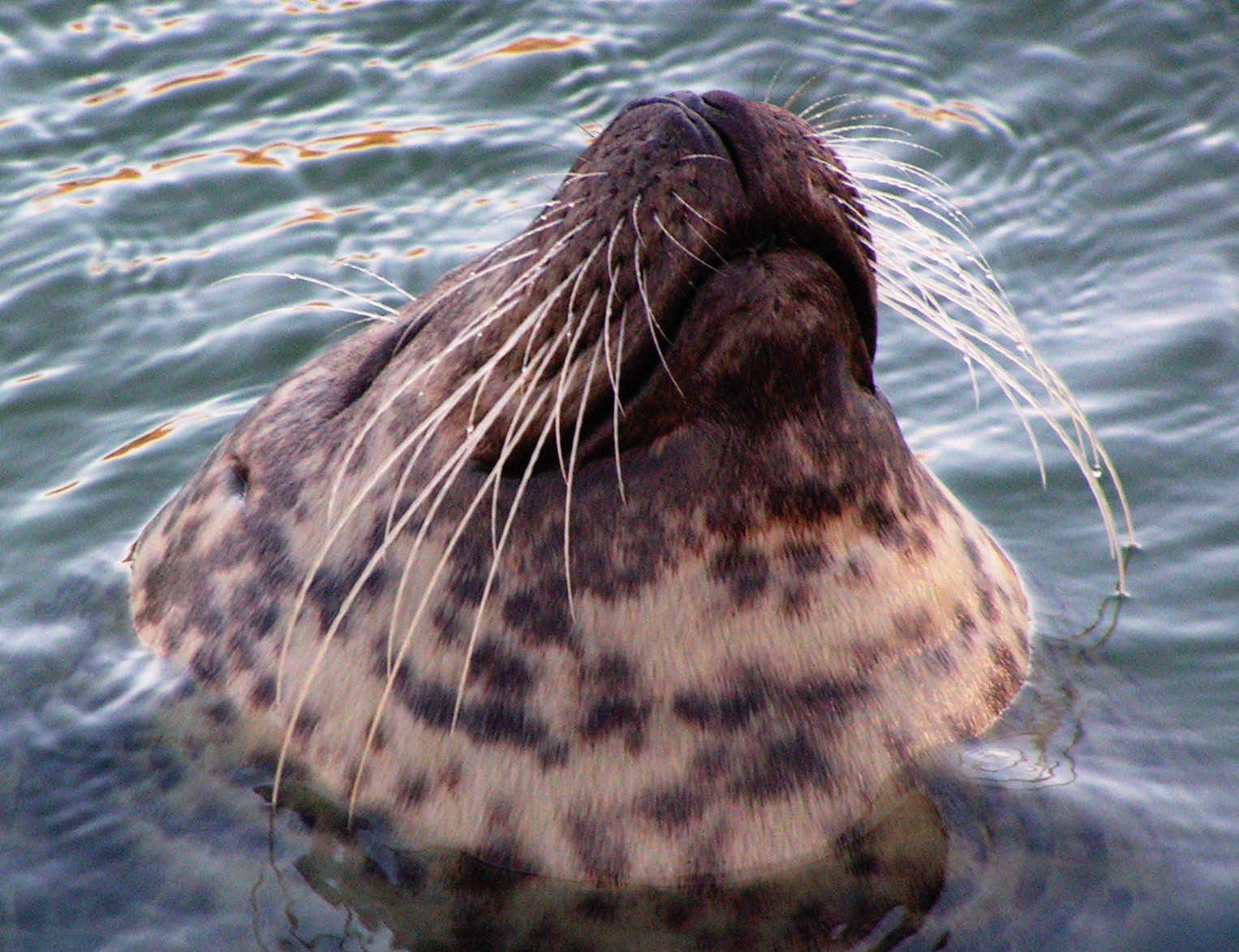
Blood Samples from 576 Wild Harbour Seals Establish 35 Health Reference Ranges
Blood samples collected from 576 wild harbour seals over 28 years produced reference intervals for 35 health parameters…
Read story →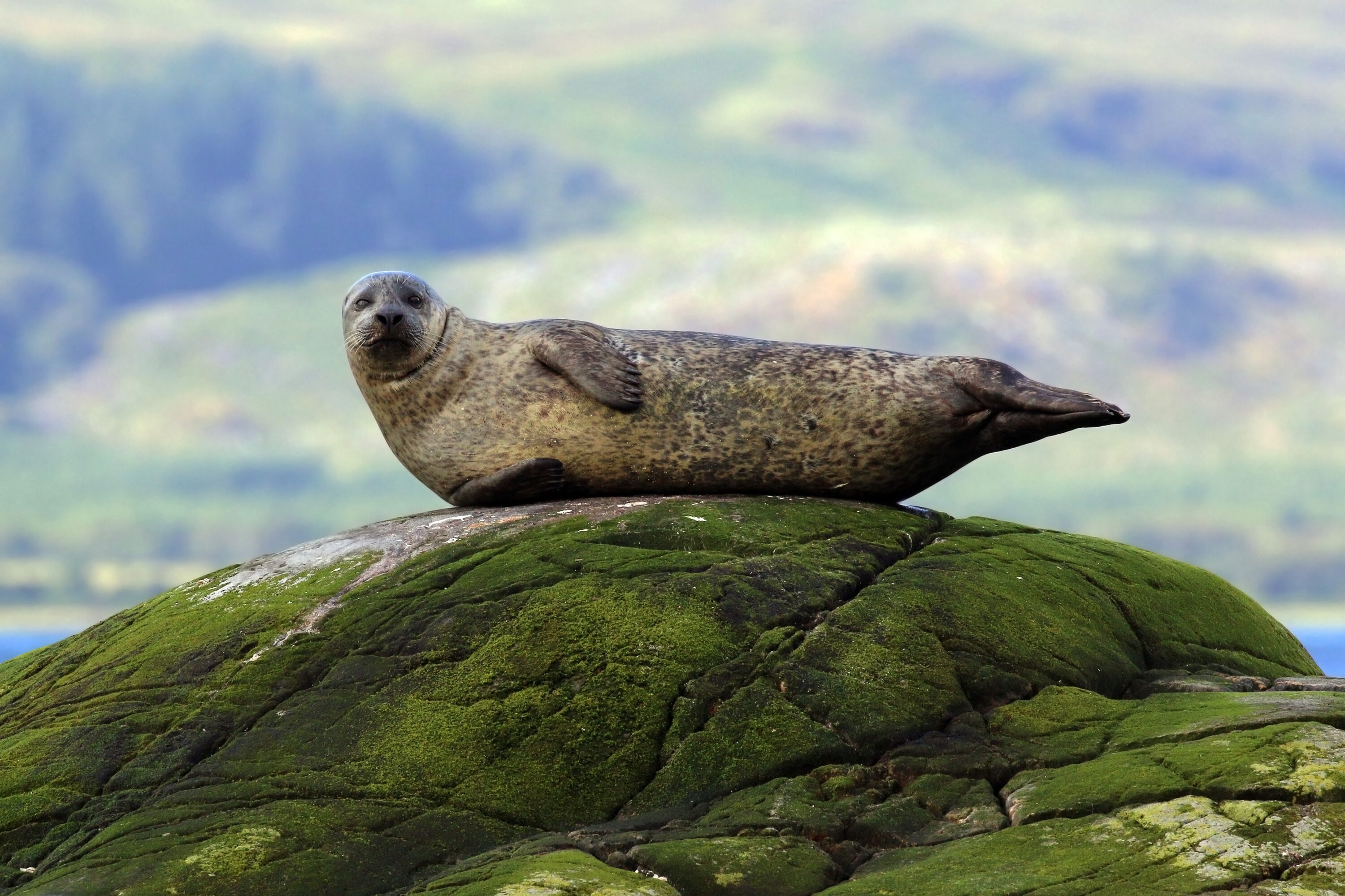
One Harbour Seal Had Similar Visual Acuity Underwater and in Air
A trained harbour seal detected small high- and intermediate-contrast targets about equally well underwater and in air, while…
Read story →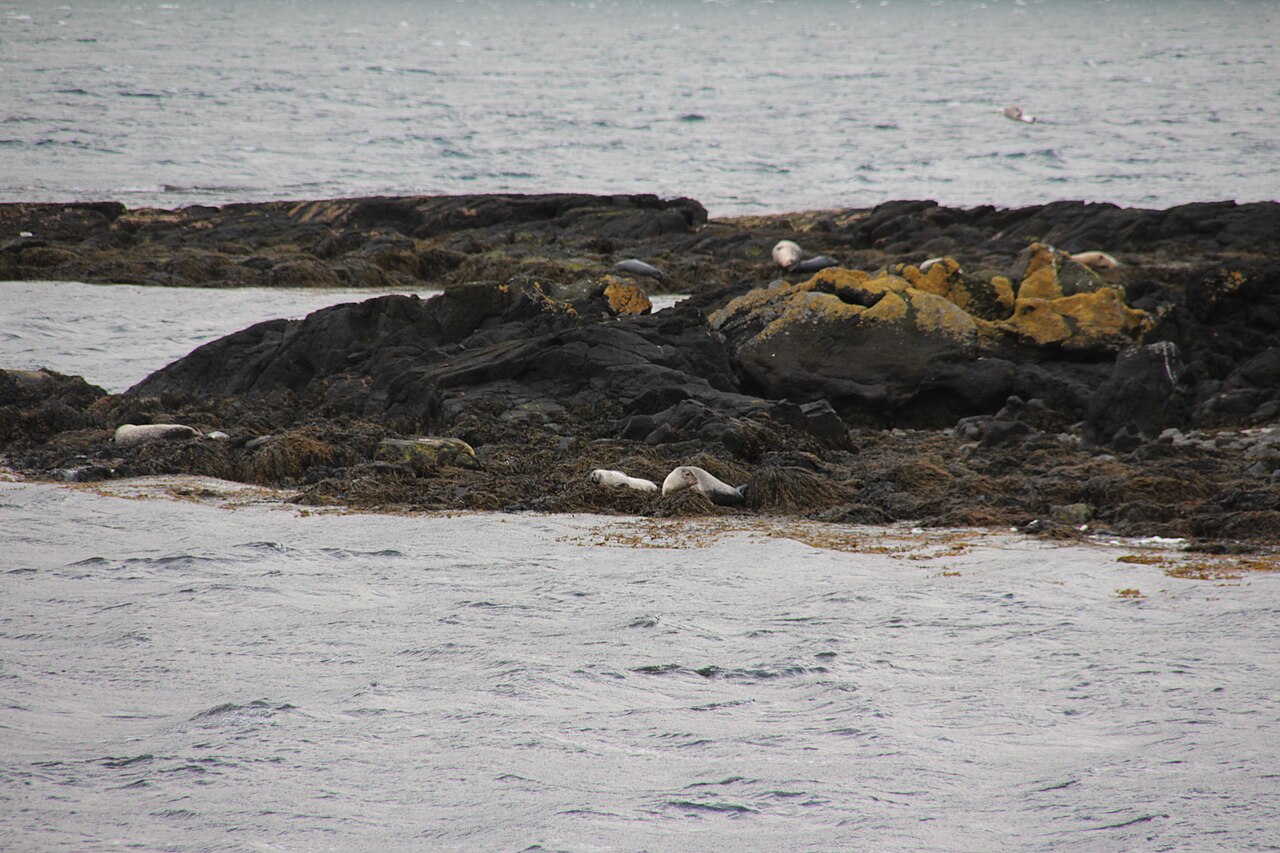
Northern Iceland Seal Count Recorded 441 Seals, Almost Unchanged From 2025
Volunteers counted 441 seals along just over 100 kilometres of coastline in northern Iceland on 27 July, almost…
Read story →SPECIES IN THIS STORY
Species in this story
Independent research and conservation news archive
Did you find this information useful?
Wildlife Vagabond is independently built and maintained. Voluntary support helps cover source verification, hosting and continued work on research and conservation news.
Support Wildlife VagabondThe news archive will remain freely available.