
Finland Released Regional Tools for Planning the 2026 Moose Harvest
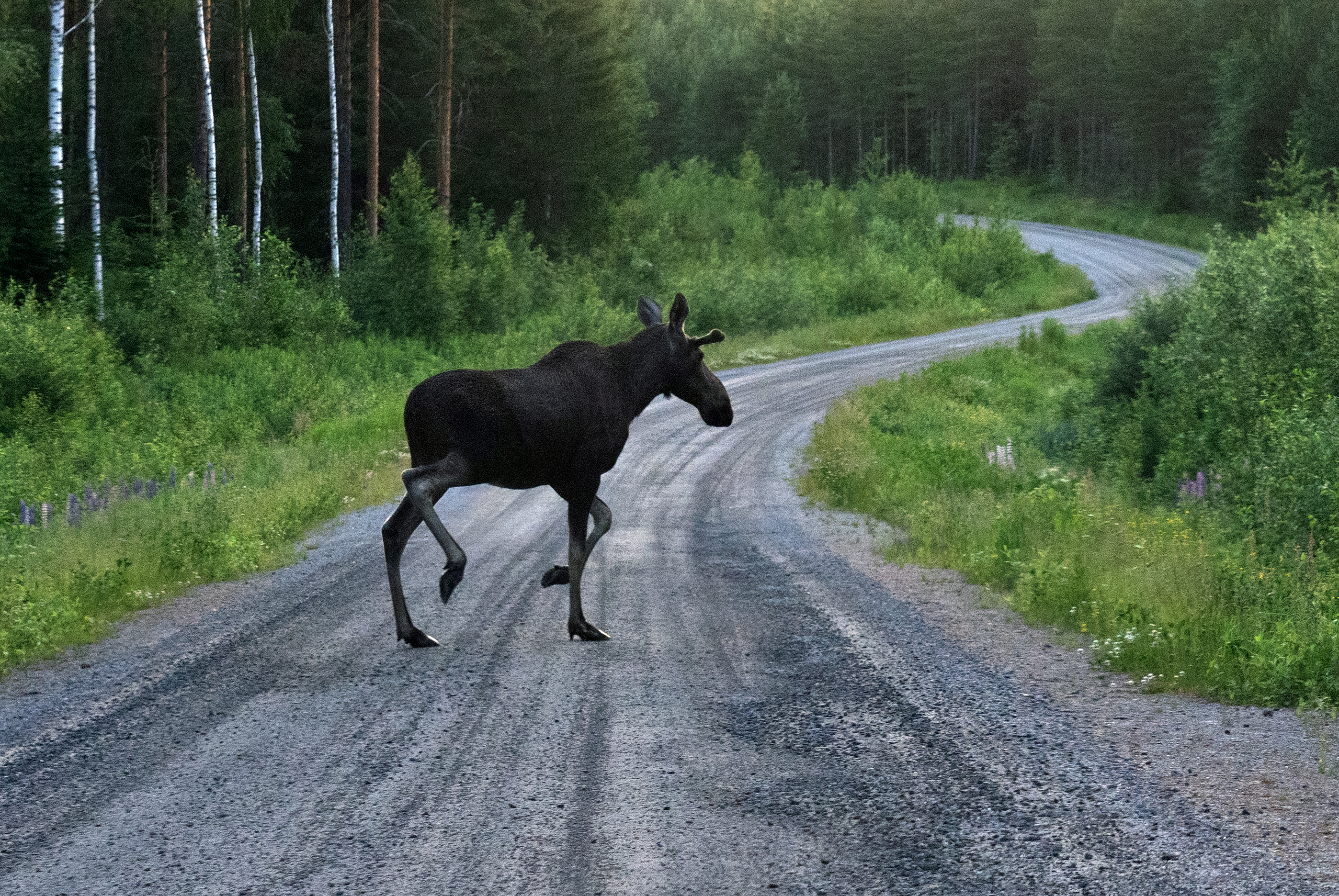
Finland released regional tables, maps and calculators for planning the 2026 moose (Alces alces) harvest on 13 March. The Natural Resources Institute Finland, Luke, published the package to help local and regional managers translate the latest population assessment into harvest plans for individual management areas.
The tools work at both regional and local levels
Finland has 59 moose management areas, each with objectives for population density and structure. Luke’s package provides data and recommendations for those larger areas as well as separate material for local game-management associations. An online harvest calculator, a downloadable spreadsheet and a map of post-hunt density are included.
The calculators allow managers to compare the estimated starting population, desired density and the effects of alternative harvest levels. They do not replace the objectives adopted by regional wildlife councils or the local decisions made by associations and hunting teams.
The release uses the February population estimate rather than creating a new one
The planning material is built on Luke’s 27 February assessment, which estimated about 88,000 moose after the 2025 hunt and documented large regional differences in density, sex ratio and calf production. The March release therefore represents a management step based on those results, not a separate population estimate.
The underlying assessment combines hunter observations and harvest reports with aerial and ground counts, road collisions and estimates of large-carnivore abundance. The new tools provide a common way to use that information when deciding how many moose of different age and sex classes should be harvested in each area during 2026.
Management
Related news
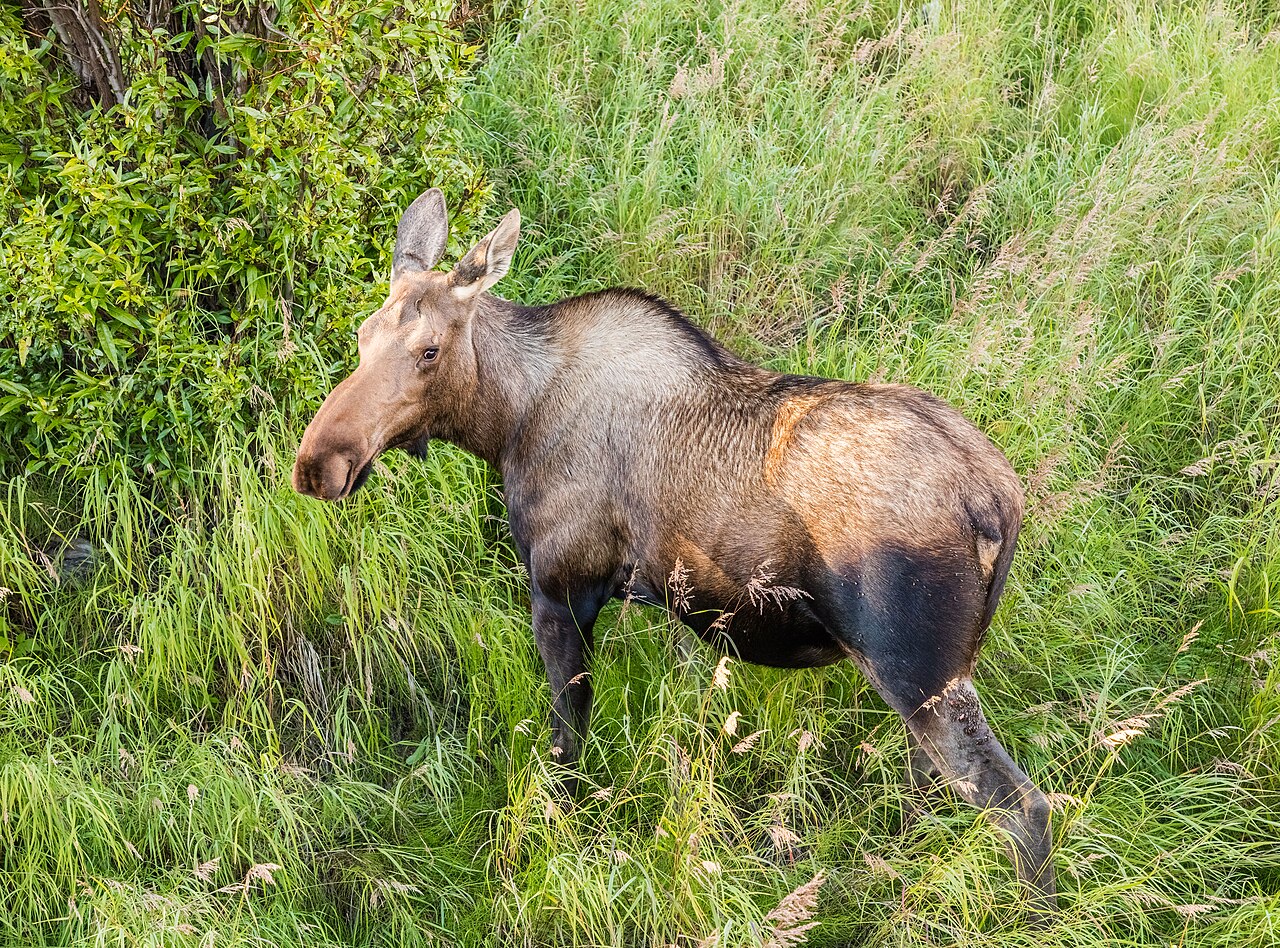
Arctic Moose Follow the River Valleys
GPS tracking in Alaska showed that half of 24 female moose migrated between summer and winter ranges. Migrants…
Read story →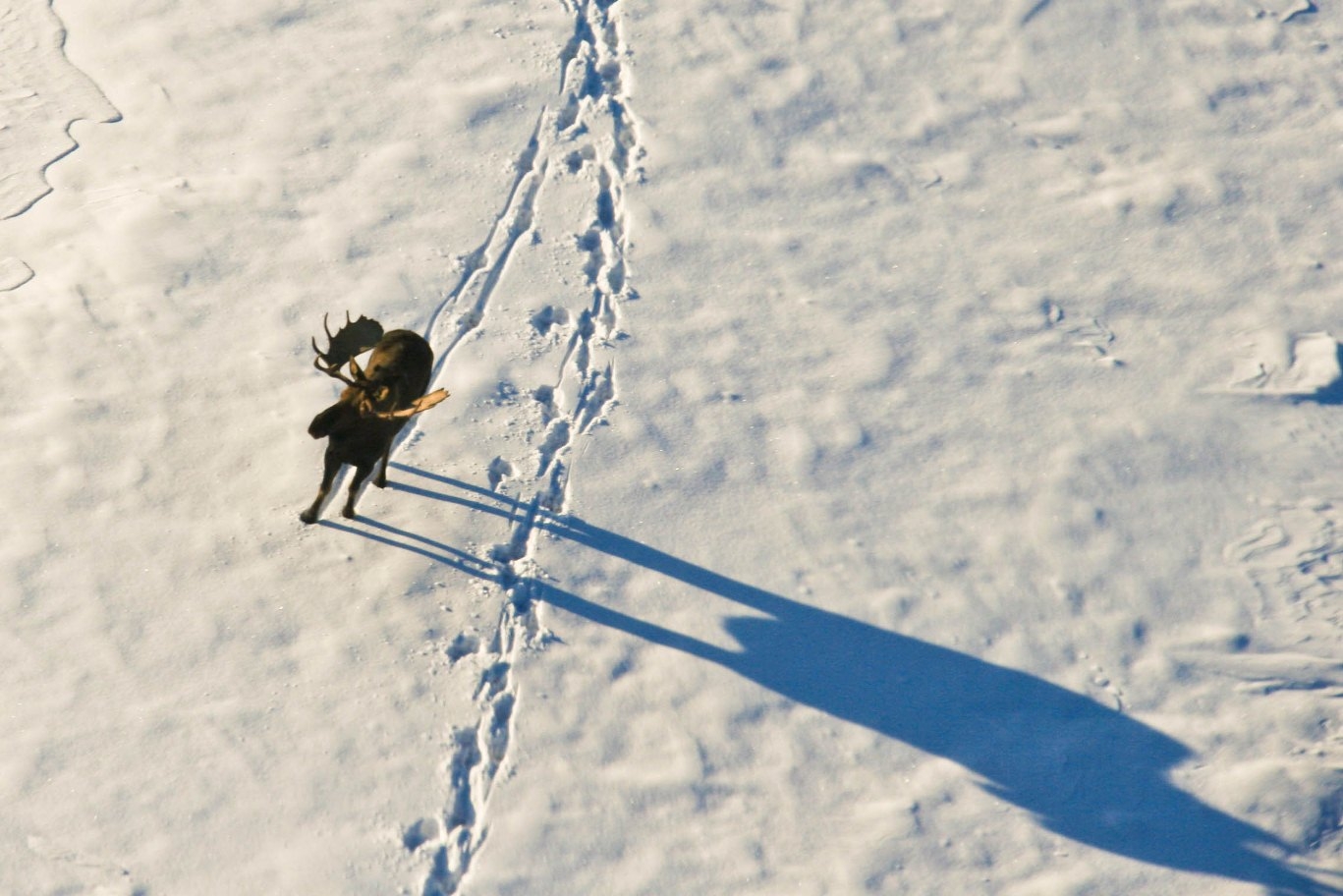
Thermal Drones Found Nearly All Moose in Favourable Winter Weather
Swedish trials found detection close to 100% in cold, overcast winter conditions, but the survey effort needed for…
Read story →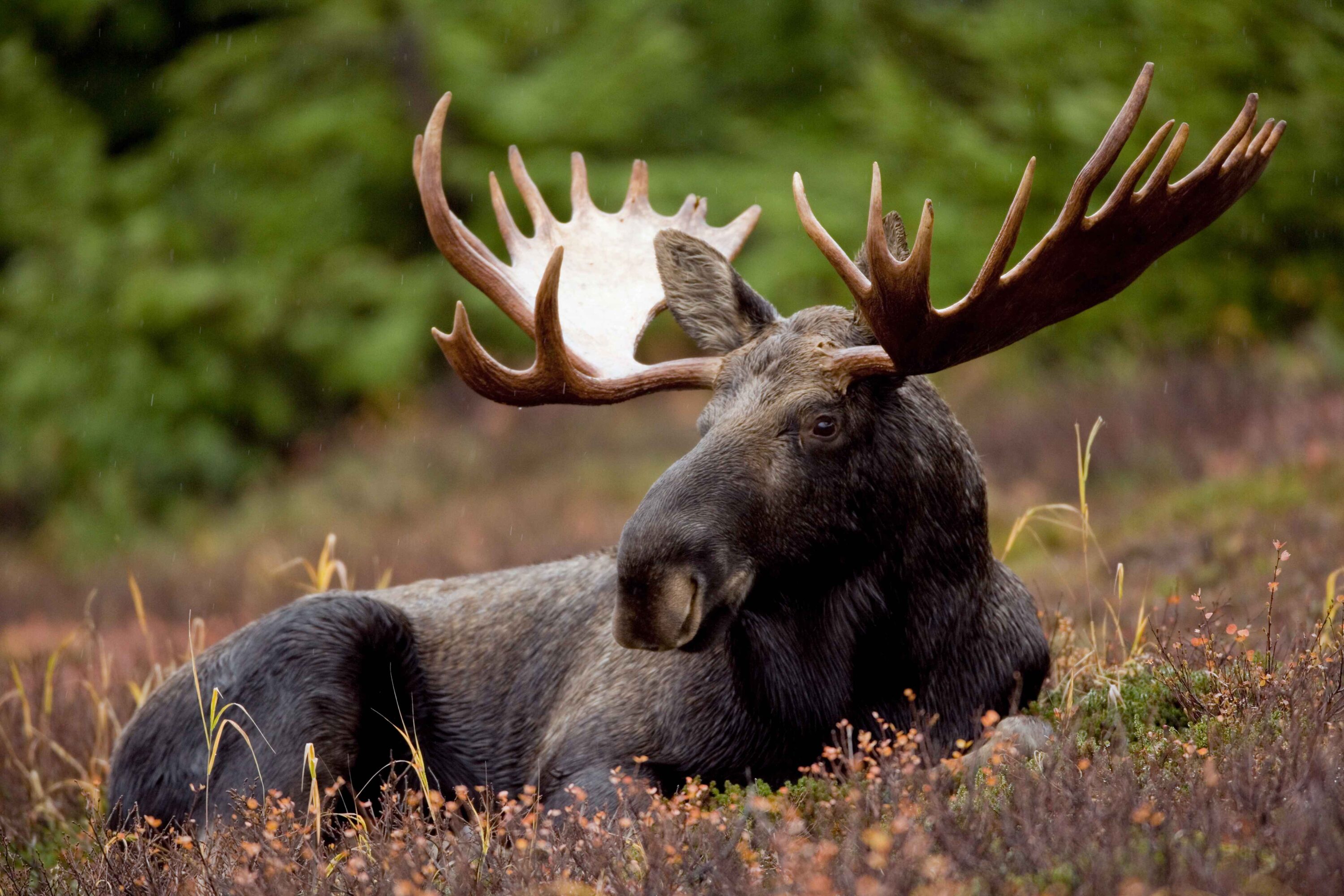
Even Adirondack Park’s Densest Moose Area Was Too Sparse for Precise Aerial Estimates
Helicopter surveys estimated about 92 moose in the Adirondack core in 2024 and 112 in 2025, but broad…
Read story →SPECIES IN THIS STORY
Species in this story
Independent research and conservation news archive
Did you find this information useful?
Wildlife Vagabond is independently built and maintained. Voluntary support helps cover source verification, hosting and continued work on research and conservation news.
Support Wildlife VagabondThe news archive will remain freely available.