
First Arabian Leopard Nuclear Genome Assembly Provides a Reference for Conservation Genomics
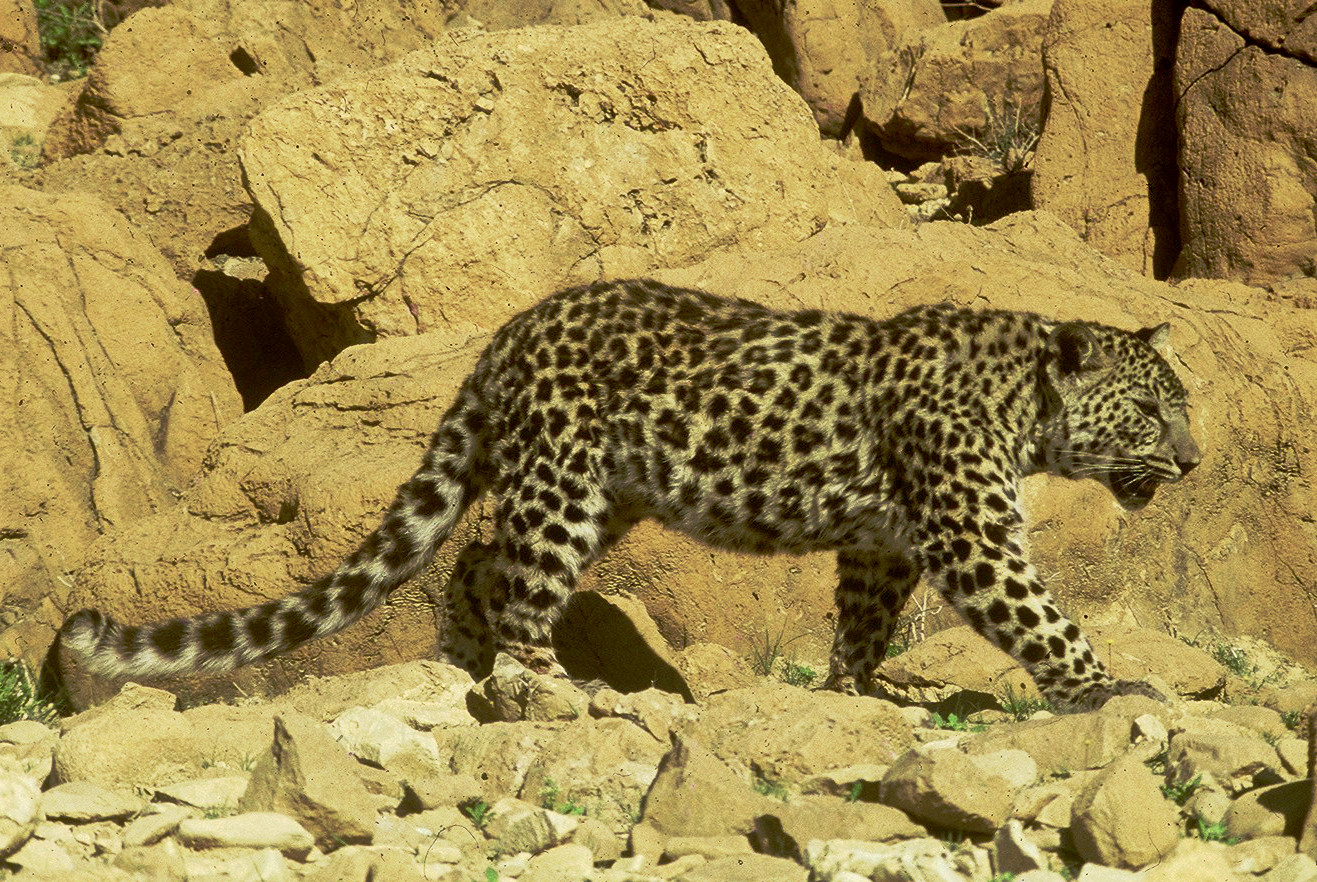
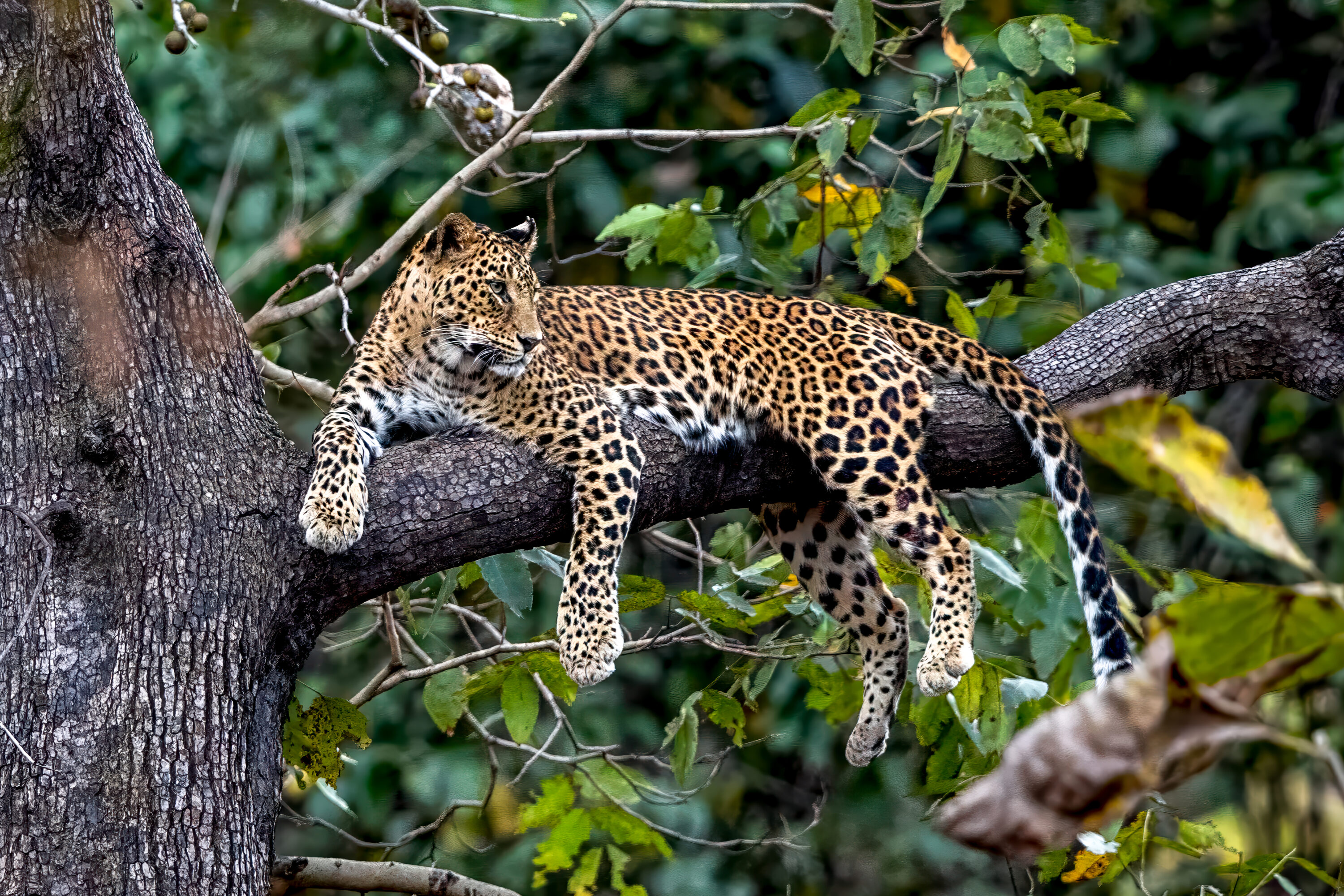
The Arabian leopard (Panthera pardus nimr) now has its first nuclear genome assembly built directly from DNA of the subspecies. Published on 8 July 2026, the reference genome, named Nimr1, was assembled from a wild-born male in Oman — the same animal used for the complete mitochondrial genome published in 2025.
Mitochondrial DNA follows the maternal line and represents only a small part of an animal’s genetic material. Earlier work had produced whole-genome sequence data from two captive Arabian leopards, but those reads were mapped to a domestic-cat reference rather than used to build a new Arabian leopard genome. Nimr1 therefore provides a reference sequence from the subspecies itself.
A high-quality draft genome
The blood sample was collected during a routine veterinary assessment connected to a relocation in September 2023. PacBio HiFi sequencing produced long DNA reads with high accuracy. The resulting assembly spans about 2.43 gigabases in 94 contiguous sequences, or contigs, with no sequence gaps. Its contig N50 is 62.4 megabases, meaning that half of the assembly lies in contigs at least that long.
A BUSCO assessment recovered 99.4% of 13,727 conserved carnivore genes, indicating that the draft contains almost all of the expected gene set. The researchers predicted 23,459 protein-coding genes. A comparison of simple sequence repeats across six Panthera genomes found broadly conserved patterns and no repeat expansion unique to the Arabian leopard.
One genome is not a population survey
Nimr1 was assembled from a single male. It therefore cannot show how much genetic diversity remains across wild and captive Arabian leopards, or provide population-wide estimates of inbreeding and harmful mutation load. The assembly also remains at contig level rather than chromosome level, so its sequences have not yet been fully organised into individual chromosomes.
Nimr1 can anchor population comparisons
The authors describe the genome as a foundation for comparing DNA from additional animals. Future resequencing can use Nimr1 to examine genetic diversity, relatedness, long homozygous regions—stretches where the two inherited chromosome copies carry the same variants, which can reveal shared ancestry and inbreeding—demographic history and gene flow. They also identify possible uses in captive-breeding decisions and in developing DNA markers for individual identification, parentage and seized wildlife material.
The assembly, annotation and raw HiFi reads are openly available through NCBI. The value of the reference will therefore grow as more samples are added: Nimr1 supplies the genomic map, while population-level conclusions still require DNA from many more Arabian leopards.
Genetics & genomics
Related news
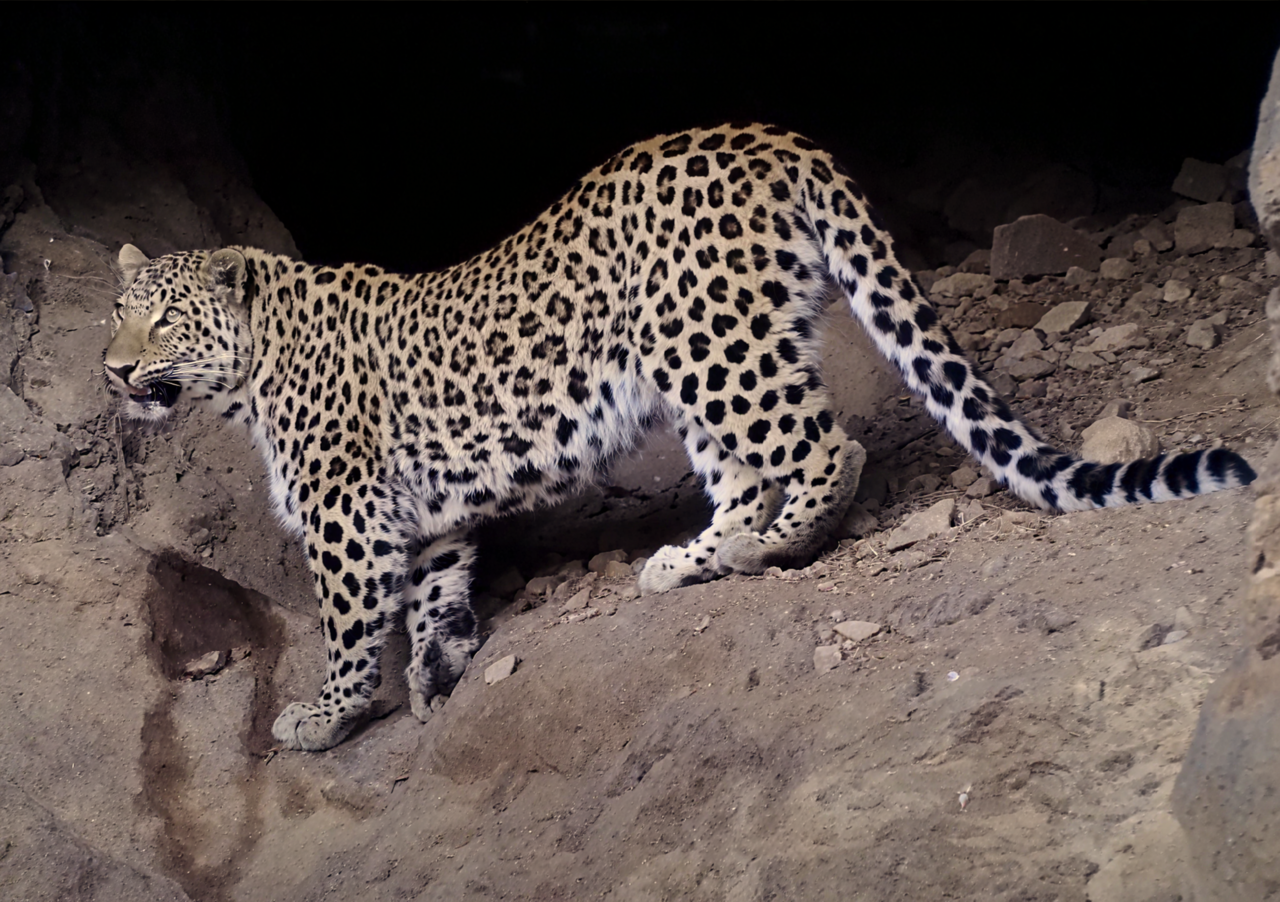
Living With Carnivores Is About More Than Livestock Losses
Near Iran’s Golestan National Park, researchers explored what was associated with people’s willingness to accept leopards, wolves and…
Read story →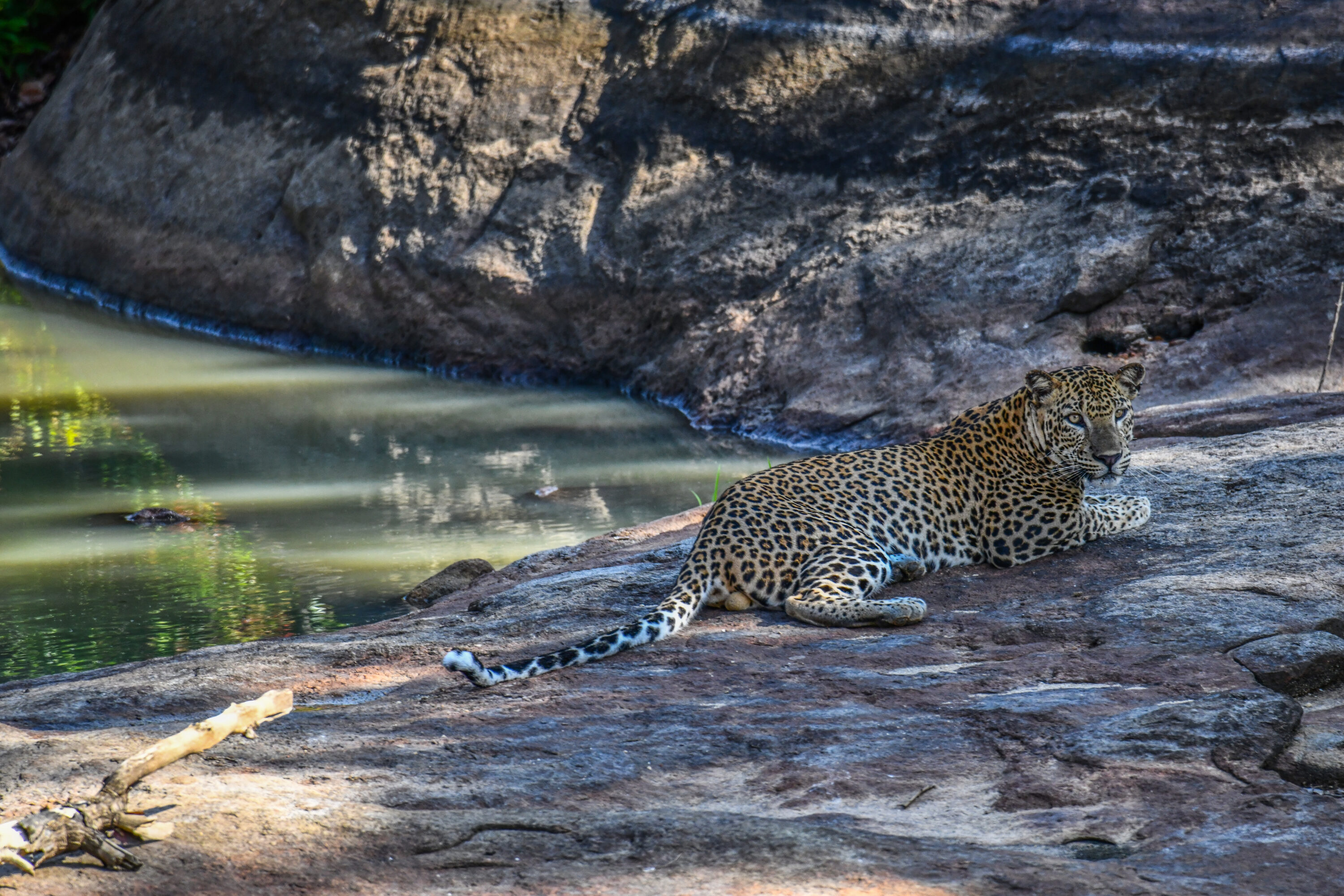
Sri Lankan Leopards in Tea Landscape Were Less Active by Day and More Active at Dusk
In Sri Lanka’s Central Highlands, only 4.4% of leopard records in an unprotected tea landscape were diurnal while…
Read story →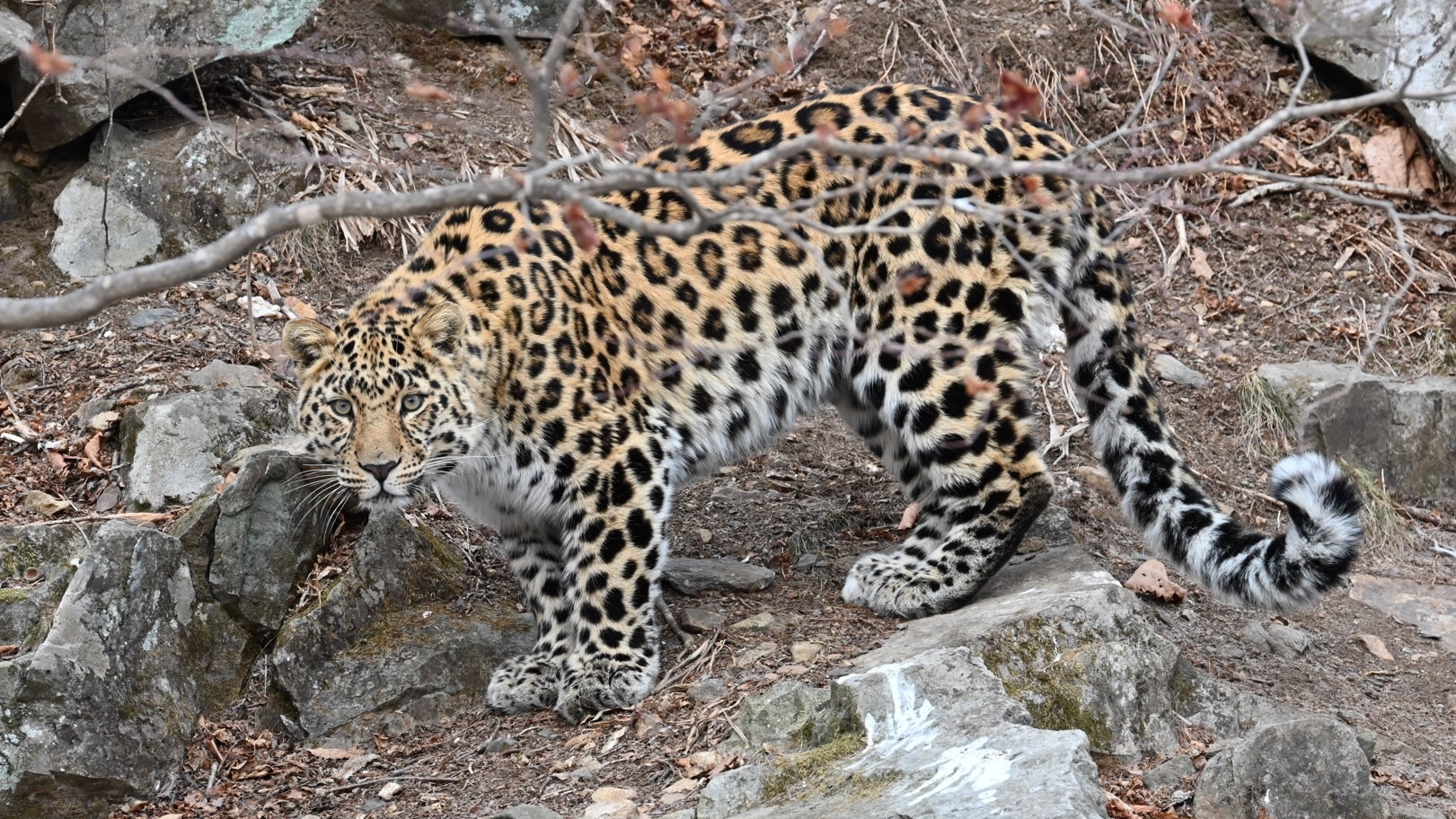
Amur leopard density nearly tripled in a decade
Ten years of camera-trap data from Russia’s Land of the Leopard National Park show a strong recovery in…
Read story →SPECIES IN THIS STORY
Species in this story
Independent research and conservation news archive
Did you find this information useful?
Wildlife Vagabond is independently built and maintained. Voluntary support helps cover source verification, hosting and continued work on research and conservation news.
Support Wildlife VagabondThe news archive will remain freely available.