
First High-Quality Reference Genome Built for the Western Bluebird
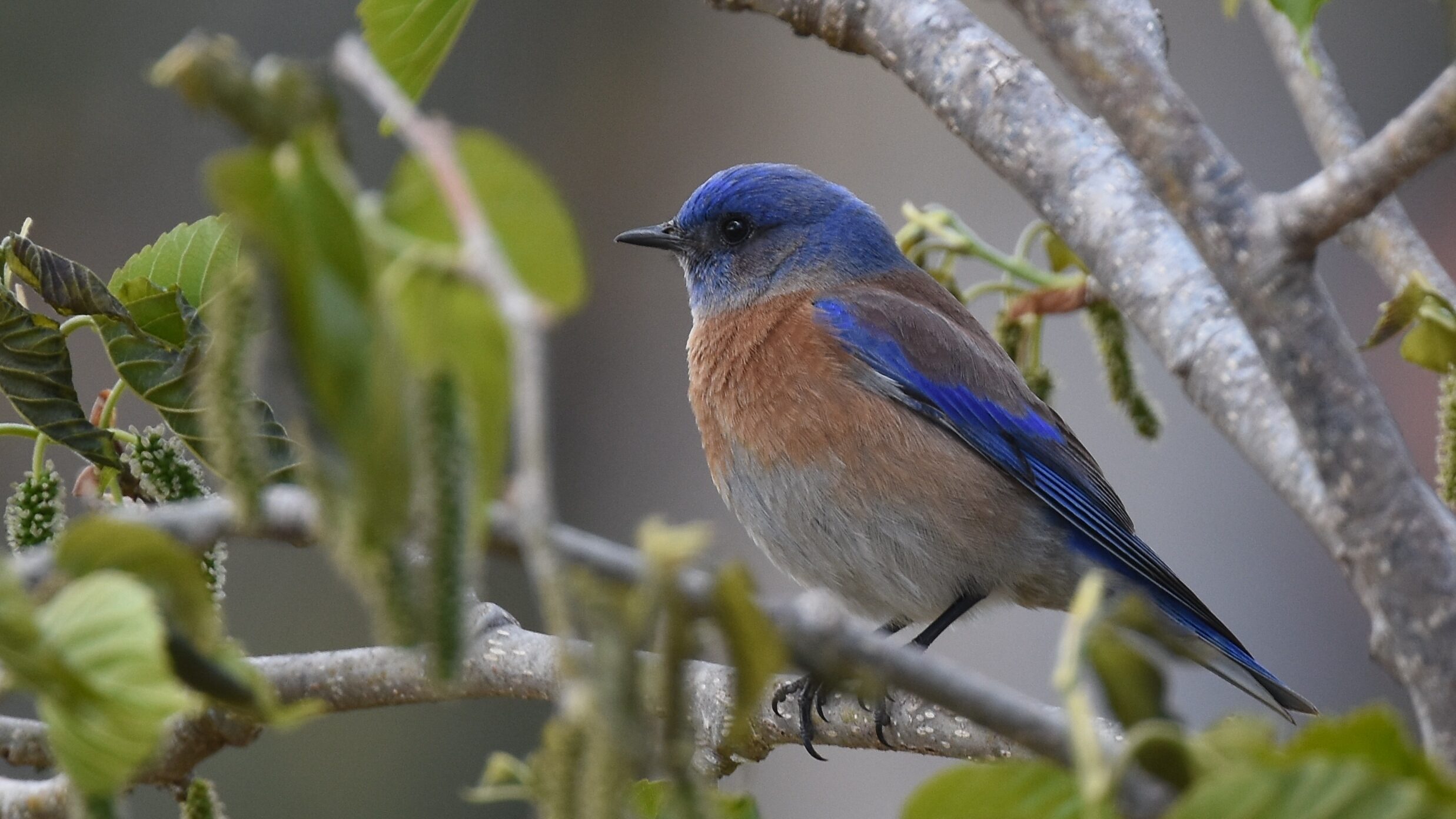
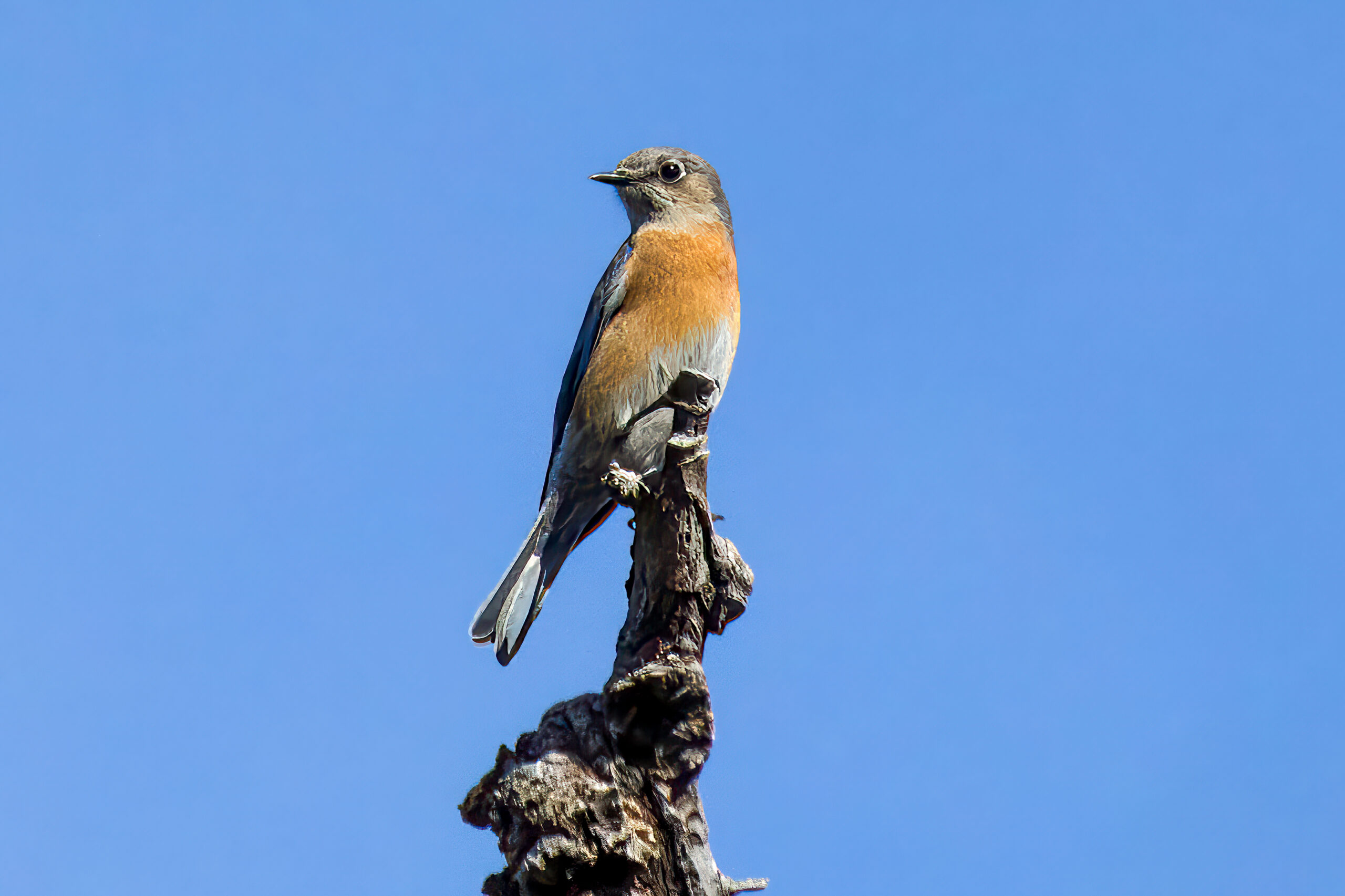
Researchers have assembled the first high-quality reference genome for the western bluebird (Sialia mexicana) and the first highly contiguous reference genome for any species in the genus Sialia. The study was published in Genome Biology and Evolution on 27 August 2026.
What a reference genome provides
A reference genome is not a survey of all genetic variation in a species. It is a carefully assembled representative DNA sequence that provides a common map against which DNA from other individuals can be compared. For western bluebirds, that map now makes population-level genomic studies possible without relying on a more distantly related species.
Built from long DNA reads
The main nuclear genome was built from blood from a single adult female captured at the Putah Creek Nestbox Highway in California, USA. The researchers used PacBio HiFi long-read sequencing, which reads long stretches of DNA and helps bridge repeated regions that are difficult to assemble from short fragments. Illumina data from 10 males from western Montana were screened for mitochondrial DNA; the bird with the highest mitochondrial coverage provided the reads used to assemble the mitochondrial genome. RNA from 25 embryonic brain samples from Montana helped identify genes in the nuclear assembly.
The final primary nuclear assembly contained about 1.30 billion base pairs in 168 contigs. Its contig N50 was 24.8 million base pairs, meaning that half of the assembled genome lies in continuous sequence pieces at least that long. The assembly was also partly phased, separating the two chromosome copies inherited from the bird’s parents where possible. A BUSCO completeness check, which searches for highly conserved bird genes expected to be present, recovered 98.3% of those genes.
Using RNA and protein evidence, the team annotated 16,656 protein-coding genes and 26,060 transcripts or protein isoforms. They also assembled a complete mitochondrial genome of 16,110 base pairs, containing the 13 protein-coding genes, 22 transfer-RNA genes and two ribosomal-RNA genes typical of a vertebrate mitochondrial genome.
A reference, not a population health check
These figures describe the quality and content of the genomic resource; they do not by themselves show whether wild populations are genetically healthy. The biological value comes when DNA from many western bluebirds is mapped to the same reference and compared across populations.
That is particularly relevant because western bluebirds have experienced historical declines and local extirpations, followed by recolonisation in some areas aided by nest-box programmes. The authors note that eBird estimates still indicate decline across much of the breeding range, with a median estimated abundance decline of 21.8% from 2007 to 2022 and substantial geographic variation in population trends.
With a species-specific reference genome, researchers can examine population structure and connectivity, measure genetic diversity and inbreeding, reconstruct demographic history, and study adaptation and hybridisation. A high-quality reference also improves read mapping and variant discovery compared with aligning western-bluebird DNA to the genome of a more distant relative.
The reference itself comes mainly from one female, so it is a starting map rather than a catalogue of genetic variation across the species. Answering those population questions will require samples from many birds across the range; the Bird Genoscape Project is therefore seeking additional western bluebird samples for future genomic work.
Genetics & genomics
Related news
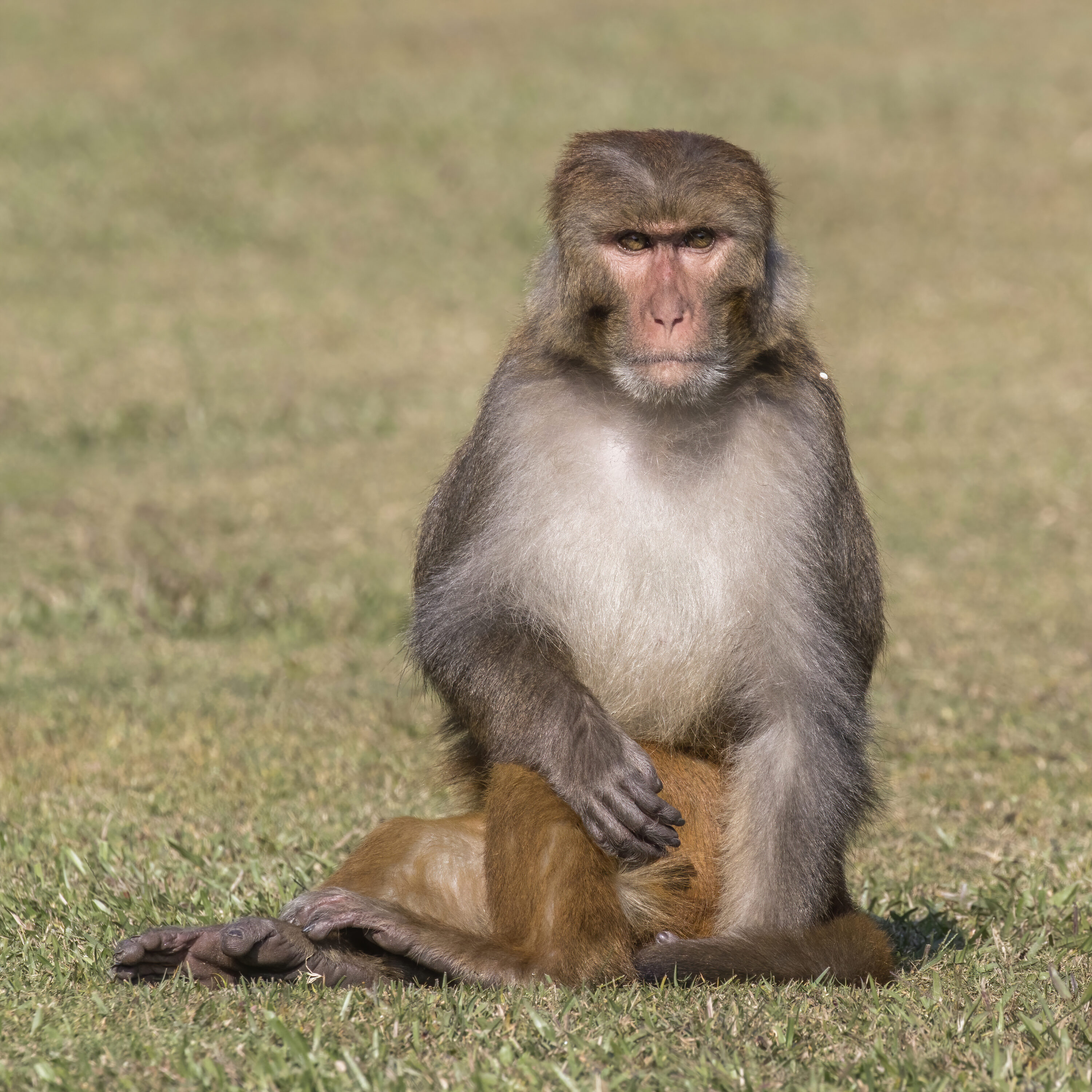
mFISH Mapped 16 of 22 Rhesus Macaque Chromosome Types to a Single Human Chromosome
Human chromosome-painting probes showed one-to-one homology for 16 of 22 rhesus macaque chromosome types, while three macaque chromosomes…
Read story →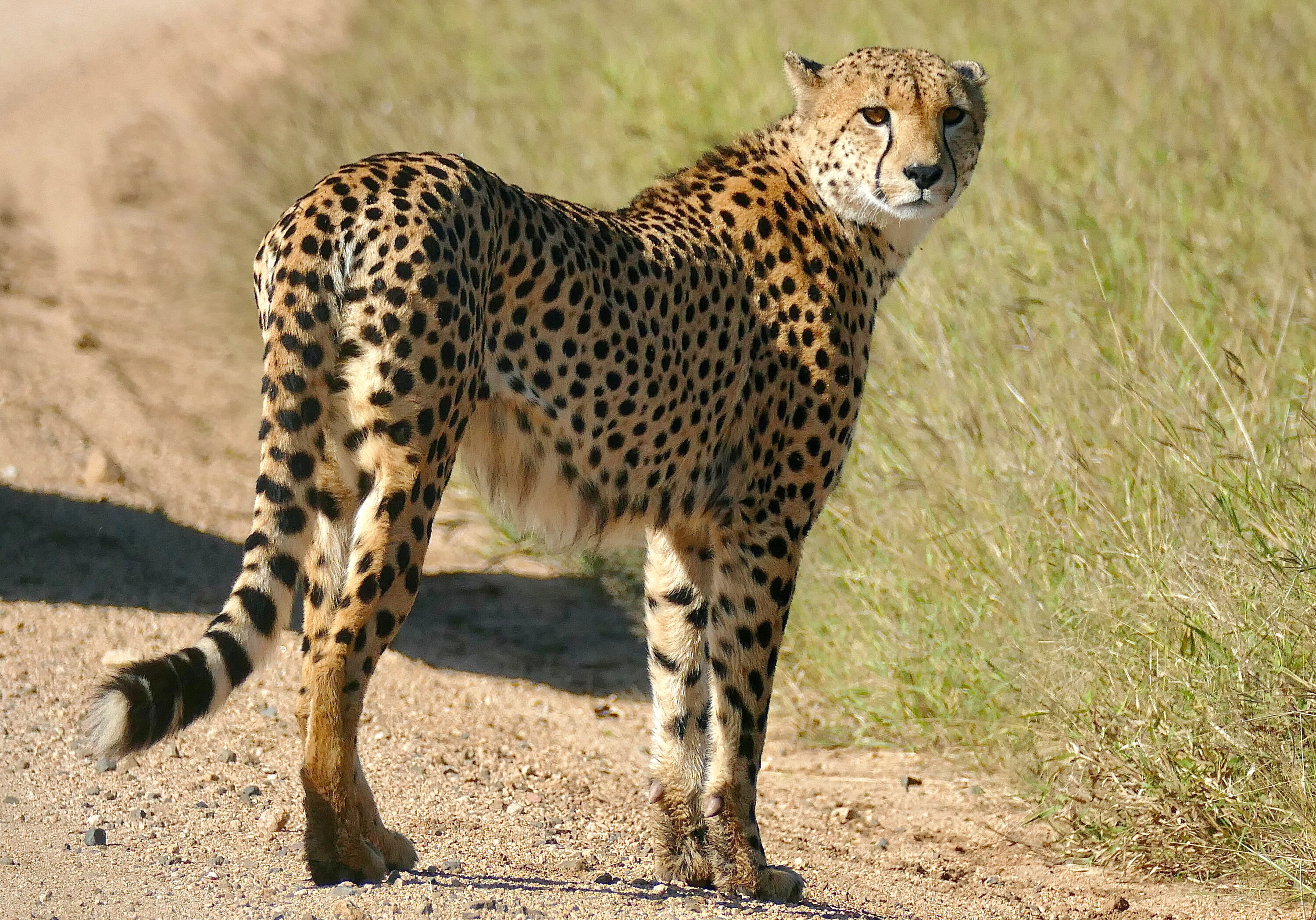
DNA Methylation Shifted as Namibian Male Cheetahs Became Territorial
Paired blood samples from ten free-ranging Namibian males revealed widespread, predominantly increased DNA methylation after the same cheetahs…
Read story →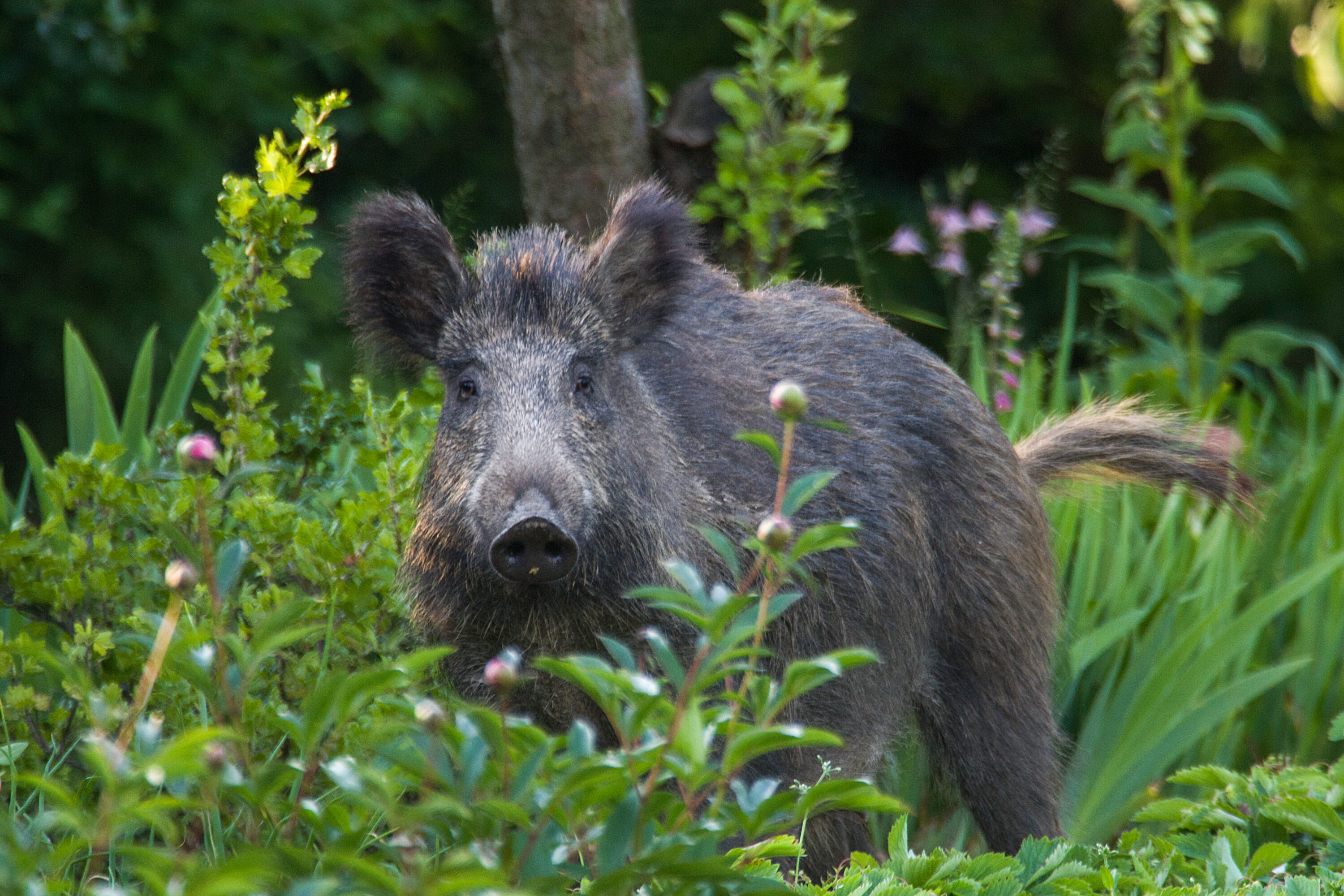
Zoonotic Sarcocystis Found in 3.3% of Polish Wild Boar Hunted for Food
Molecular testing of 241 wild boar from all 16 Polish provinces found Sarcocystis miescheriana DNA in 90% and…
Read story →SPECIES IN THIS STORY
Species in this story
Independent research and conservation news archive
Did you find this information useful?
Wildlife Vagabond is independently built and maintained. Voluntary support helps cover source verification, hosting and continued work on research and conservation news.
Support Wildlife VagabondThe news archive will remain freely available.