
Western Bluebird Incubation Survival Was 11% Lower in the Later Half of a 22-Year Study
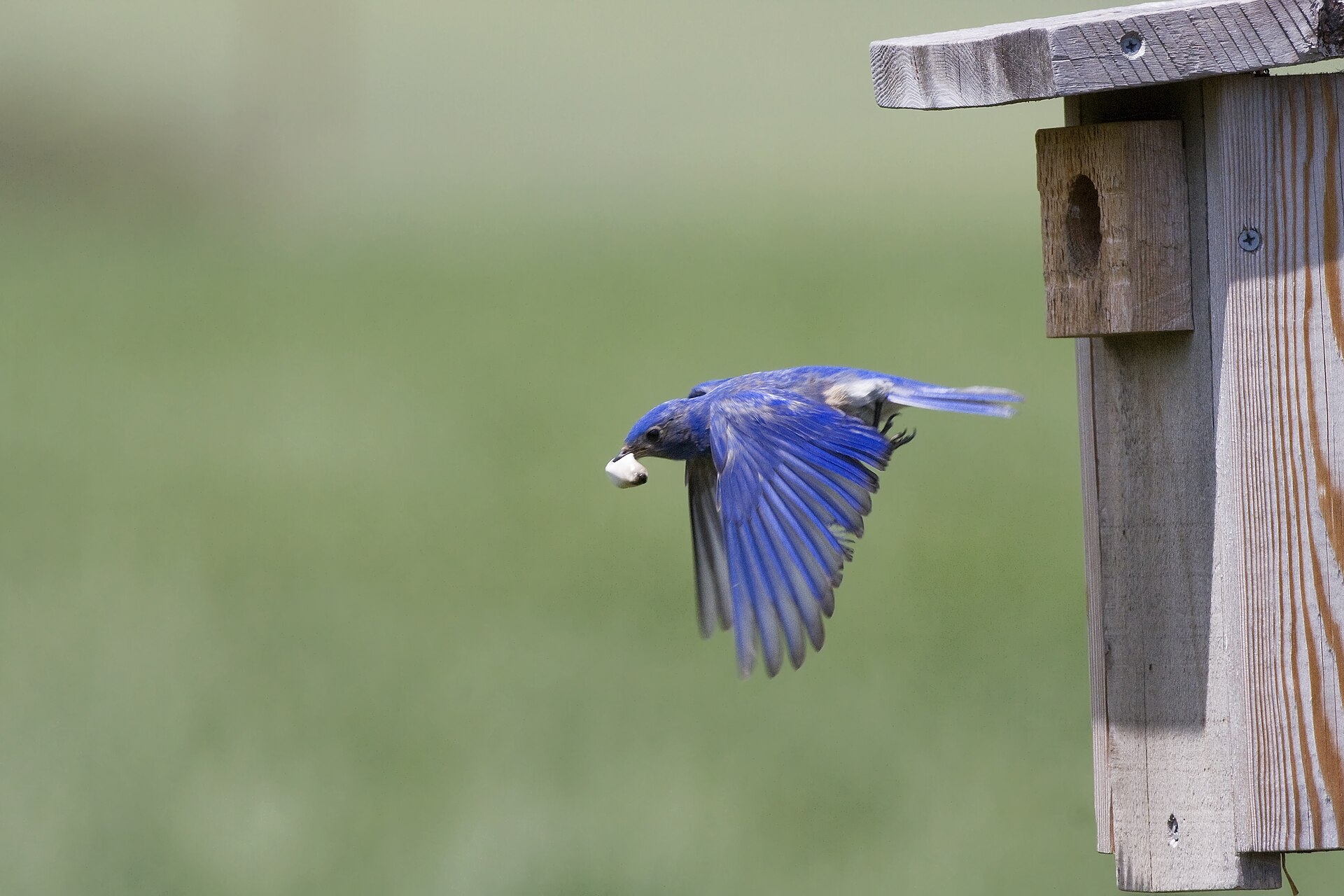
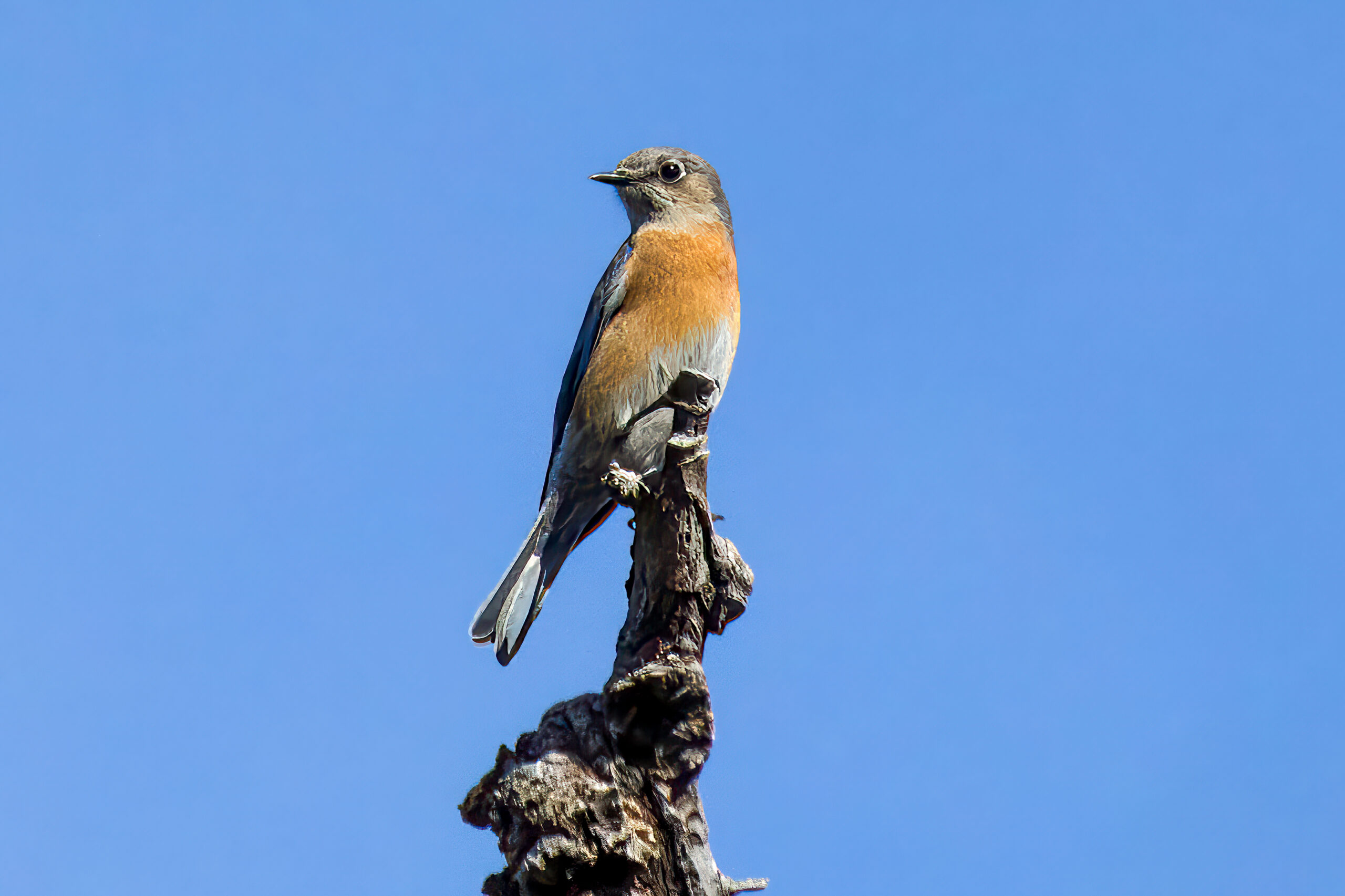
Western Bluebirds (Sialia mexicana) nesting in north-central New Mexico had lower incubation survival in the later half of a 22-year study, while birds nesting higher along the elevation gradient were more successful. The analysis followed 1,378 Western Bluebird nests between 1997 and 2018 and compared breeding timing, climate, elevation and periods before and after a major tree-mortality event.
Nest survival describes the probability that a nest remains active through a breeding stage rather than failing through predation, abandonment or another cause. Because successful reproduction depends on surviving both incubation and the nestling period, long-term nest records can reveal environmental patterns that are difficult to see within a single breeding season.
More than 1,300 bluebird nests were followed over 22 years
The full study contained 1,649 nests: 1,378 Western Bluebird nests and 271 Ash-throated Flycatcher nests. Both are secondary cavity nesters, meaning they use existing holes rather than excavating their own cavities, and they occur in similar habitats in the study region.
The researchers asked whether nest survival changed with the timing of breeding, year-to-year climate and elevation, and whether broad patterns differed between 1997–2006 and 2007–2018. The latter comparison spans a period before and after substantial conifer mortality in the landscape.
For both species, daily nest survival increased as the breeding season progressed and then levelled off. Survival also declined as nests became older during both incubation and nestling stages. The two species differed, however, in how elevation and the long-term period comparison affected them.
Higher-elevation bluebird nests were more successful
Western Bluebird nest survival increased with elevation. Nests in the upper third of the studied elevation range had 15% higher incubation and overall nesting success than nests in the lower two-thirds.
Ash-throated Flycatchers did not show the same elevation relationship despite using similar nesting habitat. That contrast matters because it indicates that the pattern cannot simply be attributed to cavity nesting itself or to every species using the same landscape in the same way.
The authors suggest that the bluebird elevation gradient may be related to climate-driven habitat shifts following tree mortality, but the study does not establish one single mechanism behind the difference. Temperature, precipitation and habitat changes were among the environmental factors examined across the long time series.
Incubation survival fell by 11% in the later period
Western Bluebird incubation survival was 11% lower in 2007–2018 than in 1997–2006. By contrast, the researchers found no corresponding difference between the two periods in nestling survival for Western Bluebirds, and neither stage showed the same long-term pattern in Ash-throated Flycatchers.
This stage-specific result is important. A decline during incubation does not mean that every part of breeding became less successful. Instead, the change was concentrated before hatching, while survival during the nestling stage remained comparable between the earlier and later periods.
The 22-year record therefore shows that breeding success can vary simultaneously with time, elevation and reproductive stage. For Western Bluebirds in this New Mexico landscape, the clearest long-term signals were lower incubation survival in the later years and better incubation and nesting success toward the upper part of the elevation gradient.
Reproduction & development
Related news
Preliminary Climate Watch Results Suggest Western Bluebirds Are Shifting With Climate Suitability
Ten years of Climate Watch observations suggest western bluebirds are changing where they occur as local climate suitability…
Read story →
First High-Quality Reference Genome Built for the Western Bluebird
A 1.3-billion-base-pair genome built from a California female recovered 98.3% of expected conserved bird genes and gives researchers…
Read story →
Social Cues Made Western Bluebirds Investigate Nest Boxes but Not Use Them More Often for Breeding
Recordings and old nesting material made western bluebirds investigate new nest boxes far more often, but did not…
Read story →SPECIES IN THIS STORY
Species in this story
Independent research and conservation news archive
Did you find this information useful?
Wildlife Vagabond is independently built and maintained. Voluntary support helps cover source verification, hosting and continued work on research and conservation news.
Support Wildlife VagabondThe news archive will remain freely available.