
Social Cues Made Western Bluebirds Investigate Nest Boxes but Not Use Them More Often for Breeding
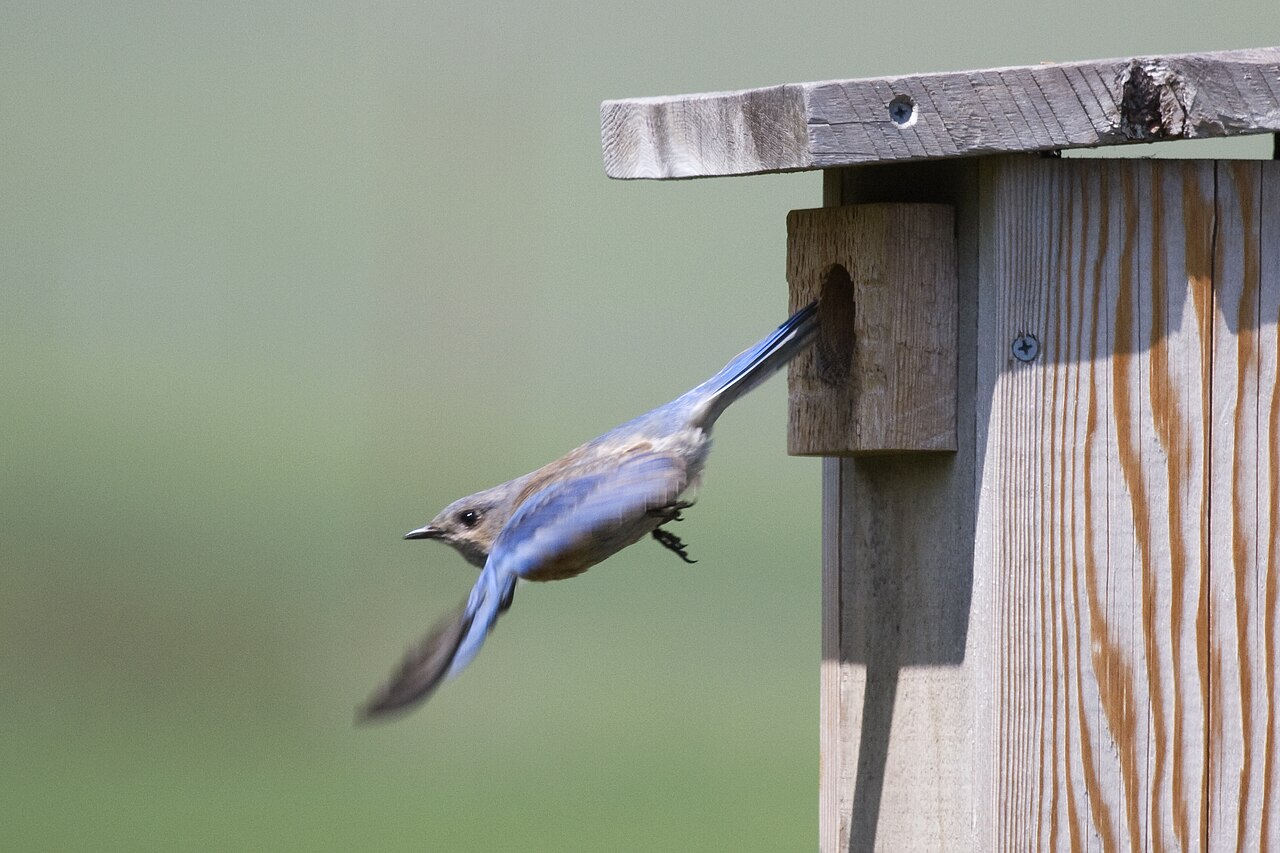
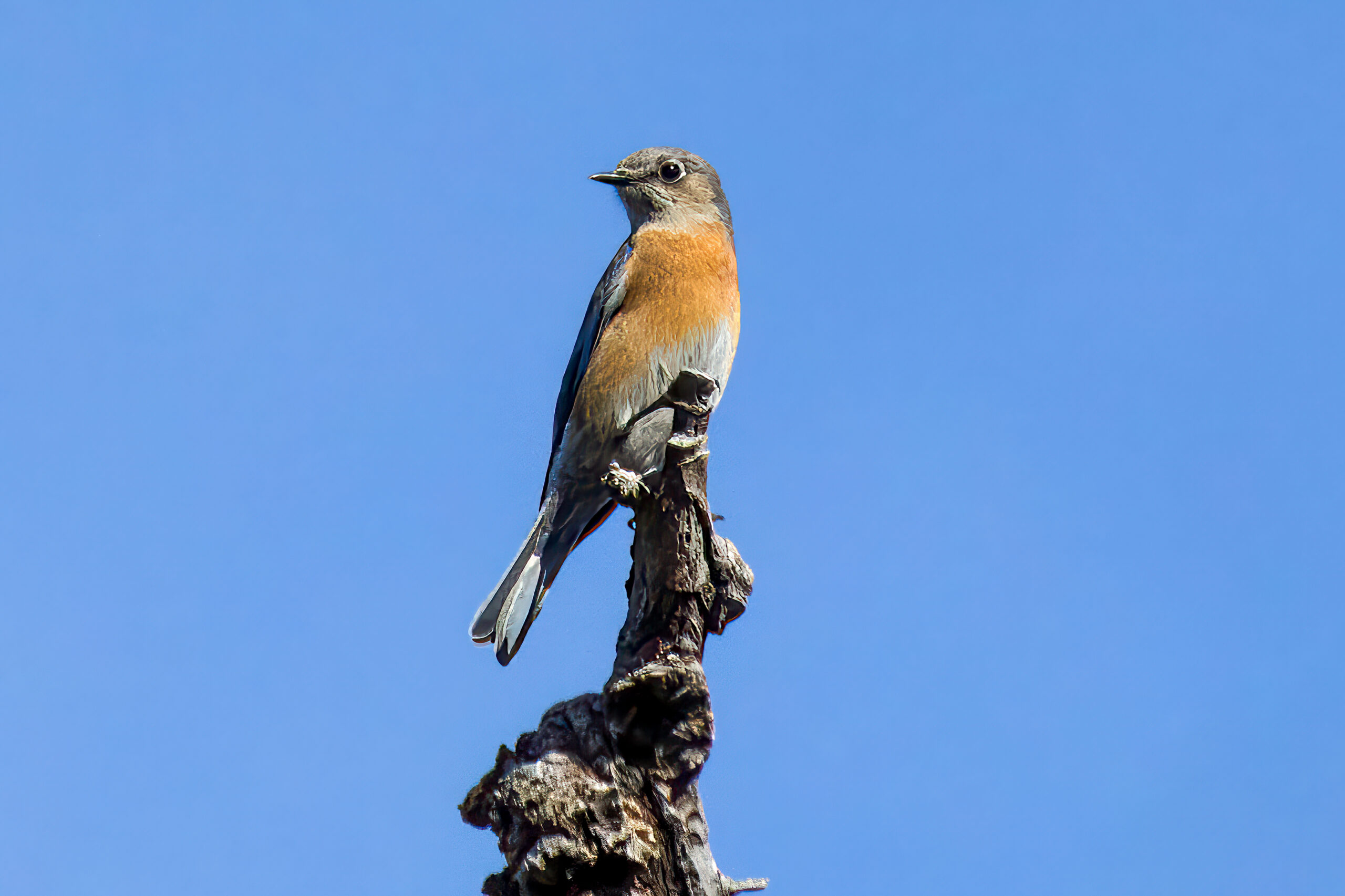
A vineyard experiment in Napa Valley, California, USA, found that simulated social information made western bluebirds (Sialia mexicana) much more likely to investigate newly installed nest boxes, but did not determine which boxes they used for breeding the following year. The researchers supplied cues of successful bluebird activity by combining recordings of adults and nestlings with old nesting material.
The team installed 200 nest boxes across ten vineyards in summer 2023. Boxes in five vineyards received the experimental cues or were close enough to hear the playback, while boxes in five other vineyards served as controls. Cameras were used to record prospecting visits, and box occupancy was checked during the 2024 breeding season.
The response during prospecting was strong. Boxes with the social cues received 8.47 times as much prospecting activity as control boxes, while nearby boxes within hearing range received 2.77 times as much. Habitat still mattered: birds visited more often near sparse tree patches, and the attraction to treatment boxes weakened as surrounding tree cover increased.
That immediate attraction did not carry over into nest-box use the next spring. Occupancy was similar among treatment, nearby and control boxes, while habitat-based models explained settlement better than playback treatment. The authors interpret the pattern as a two-stage process: social cues can help resident bluebirds discover new nesting opportunities, but the birds then inspect the habitat directly before deciding where to breed. Breeder age did not alter the settlement response to the social cues, and reproductive success was driven primarily by clutch initiation date rather than breeder age or the measured habitat features.
Behaviour
Related news
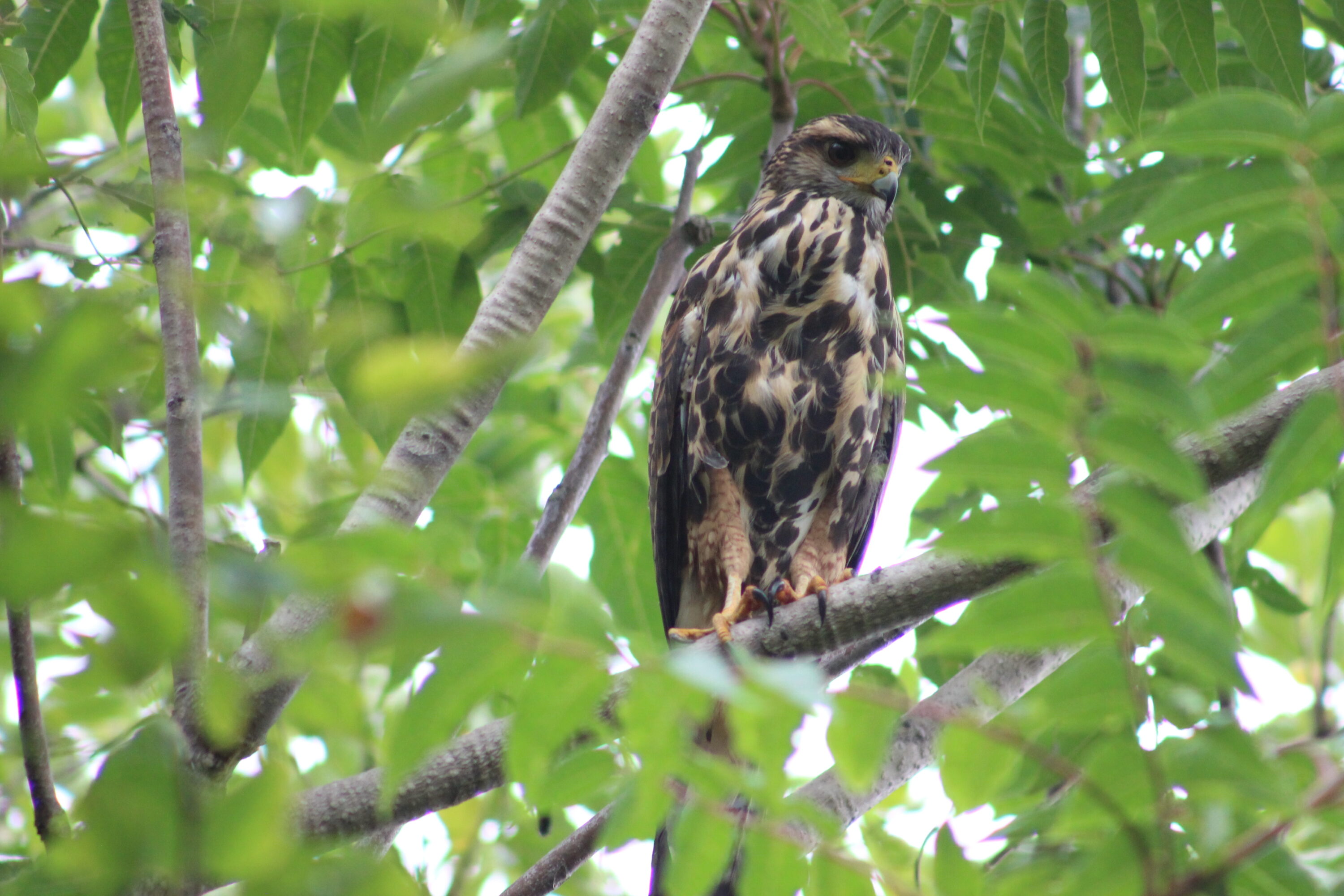
Juvenile Harris's Hawks Manipulated Pine Cones for About Five Minutes
Two juvenile Harris's hawks in Buenos Aires Province tore pine cones from trees, carried them to new perches…
Read story →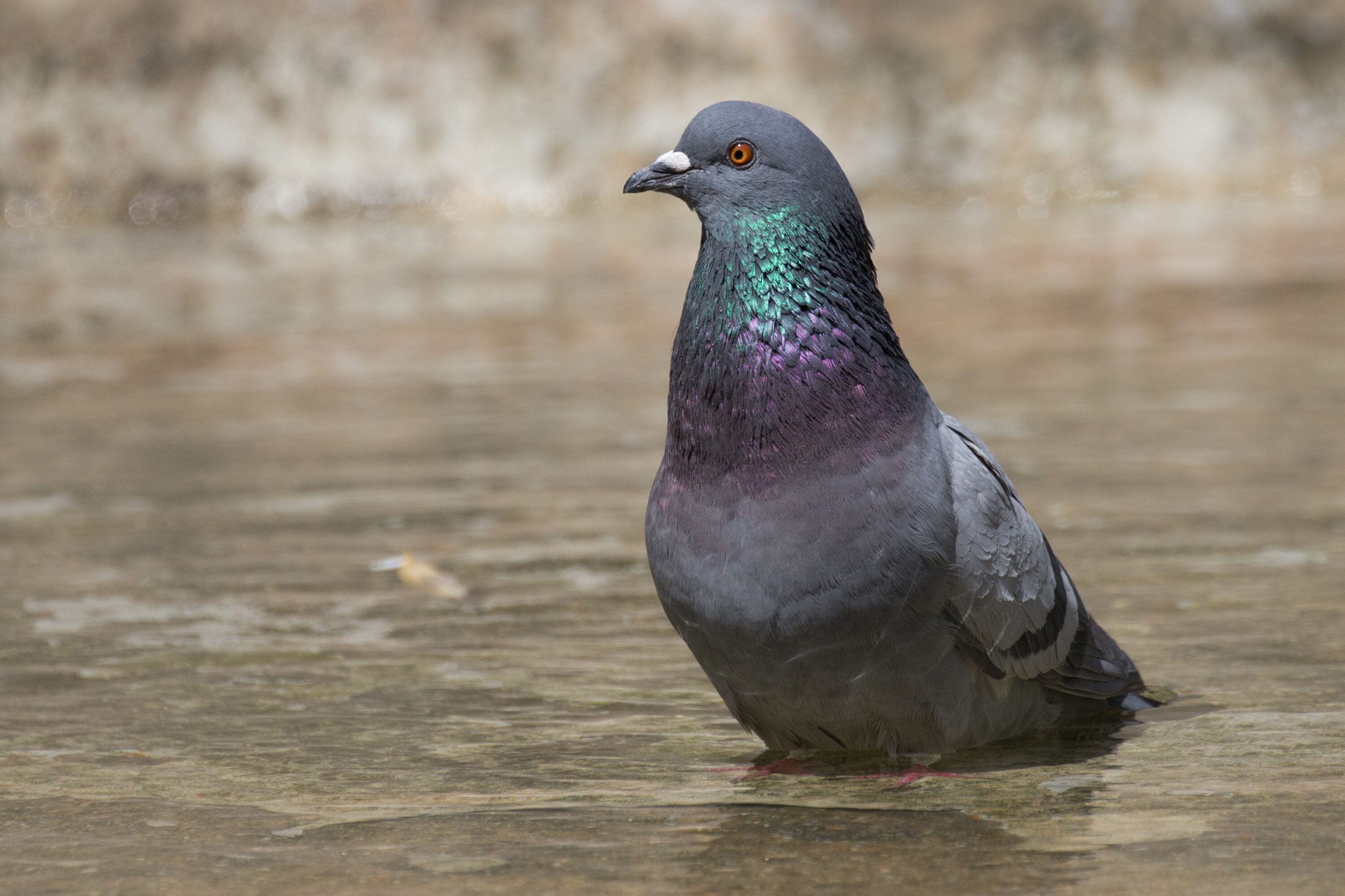
Rock Doves Preferred Predictive Information Despite a Lower Food Payoff
Seven rock doves preferred an informative option that paid on 20% of trials over a non-informative option that…
Read story →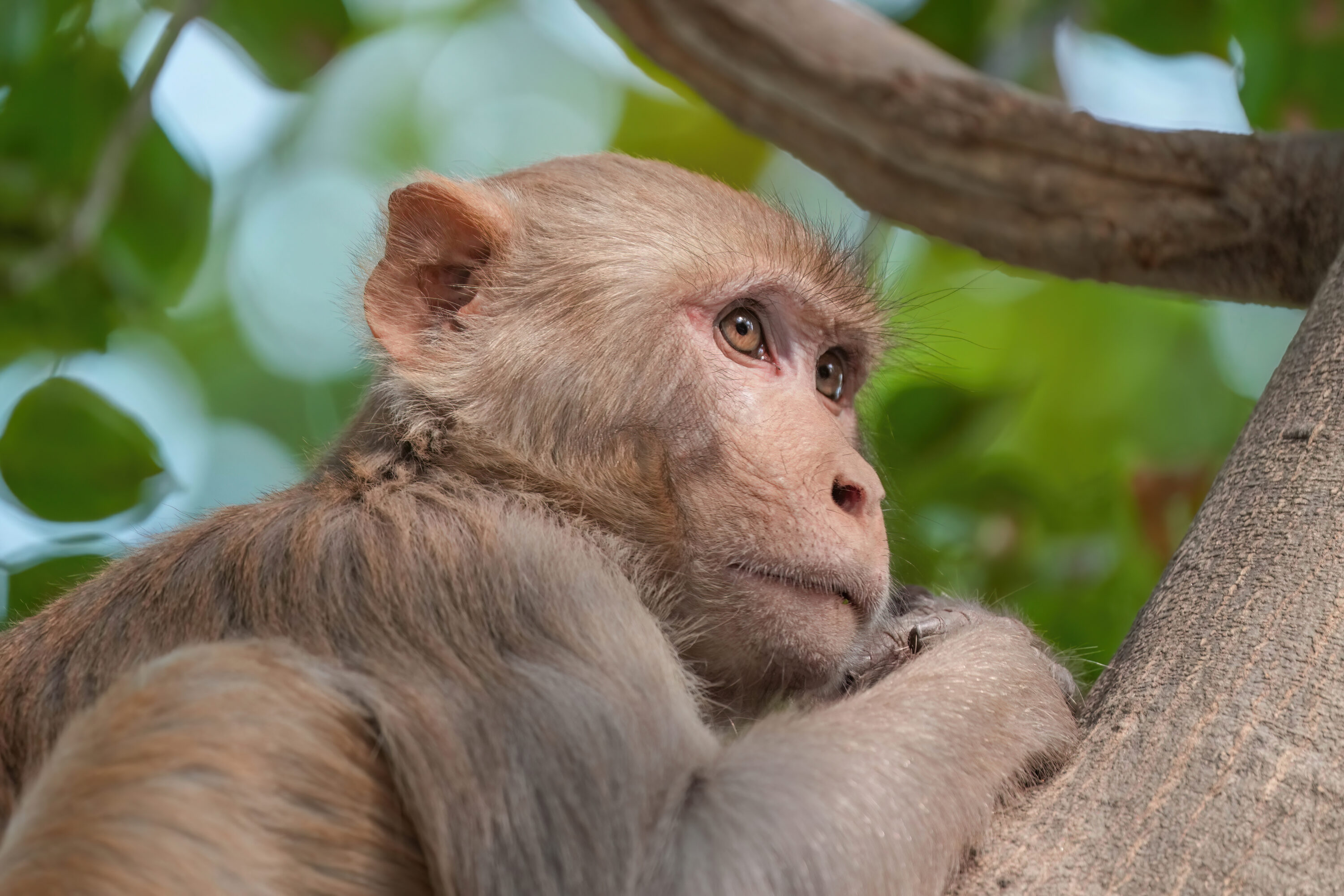
Task Uncertainty Increased Interference From Irrelevant Visual Information in Rhesus Macaque Decisions
Two rhesus macaques made less accurate visual decisions under task uncertainty; recordings and microstimulation in primary visual cortex…
Read story →SPECIES IN THIS STORY
Species in this story
Independent research and conservation news archive
Did you find this information useful?
Wildlife Vagabond is independently built and maintained. Voluntary support helps cover source verification, hosting and continued work on research and conservation news.
Support Wildlife VagabondThe news archive will remain freely available.