
Five Percent of Tracked Wild Boar Accounted for Half of Potential Pig-farm Contacts
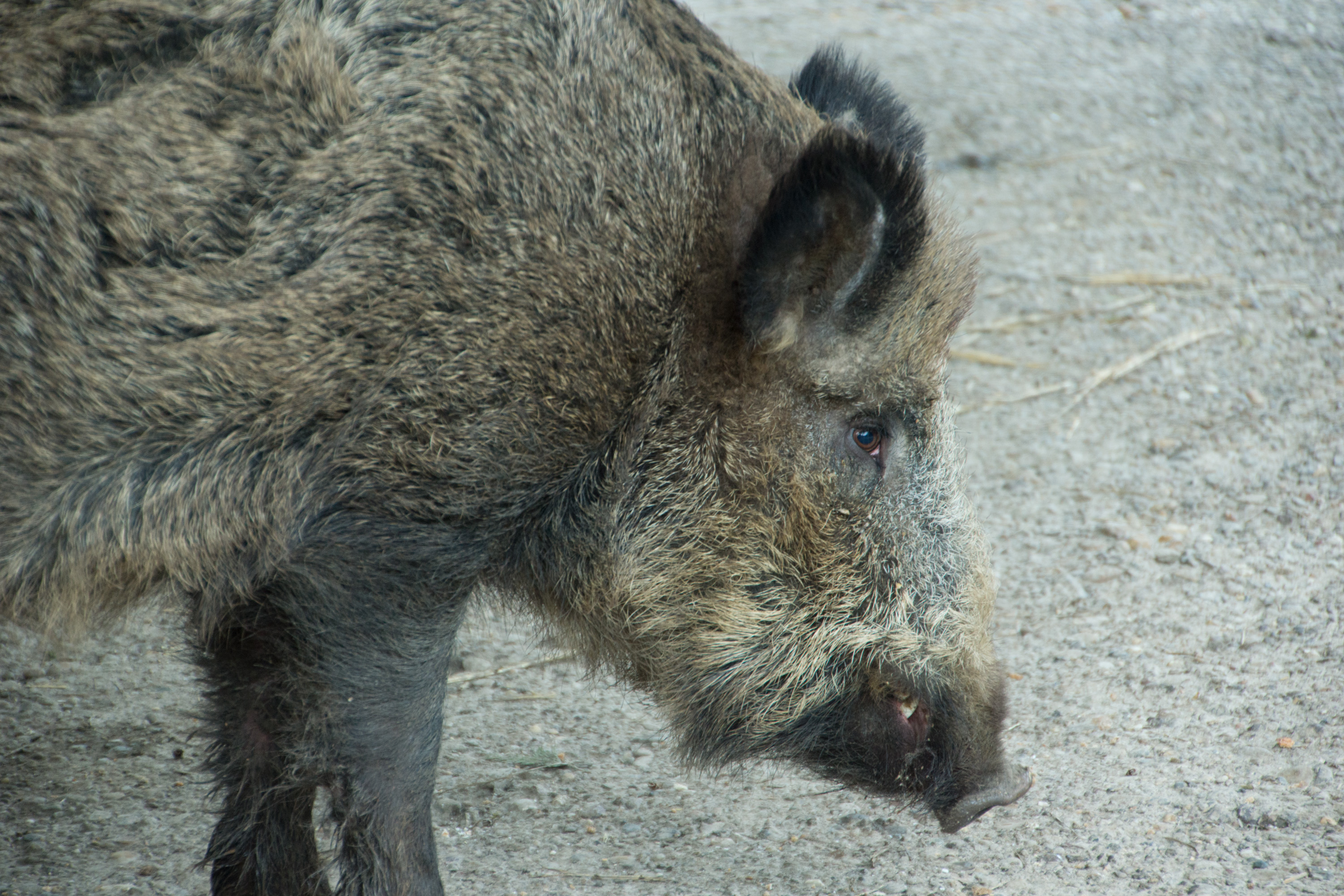
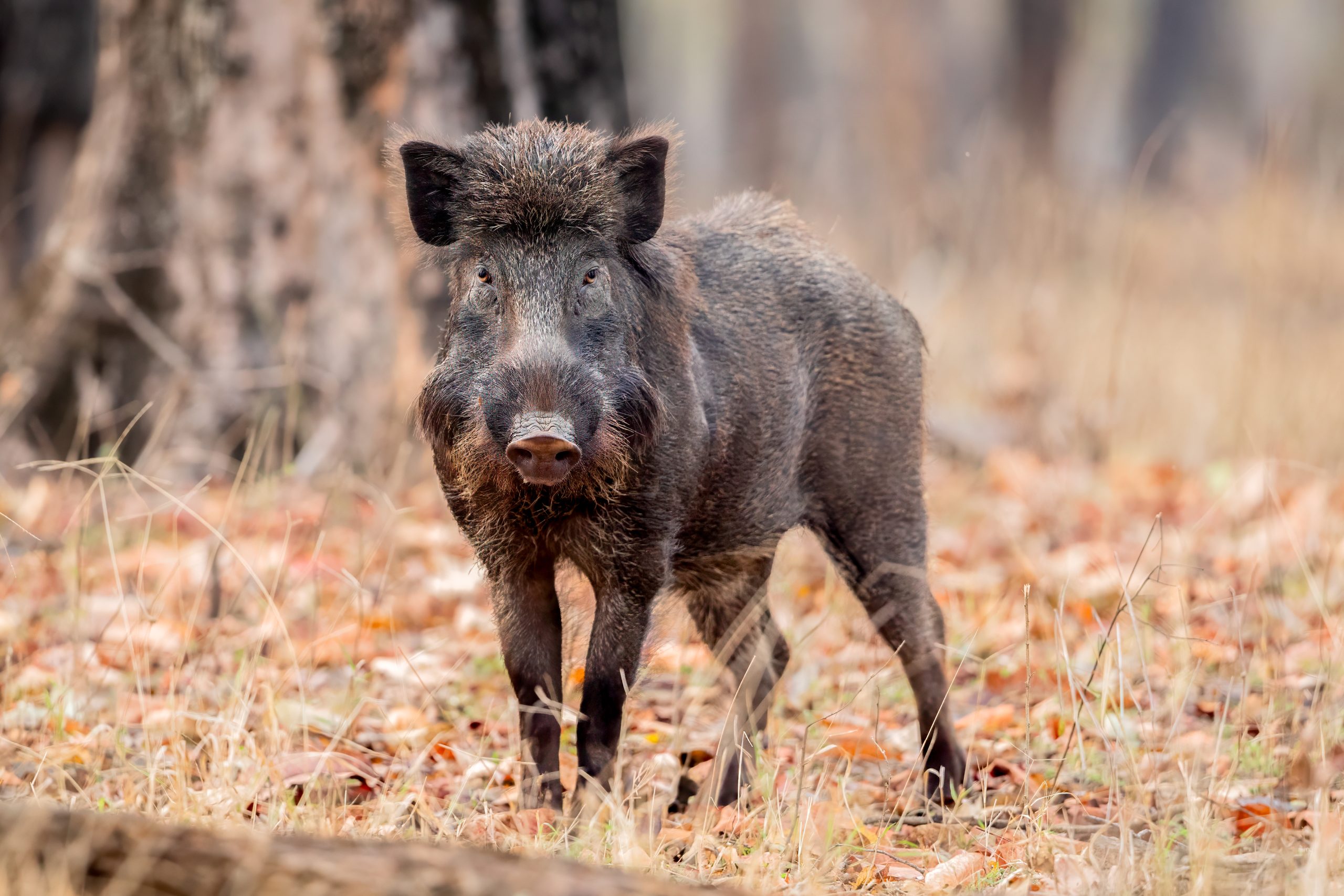
A Europe-wide GPS study found that visits by wild boar (Sus scrofa) to domestic pig farms were concentrated in a small fraction of animals and farms. Researchers analysed tracking data from 187 wild boars and the locations of 457 pig farms across 32 study sites in eight European countries, identifying 3,322 potential contact events.
The study defined a contact as a simulated five-minute wild-boar location within 50 metres of a pig farm boundary, with consecutive locations grouped into one event and events less than an hour apart merged. These records therefore represent potential visits or contacts at the farm interface, not confirmed direct physical interactions with domestic pigs.
Contacts were concentrated in a small fraction of animals
Only 85 of the 187 tracked wild boars had at least one recorded farm contact. The distribution was highly uneven: 5% of the tracked boars and 1% of the farms accounted for half of all contact events. On average, each wild boar had 1.59 contacts per month with a given farm and 2.58 contacts per month when all farms within its monthly home range were considered.
Landscape and proximity shaped contact rates
Contact rates increased with forest cover around farms, human footprint, local wild-boar density and proximity of an individual to a farm. Larger farms had higher contact rates, while farms with more built infrastructure had fewer. Contacts occurred mainly after sunset and around sunrise. Seasonal patterns also differed between the sexes: males showed peaks in March and again in August–September, while contact rates in females rose slightly through winter.
The authors conclude that the risk of contact at the wild–domestic pig interface is strongly concentrated in particular animals, farms, places and times. They argue that this uneven pattern can help focus measures intended to reduce disease transmission risk, especially around large farms in wooded landscapes and during periods when visits are most frequent.
Ecology
Related news
Maps Show Where Wild Boar Could Thrive and Spread on Jeju Island
Researchers mapped potentially suitable wild-boar habitat across roughly 36% of Jeju Island and identified eight possible corridors linking…
Read story →
Roe Deer and Wild Boar Remained Key Wolf Prey as Diet Shifted Across North-western Italy
From 2021 to 2025, wolves in north-western Italy continued to feed mainly on wild prey. In the Po…
Read story →
Copper levels in wild boar differed across Slovak districts
An analysis of kidney, liver and muscle from 147 wild boar in four districts found that iron and…
Read story →SPECIES IN THIS STORY
Species in this story
Independent research and conservation news archive
Did you find this information useful?
Wildlife Vagabond is independently built and maintained. Voluntary support helps cover source verification, hosting and continued work on research and conservation news.
Support Wildlife VagabondThe news archive will remain freely available.