
Five small carnivores were mostly nocturnal in Nepal’s lowlands
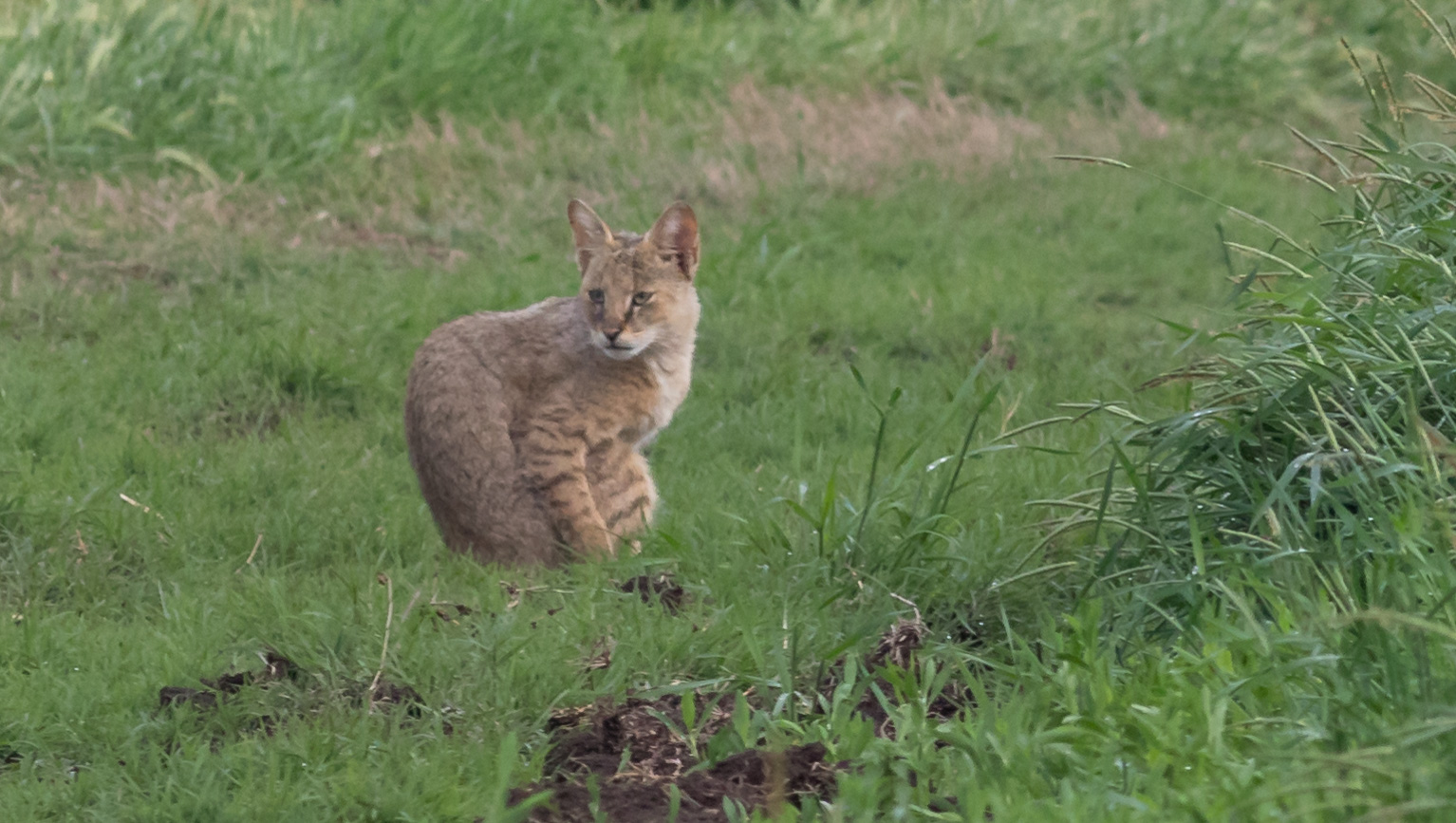
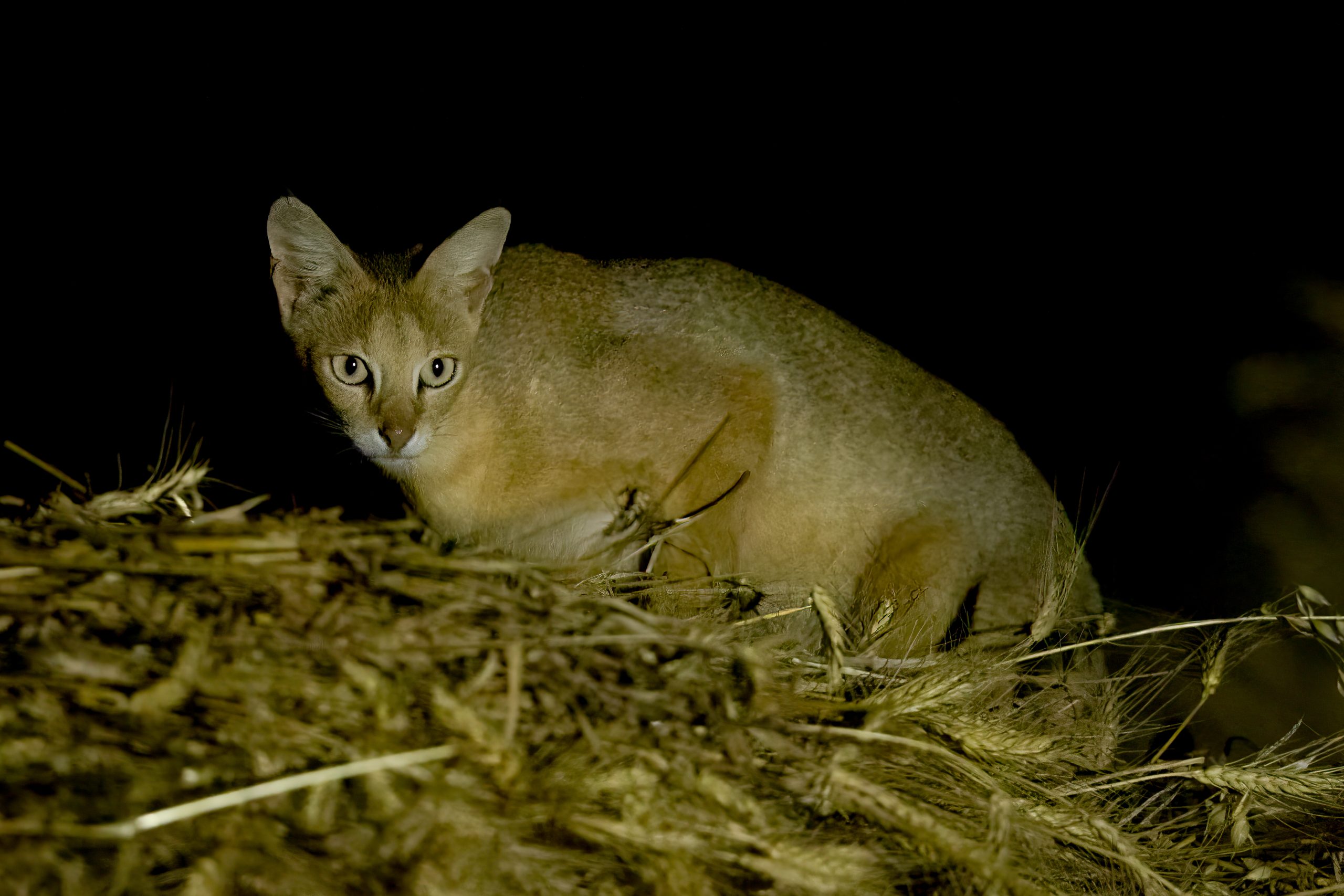
Five small carnivores recorded in Nepal’s Bagmati-Ratu Complex were detected mostly at night. The jungle cat (Felis chaus) stood out: cameras recorded it during the day as well as at night. Across the group, occupancy was associated with land use, but not in one simple direction.
Researchers placed camera traps across 14 grids in the lowland landscape of Madhesh Province, from 6 January to 20 February 2023. They used the camera records to estimate how likely each species was to use the sampled areas, allowing for the fact that a camera may fail to record an animal that is present. The survey covered one winter period and elevations below 300 metres.
Farmland and settlement showed different associations
At the community level, occupancy was negatively associated with the area covered by farmland. Settlement area, by contrast, was positively associated with occupancy in species-level analyses, although the relationship was not statistically clear for every species. These patterns describe associations in the sampled landscape, not evidence that either land use caused changes in where the animals occurred.
Estimated occupancy was highest for the common palm civet, at 0.698, and lowest for the large Indian civet, at 0.651. These estimates describe use of the sampled areas, not the animals’ abundance.
Most camera records were from nighttime
All five species had most of their detections at night. Jungle cats were recorded 18 times at night and five times during the day—78% and 22% of their detections, respectively. No daytime detections of leopard cats or small Indian civets occurred in this sample. That pattern describes when the cameras recorded the animals; it does not establish that those species are never active by day.
The strongest overlap in activity timing was between the common palm civet and small Indian civet. For this pair, the estimated activity overlap was high (0.77 on a scale from zero to one); the other species pairs did not all show the same degree of overlap. The authors suggest that nighttime activity may reduce small carnivores’ interactions with people, but the camera survey measured activity patterns rather than human encounters. The study provides a baseline for these lowland landscapes outside protected areas.
Ecology
Related news
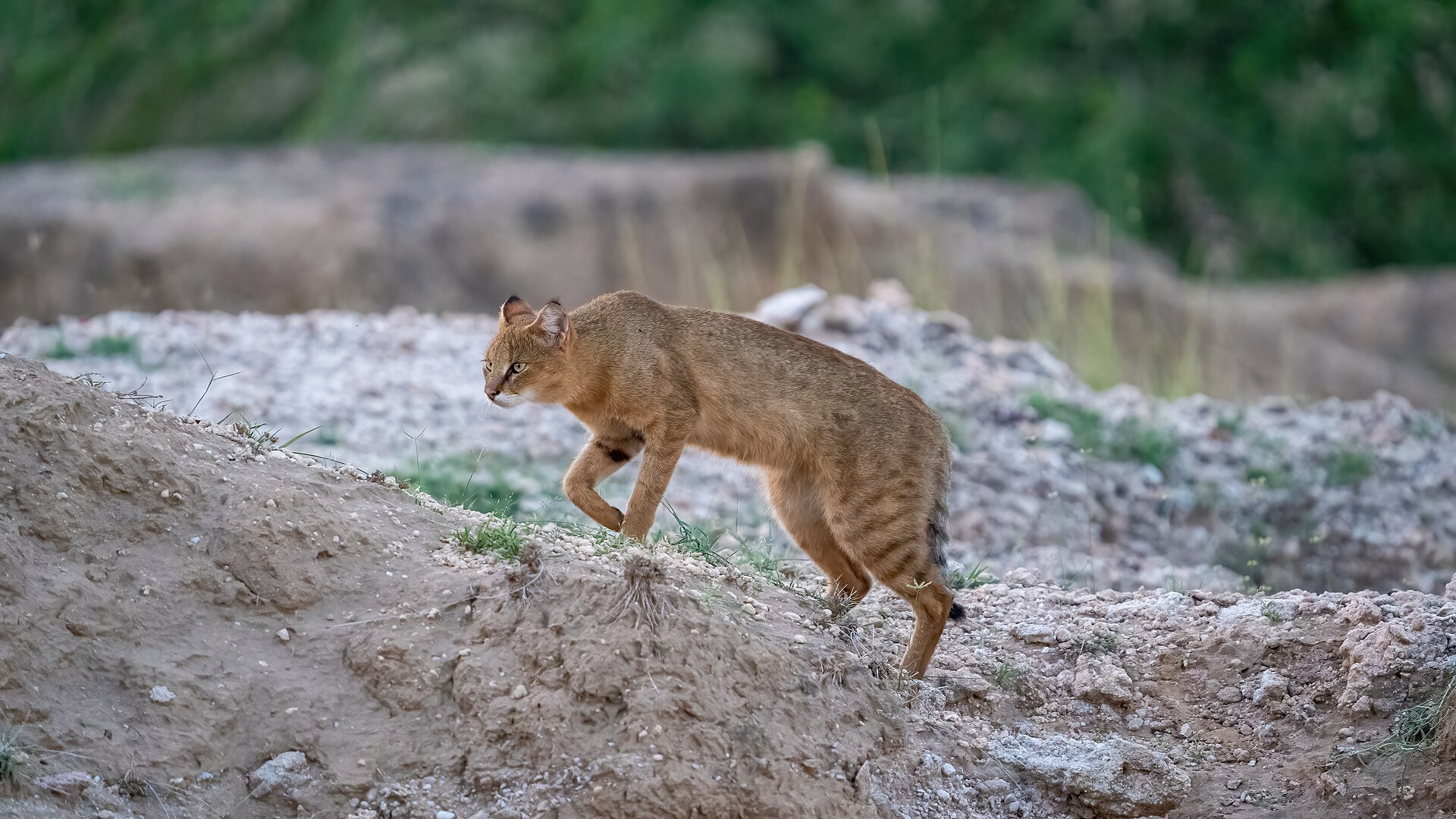
Seven mammal species recorded in Uzbekistan’s Aralkum park, including jungle cats and wild boar
The survey recorded 21 jungle cat records and seven wild boar records. Jungle cats were associated with water…
Read story →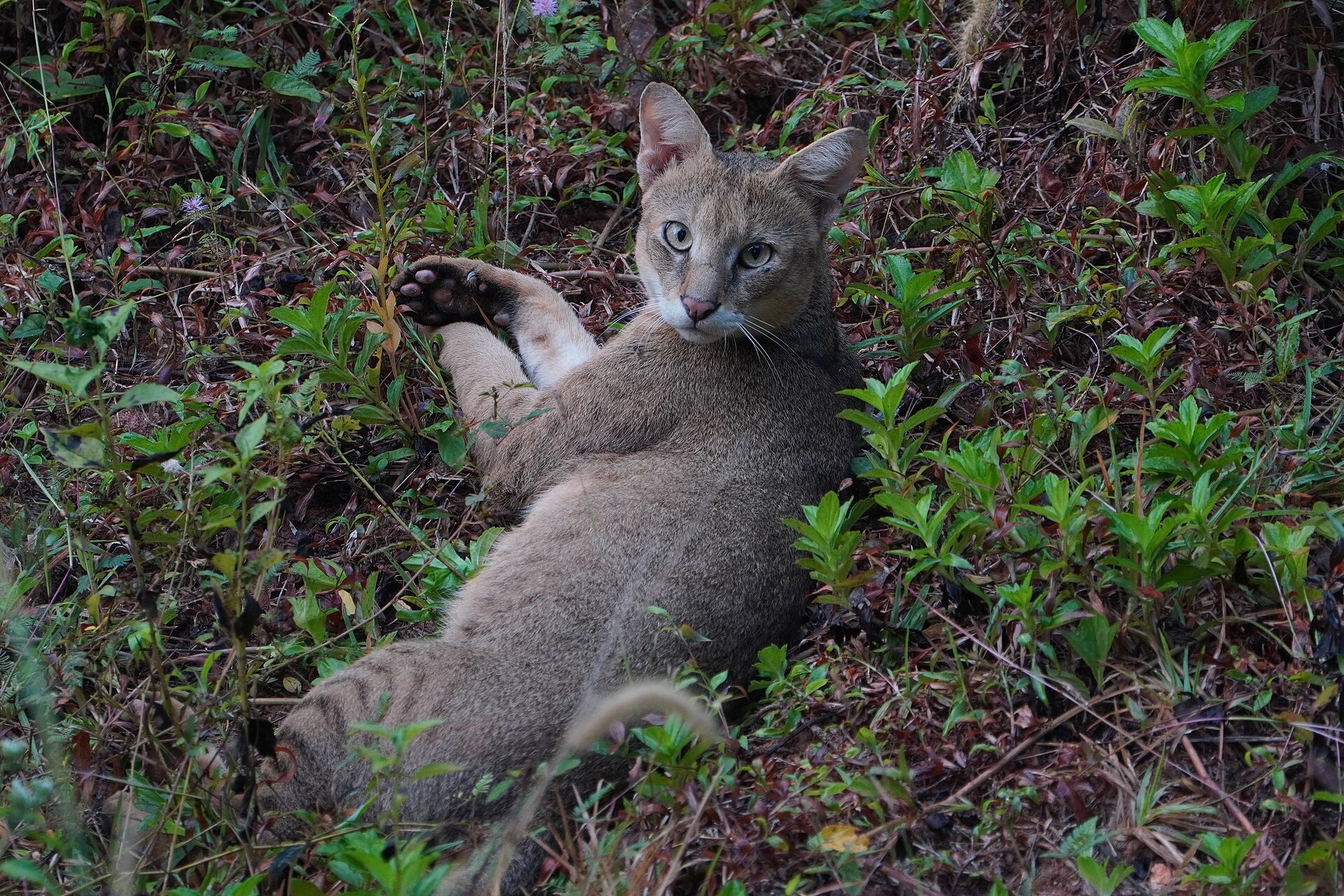
Wild jungle cats may have been captured for mummification in ancient Egypt
Skulls from cat mummies excavated near Beni Hassan suggest that some jungle cats came from the wild and…
Read story →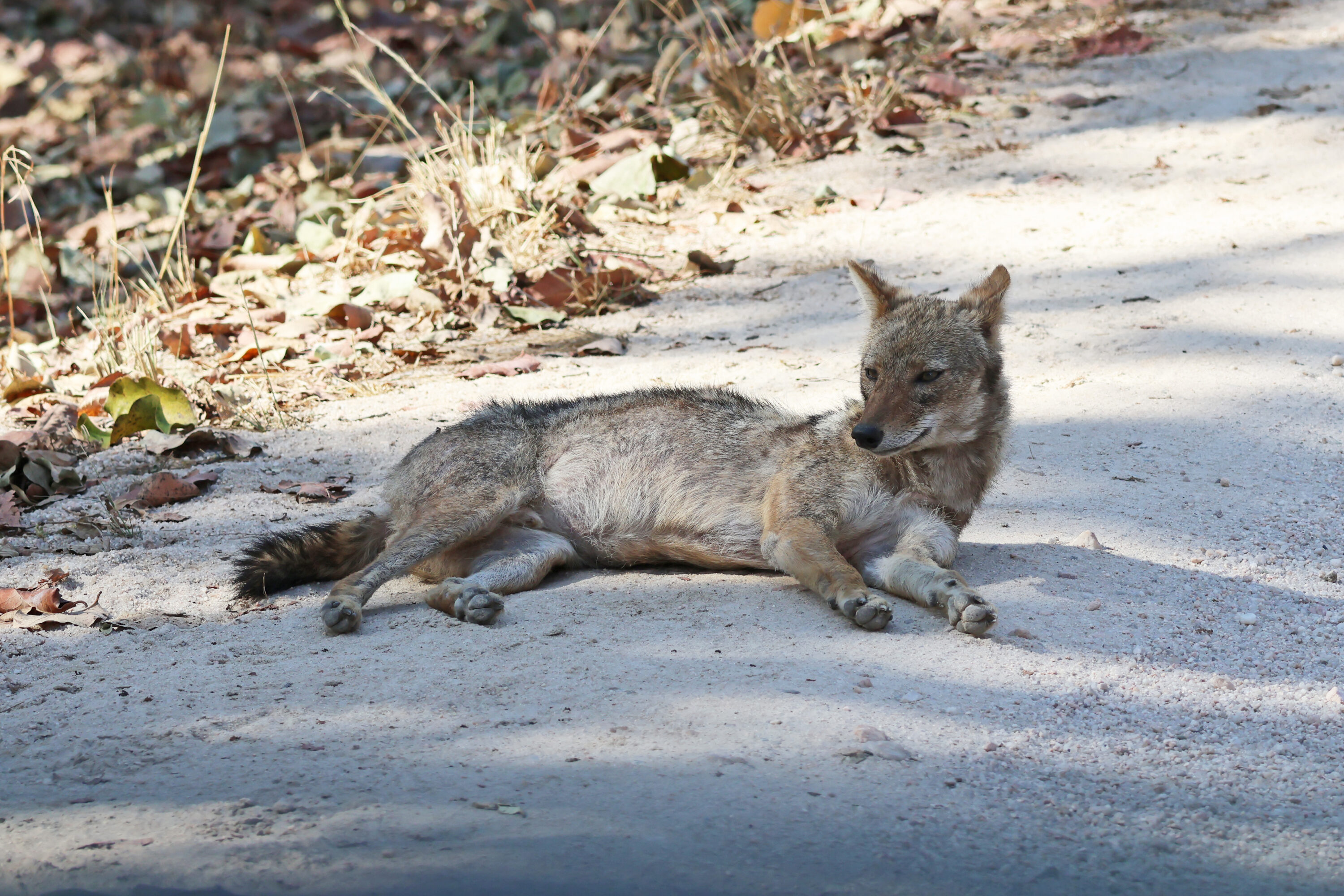
Golden Jackal Diet Was Dominated by Livestock Carrion, While Jungle Cats Focused on Small Mammals
Scat analysis in Madhya Pradesh found livestock carrion contributed about 80% of estimated prey biomass in golden jackals,…
Read story →SPECIES IN THIS STORY
Species in this story
Independent research and conservation news archive
Did you find this information useful?
Wildlife Vagabond is independently built and maintained. Voluntary support helps cover source verification, hosting and continued work on research and conservation news.
Support Wildlife VagabondThe news archive will remain freely available.