
Wild jungle cats may have been captured for mummification in ancient Egypt
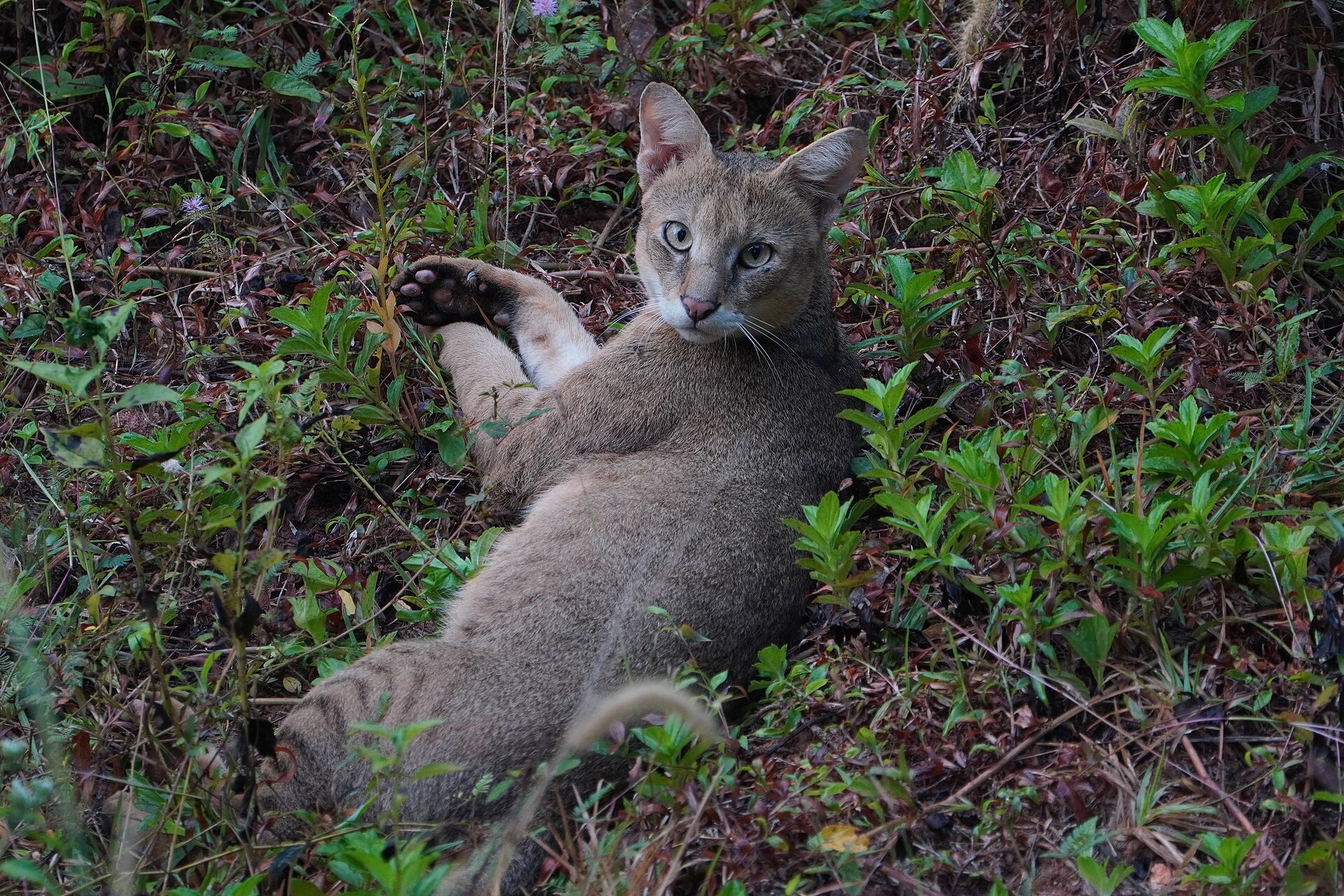
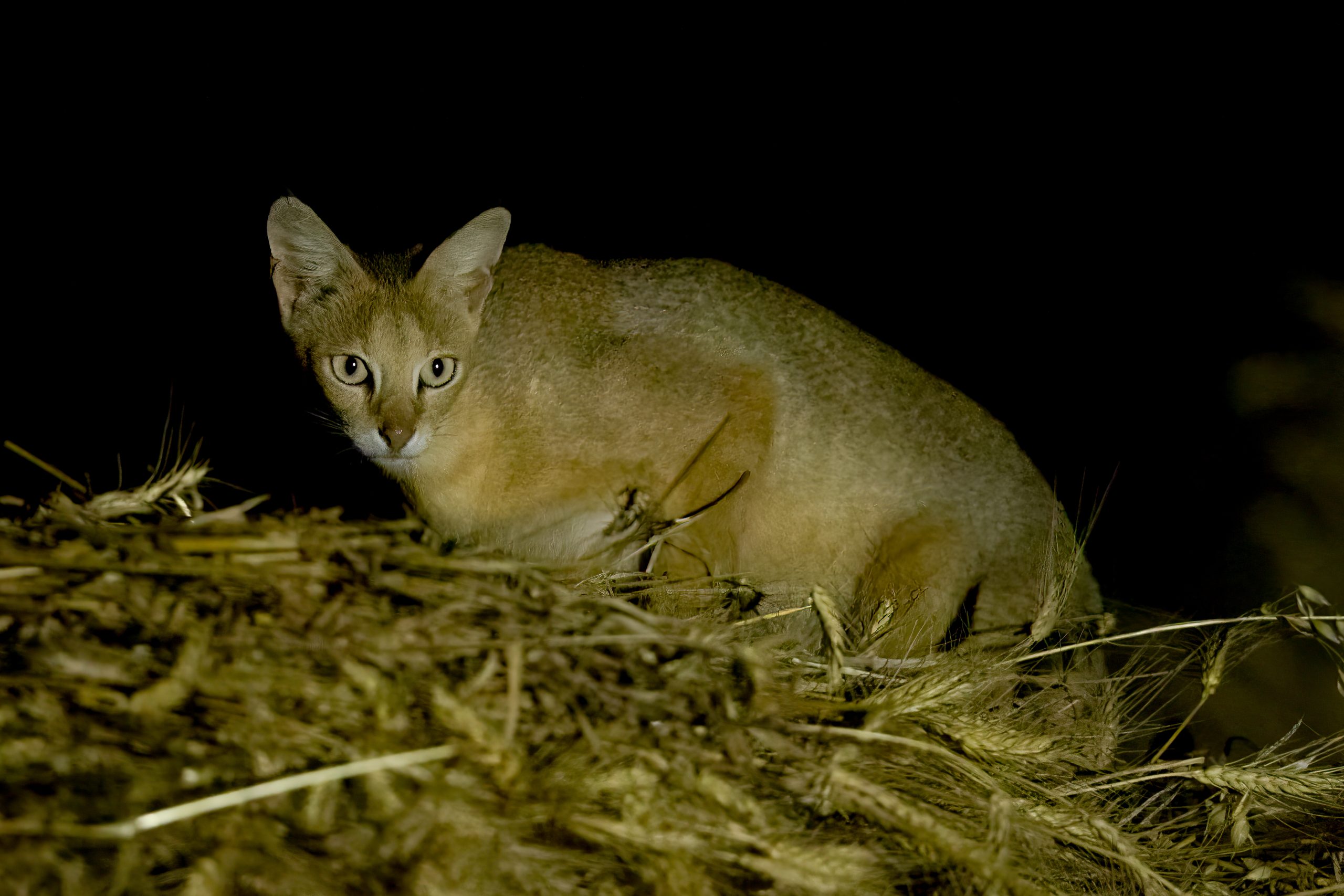
Some cats mummified in ancient Egypt may have begun life in the wild. A study of skulls from votive cat mummies—animals mummified as offerings to the gods—excavated near Beni Hassan identified jungle cats among the animals prepared for mummification. Their remains also preserve clues to the conditions in which the cats were kept and to the habitat they came from.
The researchers examined 131 small-felid skulls from the collection, excavated at Speos Artemidos, also known as Stabl Antar, and now held at the Natural History Museum in Vienna. They confidently identified seven as jungle cats (Felis chaus). Most of the other skulls were considered likely to belong to domestic cats, though African wildcats and hybrids could not be ruled out.
Skulls record disease and injury
Six of the seven jungle cat skulls showed pathological changes. Across the full collection, 81 of 131 skulls—62%—had at least one recorded pathology. Dental problems were common: 26 skulls showed periodontitis, an inflammation of the tissues around the teeth, and 24 showed tooth loss. The authors interpret the similar kinds of skeletal changes in jungle cats and the other felids as evidence that they experienced comparable captive conditions.
Fourteen skulls, or 11% of the collection, had traumatic injuries, including punctures and fractures. Some were consistent with violence by people; others could have resulted from fights between cats. Both healed and unhealed injuries were present, showing that some animals survived their injuries for a time. Taken together with the other pathologies, the findings suggest that the cats lived in poor, stressful conditions, probably in confined spaces.
Isotopes preserve clues to life before captivity
The researchers compared stable carbon and nitrogen isotope values in bone collagen from four jungle cats and 12 presumed domestic cats. Isotope values can reflect an animal’s diet and the habitat behind its food sources. The jungle cats had less negative carbon values than the presumed domestic cats, while their nitrogen values did not differ significantly.
The authors consider the jungle cats’ carbon signature consistent with a wetland or riverine habitat before captivity. Although the skulls suggest that the two groups experienced similar keeping conditions, the carbon difference points to a contrast that began earlier, in their former habitats and diets. The researchers therefore suggest that the jungle cats were caught in the wild—probably as juveniles—and that their captivity was too brief to erase the earlier isotope signal. The comparison supports this interpretation, but cannot show exactly when each cat was captured or how long it was kept.
Radiocarbon dates from nine skulls place most of the dated material at the end of Egypt’s Late Period and the beginning of the Ptolemaic era. One skull dates to the earlier Third Intermediate Period.
The skulls thus preserve two linked parts of the cats’ history: injuries and disease point to difficult conditions in captivity, while the carbon-isotope contrast suggests that jungle cats arrived with a wild wetland or riverine history. Together, the evidence supports the authors’ view that some were captured from the wild for mummification, rather than bred within the captive system.
Anatomy & morphology
Related news
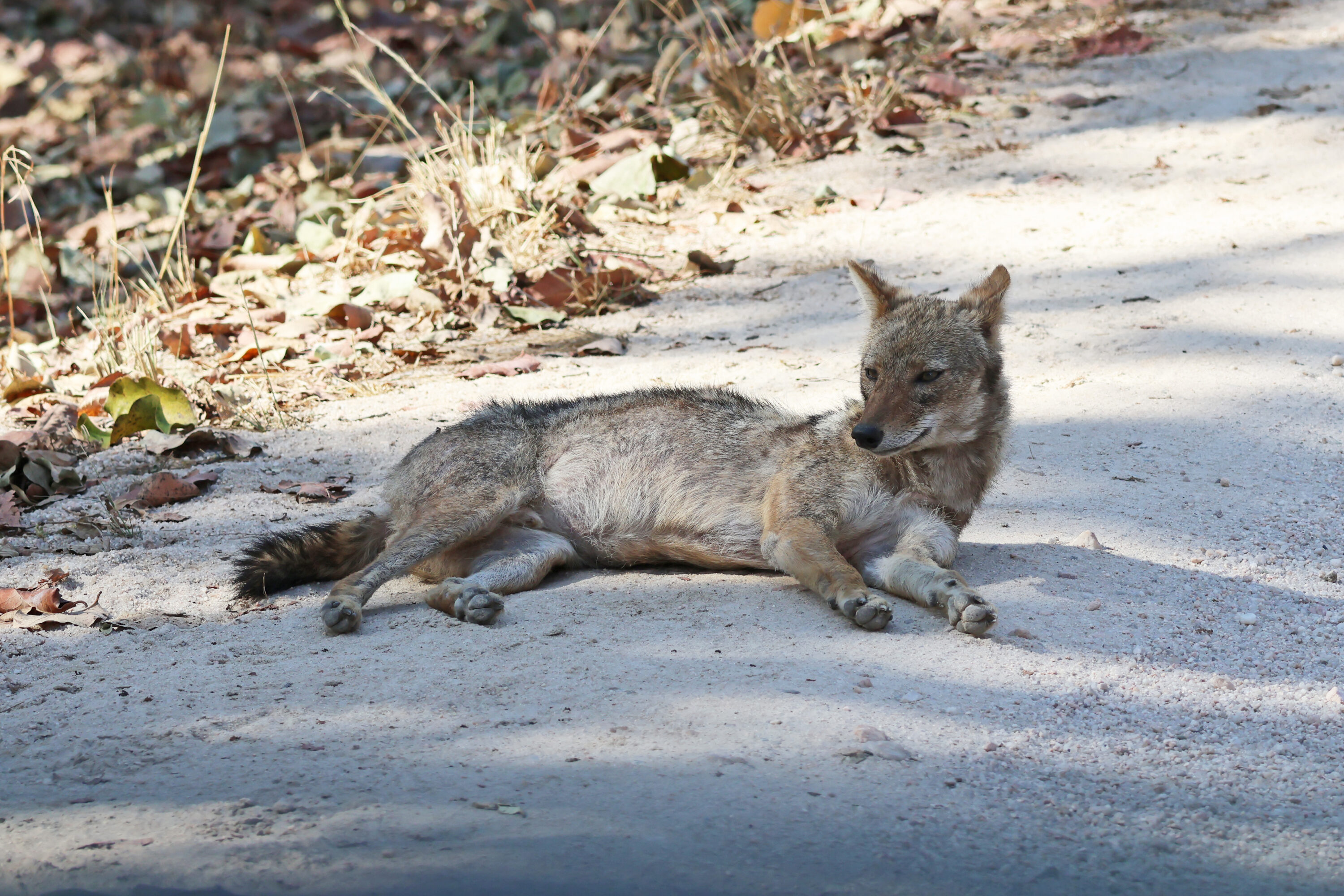
Golden Jackal Diet Was Dominated by Livestock Carrion, While Jungle Cats Focused on Small Mammals
Scat analysis in Madhya Pradesh found livestock carrion contributed about 80% of estimated prey biomass in golden jackals,…
Read story →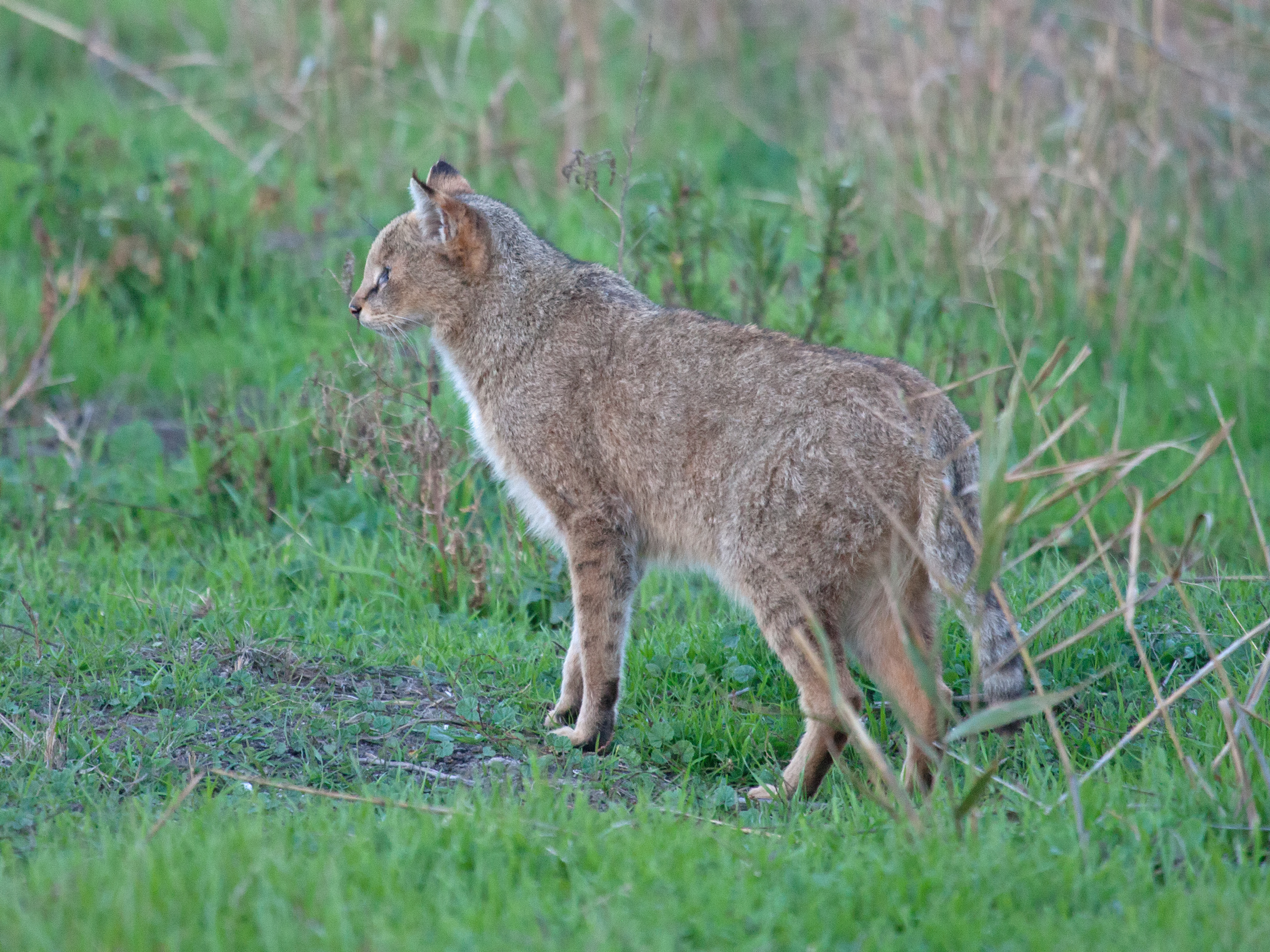
Only 1.5% of Modelled High Collision-risk Area for Jungle Cats in Northern Iran Overlapped Protected Areas
A MaxEnt model built from 30 confirmed jungle-cat road mortalities classified 13,878 km² of northern Iran as high…
Read story →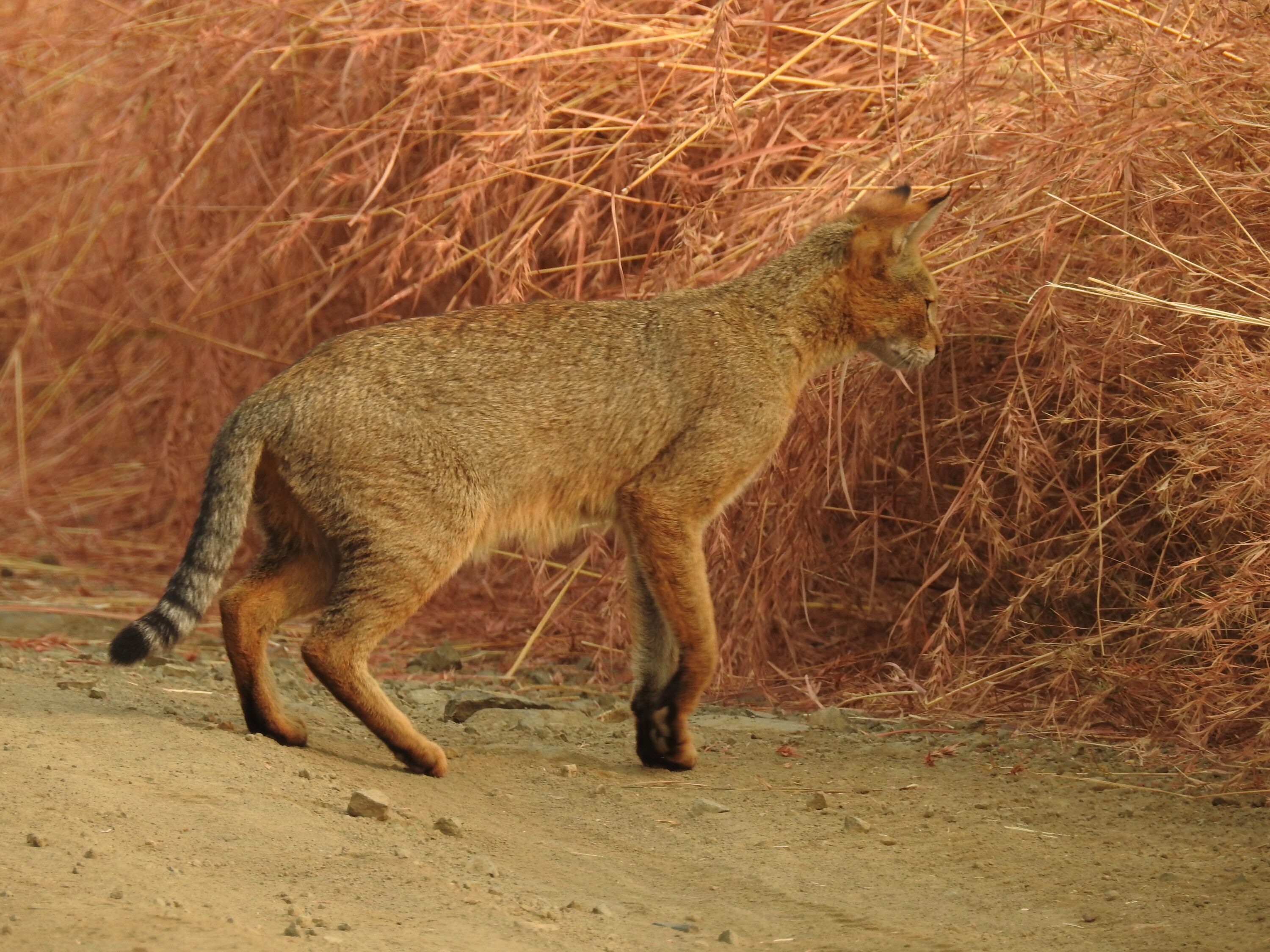
Endogenous Feline Leukemia Virus Entered the Jungle Cat Genome Hundreds of Thousands of Years Ago
A 2026 genomic study dated integration of endogenous feline leukemia virus in the jungle cat lineage to roughly…
Read story →SPECIES IN THIS STORY
Species in this story
Independent research and conservation news archive
Did you find this information useful?
Wildlife Vagabond is independently built and maintained. Voluntary support helps cover source verification, hosting and continued work on research and conservation news.
Support Wildlife VagabondThe news archive will remain freely available.