
Breeding Curlews in France Favoured Open Habitats and Shifted Habitat Use Through the Season
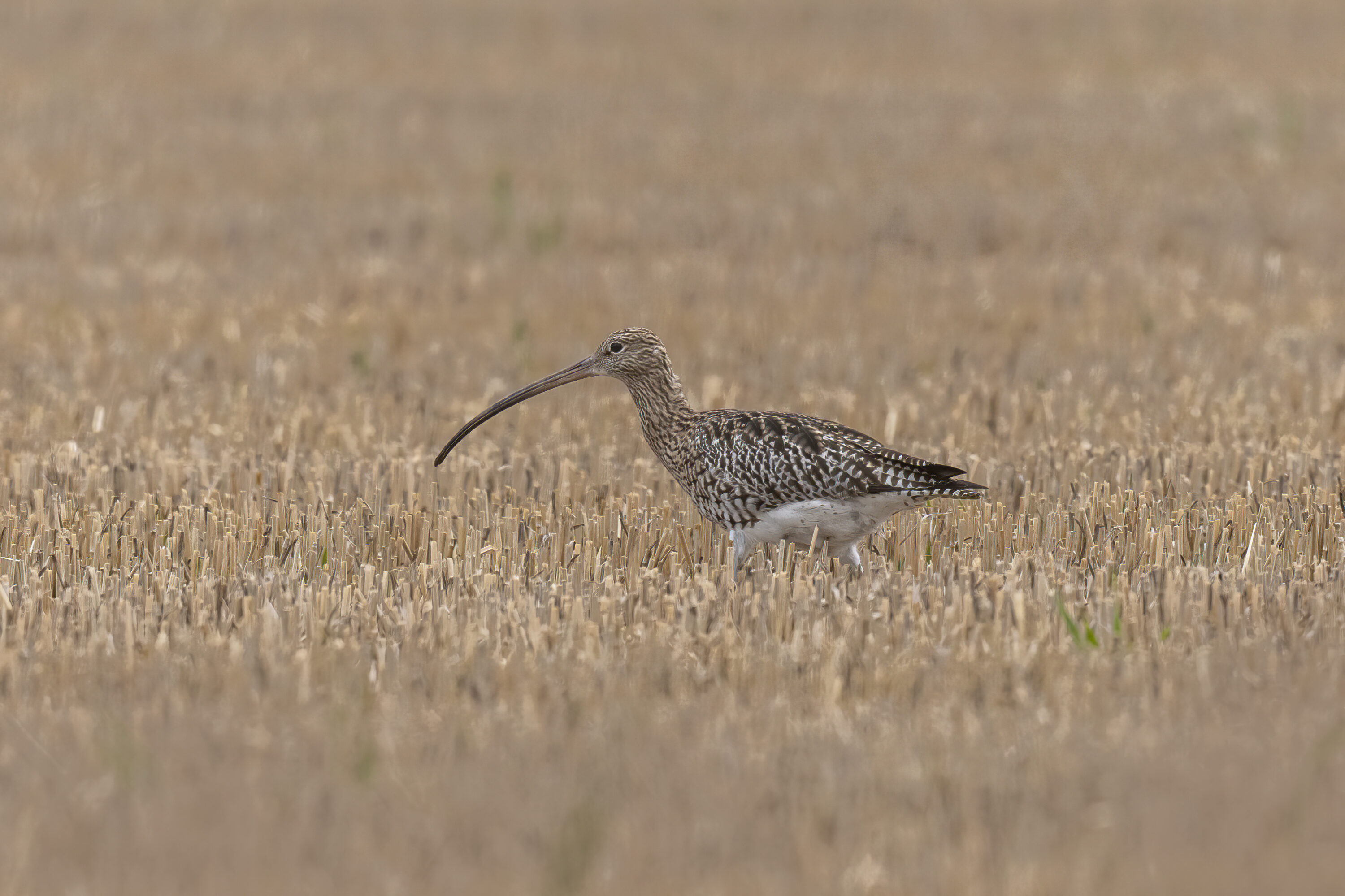
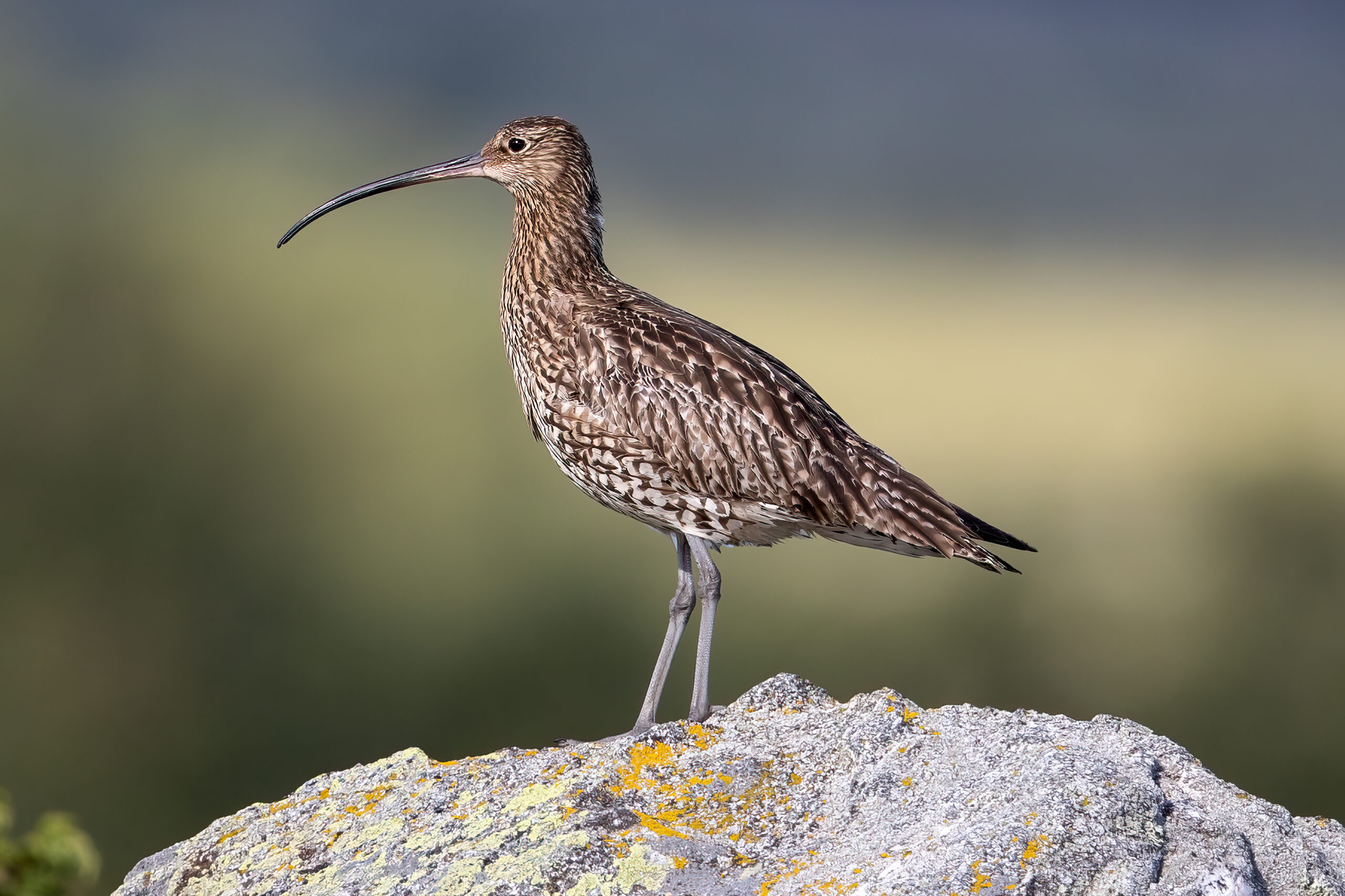
Eurasian curlews (Numenius arquata) selected open habitats throughout the breeding season, with grasslands playing a particularly important role across five contrasting French breeding populations, according to a GPS study first published on 16 March 2026.
Researchers tracked 64 adult curlews from 2020 to 2024 in five breeding areas with different population trajectories: two declining, two increasing and one stable. They compared space use before incubation, during incubation, while chicks were being reared and before migration.
Home ranges were similar in size but structured differently
Mean home-range size was about 97 hectares and was similar among the five sites. However, space use changed strongly through the breeding cycle: mean home range was about 72 hectares before migration, compared with about 27 hectares during incubation and about 23 hectares while chicks were being reared. The way birds used that space also depended on the landscape around the nest and on the distance between nesting habitat and feeding areas.
Curlews consistently selected open habitats for foraging. Grasslands were favoured for both nesting and feeding at most sites, underlining the importance of open semi-natural agricultural landscapes during the breeding season.
The most strongly declining population used a different nesting habitat
At Monts d’Arrée, the site with the sharpest population decline, all remaining curlews nested in moorland rather than grassland. They then travelled roughly 2–5 km from their nests to reach feeding areas in grasslands and crops. This contrast was one of several signs that habitat use varied with local landscape structure and population context rather than following one identical pattern everywhere.
After incubation, curlews increased their use of crop fields. The authors suggest this may provide additional feeding opportunities as adults prepare for migration, showing that habitat requirements change through the breeding cycle.
Wet grasslands remained a management priority
The study highlights floodplain grasslands as especially valuable for breeding curlews. At the same time, the researchers found that mixed landscapes containing sustainably managed farmland embedded within semi-natural habitats can also provide useful combinations of nesting and feeding areas.
Because curlews move between different resources as breeding progresses, the authors argue that conservation should consider the spatial arrangement of habitats rather than treating each habitat type in isolation. They identify preservation and restoration of wet grasslands as a priority, recommend limiting drainage and grassland improvement that densify vegetation, and suggest timing mowing and grazing to the breeding cycle, with mowing delayed until at least early July.
Ecology
Related news
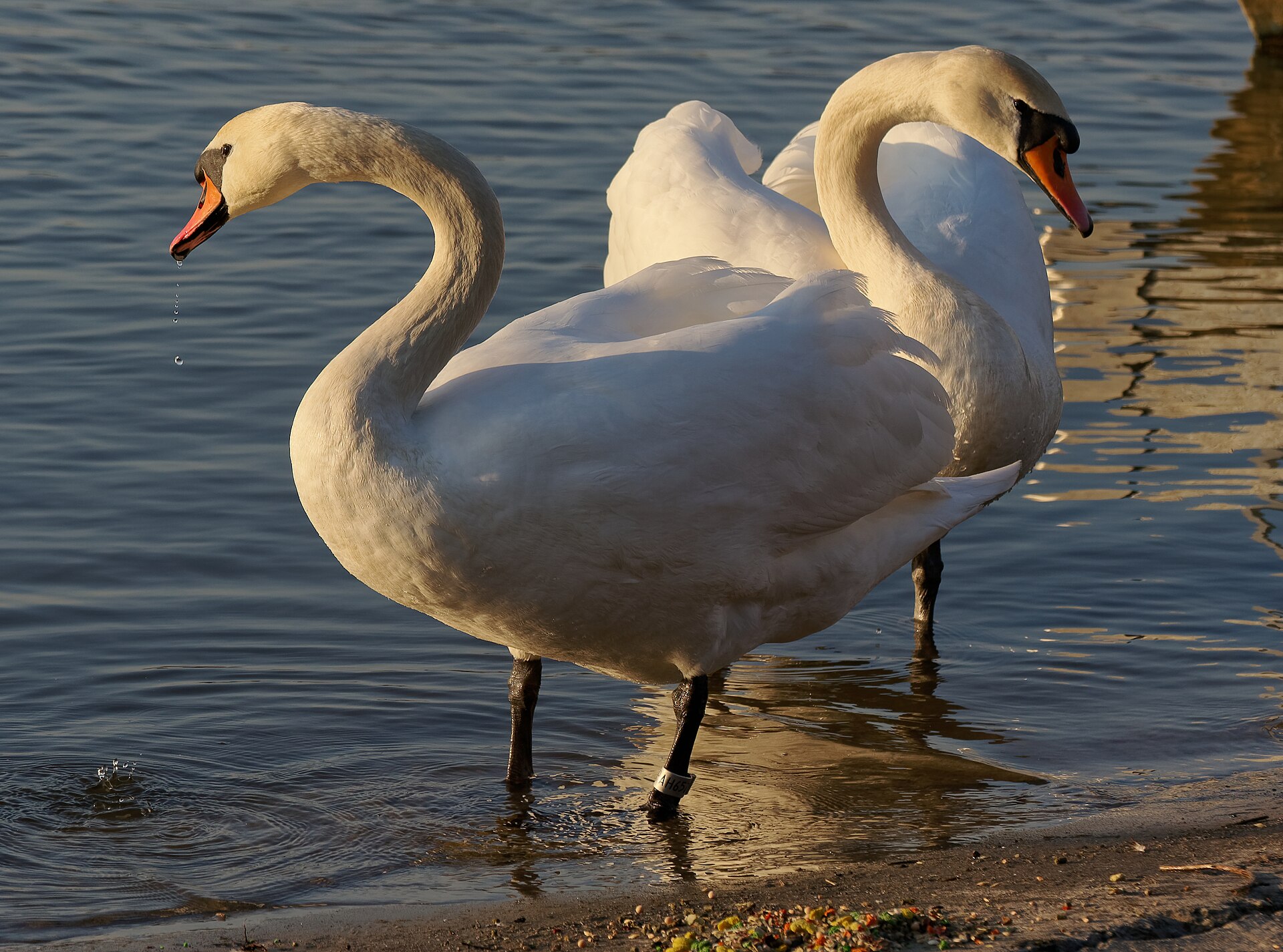
Inland Mute Swans Had Higher Winter Body Condition Despite Harsher Winters and Supplemental Feeding
A study of 853 mute swans from four Polish wintering regions found higher body condition inland than on…
Read story →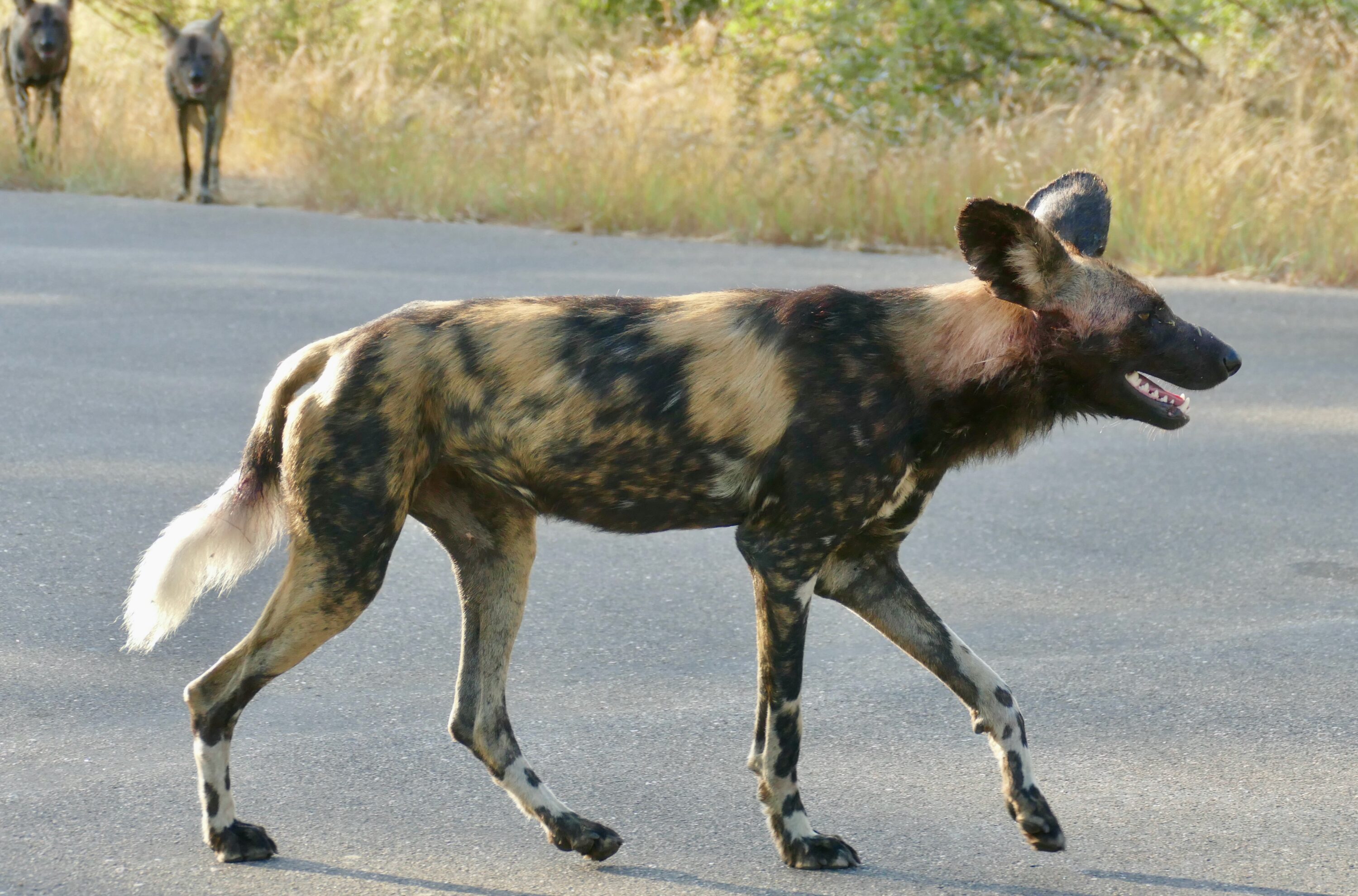
Gut Microbiomes Across Nine Kruger Mammals Clustered More Strongly by Dietary Group Than Species
A study of 89 quality-filtered faecal samples from nine wild mammals in Kruger National Park found that carnivores,…
Read story →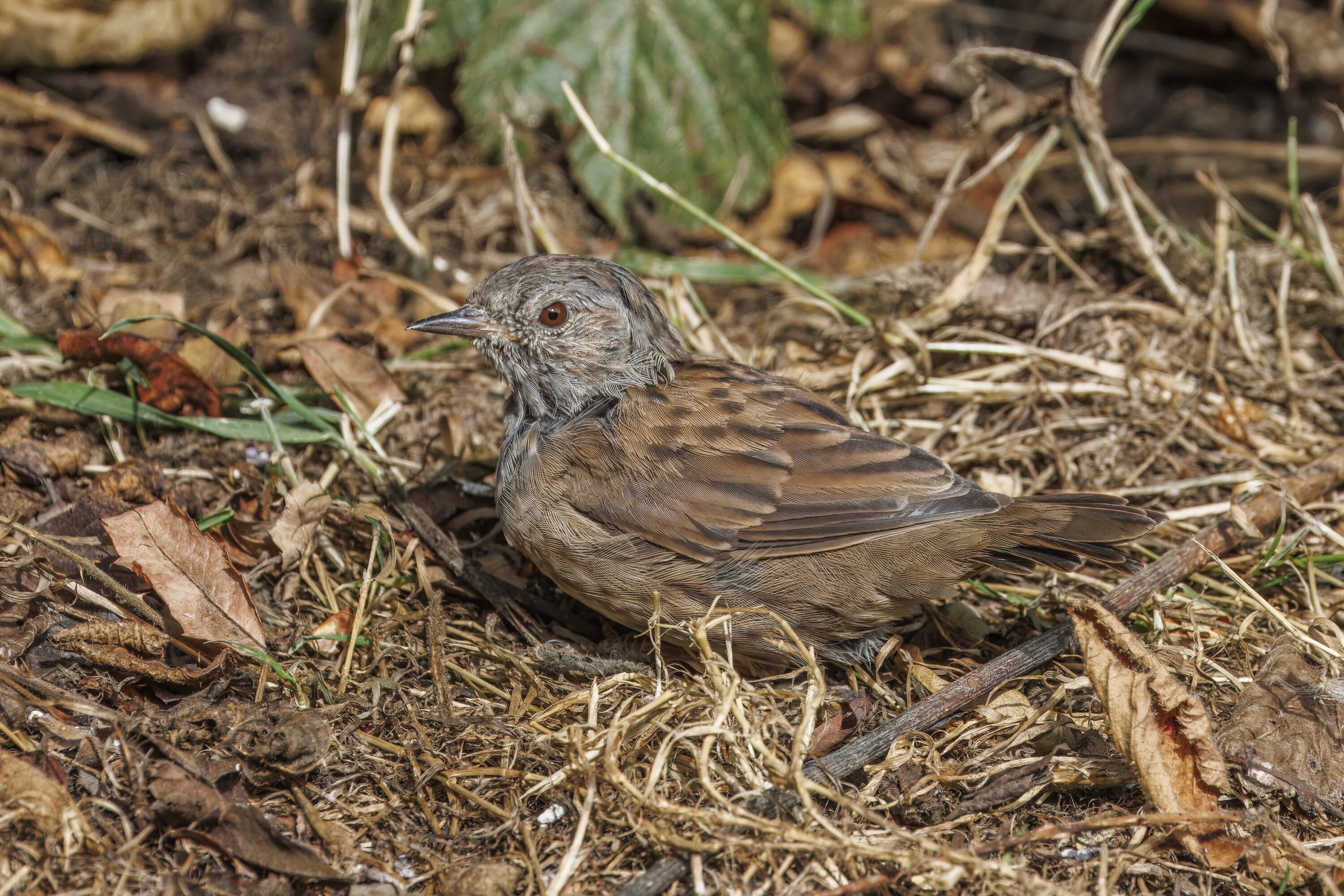
Dunnock Spring Passage Advanced by Up to 8.3 Days Over 61 Years at Hel
Standardised ringing data from northern Poland showed that the first, median and last phases of dunnock spring passage…
Read story →SPECIES IN THIS STORY
Species in this story
Independent research and conservation news archive
Did you find this information useful?
Wildlife Vagabond is independently built and maintained. Voluntary support helps cover source verification, hosting and continued work on research and conservation news.
Support Wildlife VagabondThe news archive will remain freely available.