
Galápagos Short-eared Owls Shared Volcanic Dust Baths on Floreana
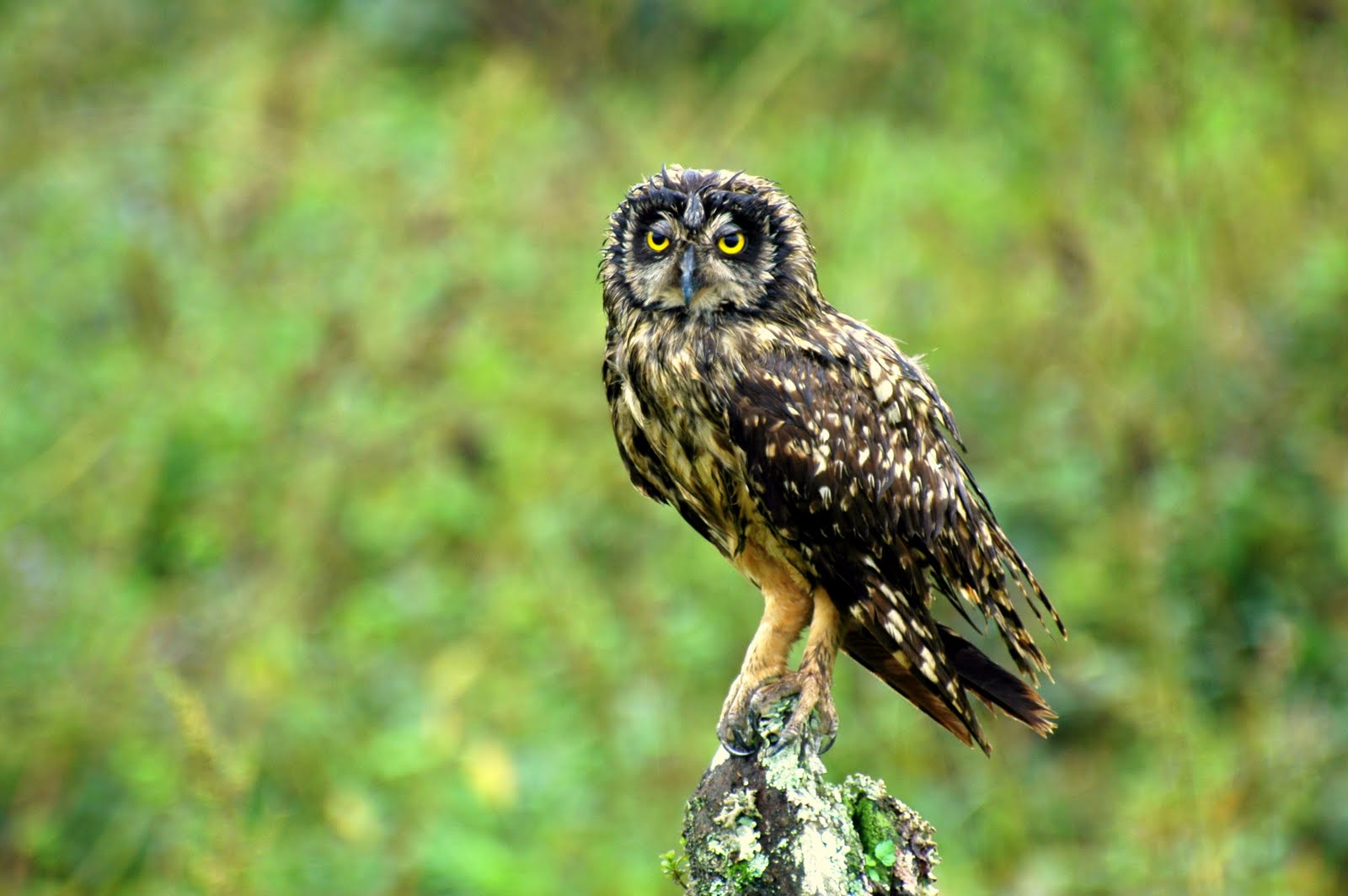
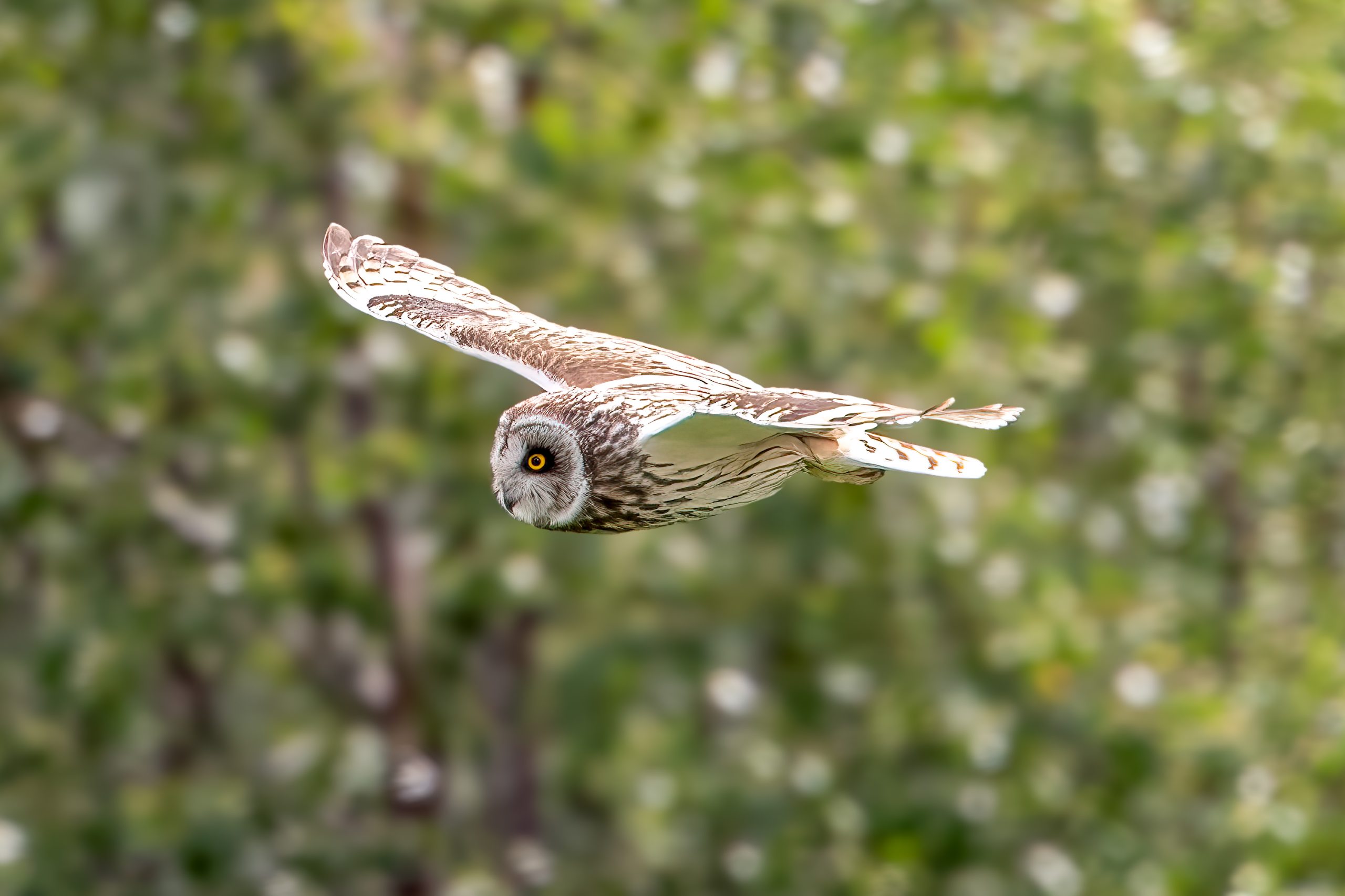
A 2026 field report documented repeated and communal dust bathing by Galápagos short-eared owls (Asio flammeus galapagoensis) on Floreana Island. Camera traps and direct observations showed several owls repeatedly using sites with very fine volcanic soil, including occasions when two birds dust-bathed simultaneously.
A camera placed at a frequently used dust bath in the island cemetery recorded dust bathing on 11 of 14 monitored nights, with activity concentrated mainly between 18:45 and 22:00. Field observers saw as many as four owls present at the same time. Fine reddish dust penetrated deeply into the plumage and accumulated around the facial disc and in body openings.
The same dust-bathing locations were also used by mixed flocks of Darwin’s finches and by feral cats. During a later expedition, one of 20 owls examined carried seven blood-feeding louse flies (Hippoboscidae) in an ear opening. The authors treat this as an anecdotal observation rather than direct evidence that dust bathing reduces parasites.
The researchers suggest that the repeated use of the same fine-soil sites may serve plumage maintenance and could also have a social component. They note that synchronized dust bathing is unusual in a raptor that is generally described as loosely territorial or only facultatively social, depending on how resources are distributed.
Behaviour
Related news
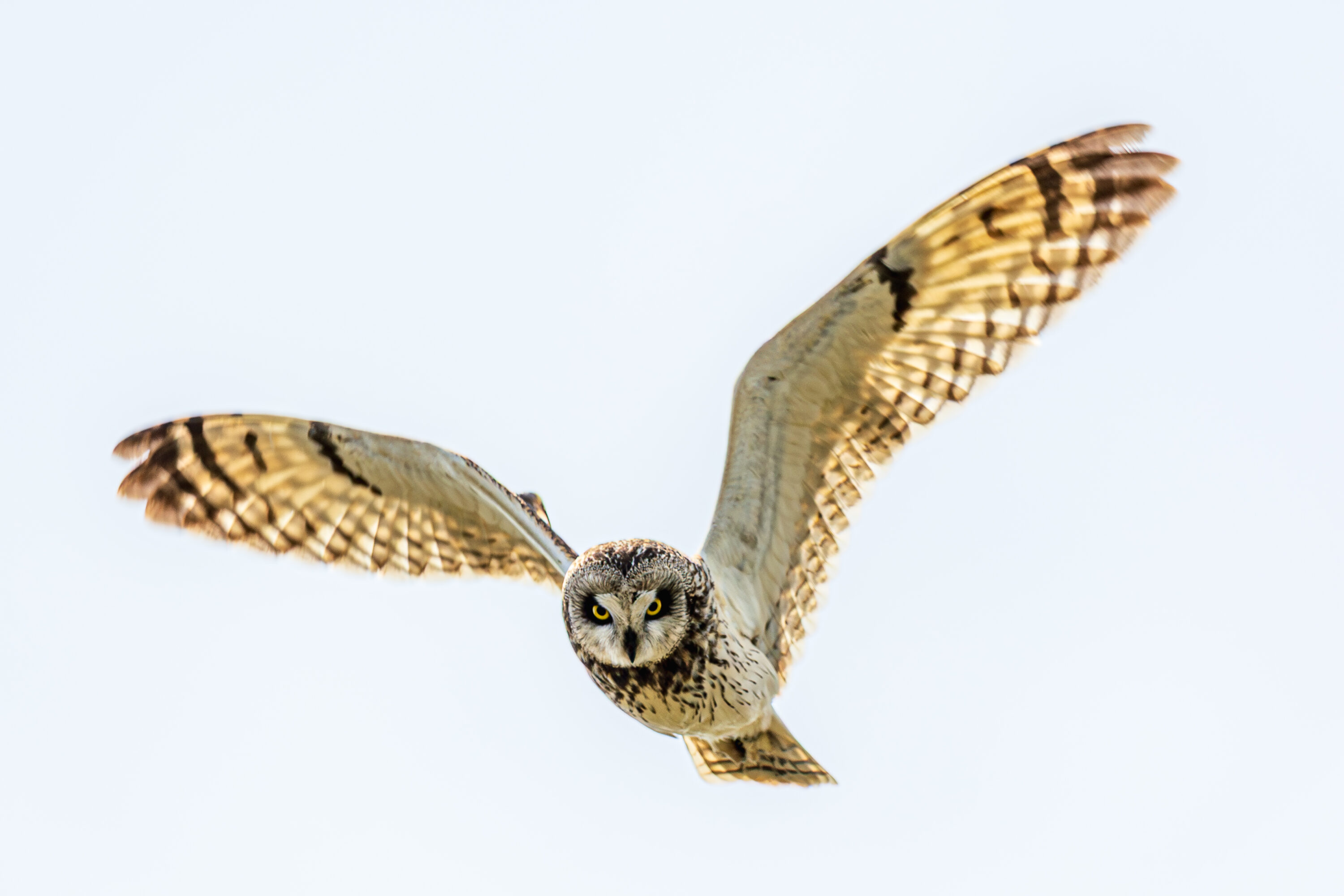
Western Finland’s Short-eared Owl Breeding Population Fell More Than 50% as Grassy Habitat Shrunk 46%
Over 47 years in western Finland, the local Short-eared Owl breeding population fell by more than 50% while…
Read story →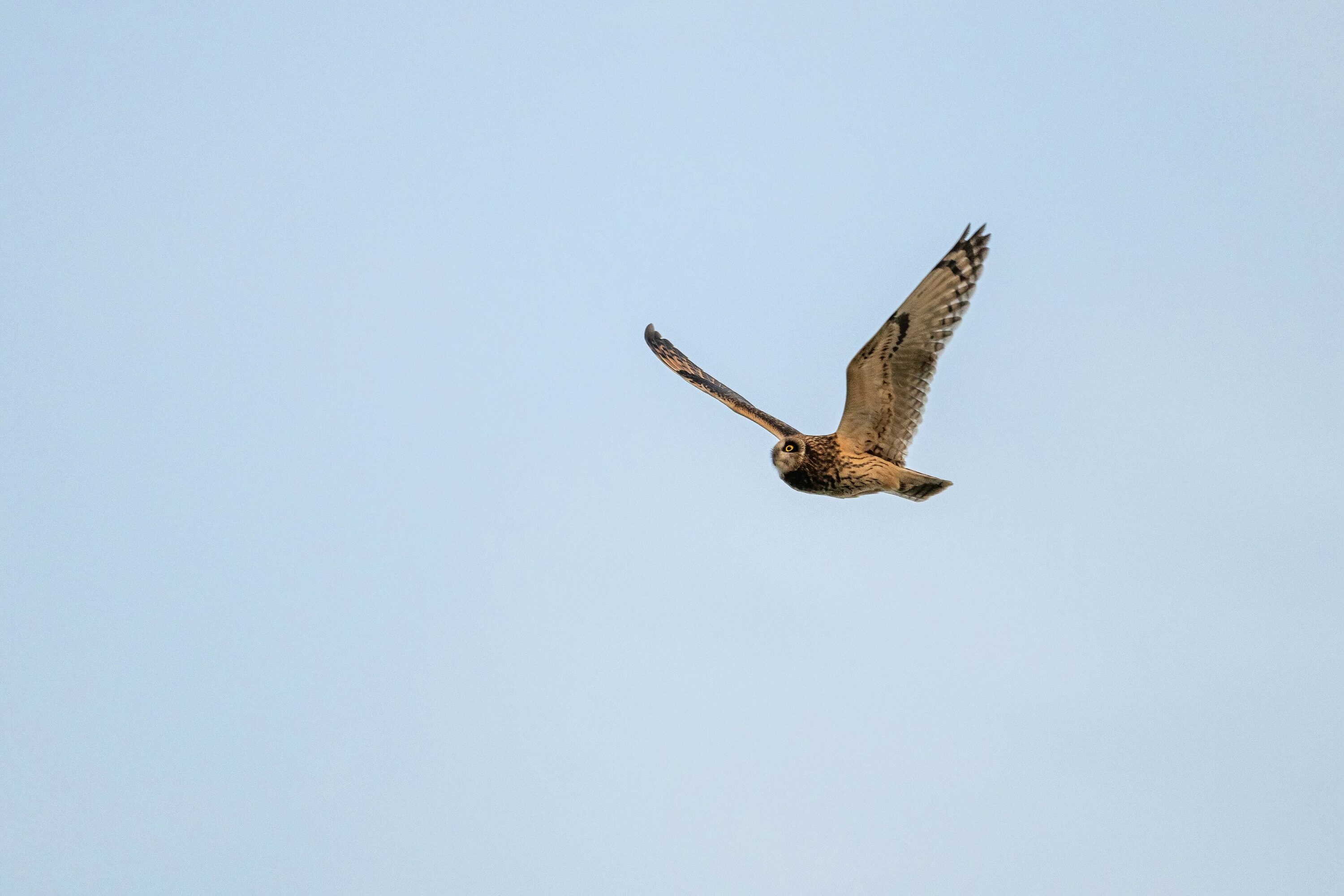
Short-eared Owls Wintering in Taiwan Used Two Distinct Spring Migration Routes
Seventeen GPS-tagged Short-eared Owls departed Taiwan in spring: 11 used a continental route through eastern China and six…
Read story →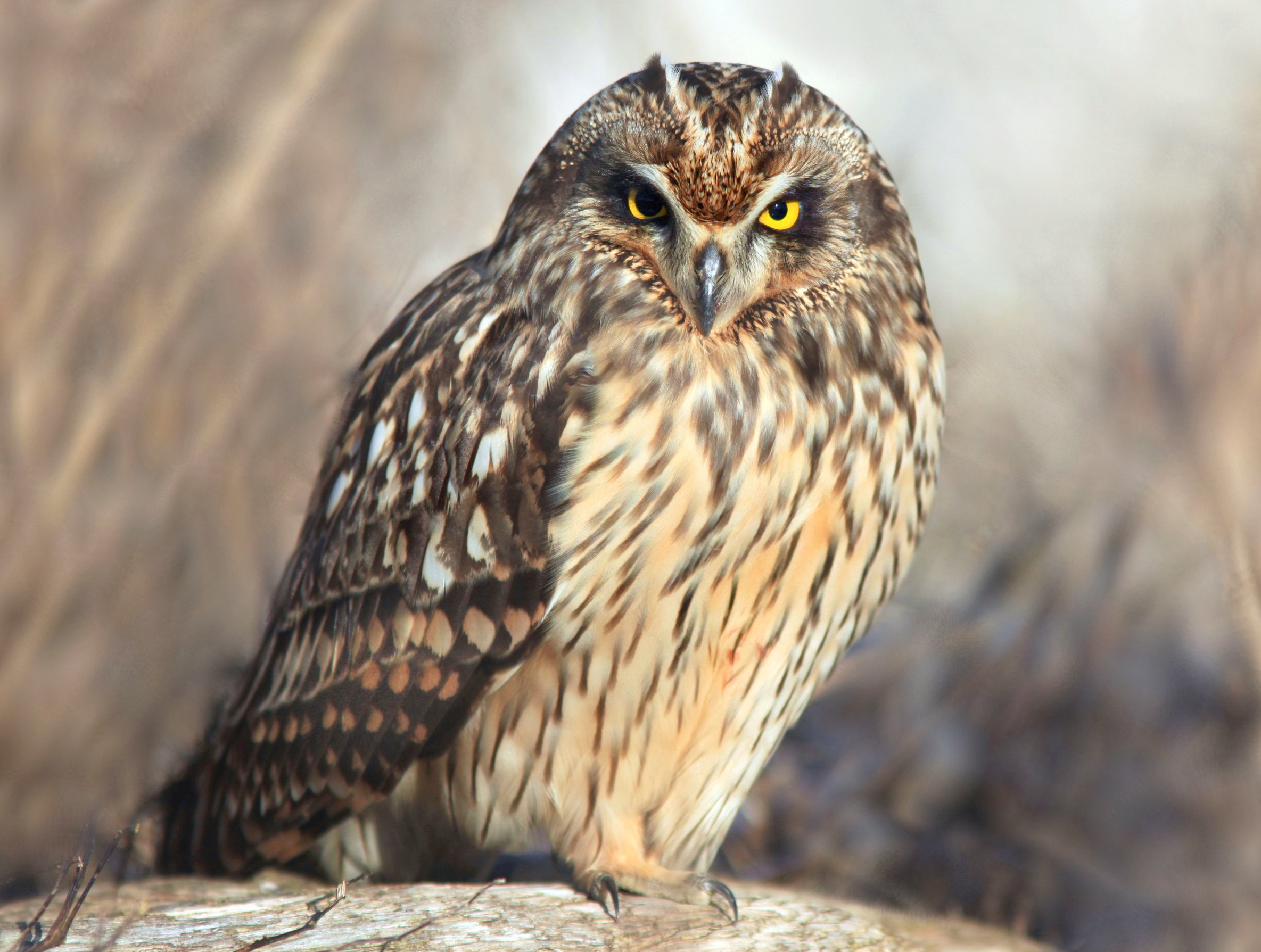
Only 2% of the Southern Québec Study Area Was Classified as Very High-Quality Short-eared Owl Breeding Habitat
A 2026 Québec study found that only about 2% of the modelled area fell in the highest breeding-habitat…
Read story →SPECIES IN THIS STORY
Species in this story
Independent research and conservation news archive
Did you find this information useful?
Wildlife Vagabond is independently built and maintained. Voluntary support helps cover source verification, hosting and continued work on research and conservation news.
Support Wildlife VagabondThe news archive will remain freely available.