
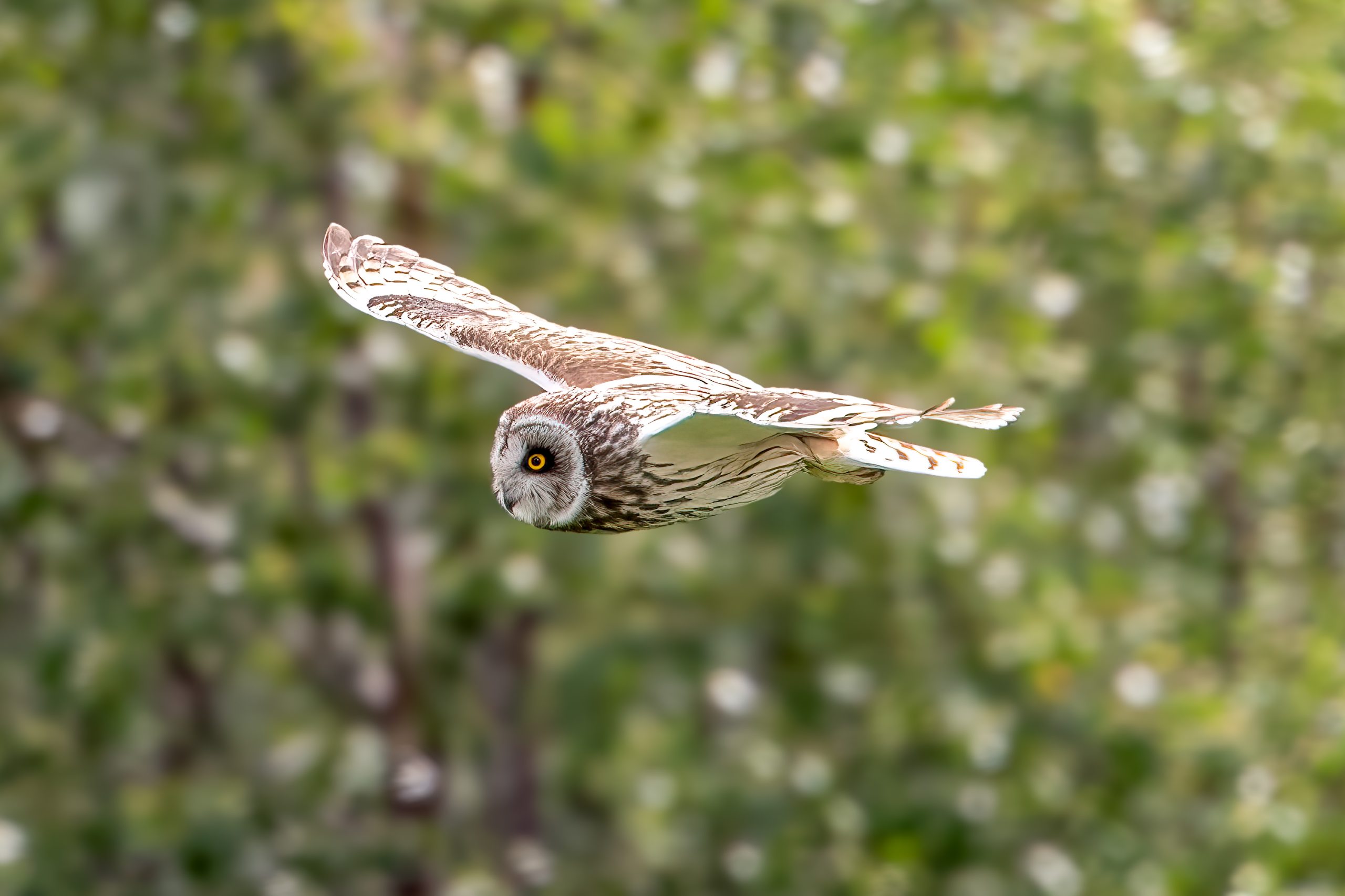
Only 2% of the Southern Québec Study Area Was Classified as Very High-Quality Short-eared Owl Breeding Habitat
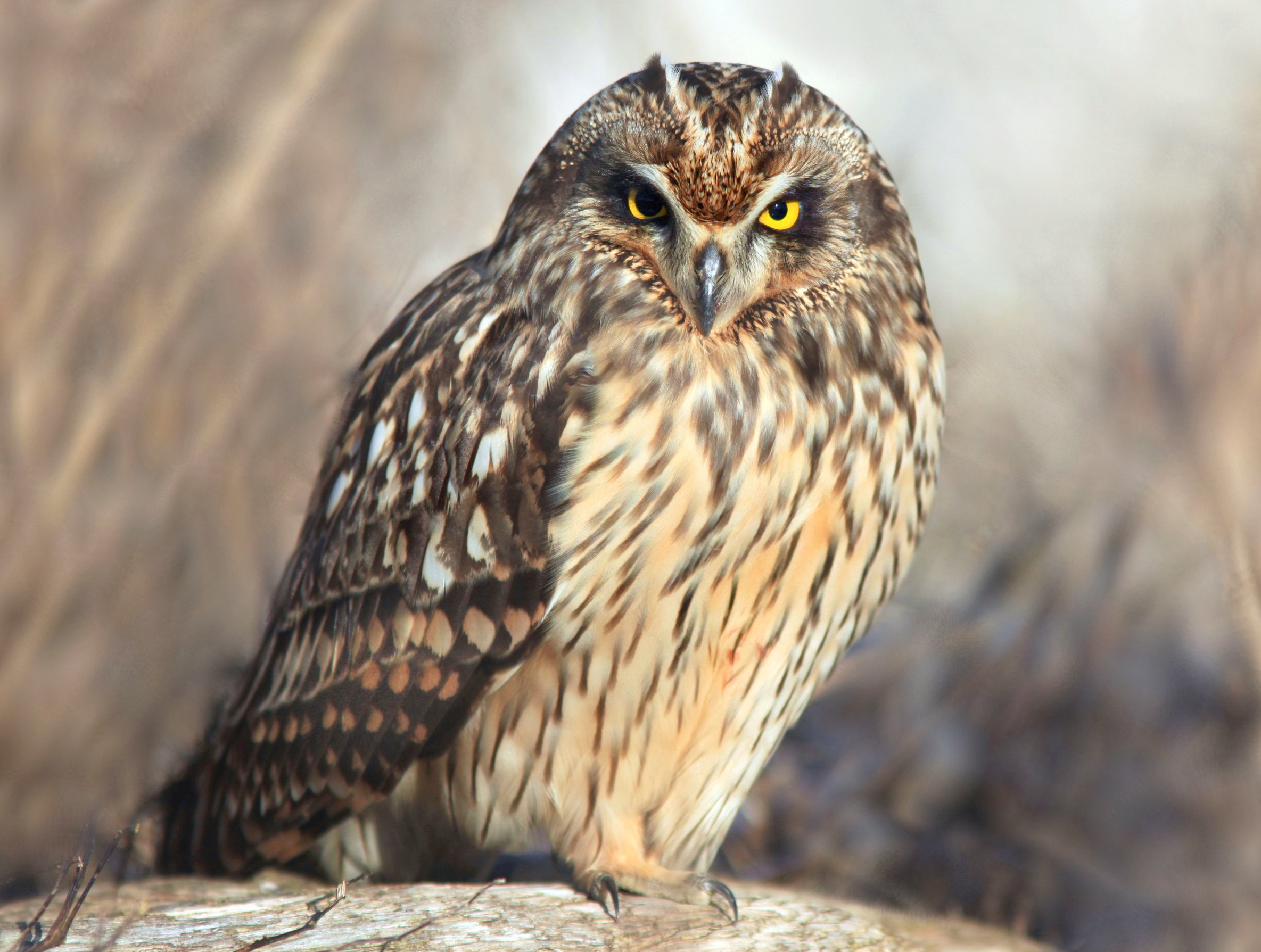
A 2026 study of short-eared owls (Asio flammeus) in southern Québec, Canada found that only about 2% of the modelled study area fell in the highest breeding-habitat quality class. This describes modelled environmental suitability, not the proportion of the landscape known to contain nests or owls. The model was built from more than 25 years of monitoring data collected between 1994 and 2019 and was independently evaluated with observations from eBird and NatureCounts.
Short-eared owls are difficult to monitor because they are relatively inconspicuous, are most active around dawn and dusk, and can shift breeding sites between years. That mobility makes repeated surveys of the same places unreliable and helps explain why the study combined habitat modelling, seasonal occurrence and other bird species as possible survey cues.
The highest-quality areas were concentrated at lower elevations in large open landscapes where agriculture was important but did not dominate the surrounding land cover. More than 70% of independent breeding-season observations fell within habitat classified as good or excellent, while extensively forested landscapes were generally less suitable.
Breeding sites were rarely reused in consecutive years
The study also showed low site fidelity — repeated use of the same breeding site across years. Only 17% of breeding sites were occupied in more than one year, and just 6% were occupied in two consecutive years. Presence during the non-breeding season did not reliably predict where owls would occur during the following breeding season. The research team notes that this mobility may be linked to year-to-year fluctuations in small rodents, the owls’ main prey, although the study did not test that mechanism directly.
Vesper sparrows could help target owl surveys
To improve survey efficiency, the researchers examined more than 131,000 eBird checklists from predicted high-quality habitat. Among 195 bird species, vesper sparrow (Pooecetes gramineus) showed the strongest association with short-eared owl occurrence and was recorded almost three times as often at sites where the owl had been detected. In this context, a proxy species is an easier-to-detect bird whose occurrence helps identify places where the harder-to-detect target species may also be worth searching for. The association does not mean the owl depends biologically on vesper sparrows. The authors propose combining habitat quality with such avian proxies to focus future short-eared owl surveys.
Ecology
Related news
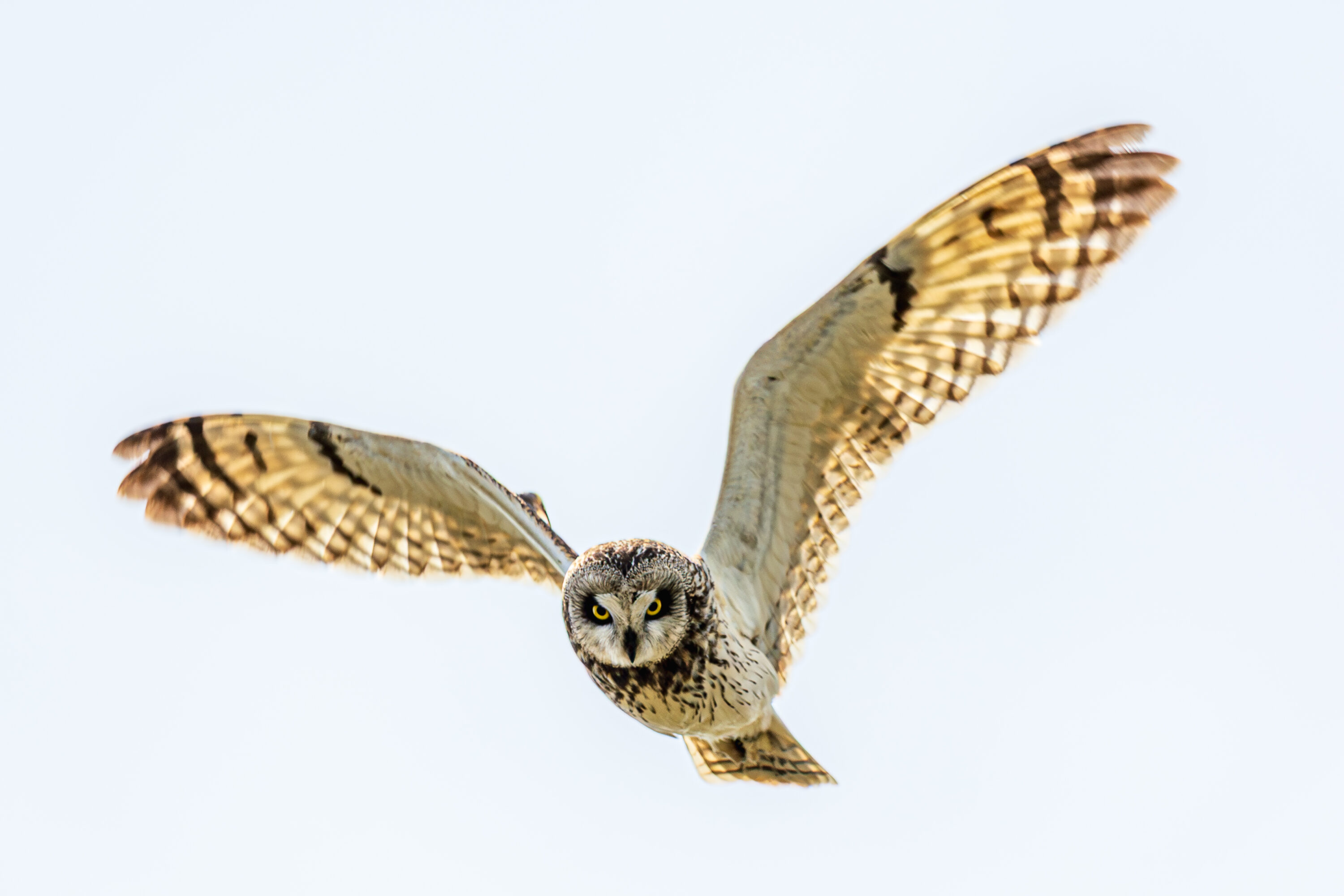
Western Finland’s Short-eared Owl Breeding Population Fell More Than 50% as Grassy Habitat Shrunk 46%
Over 47 years in western Finland, the local Short-eared Owl breeding population fell by more than 50% while…
Read story →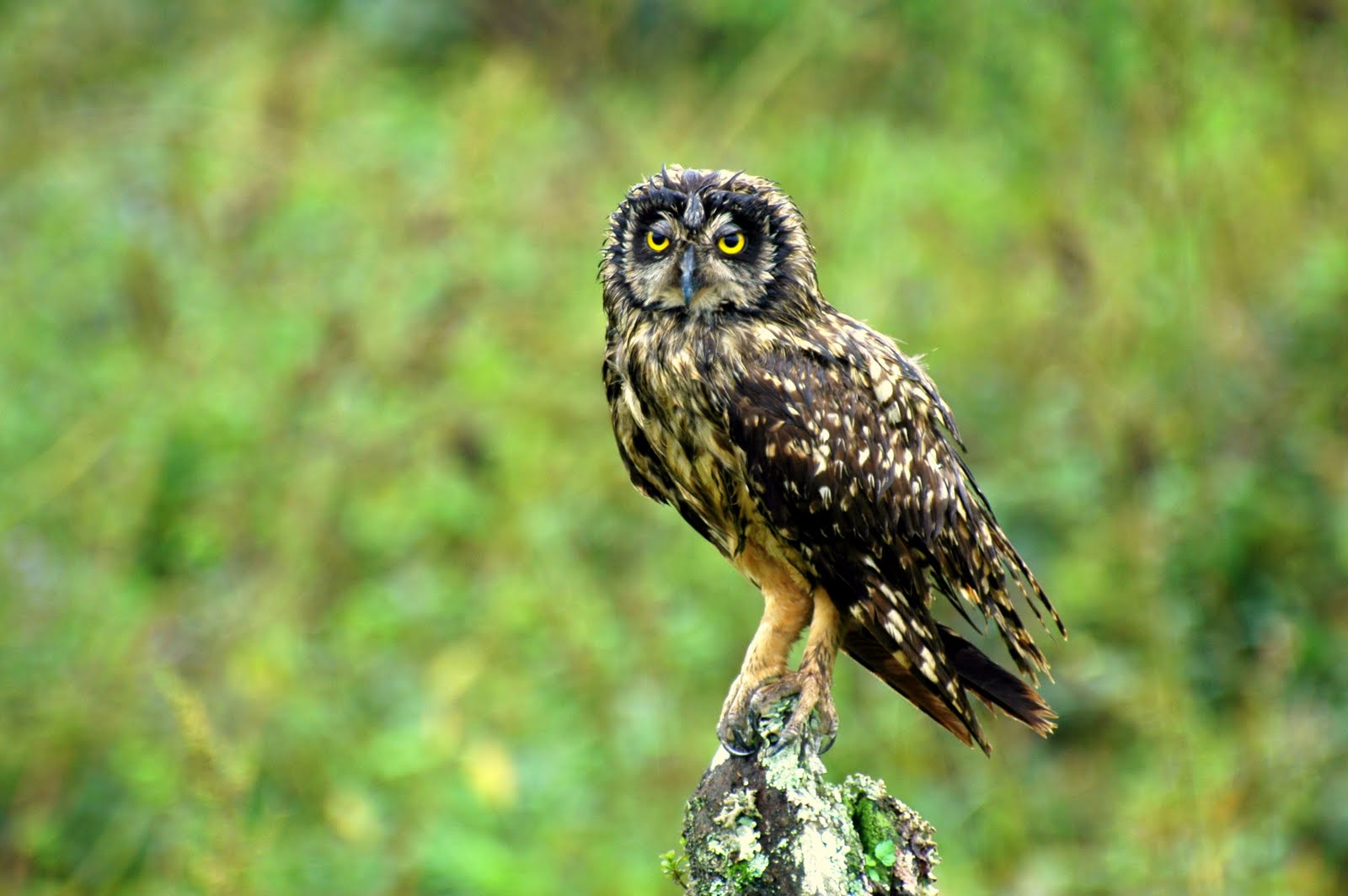
Galápagos Short-eared Owls Shared Volcanic Dust Baths on Floreana
Camera traps and field observations on Floreana documented repeated use of fine volcanic dust baths by Galápagos Short-eared…
Read story →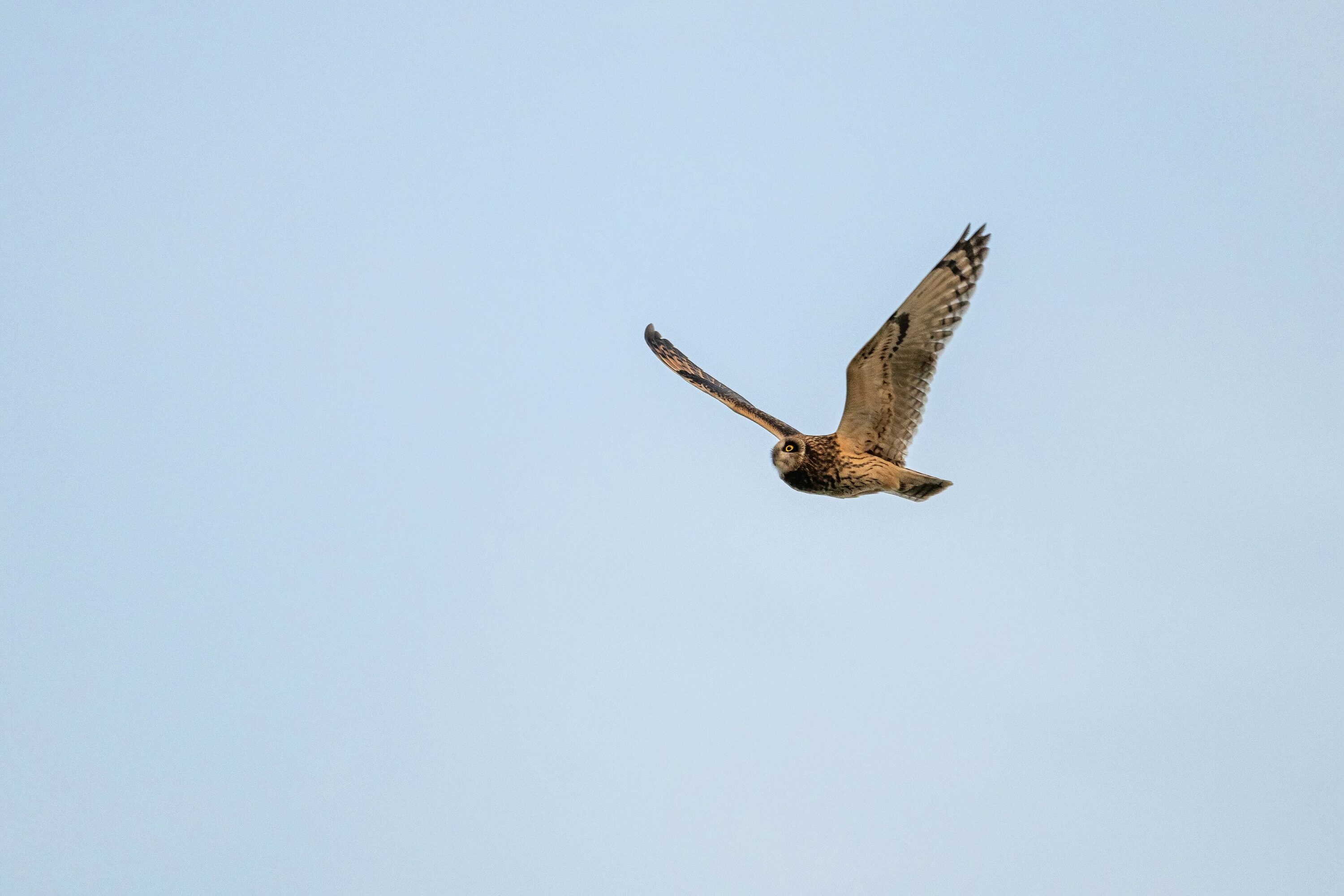
Short-eared Owls Wintering in Taiwan Used Two Distinct Spring Migration Routes
Seventeen GPS-tagged Short-eared Owls departed Taiwan in spring: 11 used a continental route through eastern China and six…
Read story →SPECIES IN THIS STORY
Species in this story
Independent research and conservation news archive
Did you find this information useful?
Wildlife Vagabond is independently built and maintained. Voluntary support helps cover source verification, hosting and continued work on research and conservation news.
Support Wildlife VagabondThe news archive will remain freely available.