
Climate Velocity Ranked First Among Factors Linked to Global Leopard Range Loss
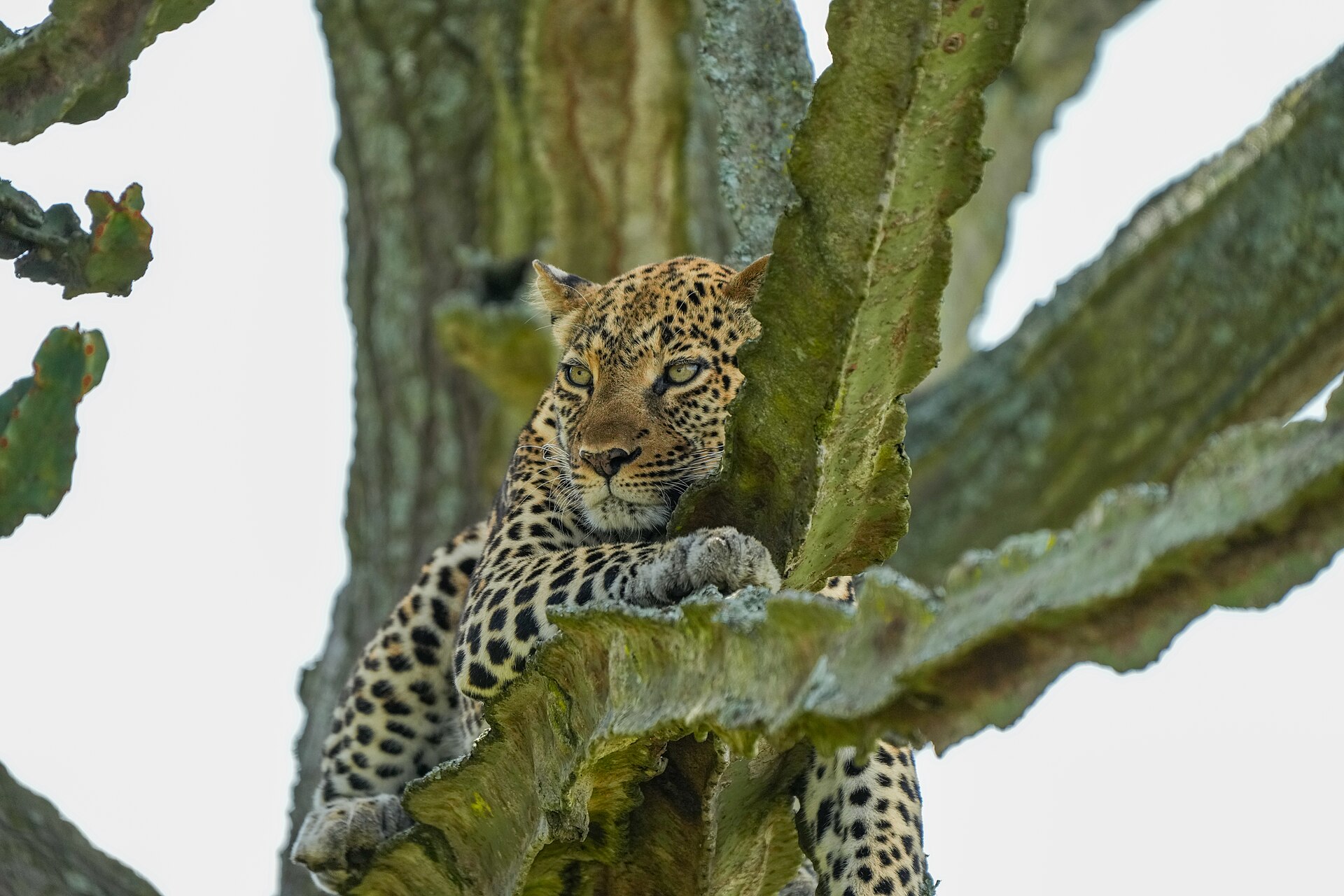
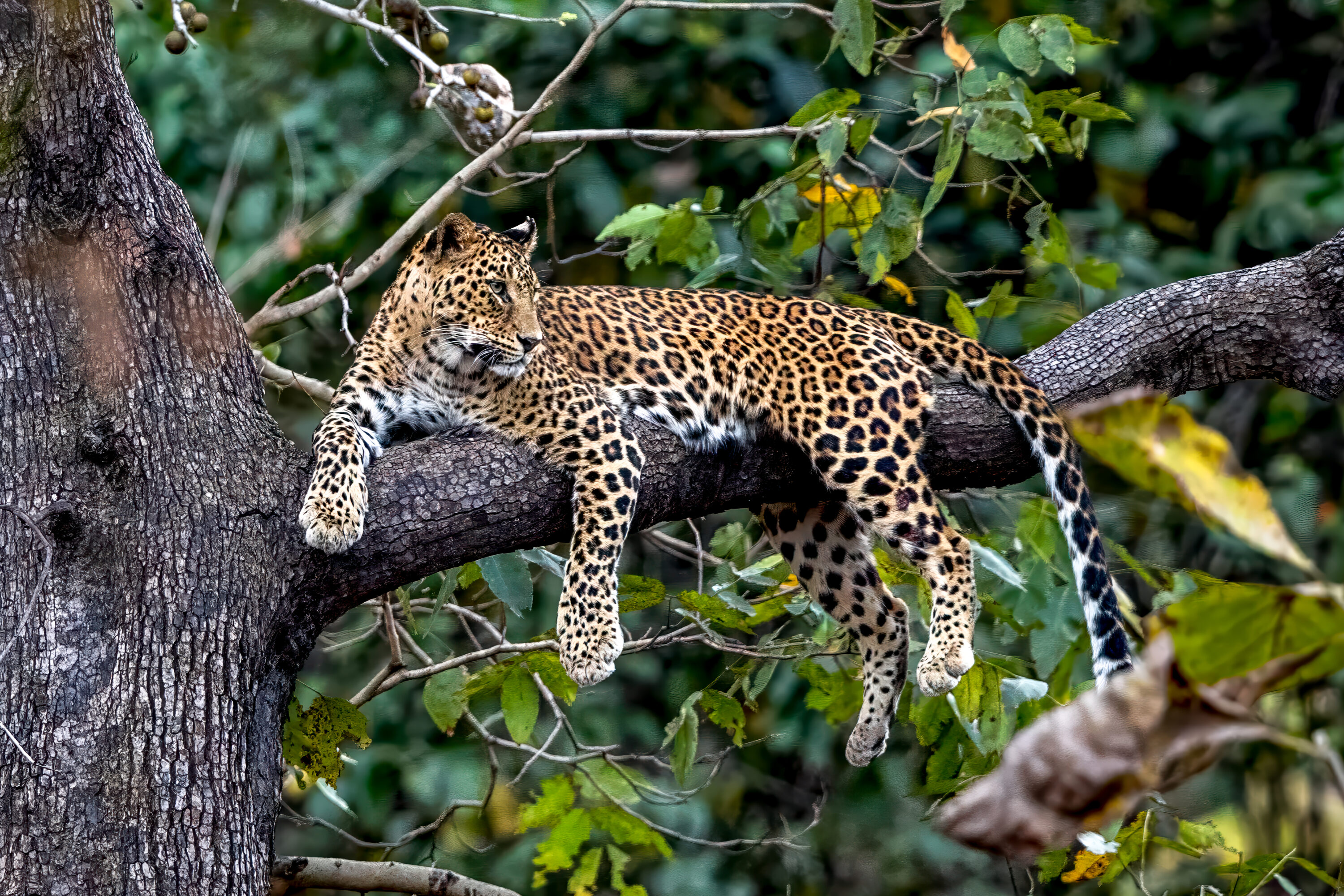
Across the leopard’s (Panthera pardus) global range, climate velocity ranked first among the predictors linked to historical range loss. Climate velocity describes the speed at which comparable climate conditions shift geographically. Landscape modification, livestock biomass density and forest loss followed in the global ranking.
The researchers compared IUCN maps of historical and present distribution for all nine living leopard subspecies. The historical range was divided into roughly 2,500 km² cells and each cell was classified according to whether leopards persisted or had disappeared locally. Eleven climatic and human-pressure variables were then compared with this pattern.
Two model types highlighted different parts of the pattern
The study used two modelling approaches that answer different questions. In the predictor-ranking models, climate velocity contributed most to distinguishing persistent from locally extirpated areas. In the regression model, however, landscape modification had the strongest positive association with local extirpation, while climate velocity and forest loss showed weaker positive associations. This does not mean a fixed percentage of leopards disappeared as any one pressure increased; the values describe relative patterns in the model rather than observed disappearance rates.
The leading pressures differed among subspecies
The pattern also differed among subspecies. Climate velocity, climate extremes and forest loss ranked highest for the Indian leopard (P. p. fusca). For the Amur leopard (P. p. orientalis), livestock density and broader human impact were among the leading variables. Forest loss ranked highest for the Indochinese leopard (P. p. delacouri), while no single predictor consistently dominated for the Javan and Sri Lankan leopards.
The models show associations, not direct causes
These results do not show that climate velocity or any human-pressure variable directly caused leopard losses. The models are correlative, and several important pressures — including prey depletion, persecution, poaching and retaliatory killing — could not be included consistently at a global scale. The approximately 2,500 km² cells also smooth over local conditions, and some environmental datasets describe more recent periods than the accumulated historical range contraction.
The study therefore does not reduce global leopard decline to a single driver. Instead, it shows that climatic displacement and human land transformation both carry strong global signals, while the combination of pressures associated with range loss differs substantially among the nine subspecies.
Threats
Related news
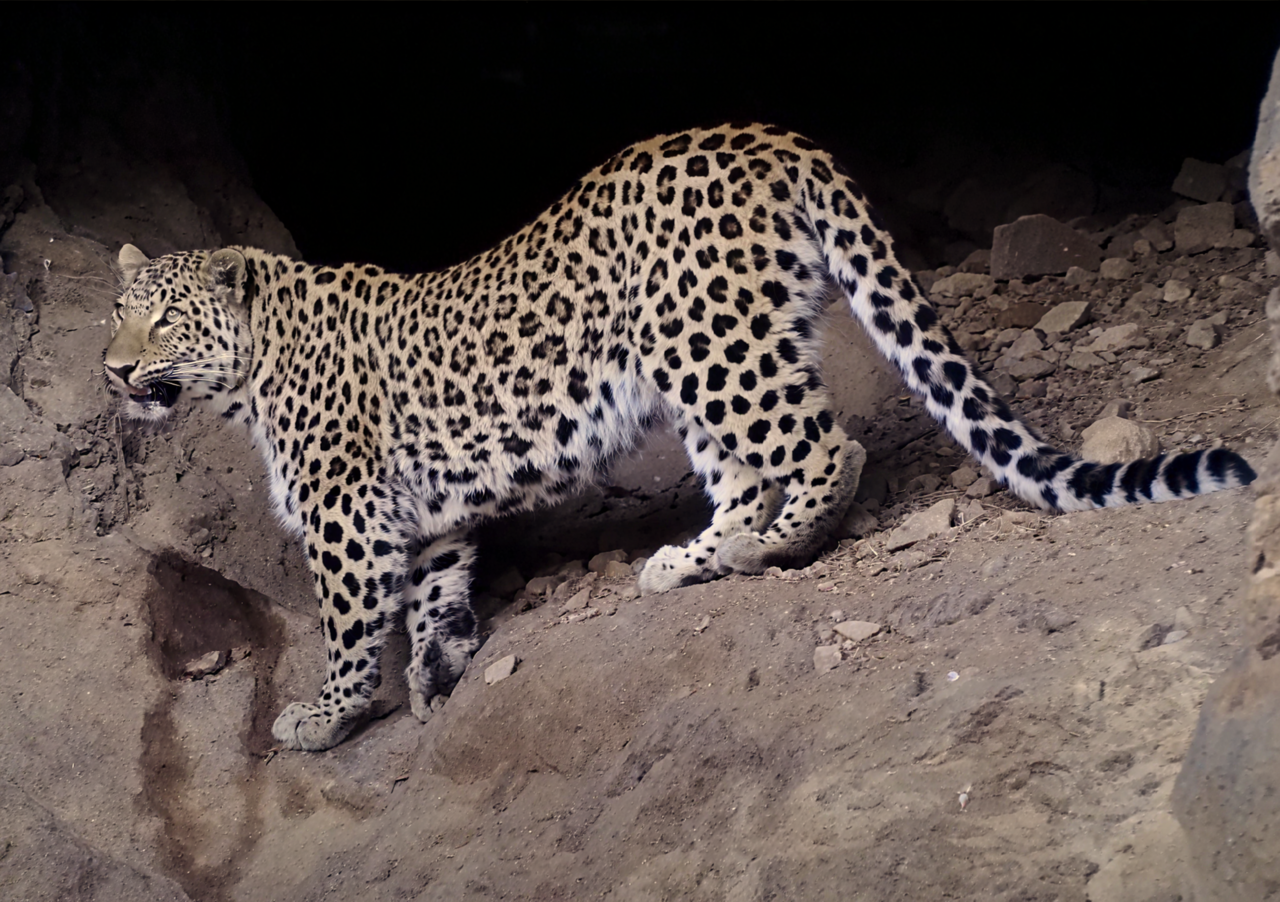
Living With Carnivores Is About More Than Livestock Losses
Near Iran’s Golestan National Park, researchers explored what was associated with people’s willingness to accept leopards, wolves and…
Read story →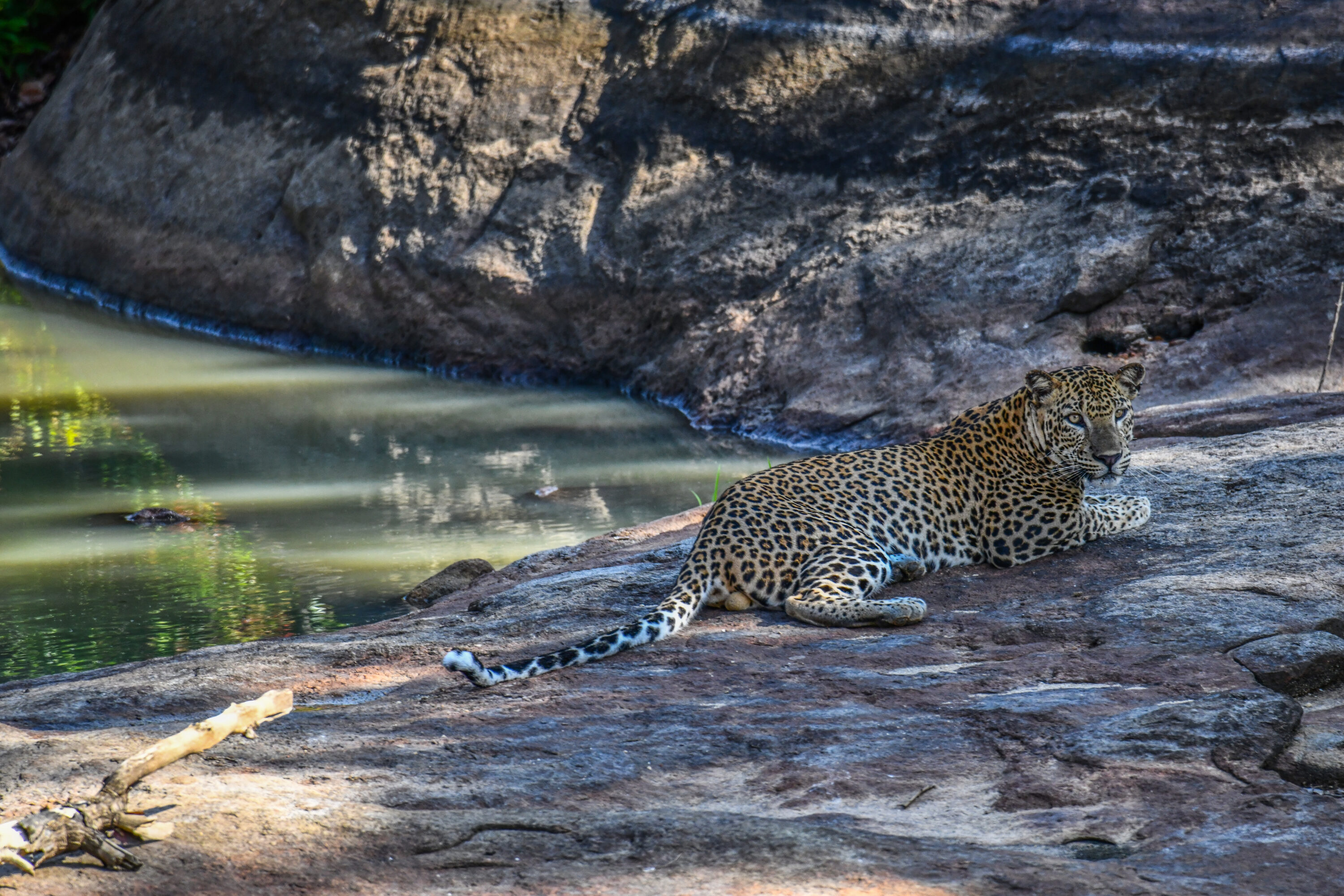
Sri Lankan Leopards in Tea Landscape Were Less Active by Day and More Active at Dusk
In Sri Lanka’s Central Highlands, only 4.4% of leopard records in an unprotected tea landscape were diurnal while…
Read story →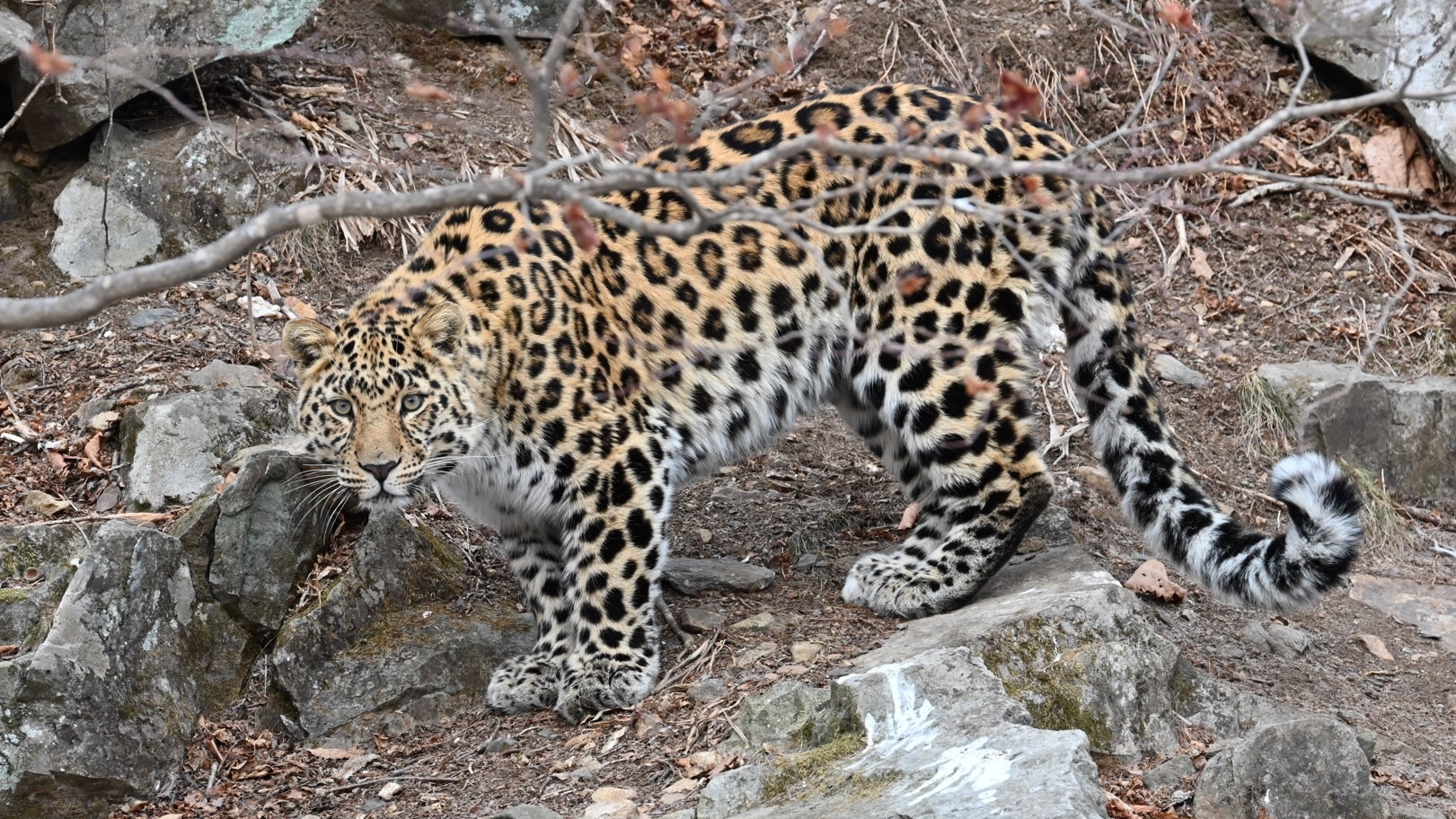
Amur leopard density nearly tripled in a decade
Ten years of camera-trap data from Russia’s Land of the Leopard National Park show a strong recovery in…
Read story →SPECIES IN THIS STORY
Species in this story
Independent research and conservation news archive
Did you find this information useful?
Wildlife Vagabond is independently built and maintained. Voluntary support helps cover source verification, hosting and continued work on research and conservation news.
Support Wildlife VagabondThe news archive will remain freely available.