
GPS-tracked Northern Pintails Shifted Toward Daytime Flight During Spring Migration
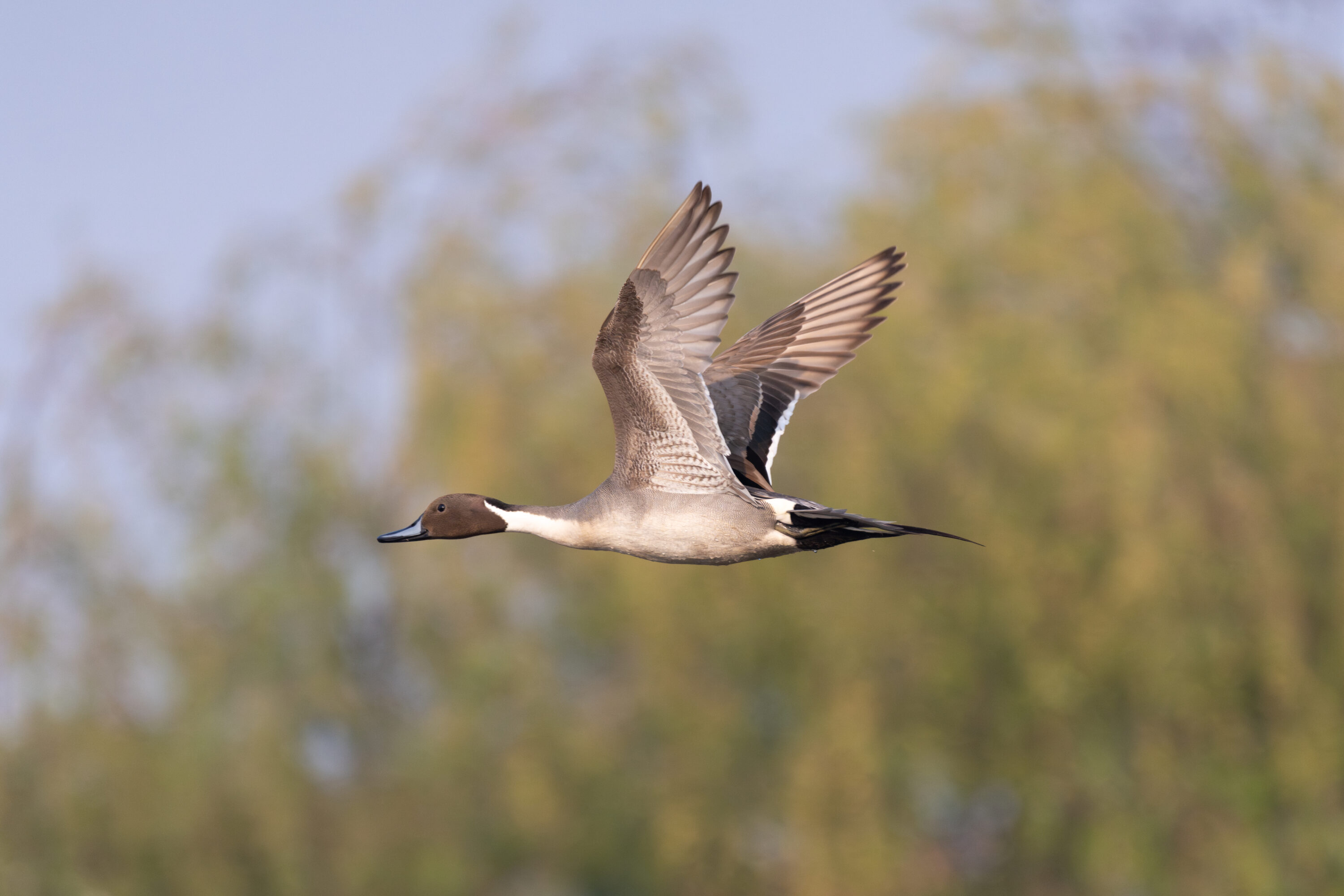
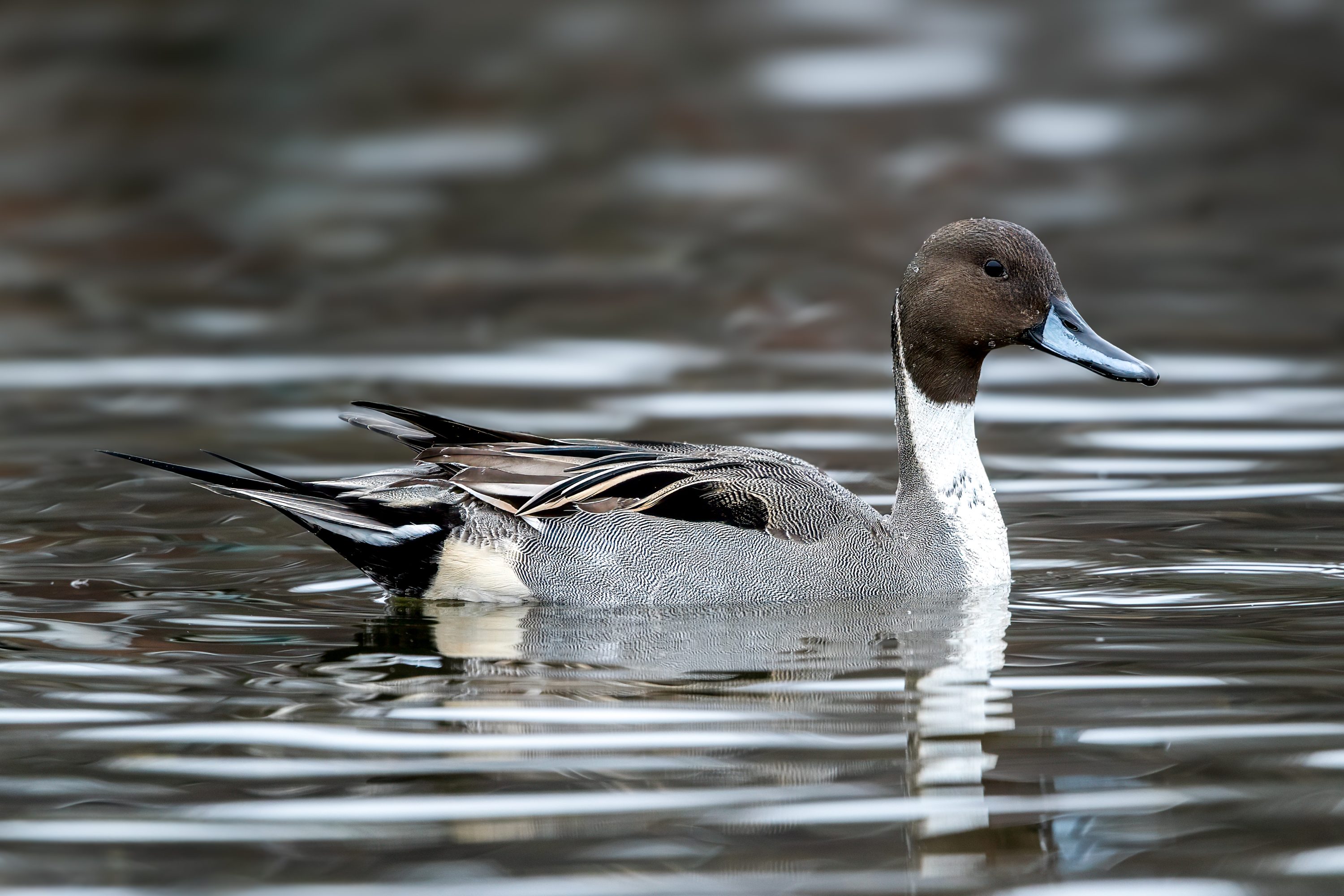
GPS tracking of Northern Pintails (Anas acuta) wintering in northern Italy showed that the ducks gradually shifted toward more daytime flight as they moved northeast during spring migration. The study, published in April 2026, analysed 25 complete pre-breeding migrations from 22 birds tracked between 2018 and 2025.
The pintails were captured in the northern Venice lagoon and migrated toward breeding areas extending from northeastern Europe and western Russia to western Siberia. Most first stopovers were in the Great Hungarian Plain, while the area between Slovenia and Croatia formed a migration bottleneck. Some birds later bred in Hungary or Estonia, and many continued to Russia; individual tracks also included the Netherlands, France and Germany.
Across the migrations, the birds consistently favoured periods with low and decreasing sun altitude, but the proportion of daytime movement increased as they travelled north and east. The pattern also differed with habitat: migration was more strongly concentrated in darker conditions over forested biomes and more flexible in open landscapes.
Stopovers were generally longer in the first half of migration and became shorter and more frequent nearer the breeding grounds. Median track length was about 4,500 km and the median journey lasted around 85 days. Despite high speeds during active flight, the overall pace remained relatively slow. Active migration was also more likely as ground and water-surface temperatures rose, and the birds generally reached stopovers when surface temperatures were above freezing. The authors interpret this as continual adjustment to local conditions and the advancing spring thaw along the route.
Behaviour
Related news
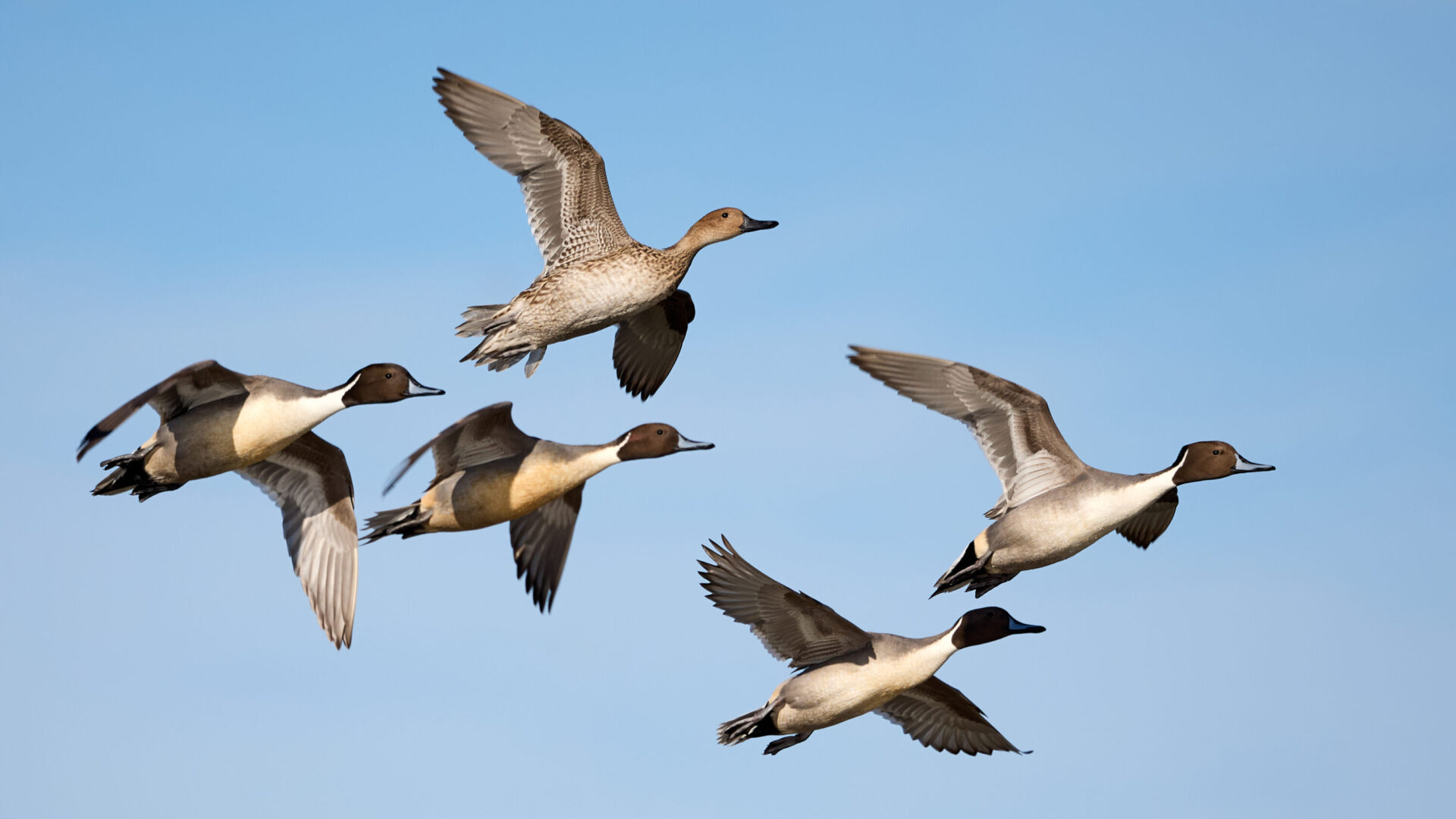
Northern Pintail Breeding Estimate Was 2.0 Million, 48% Below the Long-Term Average
The 2026 North American waterfowl status report estimated 2.0 million breeding northern pintails in the traditional survey area,…
Read story →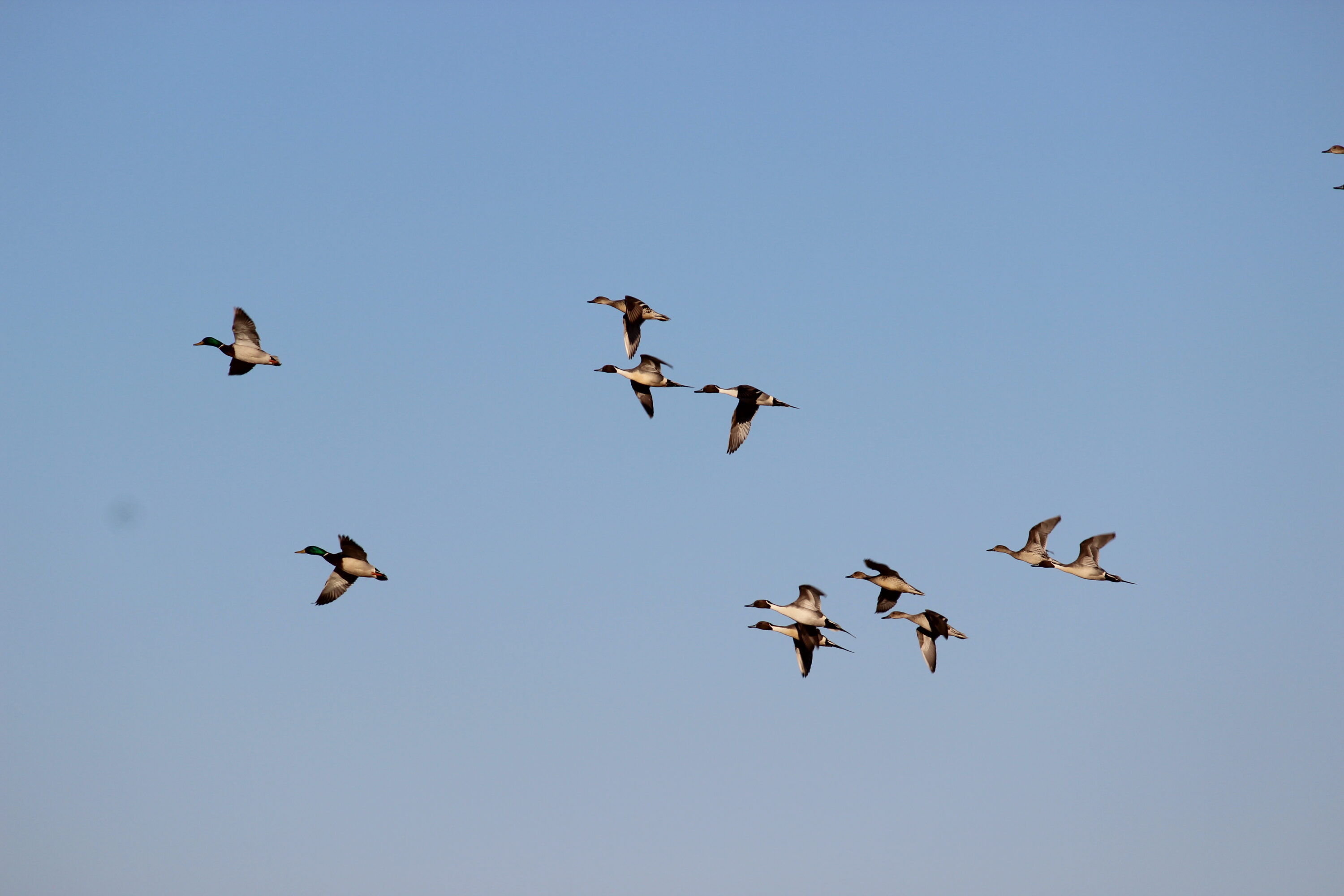
Papillomavirus Genomes Recovered from Three Northern Pintails and One Mallard in New Mexico
Cloacal swabs from three northern pintails and one mallard in New Mexico yielded four complete papillomavirus genomes. All…
Read story →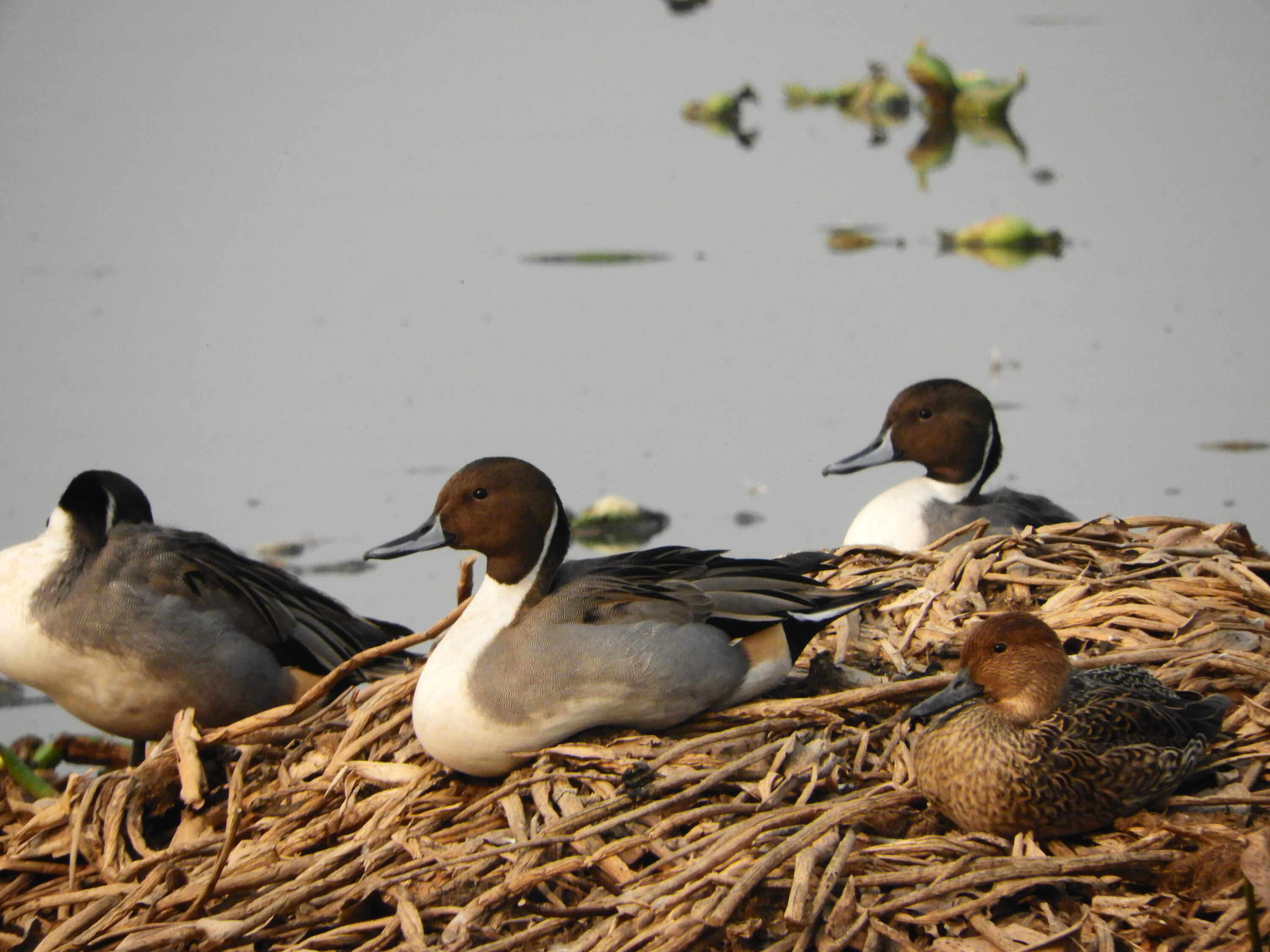
Northern Pintail Counts Fell by an Average 98.3% Across Seven Studied Punjab Wetlands
Annual surveys from 2015 to 2025 at seven wetlands in Punjab, Pakistan, found an average 98.3% reduction in…
Read story →SPECIES IN THIS STORY
Species in this story
Independent research and conservation news archive
Did you find this information useful?
Wildlife Vagabond is independently built and maintained. Voluntary support helps cover source verification, hosting and continued work on research and conservation news.
Support Wildlife VagabondThe news archive will remain freely available.