
Papillomavirus Genomes Recovered from Three Northern Pintails and One Mallard in New Mexico
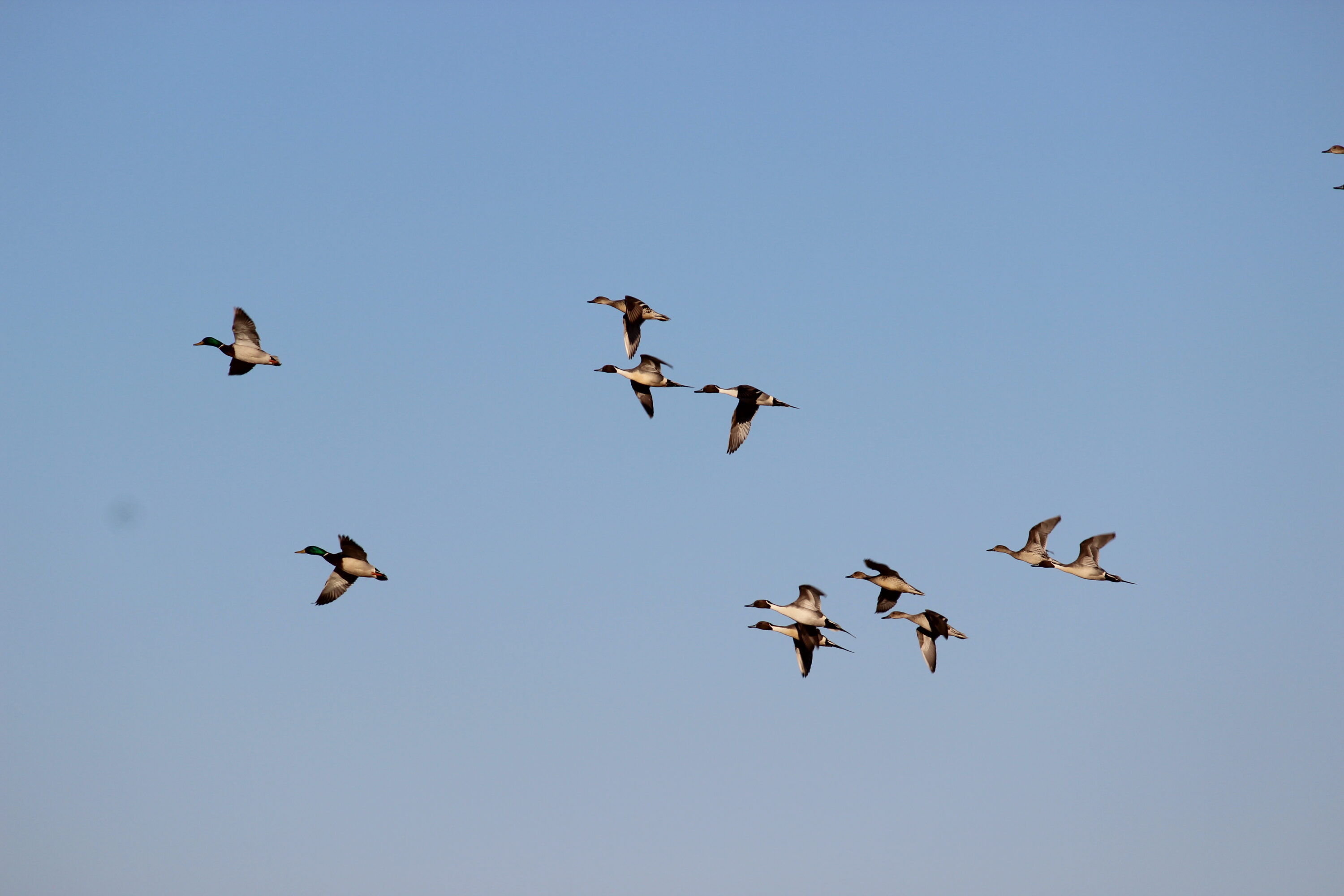
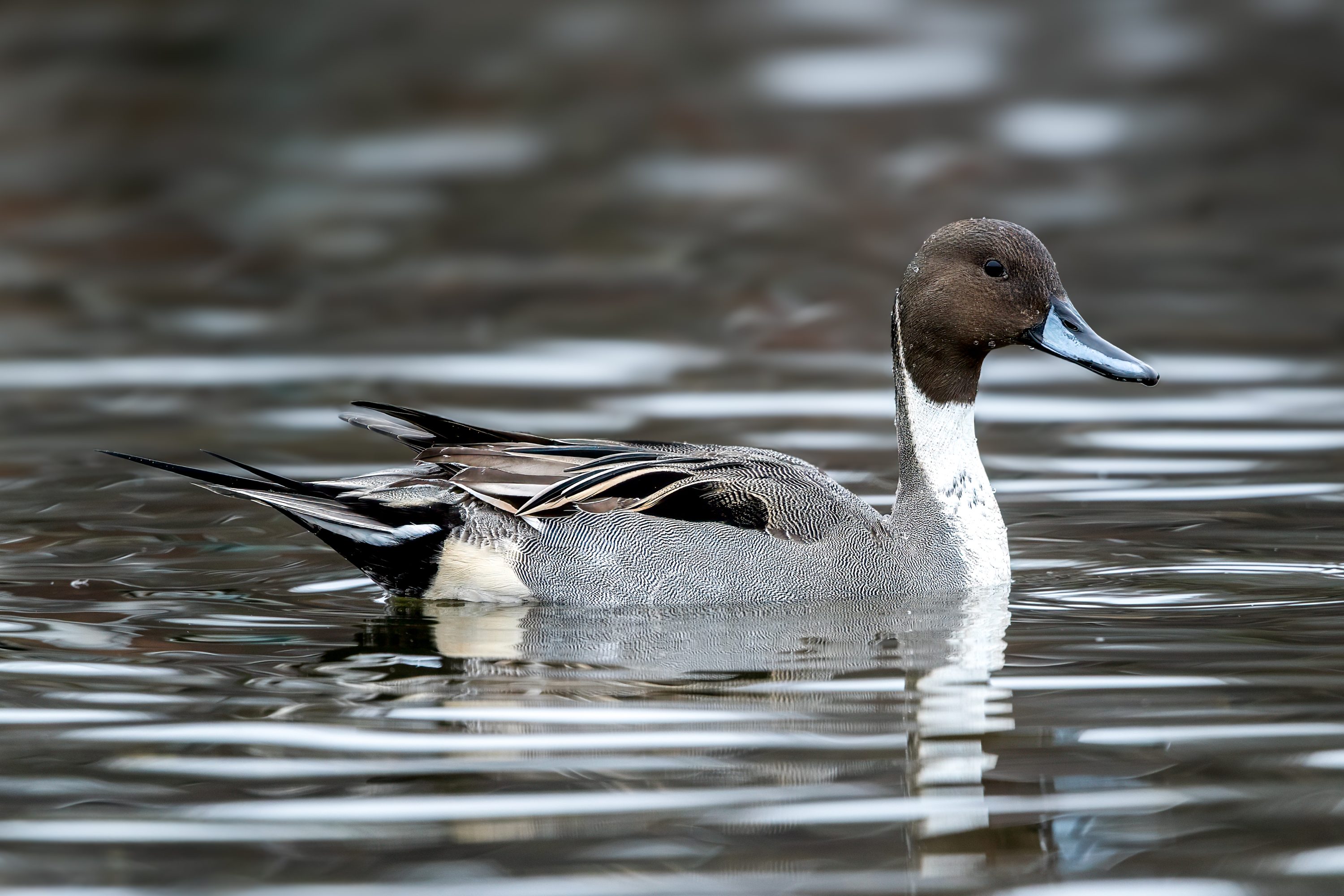
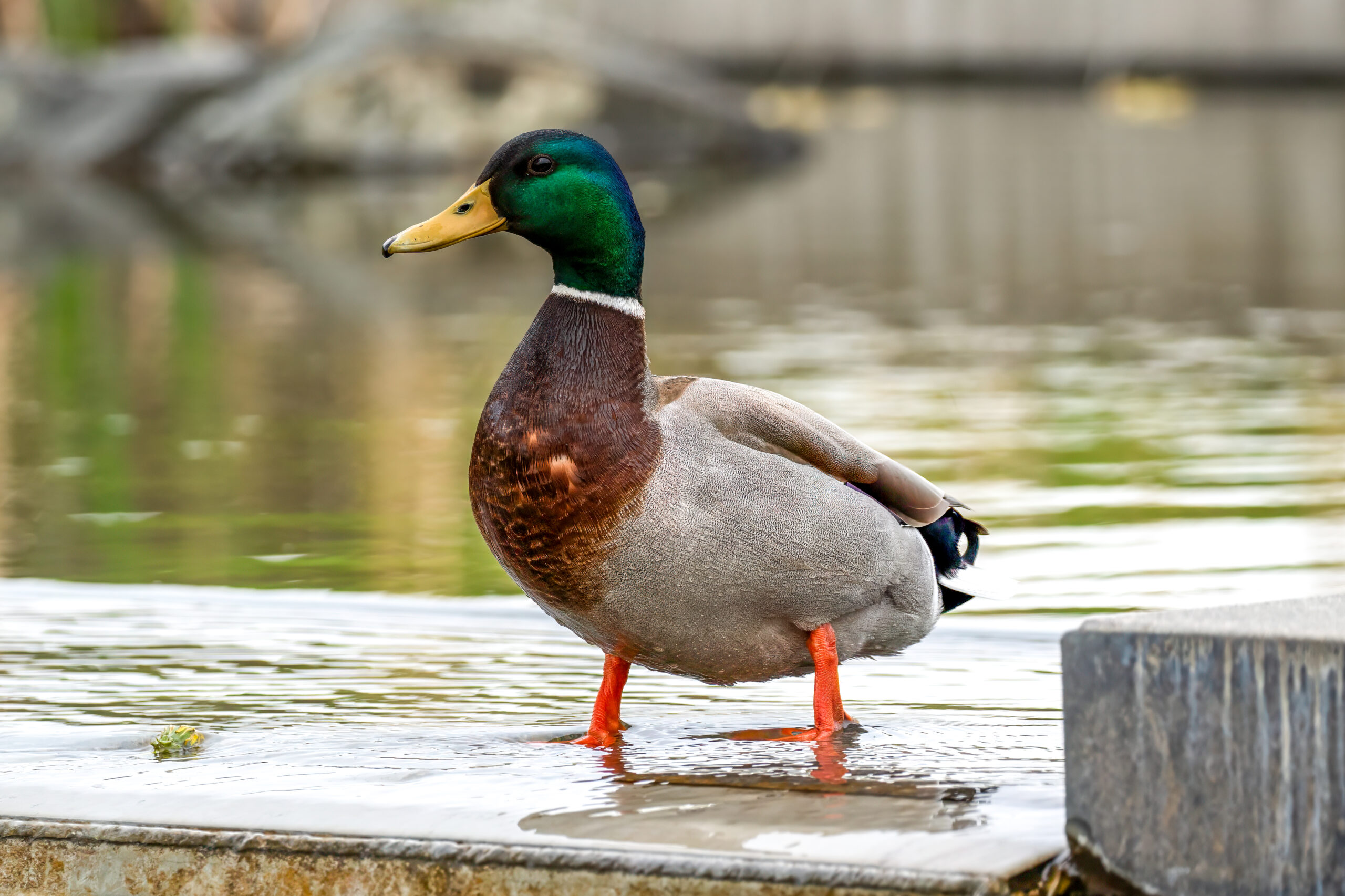
Cloacal swabs from three northern pintails (Anas acuta) and one mallard (Anas platyrhynchos) sampled in New Mexico, USA yielded four complete papillomavirus genomes, according to a study published on 5 August 2026. One circular viral genome was assembled from each bird, and all four were classified as Anas platyrhynchos papillomavirus 3 (AplaPV3).
Papillomaviruses have circular, double-stranded DNA genomes and are often strongly associated with particular host lineages. Complete papillomavirus genomes have nevertheless been documented from relatively few bird species. Before this study, complete genomes from waterfowl in the order Anseriformes had been reported only from mallards, making the three northern pintail detections a notable expansion of the known avian hosts from which complete genomes have been recovered.
The four genomes were 7,839–7,851 nucleotides long and shared 92.8–99.8% genome-wide nucleotide identity with one another. They also shared 92.7–99.9% identity with AplaPV3 previously recovered from a mallard in Missouri. On that basis, the authors assign all four New Mexico genomes to the same papillomavirus type rather than describing them as four new types.
None of the four sampled birds had visually identifiable disease symptoms. The study therefore primarily expands the genomic record of papillomaviruses in wild waterfowl and documents AplaPV3 in northern pintails as well as mallard.
Genetics & genomics
Related news
Seven overlaps linked wild-bird H5 clusters with poultry outbreaks in the US
Across seven periods between 2022 and 2025, clusters of H5 detections in wild waterfowl overlapped in time and…
Read story →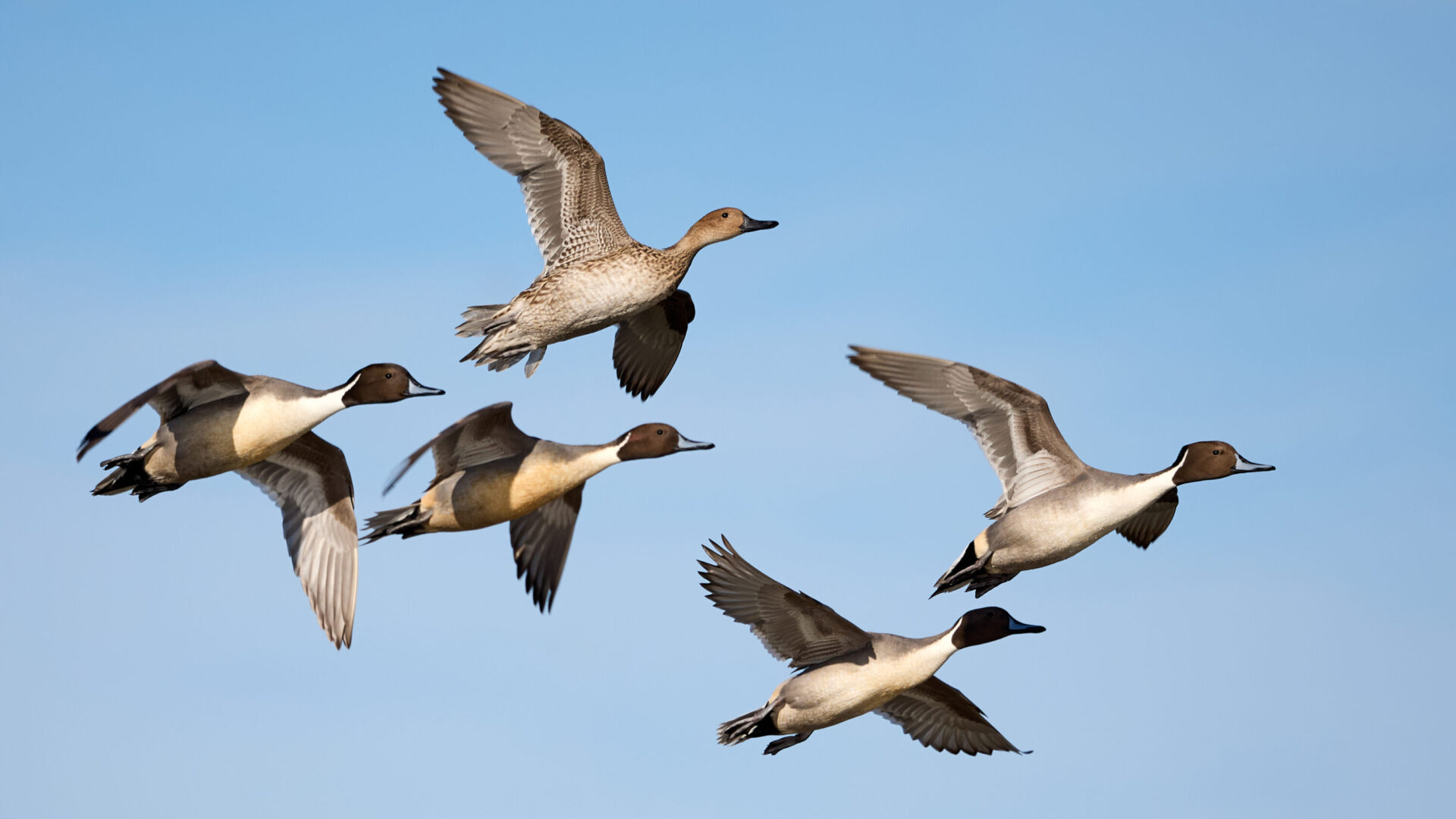
Northern Pintail Breeding Estimate Was 2.0 Million, 48% Below the Long-Term Average
The 2026 North American waterfowl status report estimated 2.0 million breeding northern pintails in the traditional survey area,…
Read story →
H5 Avian Influenza RNA and ESBL E. coli Detected in Water Bins Used by Wild Mallards in Germany
Water from baited bins visited mainly by wild mallards on Germany’s Baltic coast contained RNA from highly pathogenic…
Read story →SPECIES IN THIS STORY
Species in this story
Independent research and conservation news archive
Did you find this information useful?
Wildlife Vagabond is independently built and maintained. Voluntary support helps cover source verification, hosting and continued work on research and conservation news.
Support Wildlife VagabondThe news archive will remain freely available.