
Great Spotted Woodpeckers Excavated More Cavities per Tree in Managed Polish Forests
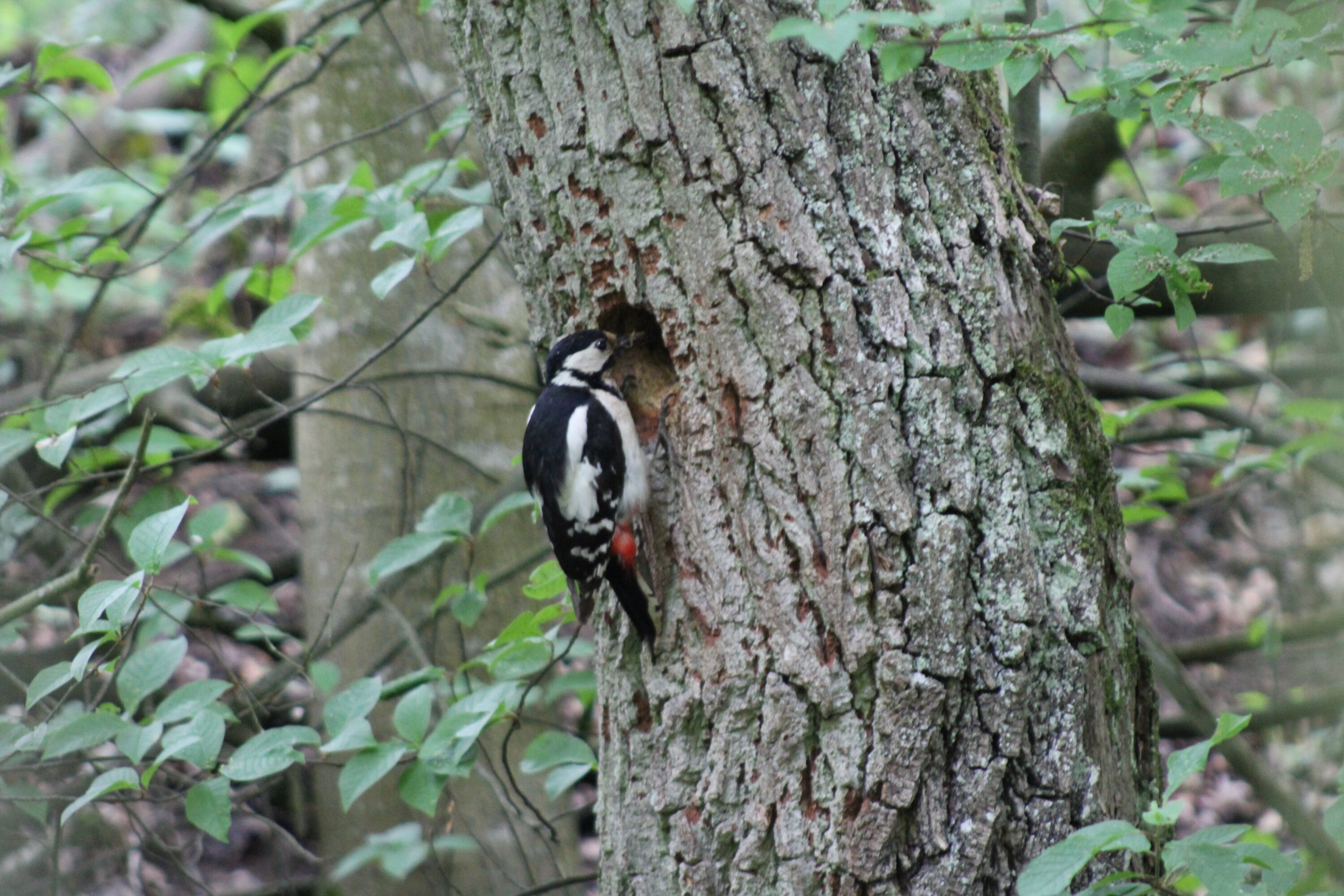
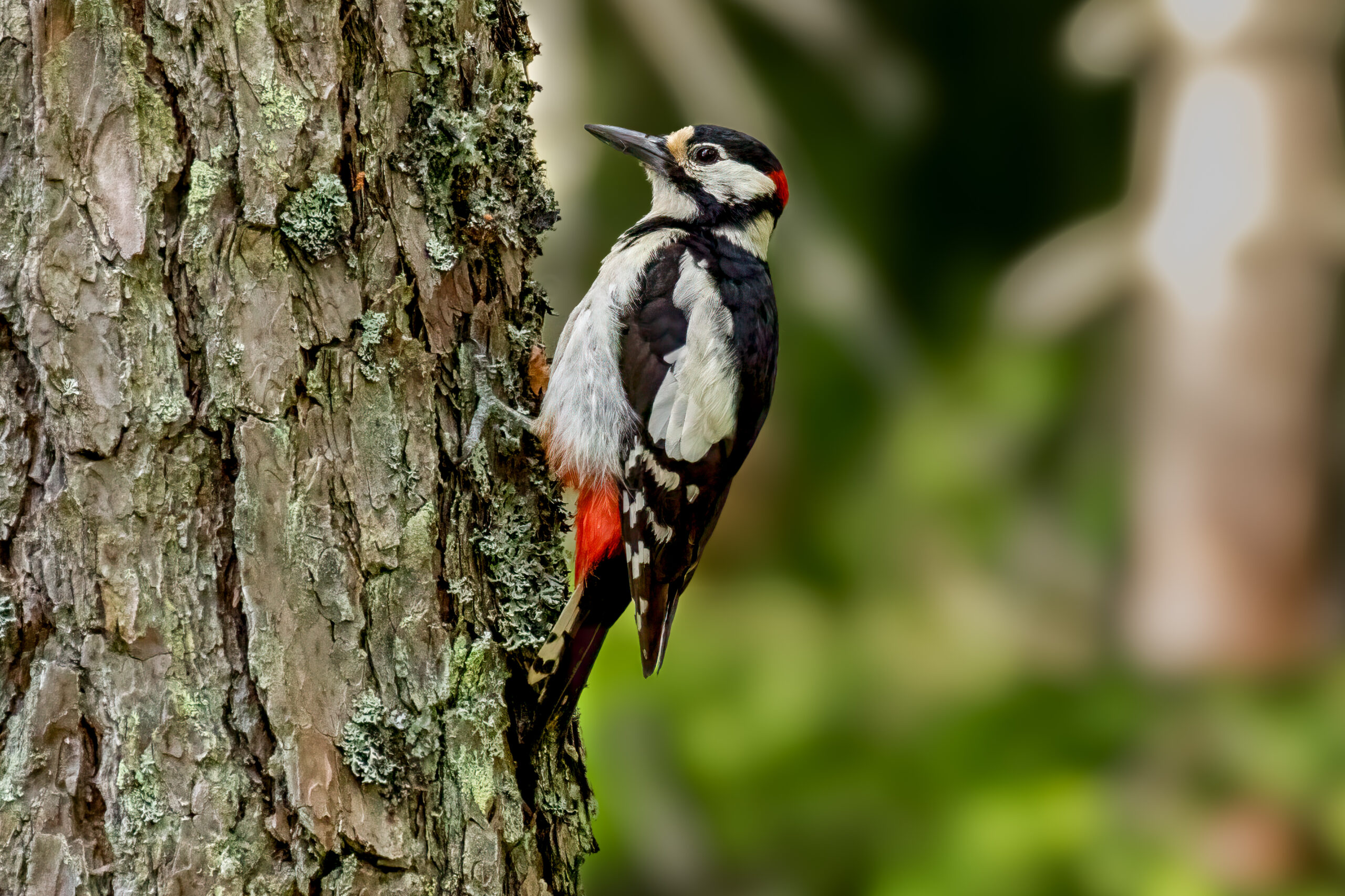
A study in north-eastern Poland found that great spotted woodpeckers (Dendrocopos major) used nesting trees differently in protected and commercially managed forest. The research, published on 5 February 2026, compared 173 nesting trees in Wigry National Park and the managed State Forest part of the Augustów Forest.
Of the 173 trees, 71 were in the national park and 102 in managed forest. The researchers recorded tree species, tree condition, age and size, cavity height, the number of cavity entrances and characteristics of the surrounding stands.
Aspen was strongly preferred
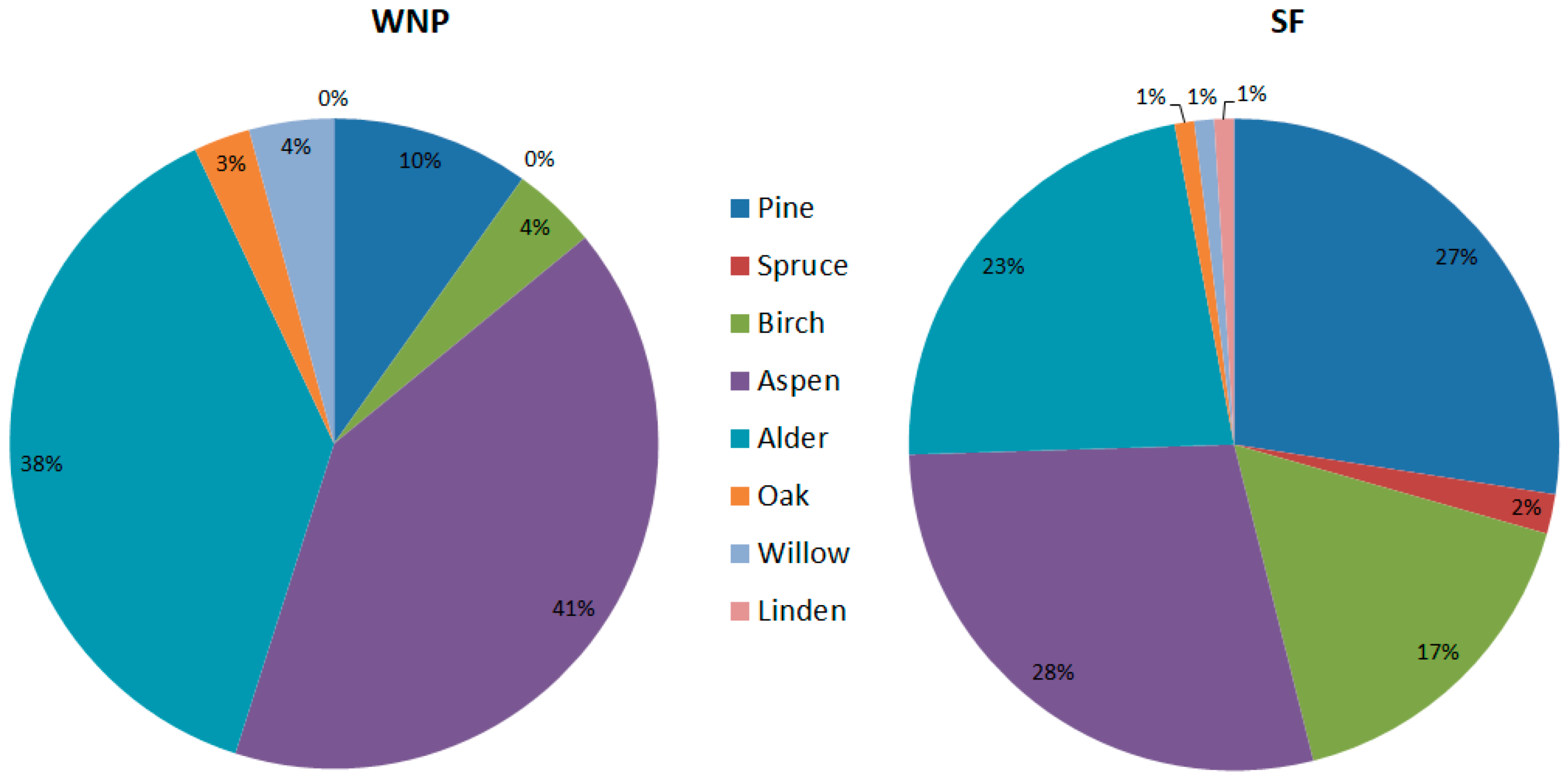
Aspen was the most strongly selected nesting tree in both forest types. It accounted for 41% of nesting trees in Wigry National Park and 28% in the managed forest. Scots pine was used much more often in the managed area, accounting for about 27% of nesting trees there compared with 10% in the national park.
The condition of the wood was also important. More than 80% of all cavity trees showed wood-decaying fungi, and the woodpeckers strongly preferred trees whose wood had been softened by fungal decay for excavation.
More cavities in the same tree under commercial management
The clearest differences between the two forest-management regimes were a higher proportion of deciduous nesting trees and fewer cavities per individual tree in the national park. In the commercially managed forest, multiple cavities were excavated in the same tree more frequently.
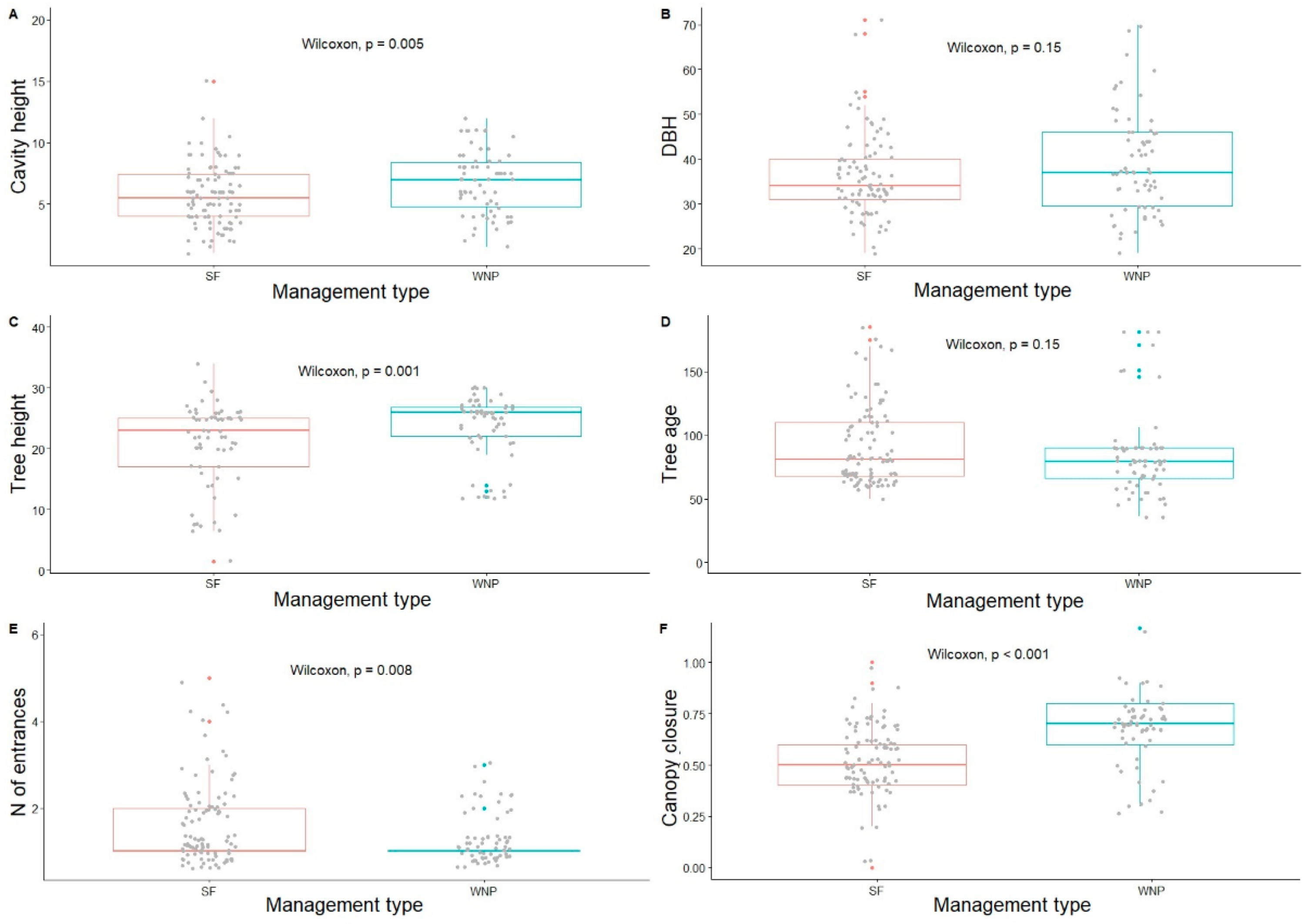
The authors interpret the higher frequency of multiple cavities in single trees in managed forest as evidence of lower availability of suitable cavity trees. In the national park, suitable trees were more often available for birds to excavate new cavities in different trees in subsequent years.
The researchers recommend retaining more trees in poor health in commercially managed forests and maintaining a mixture of softer deciduous trees such as aspen, birch and black alder. These trees provide wood that is more suitable for cavity excavation and can help maintain the nesting structures used by great spotted woodpeckers and other cavity-dependent forest animals.
Habitat protection
Related news
More Woodpeckers in Large, Connected Forests
In the Seoul Metropolitan Area, researchers found more Great Spotted and Japanese Pygmy Woodpeckers in large forest patches…
Read story →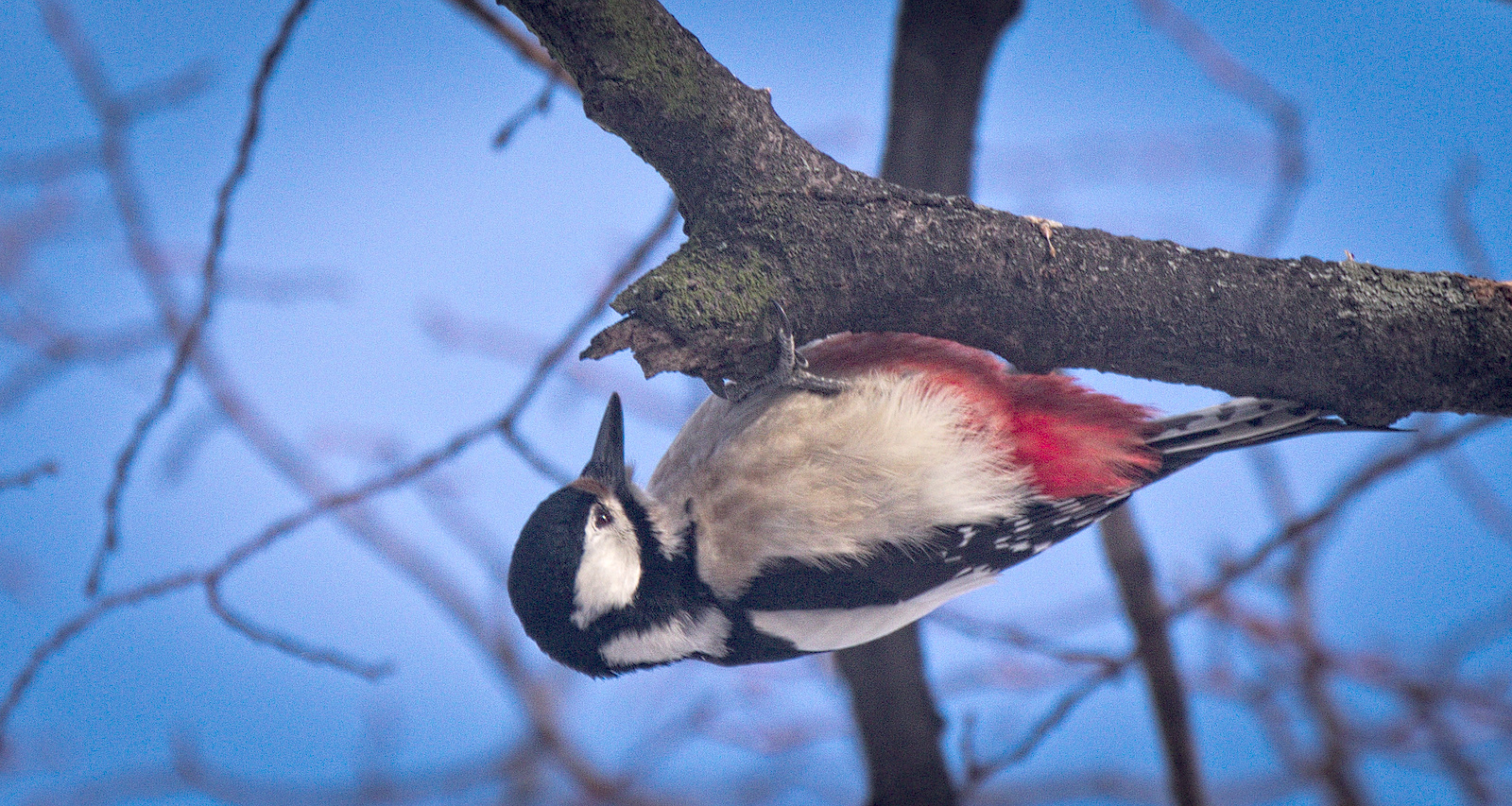
Six European Woodpeckers Shared a Common Eyelid Plan but Showed Microscopic Variation
Microscopic study of 40 woodpeckers from six European species found the same basic eyelid plan, including a fibrous…
Read story →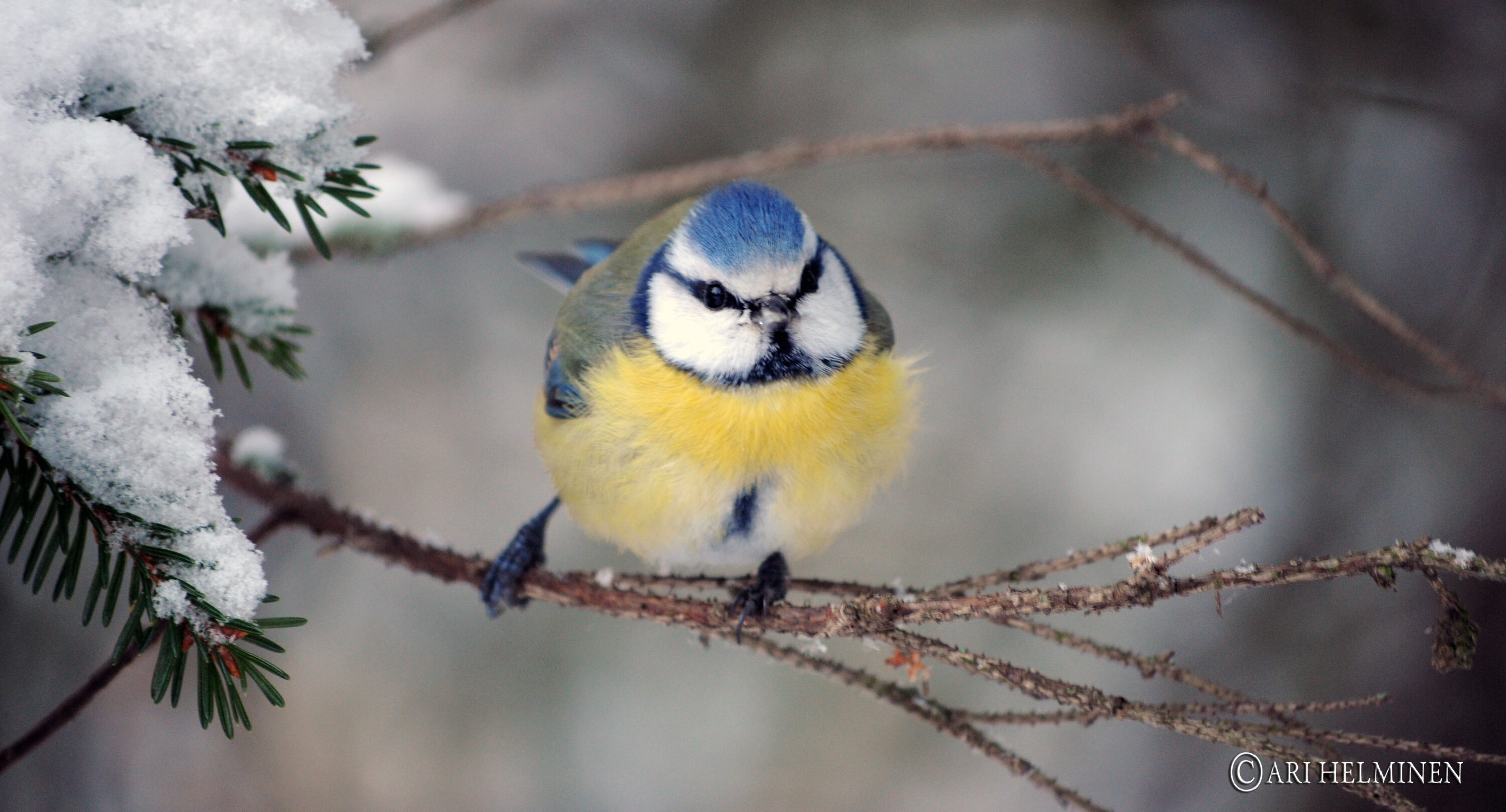
Mean Eurasian Blue Tit Winter Count Rose Fourfold in Finnish Urban Survey Plots
Across 31 Finnish settlements, mean Eurasian blue tit counts rose from 2.8 birds per standardised urban plot in…
Read story →SPECIES IN THIS STORY
Species in this story
Independent research and conservation news archive
Did you find this information useful?
Wildlife Vagabond is independently built and maintained. Voluntary support helps cover source verification, hosting and continued work on research and conservation news.
Support Wildlife VagabondThe news archive will remain freely available.