
Great Tit Chicks Adjusted Mouth Colour When Nest Light Changed
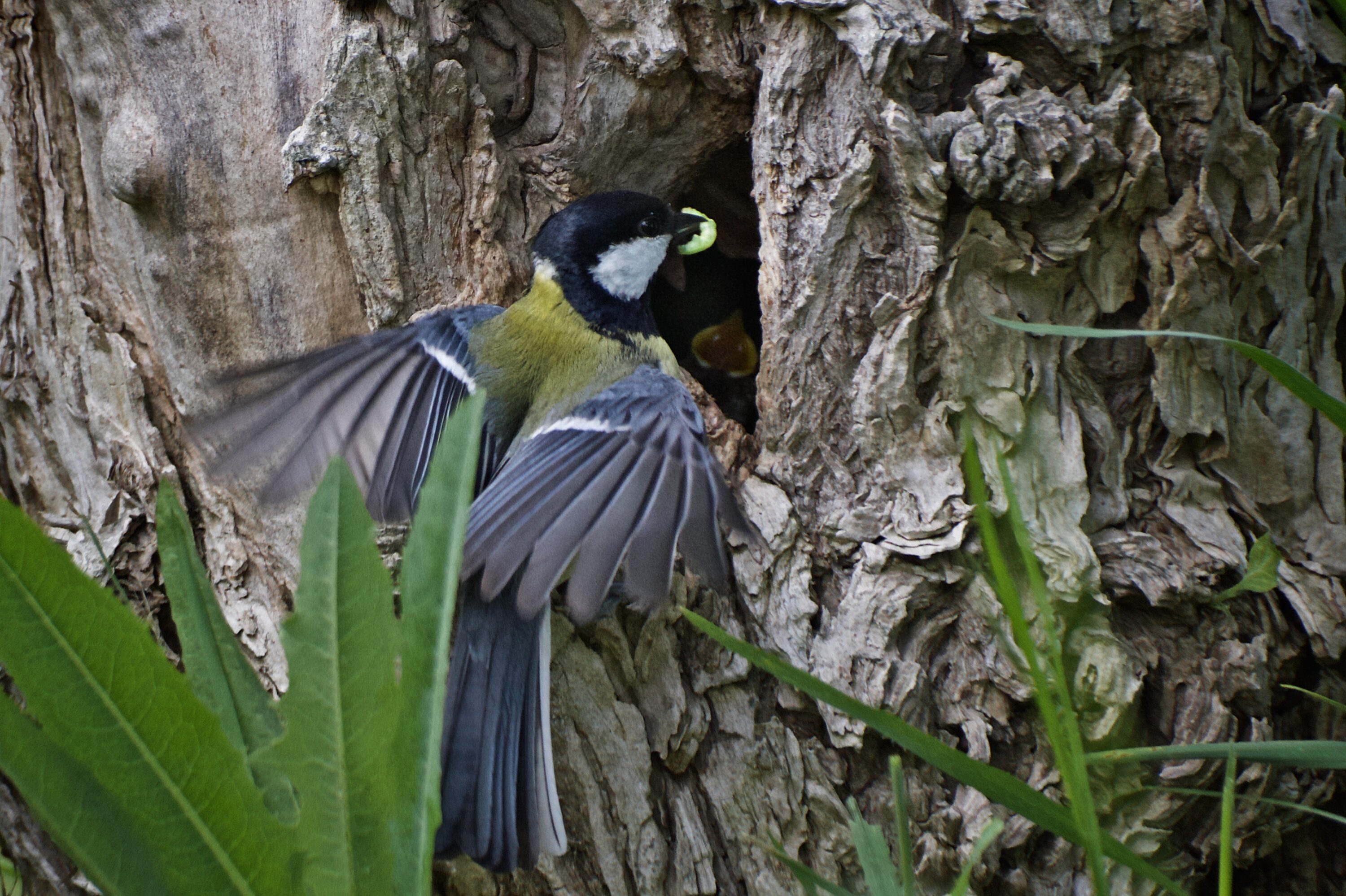
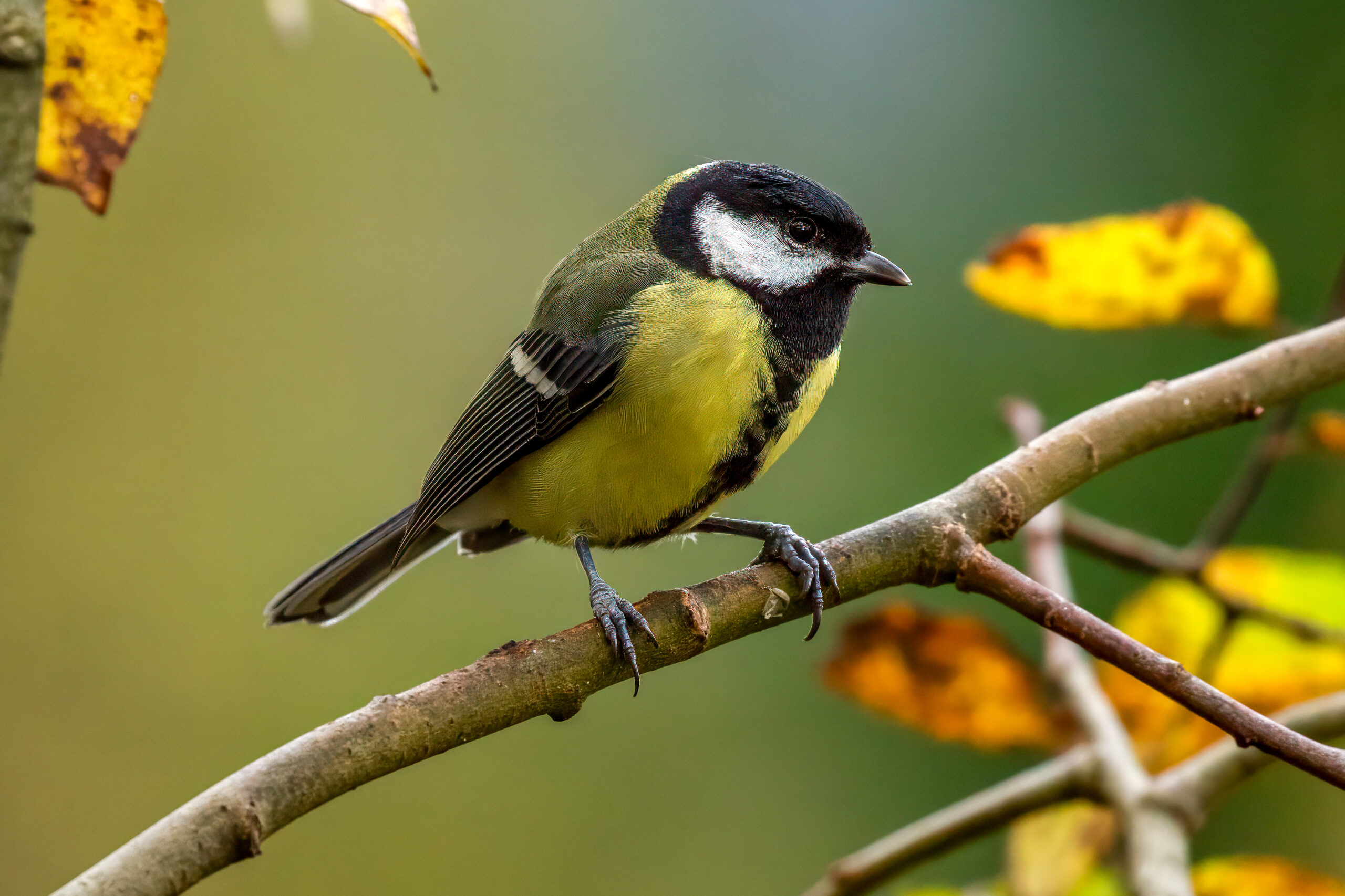
Great tit chicks can adjust part of their mouth colour as the amount of daylight inside the nest changes. A field experiment in Poland published in the Journal of Ornithology on 11 April 2026 found that the lower and upper parts of the bill became redder under brighter conditions and less red when access to light was reduced. The result shows that a visual signal used during begging is not fixed throughout development.
Great tits (Parus major) raise their young in tree holes and nest boxes, where illumination is far lower than outside. Chicks beg with open mouths when a parent arrives with food. Sound is important, but parents can also use visual information such as body size, position and the colour of the gape when choosing which chick to feed. That raises a basic problem: how useful can colour be in a cavity where very little light reaches the brood?
The researchers altered daylight levels in occupied great tit nest boxes. Some chicks developed under the naturally dark conditions of the box, while others experienced elevated illumination. The team also changed the light environment during development to test whether the mouth could respond after its colour had begun to form. Reflectance spectrophotometry measured light reflected from four regions of the beak, and visual models were used to assess the colour traits.
Brighter nests made the mandibles redder
Illumination affected some regions but not all of them. The mandibles became redder when chicks were exposed to brighter nest conditions. When light access was reduced, mandible redness declined. Other areas of the mouth mainly changed with age, independently of the experimental lighting. This combination suggests that the visible begging display is shaped by both normal development and short-term physiological adjustment.
The red component is based on carotenoids, pigments that birds obtain through food and process in the body. The study provides evidence for light-induced plasticity in carotenoid-based mouth colour. In practical terms, a chick developing in a brighter cavity may present a somewhat different visual signal from one of the same age growing in a darker cavity.
The experiment did not show that redder mouths received more food
The authors do not claim that redder mouths necessarily caused parents to deliver more food. Parental provisioning was not established as the outcome of the colour change, and the functional effect still needs to be tested. The study instead identifies a mechanism that may influence how signals work in dark nests. It also shows why the light environment of a cavity matters when researchers interpret colour as an indicator of age, condition or need.
Natural holes and nest boxes differ greatly in entrance size, depth, orientation and surrounding vegetation. All of these features can change the amount and quality of light reaching the chicks. By demonstrating that great tit mouth colour responds to illumination, the experiment adds the nest’s physical environment to the factors that shape communication between parents and their dependent young.
Physiology
Related news
Inland Mute Swans Had Higher Winter Body Condition Despite Harsher Winters and Supplemental Feeding
A study of 853 mute swans from four Polish wintering regions found higher body condition inland than on…
Read story →
pH-Adjusted Hill Equation Reliably Estimated Blood Oxygen Saturation From 70–100% in Immobilised White Rhinos
A South African study of 16 immobilised male white rhinos in Kruger National Park found that a pH-adjusted…
Read story →
Task Uncertainty Increased Interference From Irrelevant Visual Information in Rhesus Macaque Decisions
Two rhesus macaques made less accurate visual decisions under task uncertainty; recordings and microstimulation in primary visual cortex…
Read story →SPECIES IN THIS STORY
Species in this story
Independent research and conservation news archive
Did you find this information useful?
Wildlife Vagabond is independently built and maintained. Voluntary support helps cover source verification, hosting and continued work on research and conservation news.
Support Wildlife VagabondThe news archive will remain freely available.