
Great Tit Chicks in Urban and Agricultural Sites Showed the Highest Combined Physiological Stress
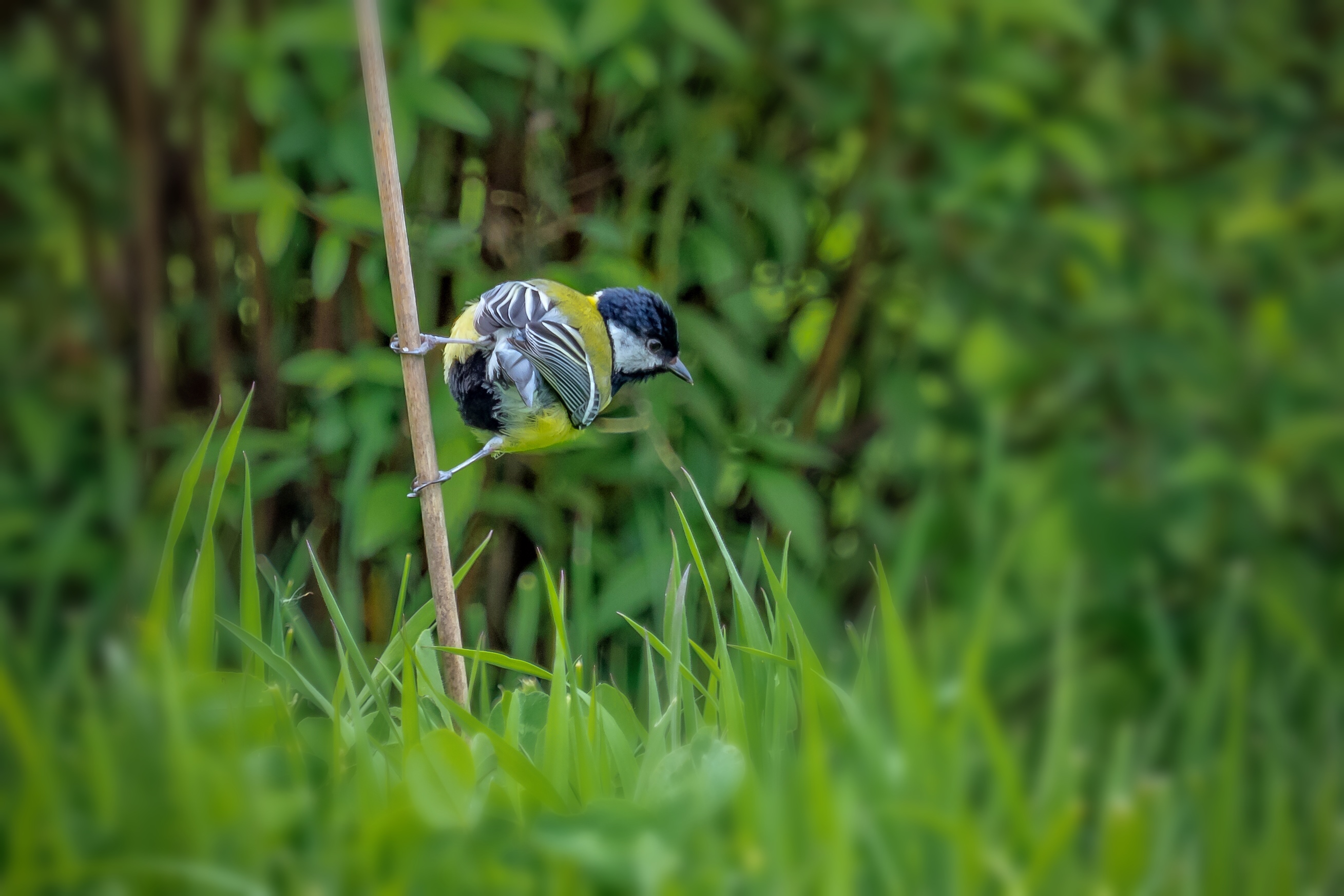
Great tit nestlings (Parus major) from urban and agricultural environments in northern Italy showed the strongest combined physiological response in a study that measured several biomarkers at the same time. Researchers sampled 198 nestlings from 44 nests across woodland, urban and two agricultural study areas in the Veneto region.
The work compared four types of biological response: immune function, oxidative status, genetic damage and enzyme responses associated with neurotoxic exposure. Porphyrins were also measured in excreta. Rather than treating one measurement as a diagnosis, the researchers combined the biomarker patterns in an Integrated Biomarker Response, or IBR, index. The biomarkers are standardised so that, after accounting for whether high or low values indicate disturbance, a higher combined score represents greater overall physiological alteration.
The integrated response was highest in two human-modified sites
The IBR index was highest in the urban population and in one of the two agricultural populations. Nestlings from urban and agricultural areas also showed clear changes in oxidative status, immune responses and genotoxicity, although individual biomarkers did not all change in the same direction.
The study therefore points to a combined physiological burden rather than one uniform response across all tissues and markers. The authors associate the pattern with overlapping environmental pressures typical of heavily human-modified landscapes, but the design compared whole environments and did not identify one chemical or pollution source as the cause.
The woodland site also produced an unexpected signal
Nestlings from the woodland site had elevated protoporphyrin in their excreta. The authors suggest that diffuse airborne particulate pollution from nearby urban areas could be one explanation, but this was not directly demonstrated by chemical source tracing.
The finding illustrates why habitat labels alone can be misleading: a wooded site can still receive pollutants transported through the atmosphere, while agricultural and urban sites may expose birds to several pressures simultaneously.
Biomarkers provide an early view of physiological change
The study does not show that the observed biomarker changes reduced survival, breeding success or population size. Instead, it demonstrates how cellular and biochemical measurements can reveal sublethal physiological responses before population-level consequences are known.
The authors propose the multi-biomarker approach as a monitoring tool for comparing the ecotoxicological condition of wild bird populations. Establishing the causes and long-term consequences of the Veneto patterns will require direct contaminant measurements and continued demographic monitoring.
Physiology
Related news

Inland Mute Swans Had Higher Winter Body Condition Despite Harsher Winters and Supplemental Feeding
A study of 853 mute swans from four Polish wintering regions found higher body condition inland than on…
Read story →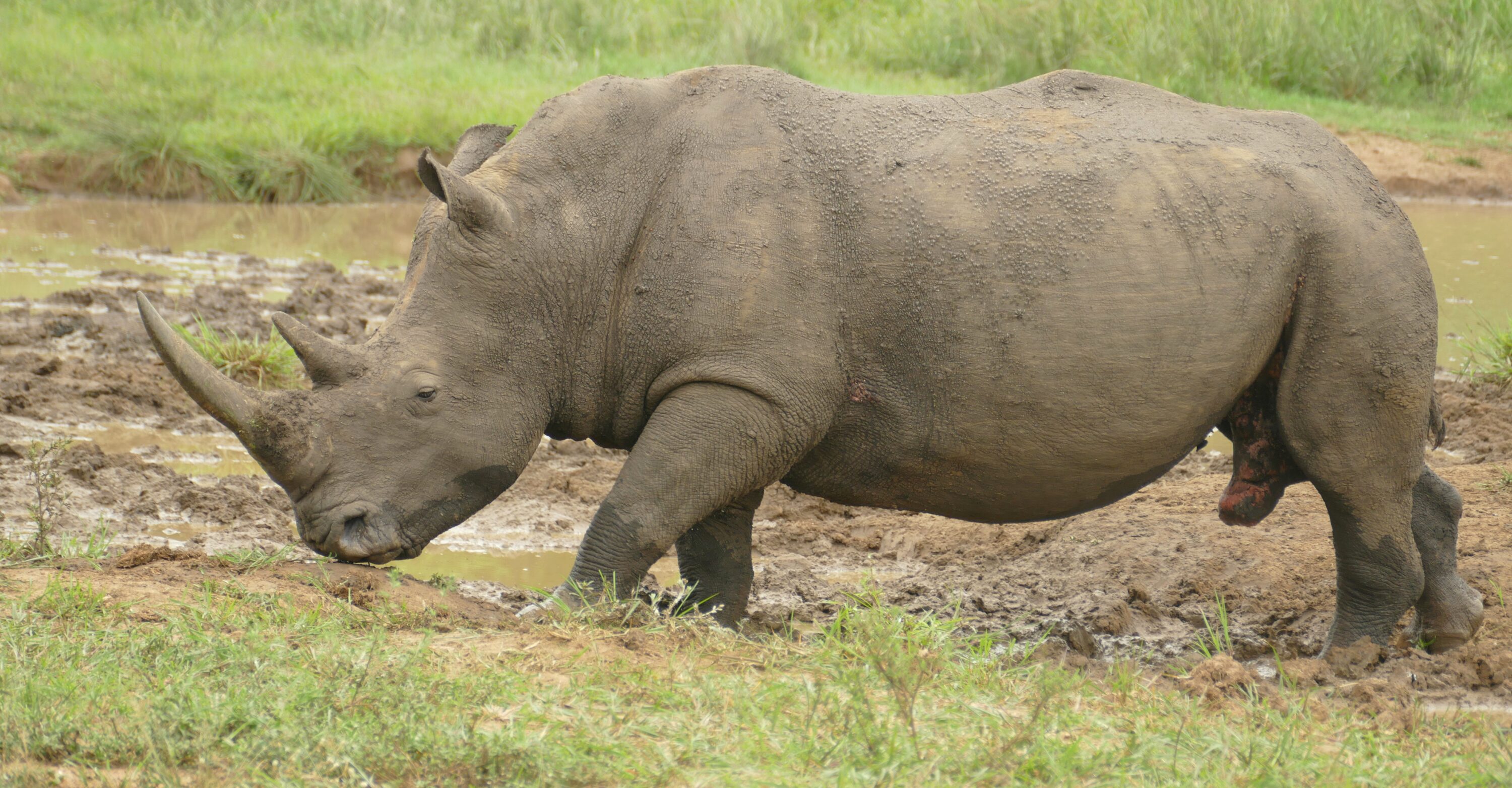
pH-Adjusted Hill Equation Reliably Estimated Blood Oxygen Saturation From 70–100% in Immobilised White Rhinos
A South African study of 16 immobilised male white rhinos in Kruger National Park found that a pH-adjusted…
Read story →
Task Uncertainty Increased Interference From Irrelevant Visual Information in Rhesus Macaque Decisions
Two rhesus macaques made less accurate visual decisions under task uncertainty; recordings and microstimulation in primary visual cortex…
Read story →SPECIES IN THIS STORY
Species in this story
Independent research and conservation news archive
Did you find this information useful?
Wildlife Vagabond is independently built and maintained. Voluntary support helps cover source verification, hosting and continued work on research and conservation news.
Support Wildlife VagabondThe news archive will remain freely available.