
Great tits’ temperature-related hormone responses did not predict breeding success
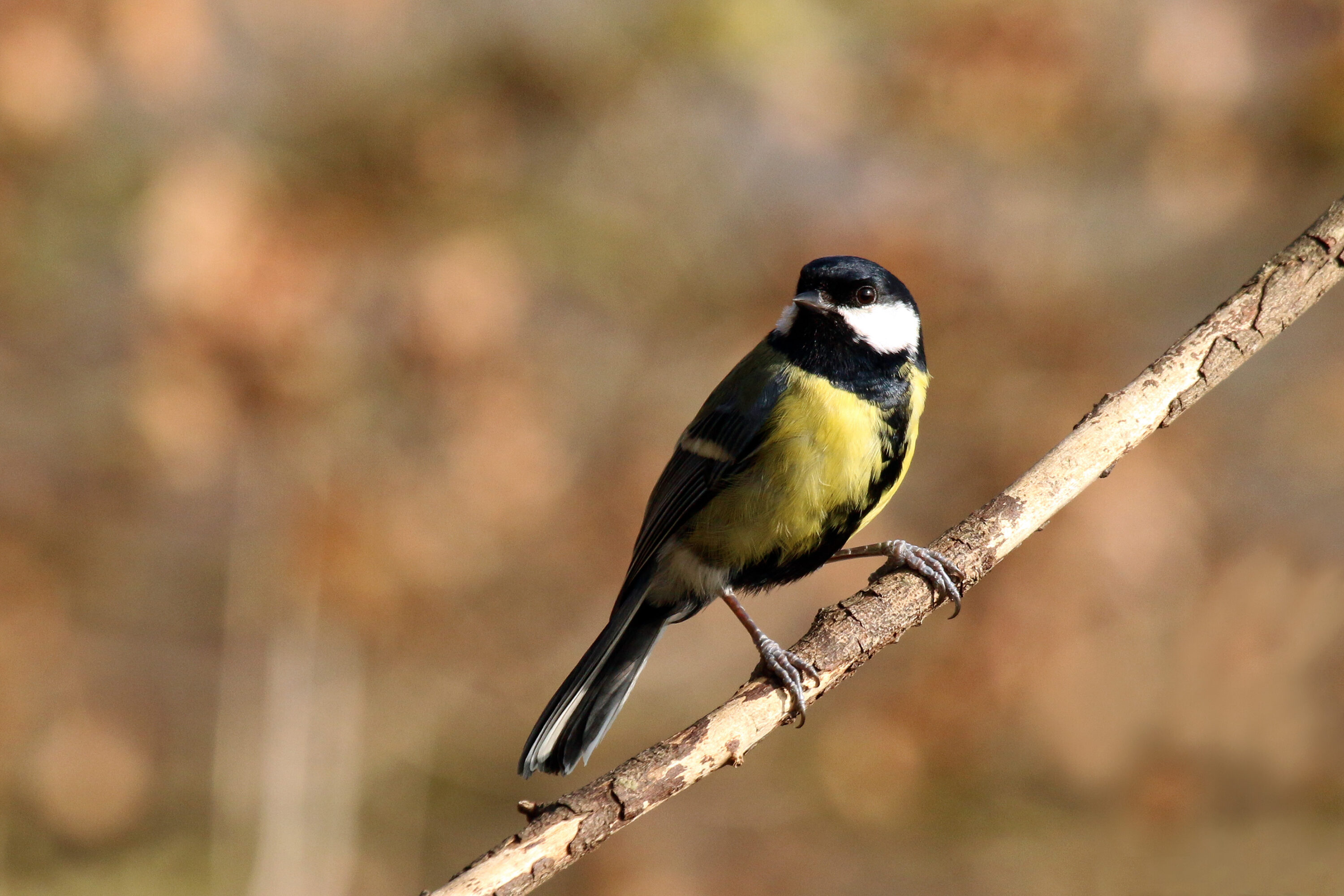
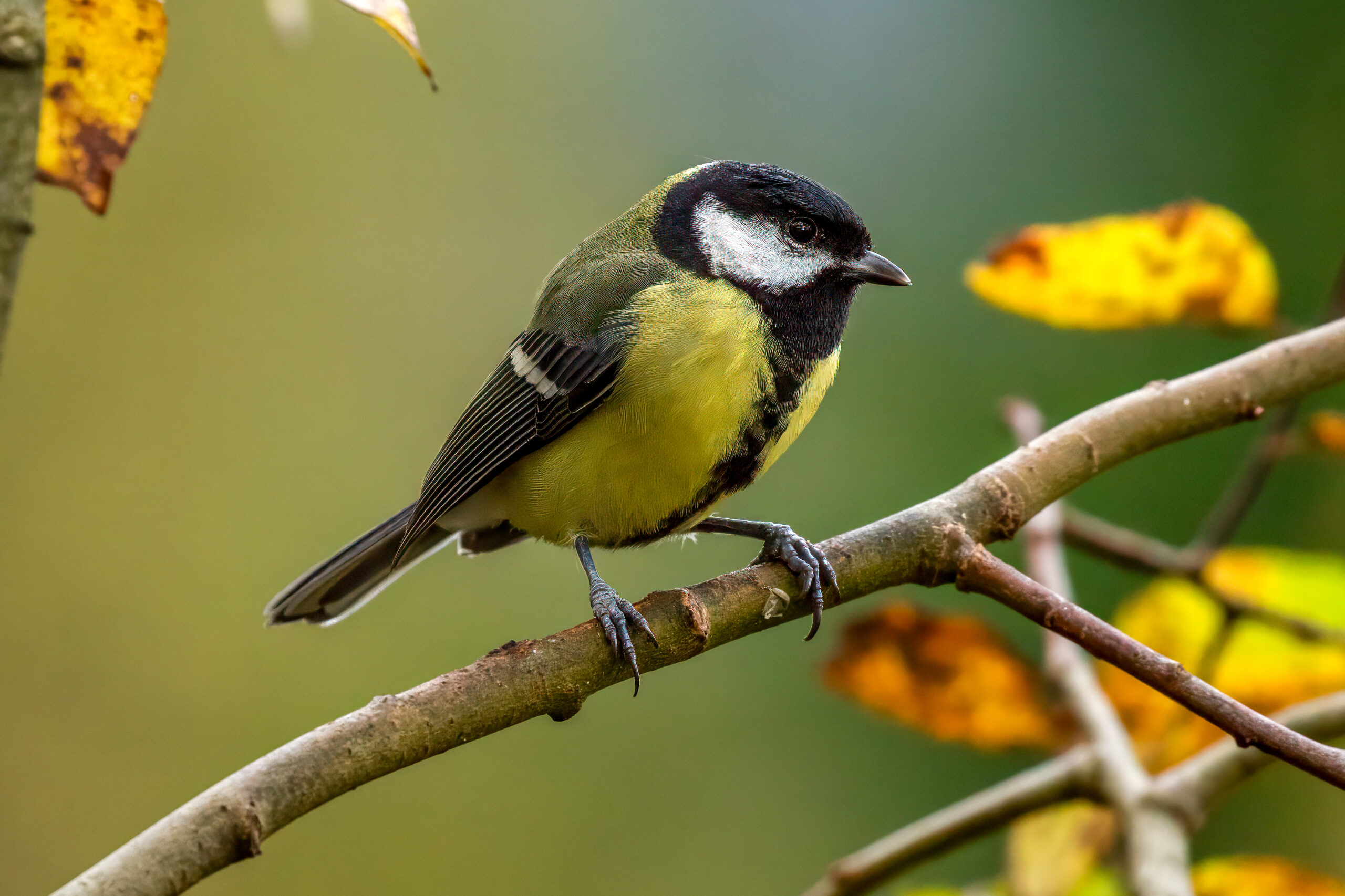
Great tits (Parus major) use the hormone corticosterone to help regulate their physiological responses to changing demands. Temperature fluctuations can alter hormone levels, potentially influencing how birds cope with their environment while raising young. In a nine-year study of a wild population, researchers asked whether birds whose hormone levels responded differently to temperature also differed in reproductive success.
During nestling rearing, the team repeatedly measured both baseline corticosterone and levels induced by a stress response. The measurements allowed them to distinguish each bird’s average hormone level from its plasticity: how strongly its hormone levels changed as air temperature varied. These individual patterns are known as reaction norms.
Birds consistently differed in their average corticosterone levels and the strength of their temperature-related responses. But neither of those individual differences was associated with how many chicks fledged or with brood mass. In other words, birds with more temperature-responsive hormone levels did not achieve better reproductive results in the measured outcomes.
This is interesting because physiological plasticity could, in principle, provide an advantage in variable conditions and thereby be favoured by natural selection. The study found individual variation on which selection could act, but no evidence that it translated into reproductive advantage under the temperatures experienced. More extreme conditions might produce different relationships; that remains to be tested.
Physiology
Related news
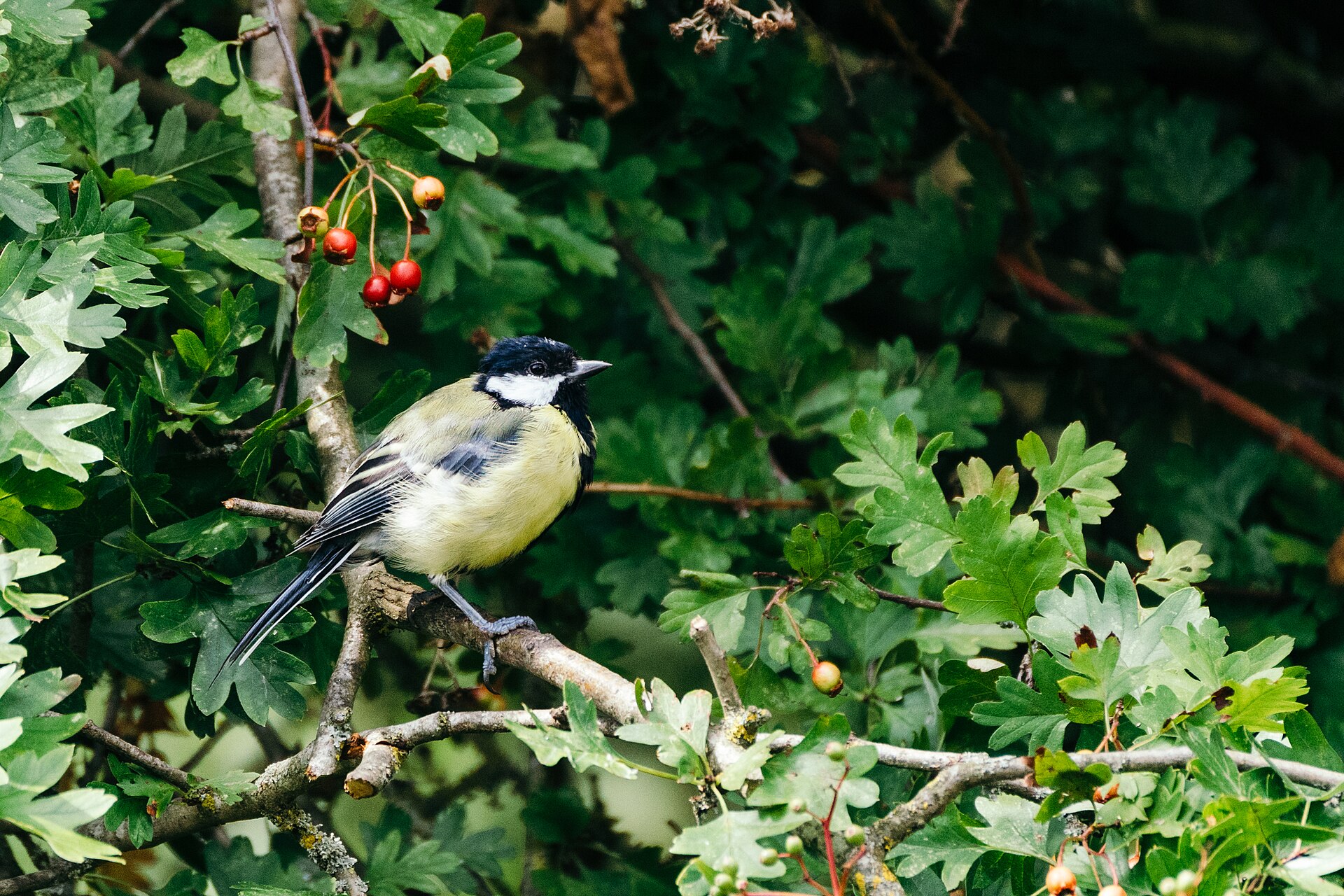
City and Forest Great Tits Respond Differently to Artificial Light at Night
In a common-garden experiment, artificial light initially advanced daily activity onset in great tits from both city and…
Read story →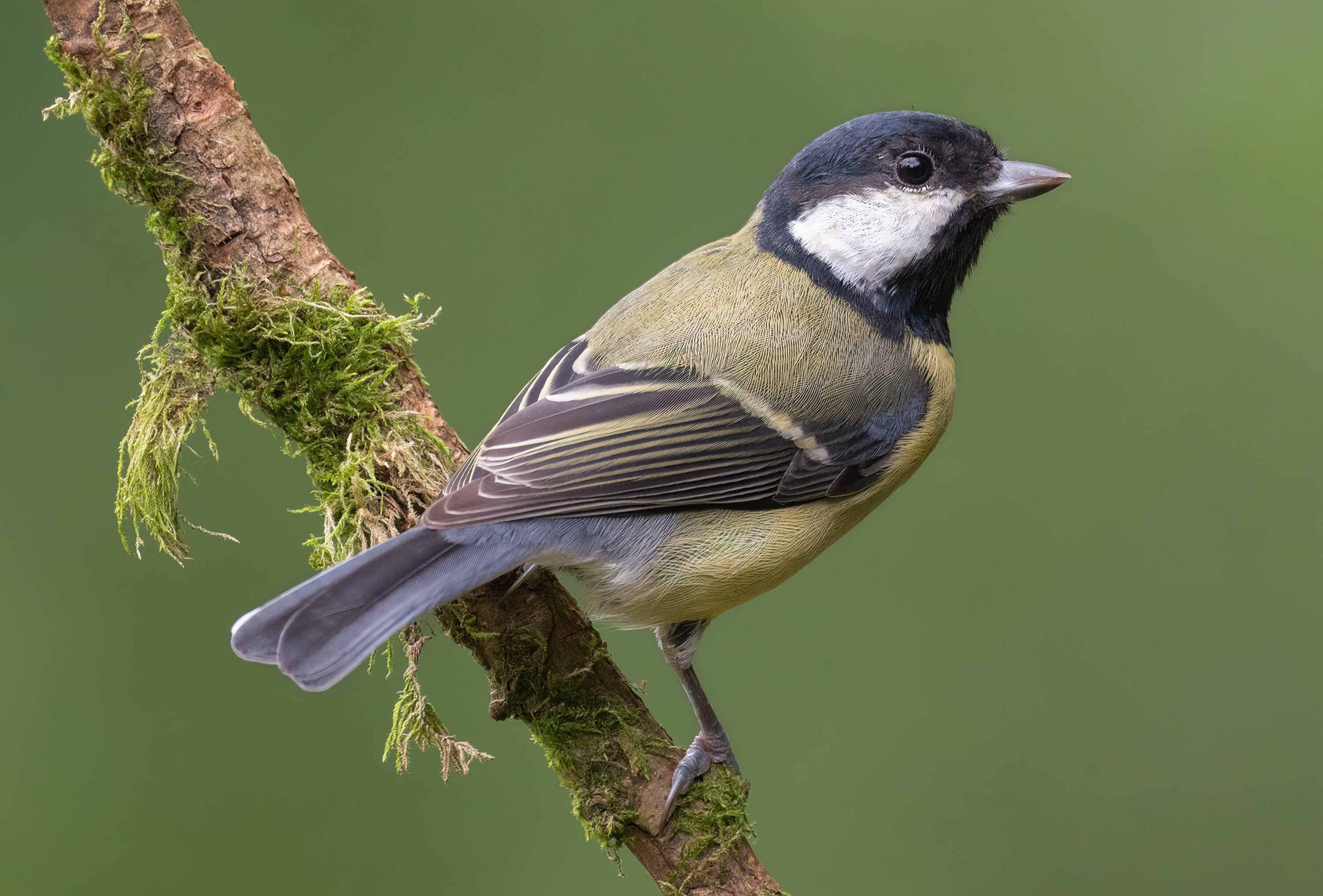
Great Tits Infected Ticks With Borrelia Most Often During Breeding
Across 420 xenodiagnoses in northern Belgium, wild Great Tits were much more likely to transmit Borrelia garinii to…
Read story →
Urban Bird Diversity Was More Strongly Linked to Forest Structure Than the Surrounding City
Across 12 urban forests in three Italian cities, researchers recorded 2,035 birds from 52 species. Local forest structure…
Read story →SPECIES IN THIS STORY
Species in this story
Independent research and conservation news archive
Did you find this information useful?
Wildlife Vagabond is independently built and maintained. Voluntary support helps cover source verification, hosting and continued work on research and conservation news.
Support Wildlife VagabondThe news archive will remain freely available.