
Grey Bushchats Rejected Foreign Eggs More Often Before Their Own Egg-Laying Began
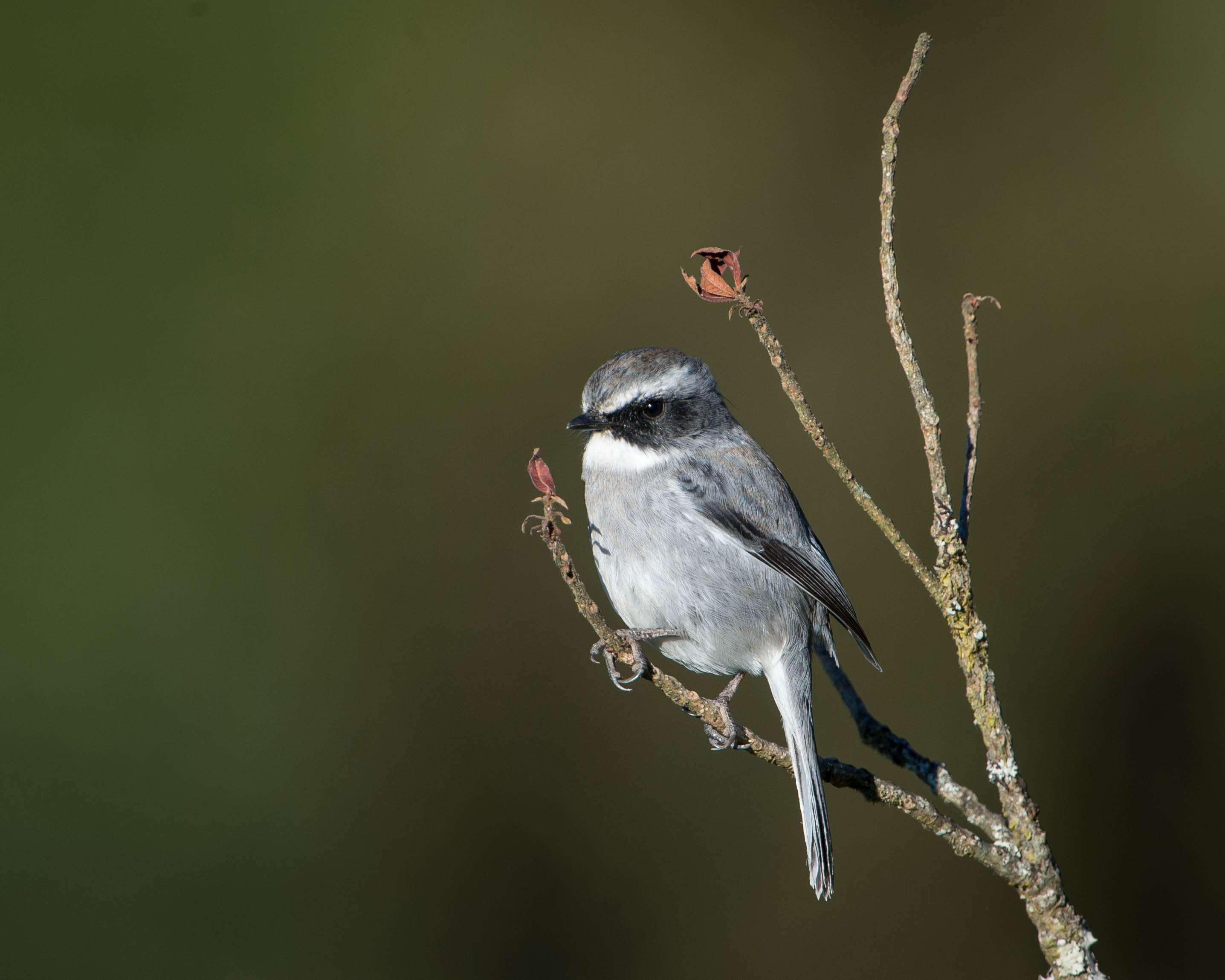
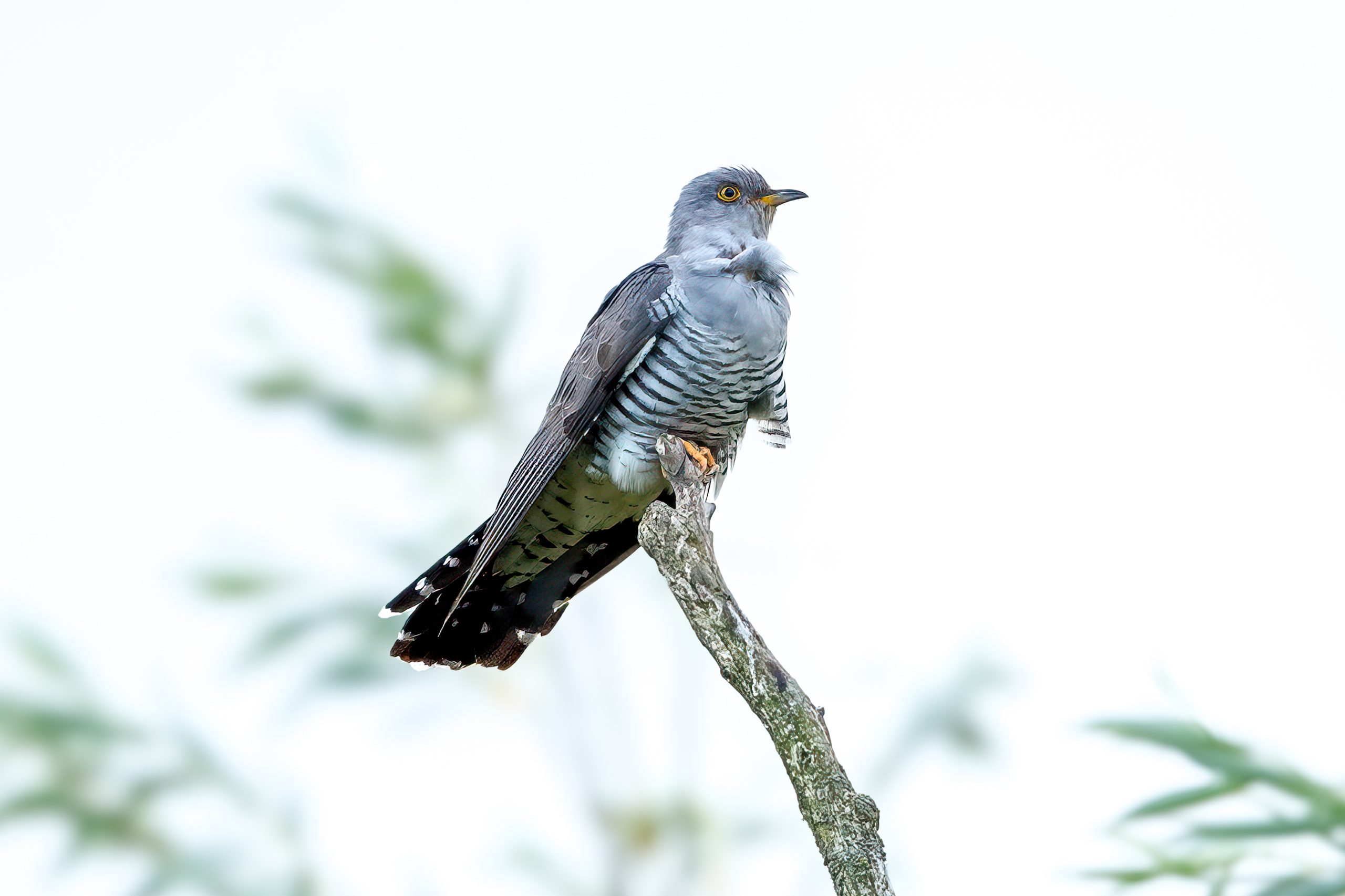
Grey bushchats (Saxicola ferreus) in China changed how they recognised and rejected foreign eggs depending on the stage of their own laying cycle, according to a study published on 16 February 2026. The species is a host of the common cuckoo (Cuculus canorus), and the researchers tested how its anti-parasite responses worked before and after the first host egg had been laid.
During the pre-laying stage, grey bushchats showed significantly higher rejection of foreign eggs than after laying had begun. The authors interpret this as an “onset of laying” mechanism: an egg appearing before the female has started her own clutch can itself act as evidence that the egg does not belong there.
The first laying episode helped establish an egg template
The experiments also indicated that females could learn and retain the appearance of their own eggs during the first egg-laying episode. Once this short learning process had occurred, the birds could use the remembered egg phenotype when judging later eggs, even without their own eggs physically present in the nest at the time of the test.
This means the host did not rely on a single fixed recognition rule throughout breeding. Instead, the information available before laying and the learned appearance of its own eggs after laying began could both contribute to decisions about unfamiliar eggs.
Mimicry and the cost of deserting a nest also mattered
The authors found that rejection behaviour was also shaped by how closely a foreign egg resembled the host’s own eggs and by the trade-off associated with abandoning a nest. A well-mimicked egg is more difficult to distinguish, while deserting an entire nesting attempt can itself carry a reproductive cost.
Behaviour
Related news
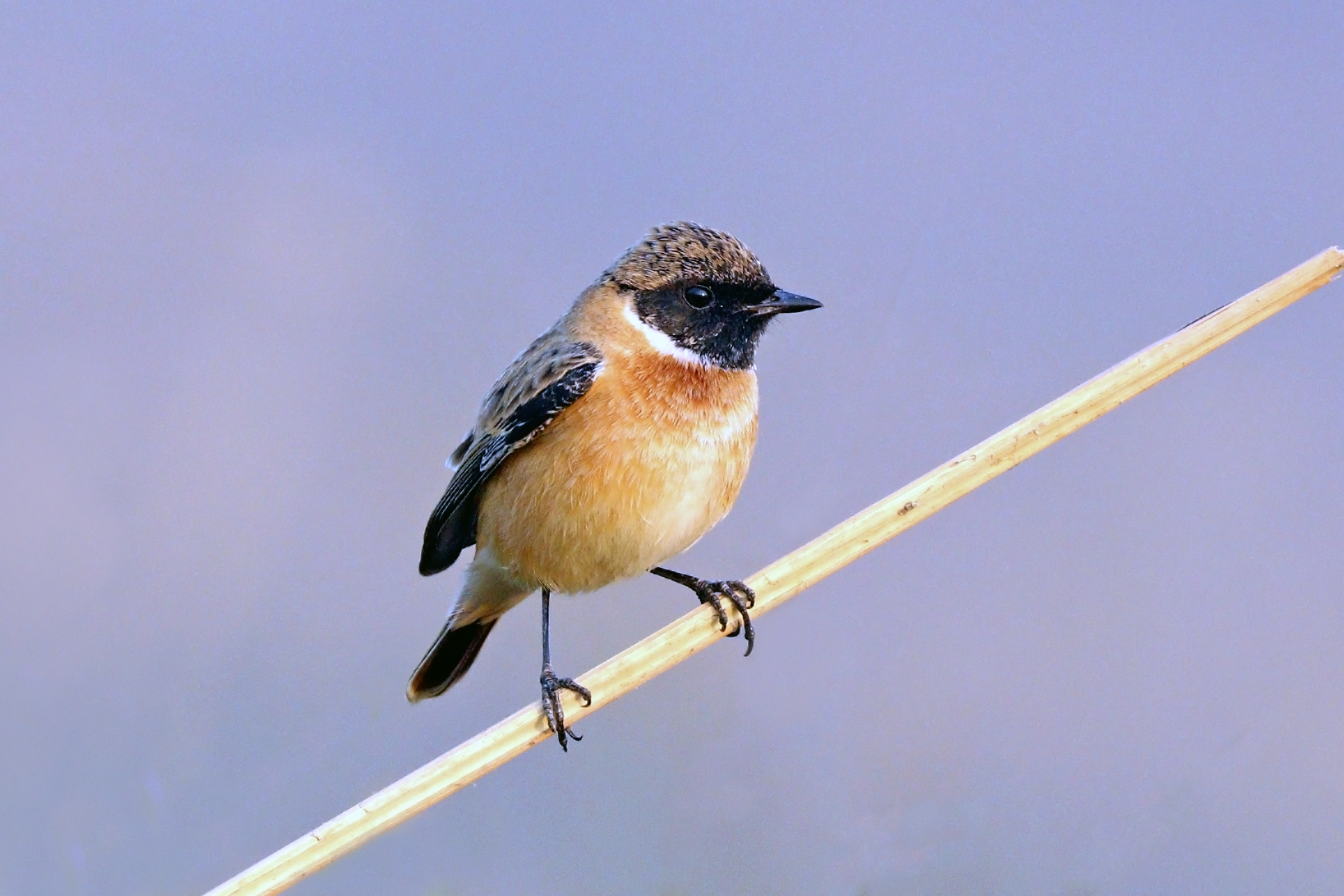
Egg Rejection Did Not Clearly Increase After Cuckoo Arrival in Two Host Species
Grey bushchats and Siberian stonechats showed no clear increase in foreign-egg rejection after common cuckoos arrived. The result…
Read story →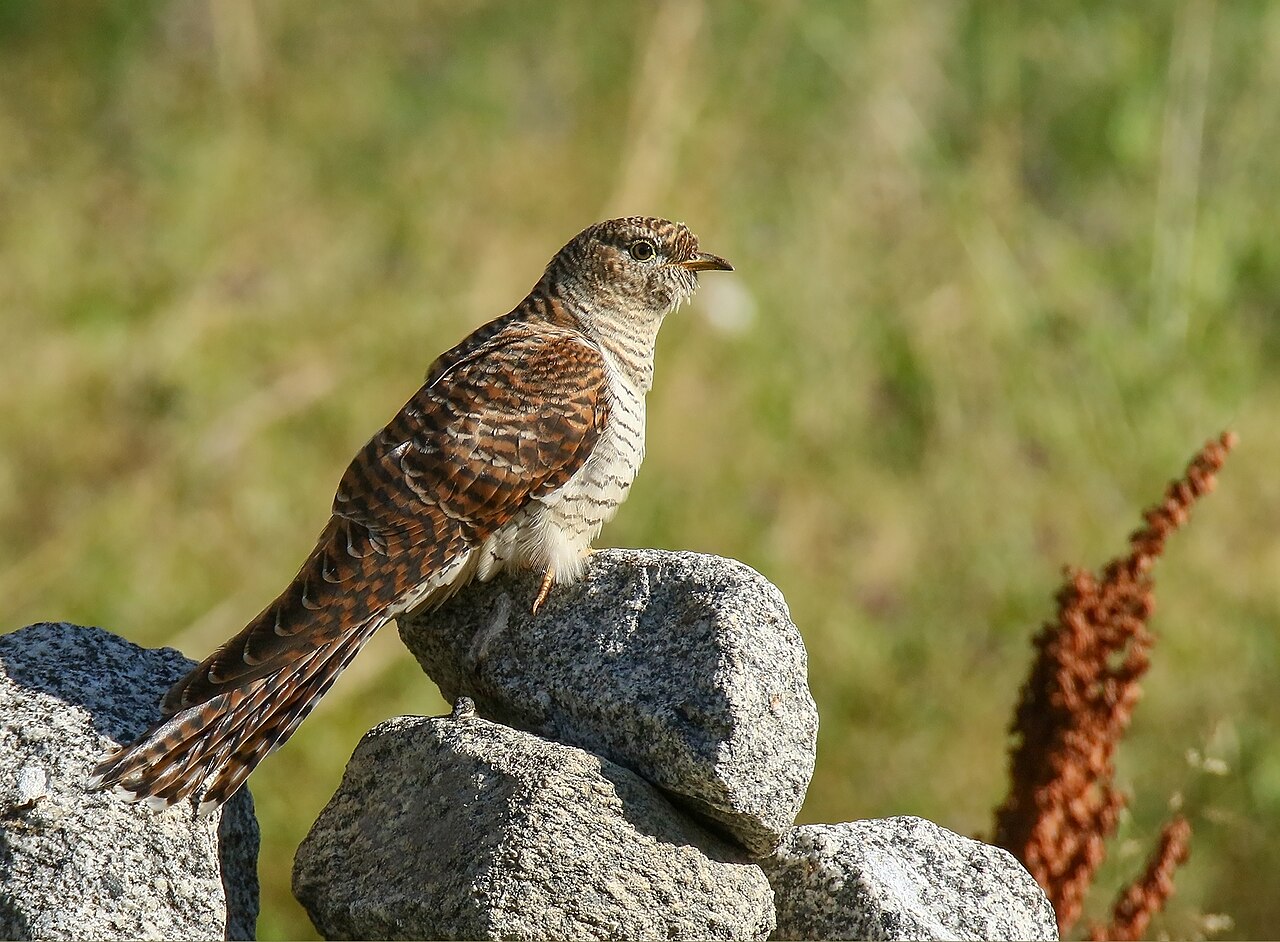
Cuckoos Use Two Different Strategies to Lay Eggs in Redstart Nests
Video from Finnish redstart nest boxes provides the first direct evidence that common cuckoos use two egg-laying strategies,…
Read story →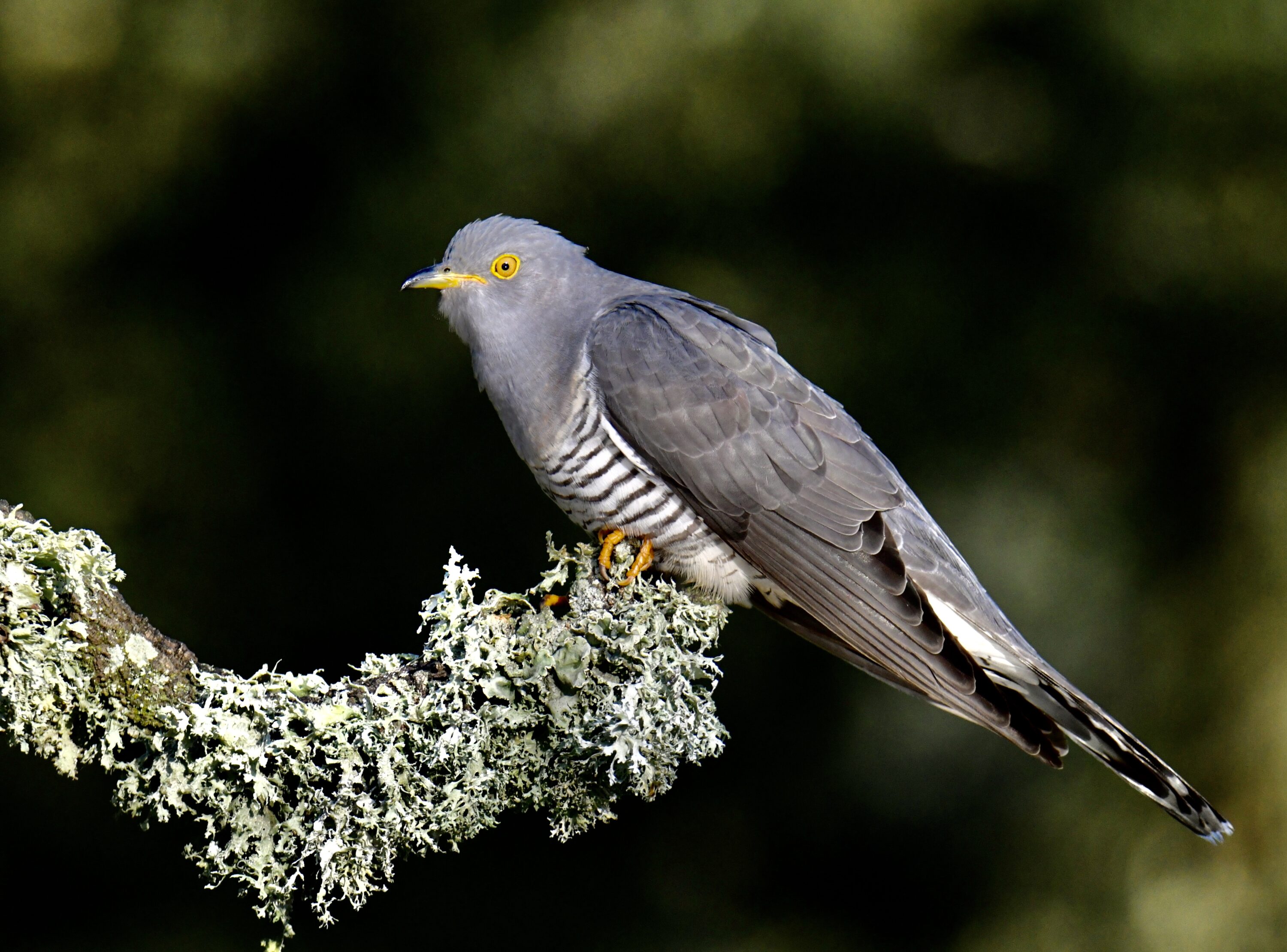
Models Highlighted Iberian Mountains and the Po Watershed as Key Stopover Regions for UK Common Cuckoos
Models based on satellite tracks from 88 UK-breeding male common cuckoos highlighted Iberian mountain ranges and the Po…
Read story →SPECIES IN THIS STORY
Species in this story
Independent research and conservation news archive
Did you find this information useful?
Wildlife Vagabond is independently built and maintained. Voluntary support helps cover source verification, hosting and continued work on research and conservation news.
Support Wildlife VagabondThe news archive will remain freely available.