
Grey-headed Gull and Royal Tern Eggs Contained Trace Metals and PAHs in Senegal
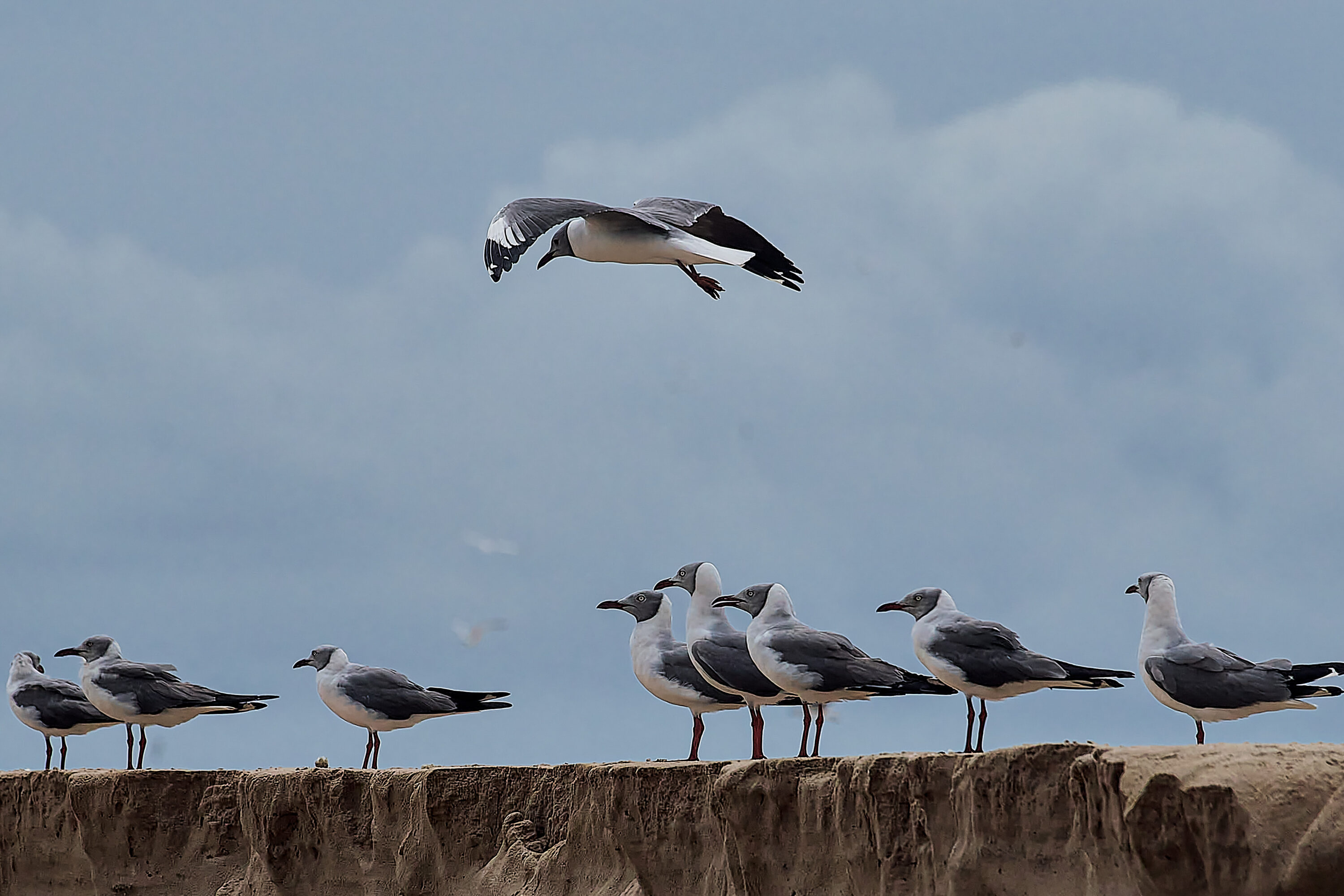
Lead, cadmium, mercury and polycyclic aromatic hydrocarbons (PAHs) were detected in eggs of grey-headed gull (Chroicocephalus cirrocephalus) and royal tern (Thalasseus maximus) from two protected coastal areas in Senegal. The 40 abandoned or non-viable eggs were collected in June 2019 — ten of each species in both Langue de Barbarie National Park and Saloum Delta National Park — and were intended to provide a chemical baseline for later monitoring.
Eggshells and egg contents were analysed separately. Lead, cadmium and mercury were measured as trace metals, while PAHs — organic contaminants associated with sources such as incomplete combustion and petroleum-related pollution — were analysed as a separate pollutant group.
Royal tern eggs generally contained more trace metals
Lead was the dominant trace metal in most samples and reached its highest measured concentrations in royal tern eggs from Saloum Delta. Royal terns generally had higher trace-metal concentrations than grey-headed gulls, especially in egg contents. Mercury was comparatively low and occurred mainly in the egg contents; at Saloum Delta it could not be quantified in the eggshells of either species.
The statistical comparisons are important. The study did not find a clear overall difference in trace-metal contamination between the two parks. Species differences were more evident in egg contents than in shells, so the results do not support a simple conclusion that one park was uniformly more contaminated than the other.
PAHs were distributed differently between shells and egg contents
PAH patterns varied among species, parks and egg compartments. Royal tern eggs from Langue de Barbarie had relatively high total PAH concentrations in both shells and contents. At Saloum Delta, grey-headed gull egg contents also contained high PAH concentrations, with benzo(a)pyrene making up most of the measured total there.
Benzo(a)pyrene was the dominant compound in many egg-content samples. The apparent differences in total PAHs between species and parks were not statistically clear, but shells and egg contents differed significantly within each species. Lower-molecular-weight PAHs tended to occur more in shells, whereas heavier compounds such as benzo(a)pyrene were more prominent in the egg contents.
The 2019 samples are a baseline, not evidence of a pollution source
The authors discuss several plausible local inputs, including shipping and fishing activity, fuel and oil discharges, wastewater, runoff and combustion of biomass or waste. However, the study did not analyse water, sediment, prey or adult birds, so it cannot identify where the contaminants measured in the eggs originated.
The samples were collected before Senegal’s later major offshore hydrocarbon production and are therefore useful as a pre-development reference for future comparisons. They cannot be used to attribute the 2019 contamination to oil and gas projects that began later.
The study measured exposure, not reproductive harm
Only ten eggs per species per park were analysed during one breeding season, and the study did not measure embryo viability, eggshell thickness, breeding success or other toxicological endpoints. Mercury was also measured as total mercury rather than separated into chemical forms.
The results therefore document chemical exposure in two protected coastal bird populations, not demonstrated toxic effects. Their main value is that future measurements can be compared with this 2019 baseline to test whether contaminant patterns change as coastal and offshore development increases.
Threats
Related news
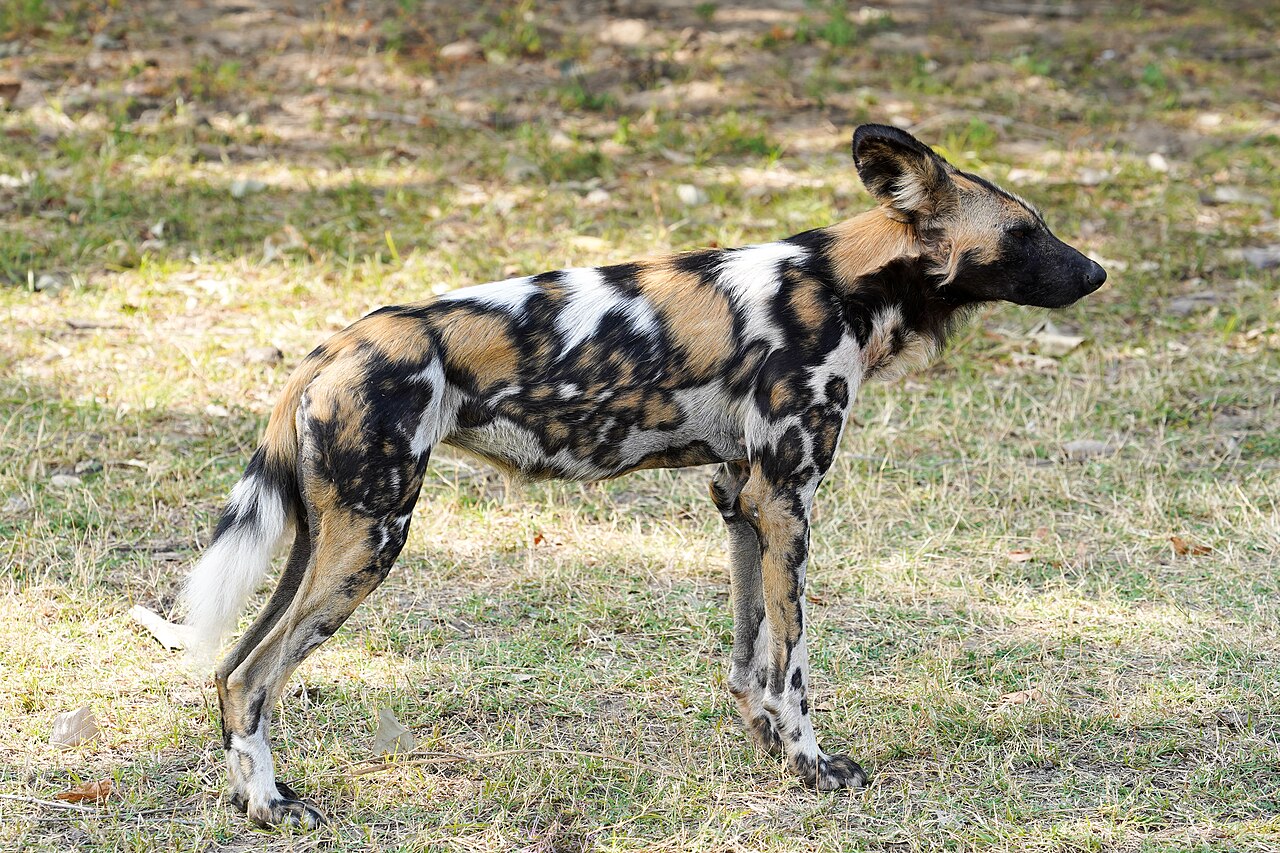
Four African Wild Dog Dispersals Totalled 9,863 km but Produced Little Genetic or Demographic Connectivity
GPS-tracked African wild dogs from Zambia crossed protected and human-dominated landscapes, including one journey of more than 2,300…
Read story →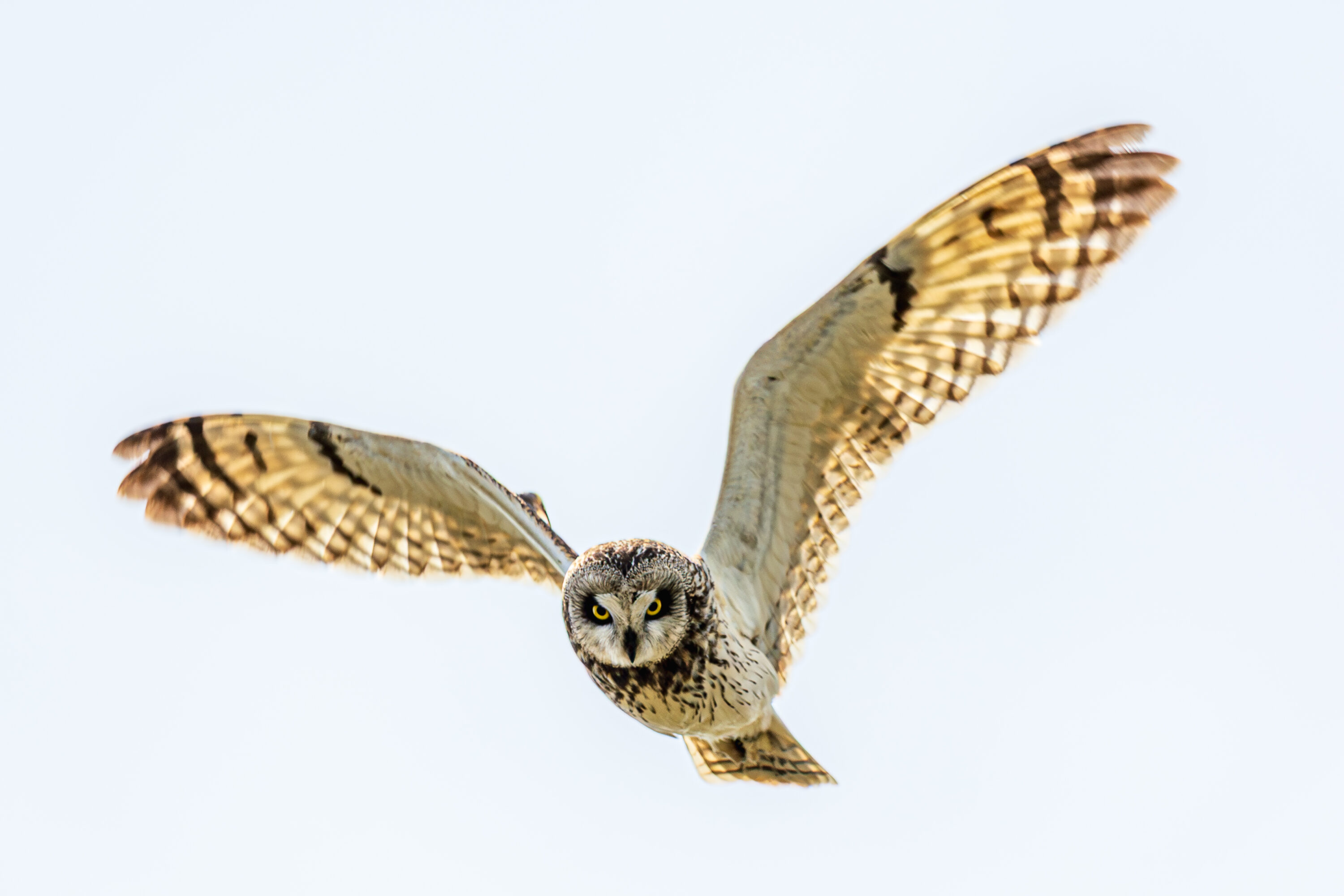
Western Finland’s Short-eared Owl Breeding Population Fell More Than 50% as Grassy Habitat Shrunk 46%
Over 47 years in western Finland, the local Short-eared Owl breeding population fell by more than 50% while…
Read story →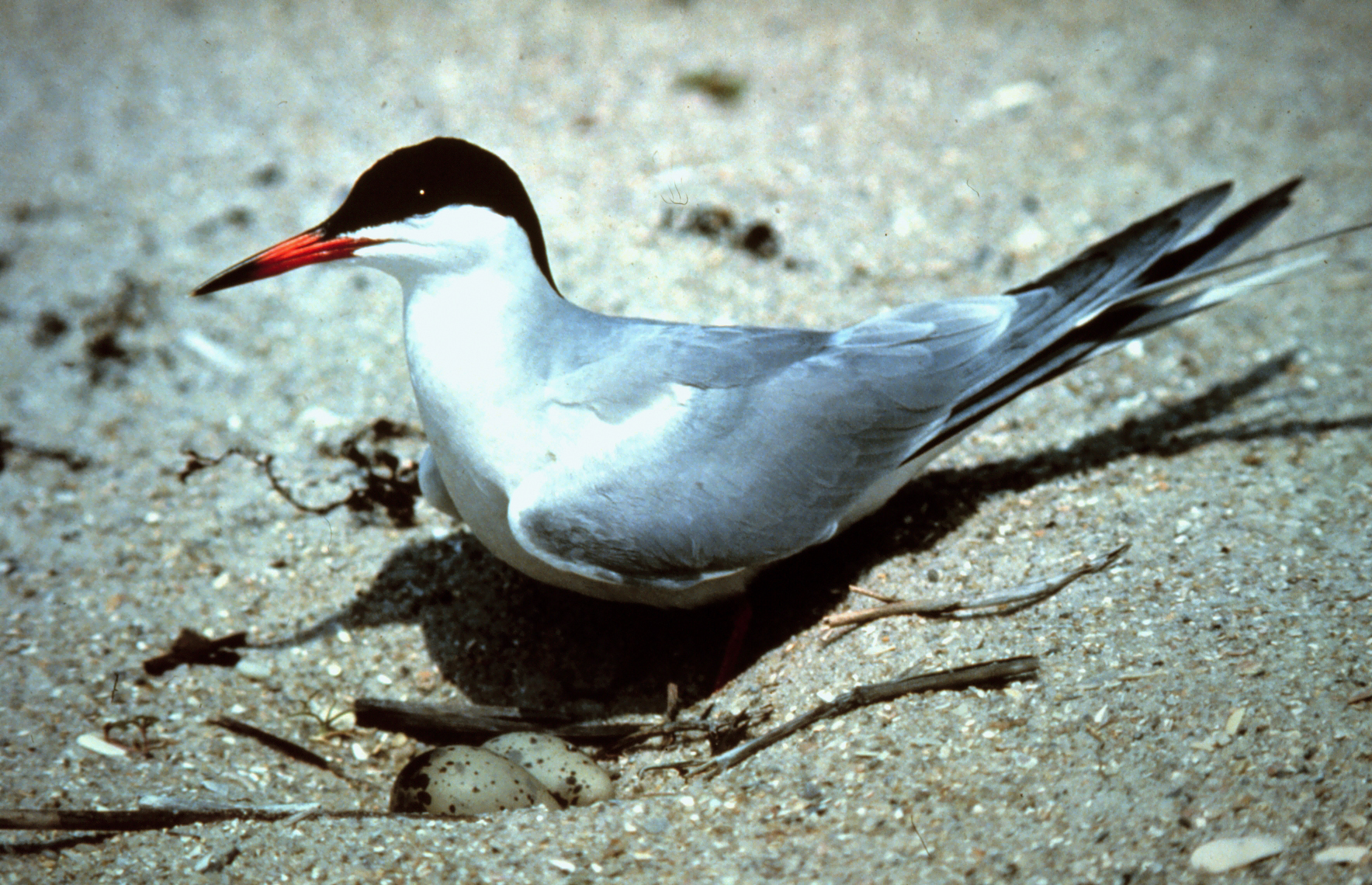
Common Tern Eggs Had More PCBs, HCB and Mercury Than Oystercatcher Eggs in 40-Year Wadden Sea Study
Monitoring from 1981–2023 found higher PCB, HCB and mercury levels in common tern eggs than in Eurasian oystercatcher…
Read story →SPECIES IN THIS STORY
Species in this story

Independent research and conservation news archive
Did you find this information useful?
Wildlife Vagabond is independently built and maintained. Voluntary support helps cover source verification, hosting and continued work on research and conservation news.
Support Wildlife VagabondThe news archive will remain freely available.