
CT and Anatomical Sections Produced the First Integrated Map of the Grey Heron Nasal Cavity
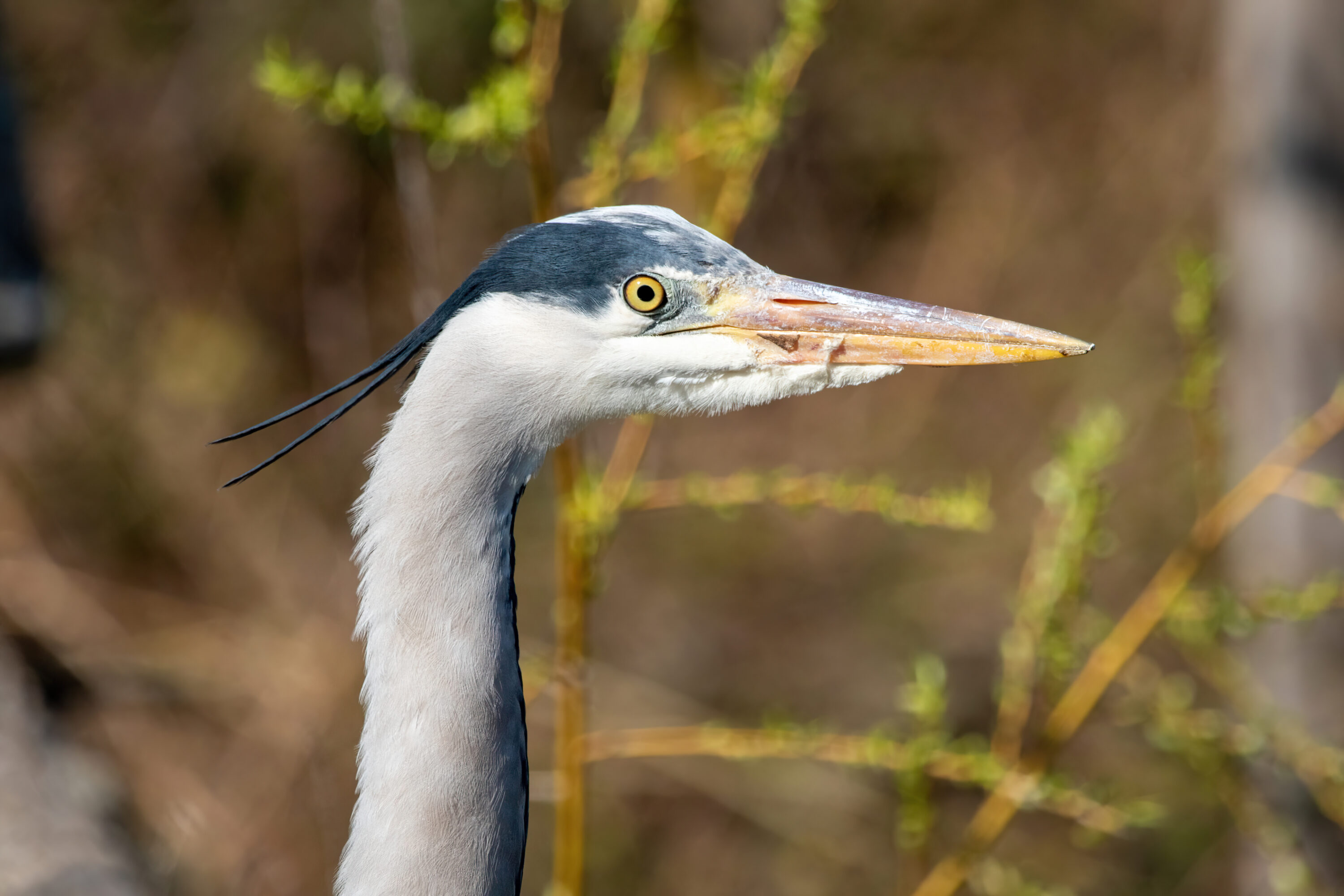
A 2026 study produced the first integrated anatomical and CT-based reference for the nasal cavity of the grey heron (Ardea cinerea). Researchers examined three juvenile cadavers from a wildlife rehabilitation centre after death or euthanasia for reasons unrelated to the head or respiratory system.
CT images were matched directly to the physical anatomy
Each head was scanned with computed tomography (CT) before being cut into corresponding transverse anatomical sections. This let the researchers compare structures on the images directly with the same structures in the tissue.
The CT scans clearly showed the rostral, middle and caudal nasal conchae. These conchae are curved internal folds that divide and shape the air passages inside the nasal cavity. The scans also showed the nasal septum and its sinus, the infraorbital sinus beneath and around the eye region, including its rostral diverticulum, and an elongated choanal cleft connecting the nasal region with the mouth.
The anatomical sections clarified how the conchae, air passages and surrounding bones fit together and confirmed that the grey heron has a small, poorly developed nasal gland. Three-dimensional reconstructions added another view of the spatial arrangement of the nasal cavity and neighbouring skull structures.
The study provides a diagnostic reference, not a functional test
The authors describe the work as the first comprehensive reference that combines gross anatomy with CT imaging for the grey heron nasal cavity. Because nasal anatomy differs substantially among bird groups, species-specific references can help veterinarians distinguish normal structures from disease on diagnostic images, especially in the sinuses and tissues around the eye.
The study did not test airflow, smell or respiratory performance, so the anatomical differences should not be read as direct evidence for a particular nasal function. The reference is also based on only three juvenile birds. The authors therefore call for larger samples and morphometric measurements before quantitative normal ranges can be established for the species.
Anatomy & morphology
Related news
Three GPS-tracked Grey Herons Migrated Very Differently but Returned to the Same Breeding Grounds
GPS tracking of three adult grey herons breeding in Poland and Germany showed migration distances from 175 to…
Read story →
Great Egret and Grey Heron Dominated Many Inland Heron Colonies in South Korea
Across 176 South Korean breeding colonies, two colony groups had more than 90% of nests from large-bodied herons…
Read story →
Cadmium, Lead and Arsenic More Than Doubled in Grey Heron Droppings at a Saudi Urban Wetland
Repeated sampling from 2020 to 2023 found that cadmium, lead and arsenic concentrations in grey heron droppings more…
Read story →SPECIES IN THIS STORY
Species in this story

Independent research and conservation news archive
Did you find this information useful?
Wildlife Vagabond is independently built and maintained. Voluntary support helps cover source verification, hosting and continued work on research and conservation news.
Support Wildlife VagabondThe news archive will remain freely available.