
Gulf Coast Canids Form a Distinctive Wetland Coyote Ecotype With Red Wolf Ancestry
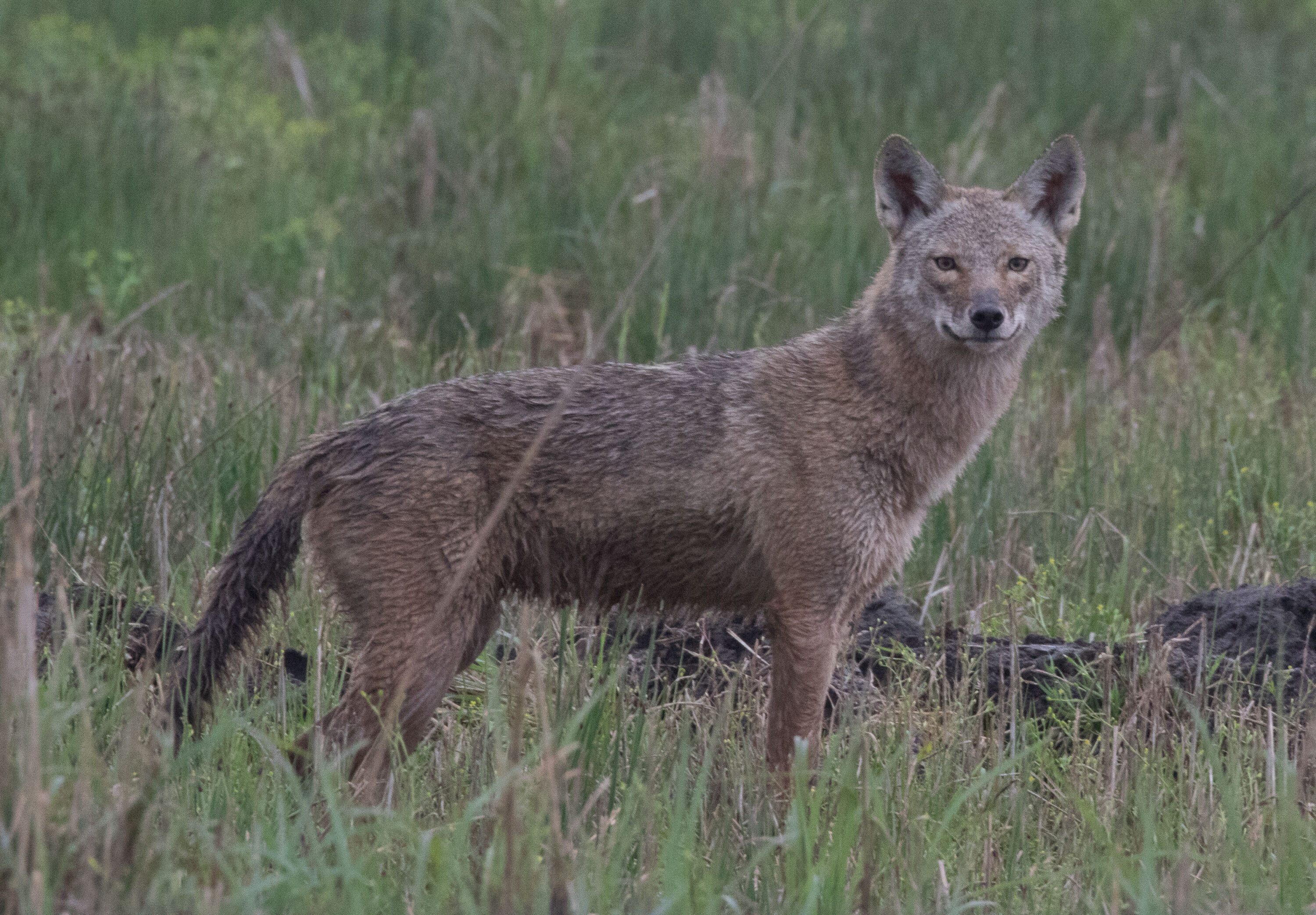
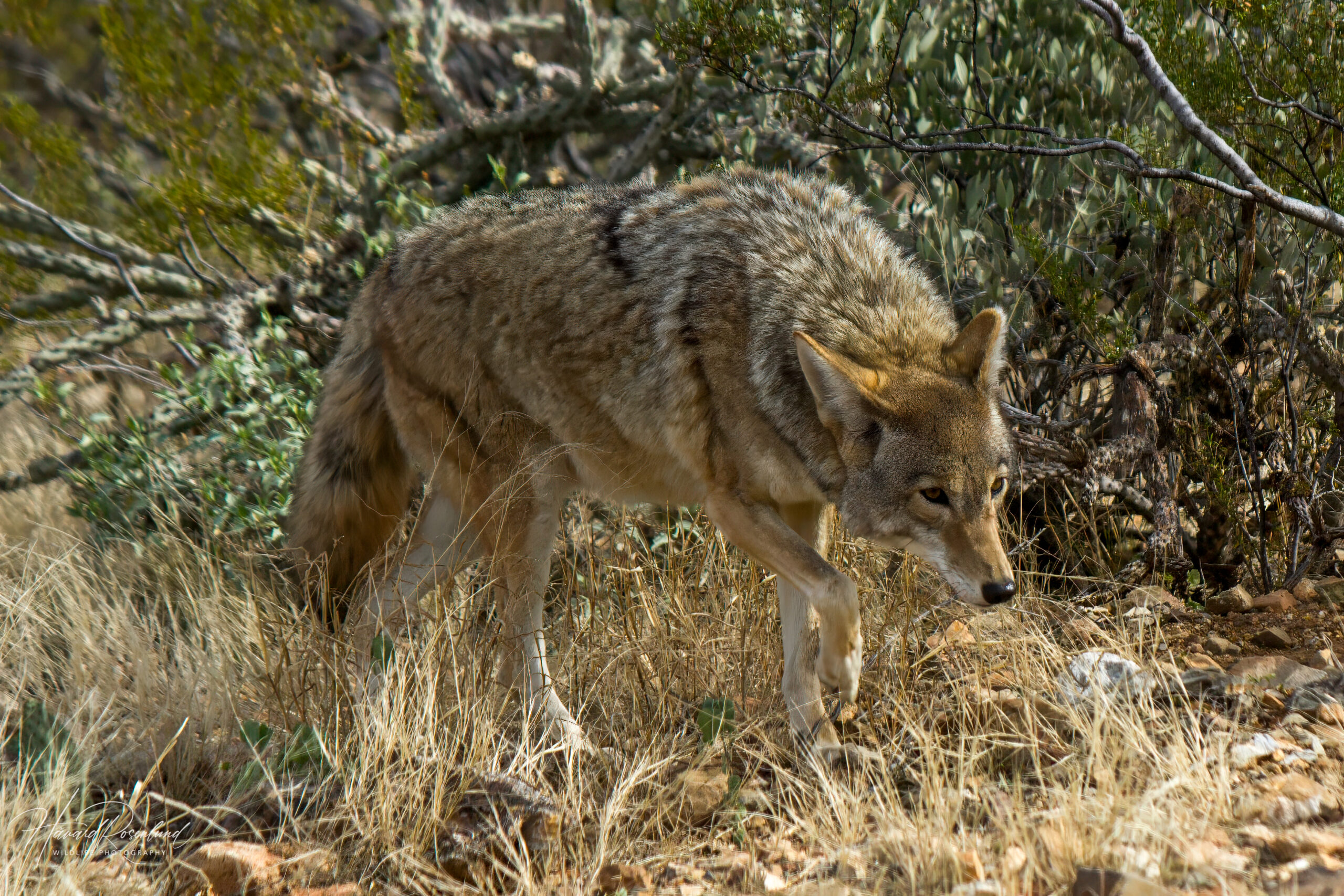
A study published on 10 February 2026 in Ecosphere concludes that canids living in the coastal wetlands of southwestern Louisiana, USA form a distinctive wetland ecotype of the coyote (Canis latrans). The population developed from the historical hybrid swarm between coyotes and red wolves (Canis rufus) that formed as coyotes colonised the red wolf’s former range during the twentieth century.
The study combined body measurements, GPS tracking, habitat selection, survival estimates and a preliminary analysis of diet. Researchers captured and radio-collared 40 Gulf Coast canids in southwestern Louisiana during 2021 and 2022. For 24 of these animals, previously published genetic analyses estimated red wolf ancestry at an average of 38%, ranging from 20% to 69%.
Long legs resembled red wolf-coyote hybrids
The animals had a distinctive build. They were tall and relatively long-legged, and measurements of the body behind the skull — the postcranial measurements — resembled known red wolf-coyote hybrids. Their head dimensions, however, remained more similar to coyotes. Across 45 measured animals, mean body mass was 16.5 kg and mean shoulder height was 61.1 cm.
Wetland use and a nutria-rich diet set the ecotype apart
Their habitat use also differed from that expected of more generalist inland coyotes. Gulf Coast canids strongly favoured wetland habitats, including large river floodplains and coastal wetlands. The authors conclude that this habitat specialisation limits the ecotype mainly to the Gulf Coast wetland system and may help maintain its separation from surrounding inland coyote populations.
Diet also reflected the wetland setting, although nutria were not the most frequent food category overall. In 252 scats collected from 13 territories, small mammals occurred in 57.1% and nutria (Myocastor coypus) in 41.3%, while white-tailed deer (Odocoileus virginianus) occurred in only 0.4%. Compared with other southeastern coyote populations, the Gulf Coast animals showed a particularly strong contrast in their much higher use of nutria and much lower use of white-tailed deer.
Estimated annual survival was 80%
Estimated mean annual survival was 80%. The authors argue that this high survival, together with wetland habitat selection and the ability of transient animals to move through coastal and river-floodplain habitats, may help explain why red wolf ancestry has persisted in coyotes along the Texas-Louisiana coast.
Evolution & taxonomy
Related news
Coyotes Increased Across Illinois Over Four Decades, but County Trends Varied
Four long-running Illinois surveys together showed a statewide coyote increase from 1980–2023, while county-level populations followed more variable…
Read story →
Mange in Coyotes Varied With Urban Density and Habitat Connectivity Across North American Cities
Camera-trap data linked visible mange in coyotes to urban intensity and habitat connectivity at two spatial scales, while…
Read story →
Coyotes Chose Steep Slopes and Stable Soils for Dens in Elk Island National Park
A study of 42 coyote dens in Elk Island National Park found that steep slopes, stable soils and…
Read story →SPECIES IN THIS STORY
Species in this story
Independent research and conservation news archive
Did you find this information useful?
Wildlife Vagabond is independently built and maintained. Voluntary support helps cover source verification, hosting and continued work on research and conservation news.
Support Wildlife VagabondThe news archive will remain freely available.