
More wintering waterbirds were counted in Caorle Lagoon, but the species mix shifted
Wintering waterbird counts increased, and more species were recorded in the Caorle Lagoon complex of northeastern Italy between 1993 and 2022. But the rise was not shared evenly among species: the birds dominating the counts changed, and more waterfowl were recorded in reclaimed areas as well as at the lagoon’s fish farms.
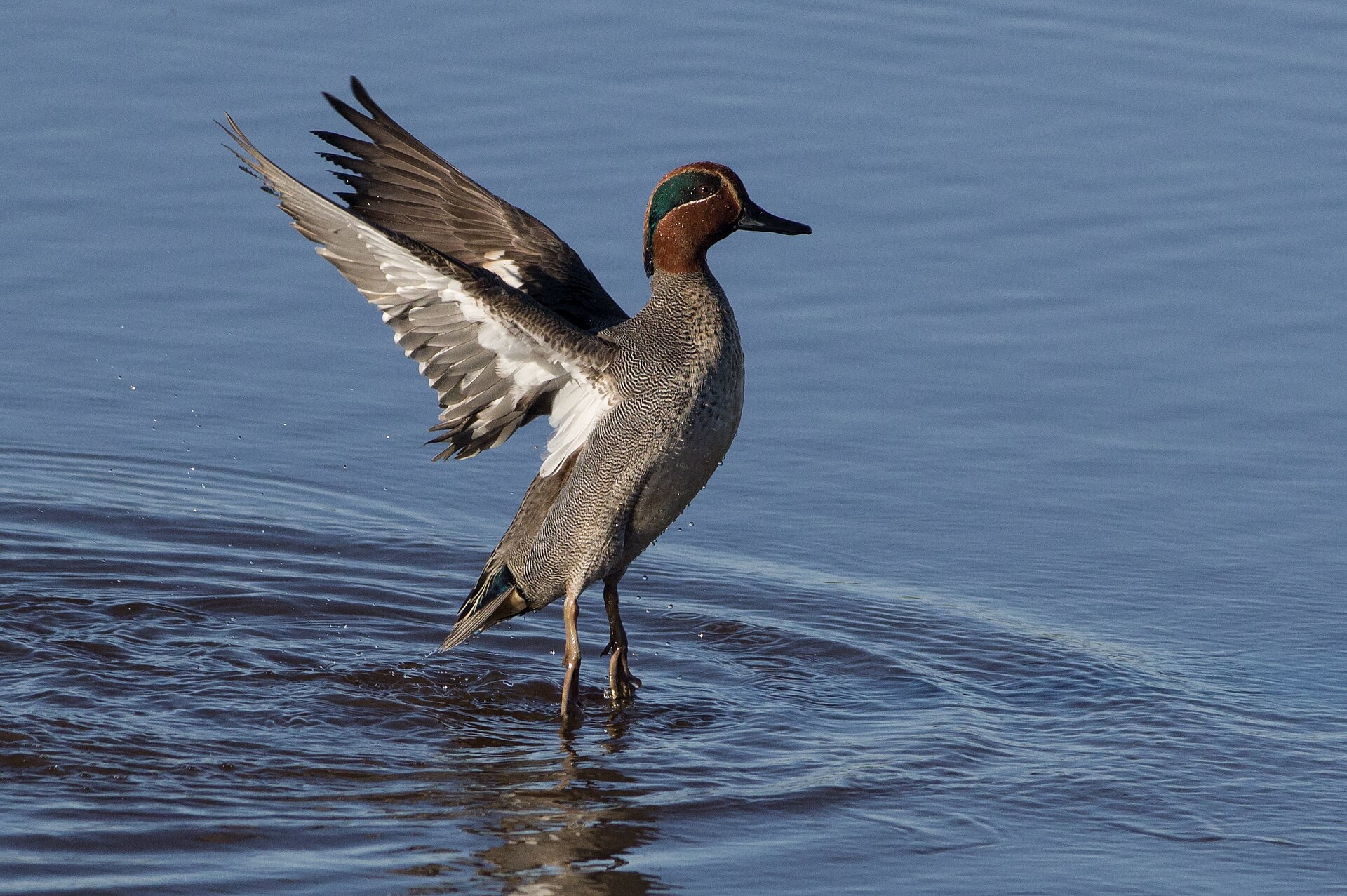
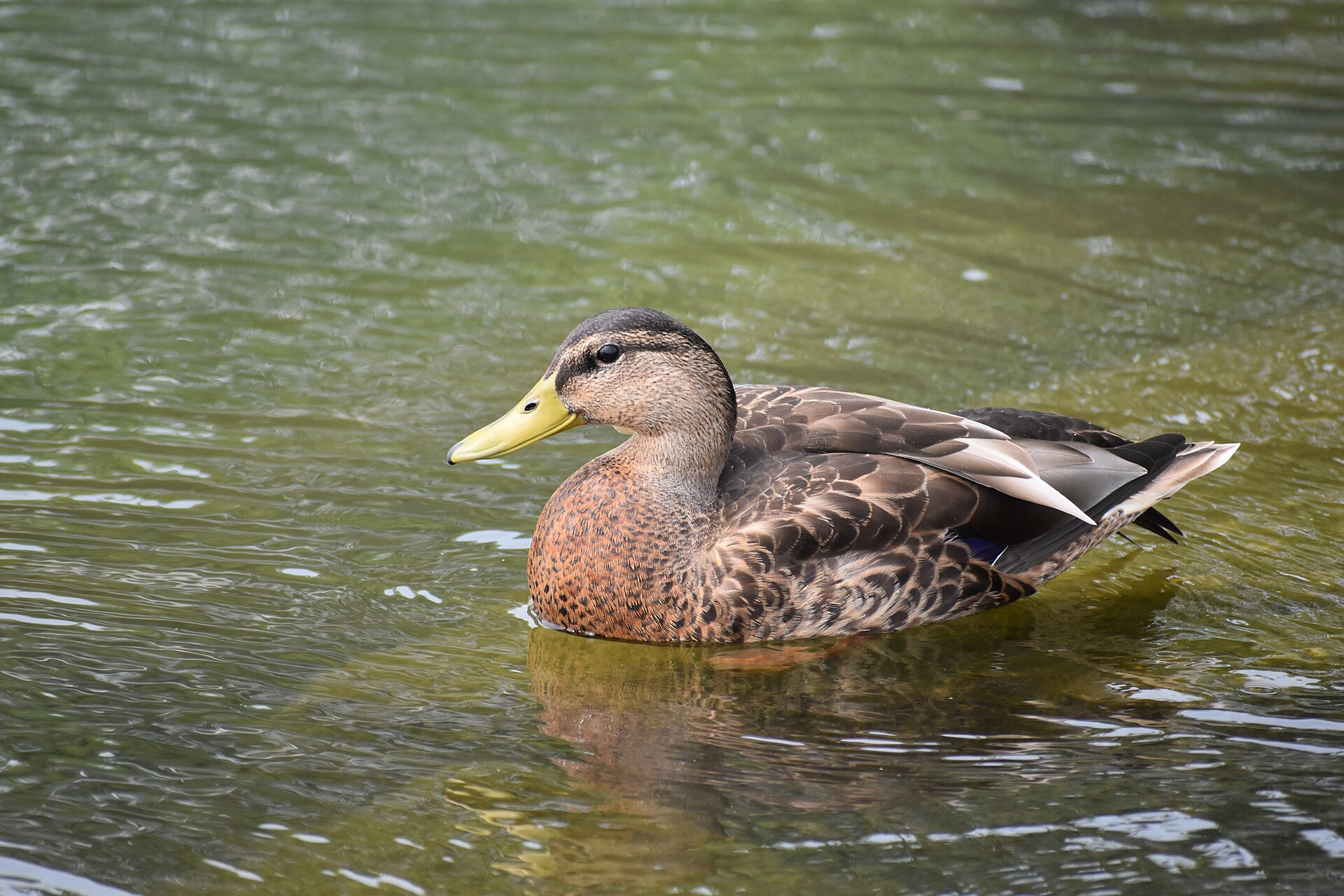
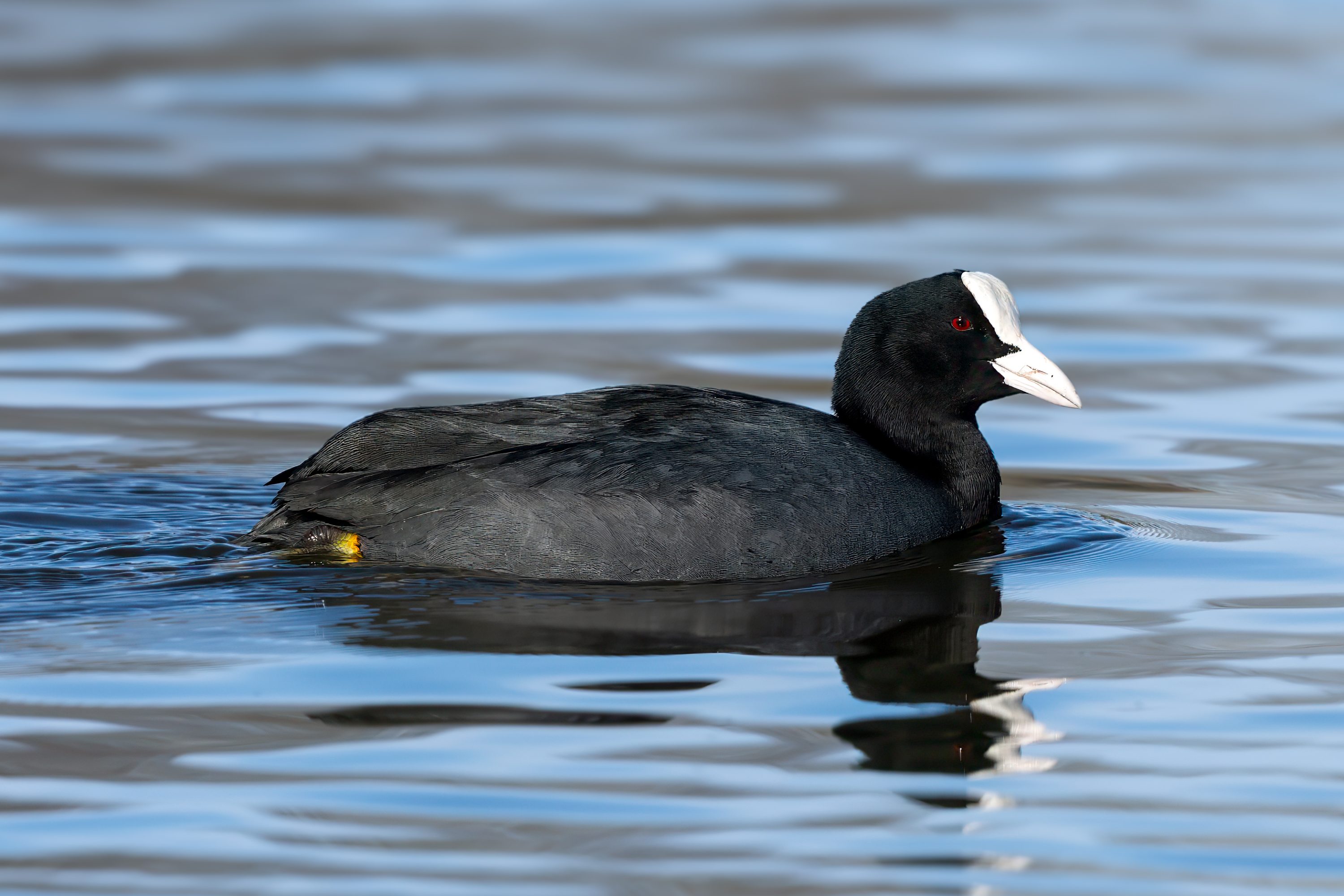
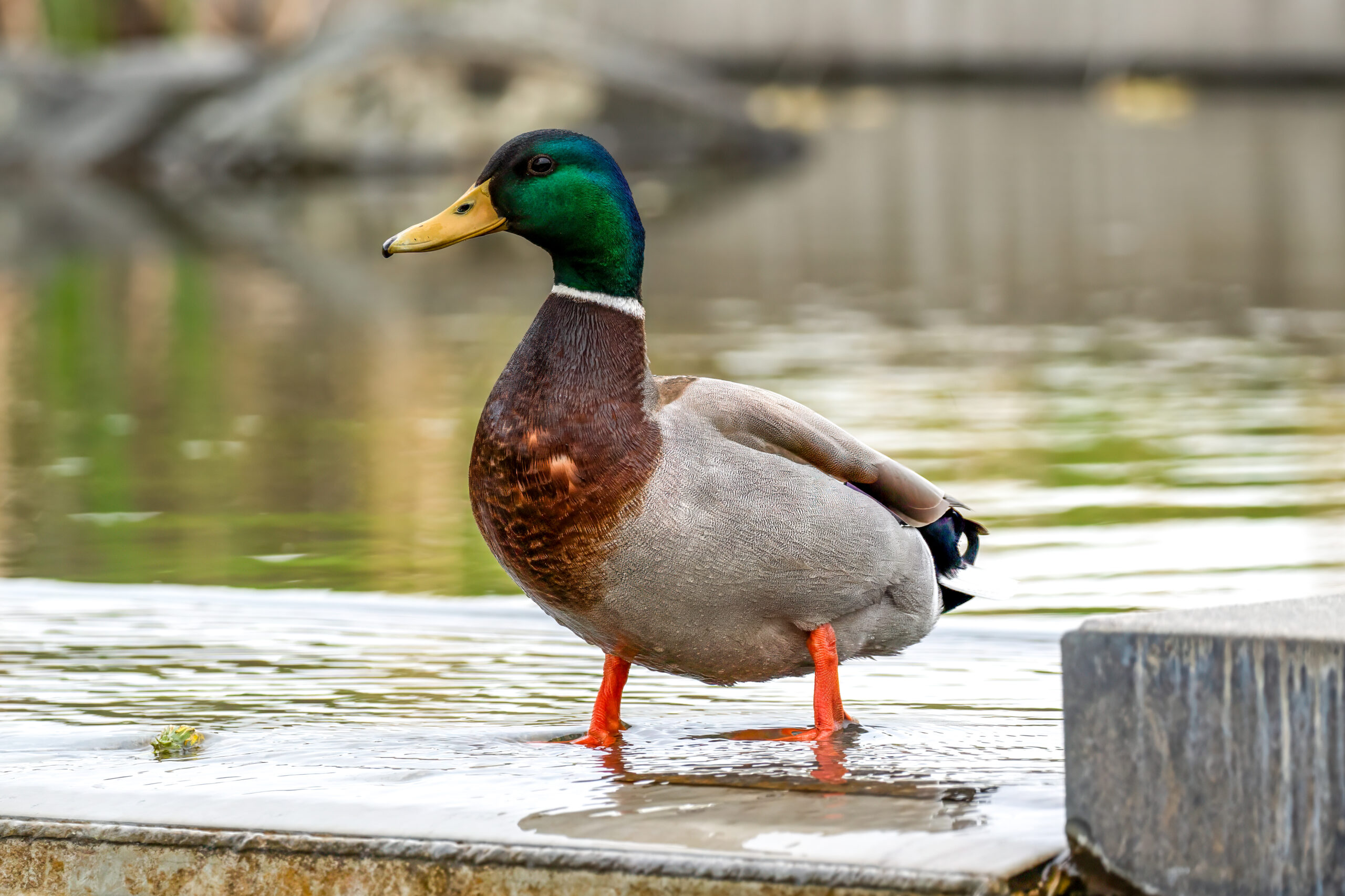
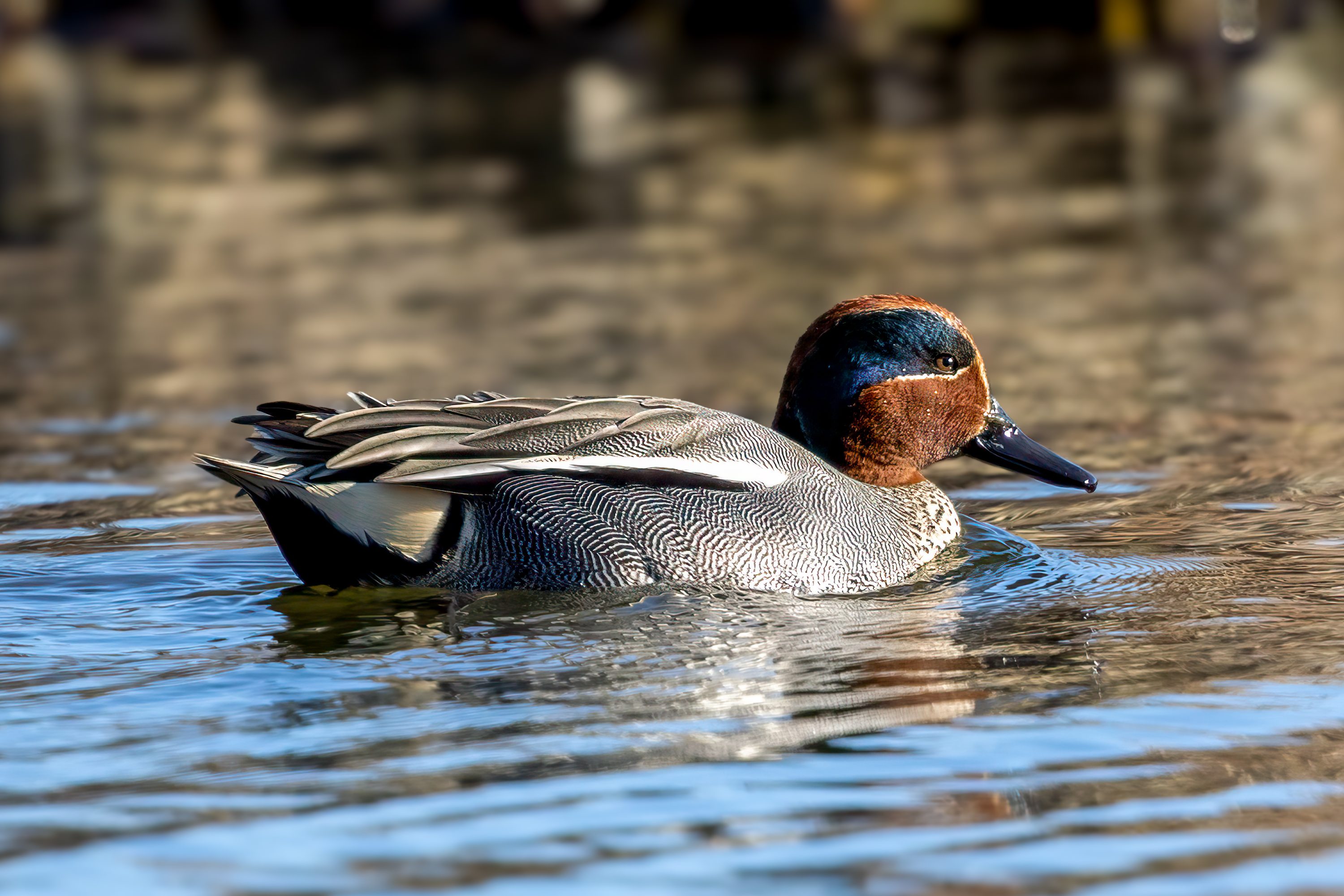
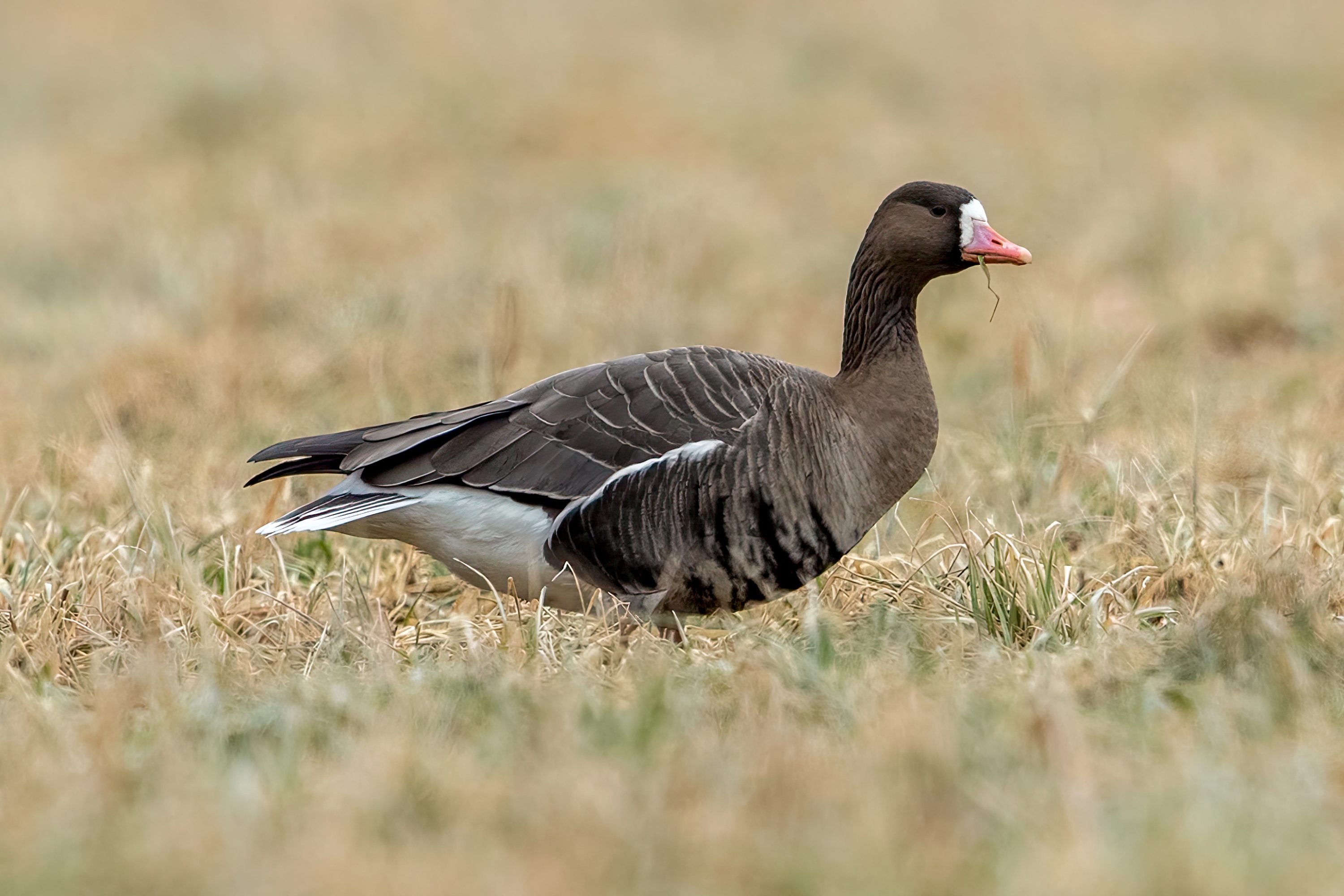
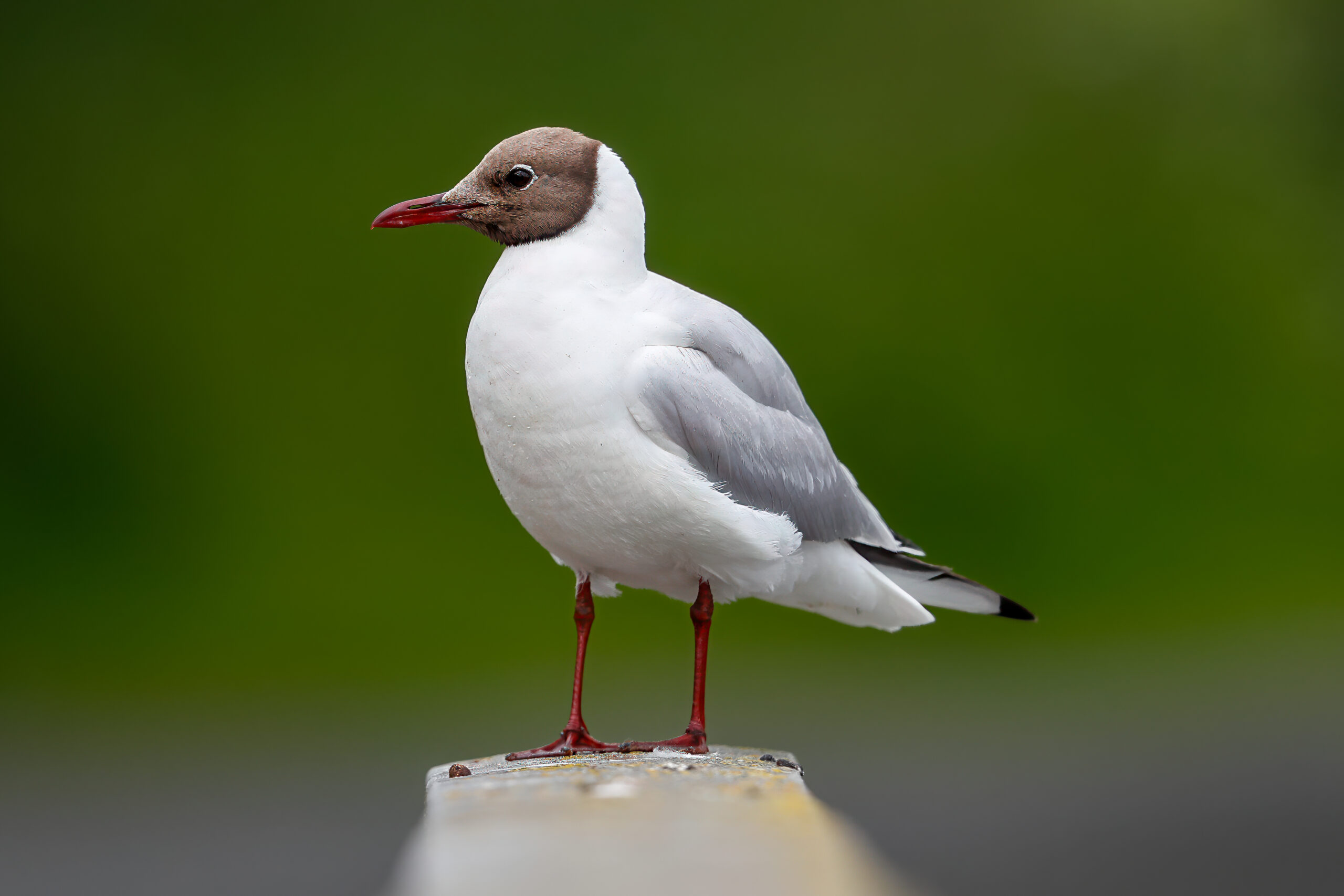
The researchers analysed 29 standardized mid-January surveys, covering 16 fixed areas and 84 waterbird species. There was no survey in 2021. The species recorded included Eurasian Coot (Fulica atra), Mallard (Anas platyrhynchos), Green-winged Teal (Anas crecca), Greater White-fronted Goose (Anser albifrons) and Black-headed Gull (Chroicocephalus ridibundus). Altogether, the surveys recorded 947,541 birds.
More birds, but a different mix
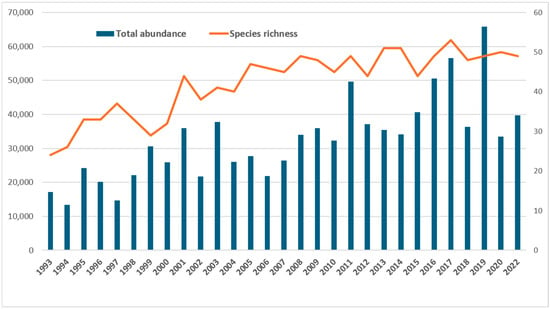
Total annual counts more than doubled over the study period. The number of species recorded in a survey rose from 24 to 49. A separate diversity measure, which reflects both how many species are present and how evenly birds are distributed among them, increased from 0.98 to 2.12.
Those overall changes conceal contrasting species trends. Eurasian Coot was the most abundant species across the full 30-year period, accounting for 31.5% of all recorded birds. Its share fell to 17.6% in 2013–2022. The model-based trend analysis classified the coot as moderately declining, although the authors note that its classification depends on the trend-estimation procedure. In that final period, Greater White-fronted Goose became the most abundant species, making up 20.9% of the birds recorded. Green-winged Teal also increased substantially and was among the species with an increasing trend.
Fish farms accounted for most recorded birds, while fields gained importance
Fish farms accounted for 80.9% of all birds recorded across the study. Reclaimed areas, however, made up a growing share of the counts: their share rose from 0.7% in 1994–2002 to 10.2% in 2012–2022. The authors link this change mainly to geese using fields for feeding. The lagoon’s managed waters and surrounding land therefore formed different parts of the wintering habitat mosaic, with their relative importance changing over time.
The counts show that more birds were recorded locally, but cannot determine whether this reflects population growth or birds shifting their distribution. The authors suggest that the mix of habitats may offer complementary resources to waterbirds, but the counts cannot establish what drove the changes.
No clear long-term signal in the community temperature index
The researchers also examined a community temperature index: a measure based on the temperature associations of the species present, weighted by their abundance. They found no significant long-term trend in the abundance-weighted index and no relationship between it and local winter temperature. The result depended on how the index was calculated: using species presence rather than abundance, or leaving out the five most abundant species, produced contrasting trends. The temperature result therefore did not show a single consistent pattern across the waterbird community.
Ecology
Related news
Hunted birds showed hidden differences in survival
Records for 61,432 ringed birds from six hunted species, collected between 1953 and 2020, revealed hidden survival differences…
Read story →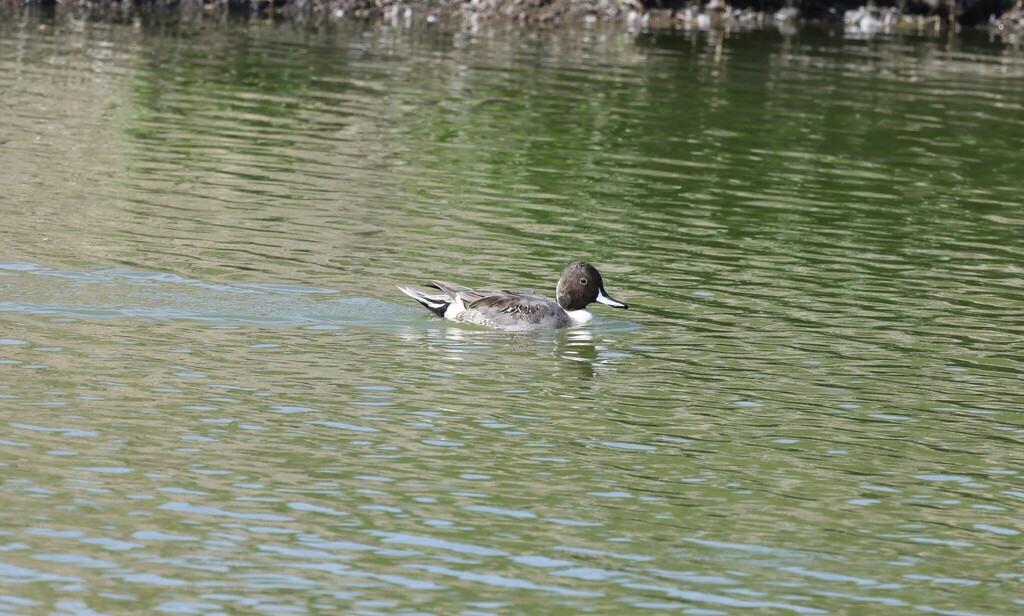
Northern Pintails Got Less Energy from Wetland Seeds Than Other Ducks
Feeding trials comparing Mallards, Northern Pintails and Green-winged Teal found that usable energy from seeds of six moist-soil…
Read story →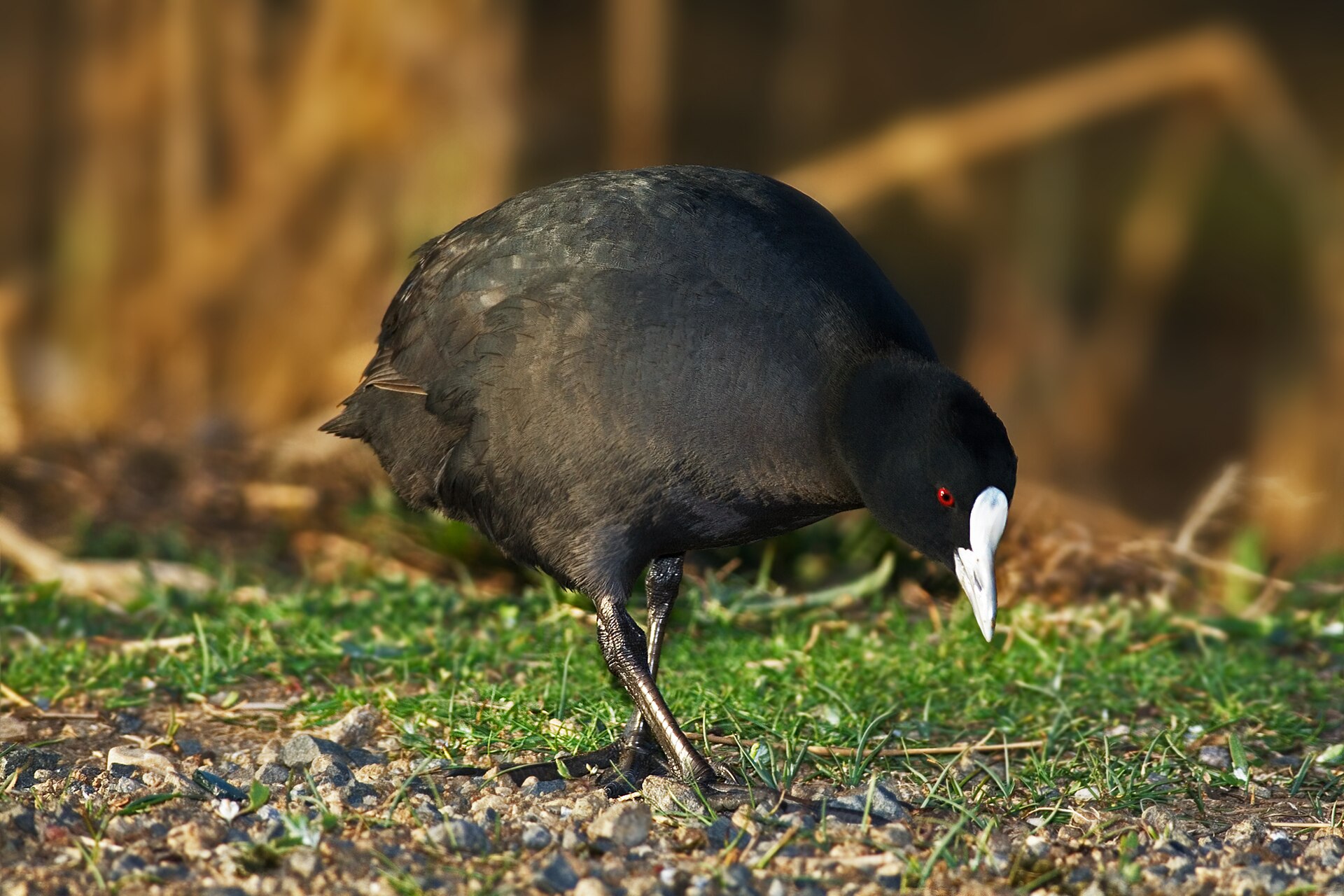
Wintering waterbirds increased in Italy’s Caorle Lagoon, but the community changed
Across 29 winter counts from 1993 to 2022, waterbird numbers more than doubled in the Caorle Lagoon. Ducks,…
Read story →SPECIES IN THIS STORY
Species in this story
Independent research and conservation news archive
Did you find this information useful?
Wildlife Vagabond is independently built and maintained. Voluntary support helps cover source verification, hosting and continued work on research and conservation news.
Support Wildlife VagabondThe news archive will remain freely available.