
Heated Nest Boxes Reduced Blue Tit Incubation Effort and Short-Term Parasite Loads
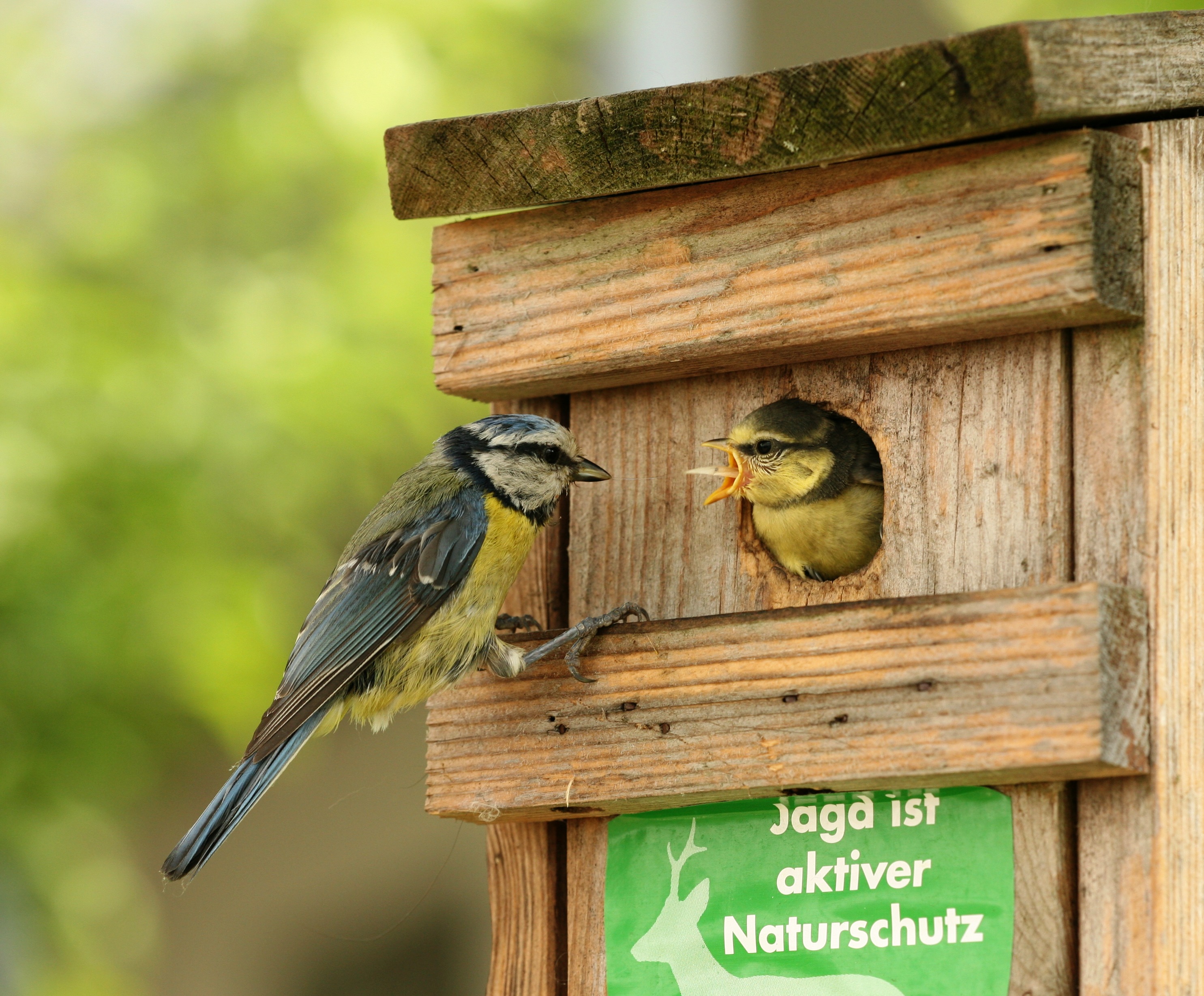
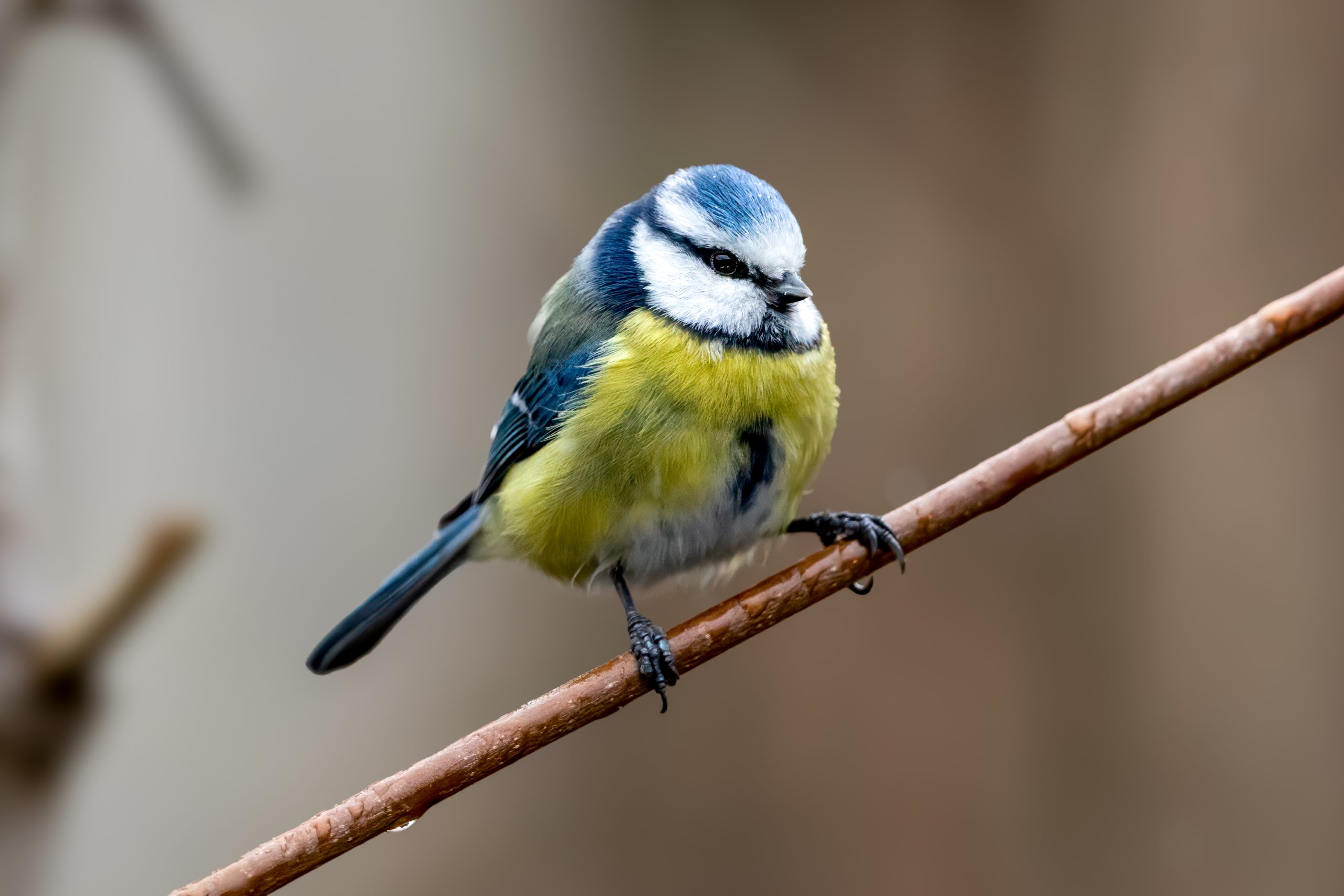
Female Eurasian blue tits (Cyanistes caeruleus) spent less time incubating when researchers experimentally warmed their nest boxes, and they also showed lower blood-parasite infection shortly after hatching. The study, published on 21 February 2026, raised nest-box temperature by about 3.3 °C during incubation and followed changes in behaviour, female health and breeding performance.
The experiment was carried out in 2022 in a montane Pyrenean oak forest at Valsaín in Segovia, central Spain. Forty-four nest boxes were paired by laying date and clutch size and randomly assigned to a heated group or a control group, with 22 nests in each treatment. Heat mats were installed from the first day of incubation until hatching, for roughly 12 days.
Warmer nests changed how females incubated
Heated nests averaged about 24 °C, compared with about 21 °C in control nests. Females in the warmer boxes spent 66.5% of the recorded time incubating, versus 74.5% in control nests. Their incubation sessions were also shorter, averaging about 11 minutes compared with 14 minutes, while they made more incubation sessions per hour.
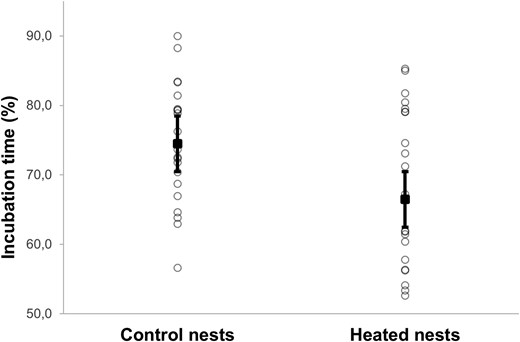
The treatment did not clearly change how often males fed incubating females. The authors interpret the reduced incubation effort in warmer boxes as a consequence of eggs cooling more slowly during female recesses, allowing females to spend more time away from the nest.
Short-term parasite differences appeared after hatching
Three days after hatching, fewer females from heated nests were infected with blood parasites, and fewer different parasite types were detected. Haemoproteus infection intensity was also lower in females from heated nests; Lankesterella showed the same direction, but the difference between treatments was weaker. In control nests, females that had spent longer periods incubating showed higher infection intensities of both Haemoproteus and Lankesterella.
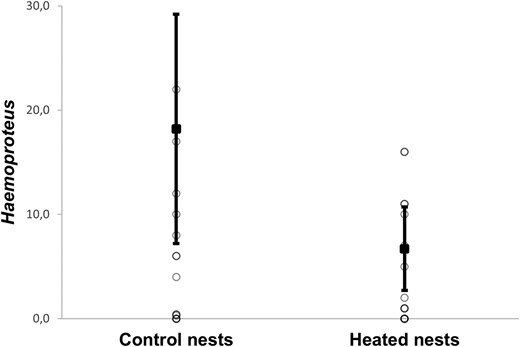
The researchers suggest that reduced incubation effort may have freed resources that could be allocated to immune function. By nestling day 13, the heated group still contained fewer infected females overall, but the difference in the number of parasite types was no longer detectable and most of the early parasite effects had faded. The two most common parasites did not follow identical trajectories: Haemoproteus prevalence changed little between the two sampling dates, whereas Lankesterella abundance increased by day 13 in both groups and particularly in females from heated nests. The treatment produced no detectable difference in female or nestling body mass, hatching success or fledging success.
The experiment covered one breeding season
The authors note that the experiment was conducted in a single year, while environmental conditions can vary among breeding seasons. They therefore frame the results as evidence for short-term effects of nest temperature on incubation behaviour and female health under the conditions tested.
Behaviour
Related news
Juvenile Harris's Hawks Manipulated Pine Cones for About Five Minutes
Two juvenile Harris's hawks in Buenos Aires Province tore pine cones from trees, carried them to new perches…
Read story →
Rock Doves Preferred Predictive Information Despite a Lower Food Payoff
Seven rock doves preferred an informative option that paid on 20% of trials over a non-informative option that…
Read story →
Task Uncertainty Increased Interference From Irrelevant Visual Information in Rhesus Macaque Decisions
Two rhesus macaques made less accurate visual decisions under task uncertainty; recordings and microstimulation in primary visual cortex…
Read story →SPECIES IN THIS STORY
Species in this story
Independent research and conservation news archive
Did you find this information useful?
Wildlife Vagabond is independently built and maintained. Voluntary support helps cover source verification, hosting and continued work on research and conservation news.
Support Wildlife VagabondThe news archive will remain freely available.