
Hepatitis E virus RNA found in red deer in northern Italy
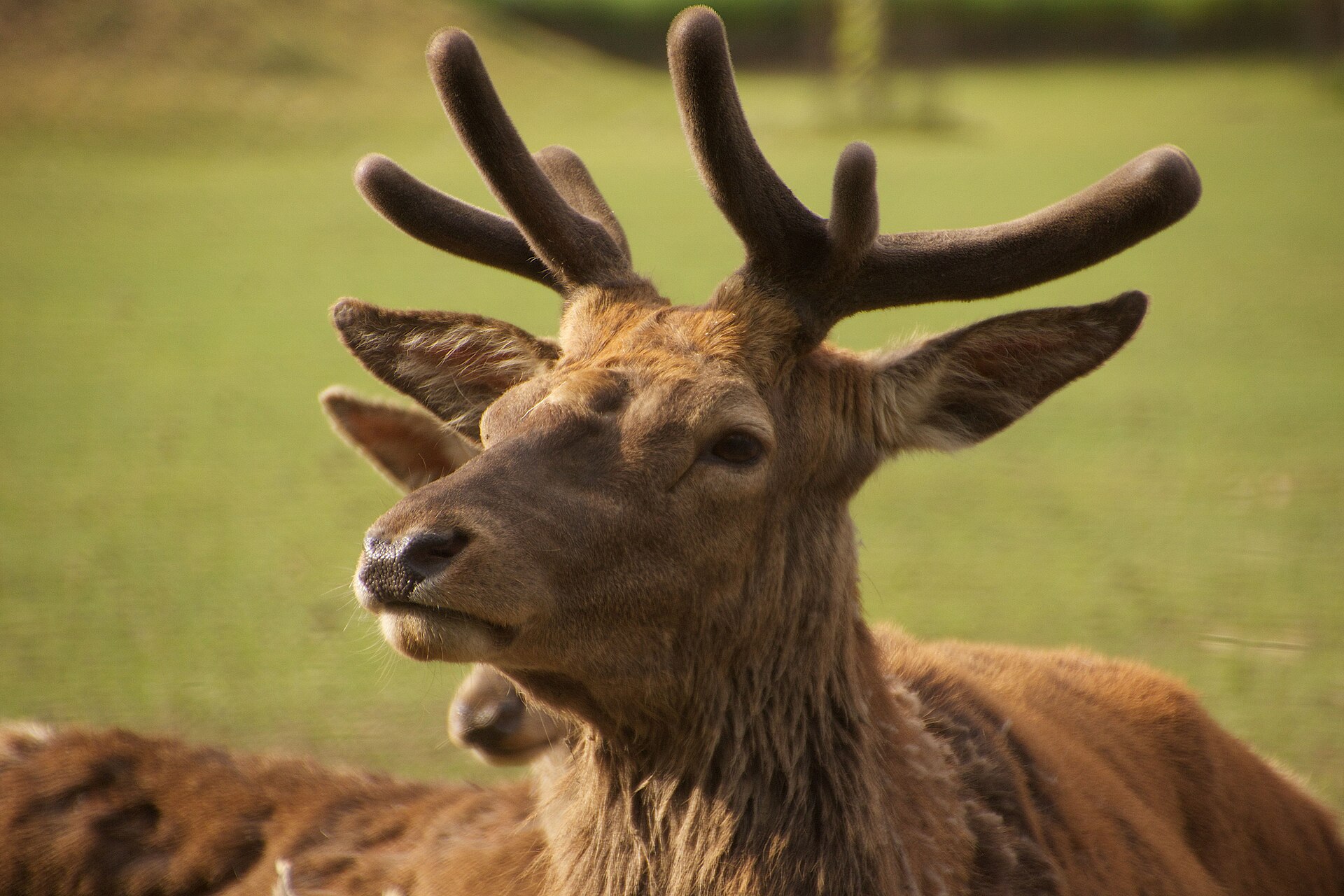
Hepatitis E virus (HEV) causes hepatitis E, a liver disease that can spread from animals to people. In Europe, human infections are mainly associated with HEV genotype 3 and are often linked to eating raw or undercooked meat. A study published in 2026 examined HEV RNA in red deer (Cervus elaphus) hunted in the Italian regions of Piedmont and Lombardy, comparing their viral sequences with those from other hosts and regions.
The study tested 170 liver samples and muscle samples from a subset of 40 of the same deer. The samples were collected during official veterinary checks between October and December 2021. PCR tests, which detect targeted genetic material, found HEV RNA in 22 of the 170 liver samples (12.9%) and three of the 40 muscle samples (7.5%). All three deer with a positive muscle sample also had a positive liver sample. The muscle samples were not sequenced, so their virus subtype is unknown.
Researchers obtained partial virus sequences from 19 of the positive liver samples. All 19 were classified as HEV genotype 3, subtype 3c. A subtype is a more specific genetic grouping within a genotype. The classification was based on a short fragment of the virus’s RdRp gene; the authors say longer genomic sequences would be needed for more definitive confirmation.
The researchers compared the 19 partial sequences with 86 reference sequences in a phylogenetic analysis, which reconstructs genetic relationships. The sequences were most closely related to HEV-3c sequences from wild boar in Calabria, southern Italy. HEV-3c sequences from deer in Germany formed a separate group. This shows that closely related strains have been found in both red deer and wild boar in Italy, but genetic similarity alone does not establish transmission between the species. A previous study of 218 red deer liver samples from Lombardy found no HEV RNA. Because the studies sampled different areas and periods and used different detection methods, they do not show whether the virus has become more common over time.
Finding HEV RNA in muscle is relevant to food safety because red deer meat, including some regional products, can be eaten raw or without a cooking step. But detecting viral genetic material does not establish that infectious virus was present in the meat. The study did not test whether the detected virus could infect animals or people.
Disease, parasites & microbiology
Related news

Meat colour differed among four wild ungulates, but could not reliably identify them
Measurements of a shoulder muscle from roe deer, fallow deer, red deer and European mouflon found differences in…
Read story →
Velvet Antler Had the Most Distinct Metabolite Profile in Red and Sika Deer
A Chinese study detected 2,361 metabolites across three antler tissues from red and sika deer. Velvet antler separated…
Read story →
Tarim Red Deer Microbiomes Showed Greater Capacity to Break Down Reed Fibre
Under the same reed-containing diet, captive Tarim red deer had more fibre-associated gut microbes, higher cellulase and hemicellulase…
Read story →SPECIES IN THIS STORY
Species in this story
Independent research and conservation news archive
Did you find this information useful?
Wildlife Vagabond is independently built and maintained. Voluntary support helps cover source verification, hosting and continued work on research and conservation news.
Support Wildlife VagabondThe news archive will remain freely available.