
Tarim Red Deer Microbiomes Showed Greater Capacity to Break Down Reed Fibre
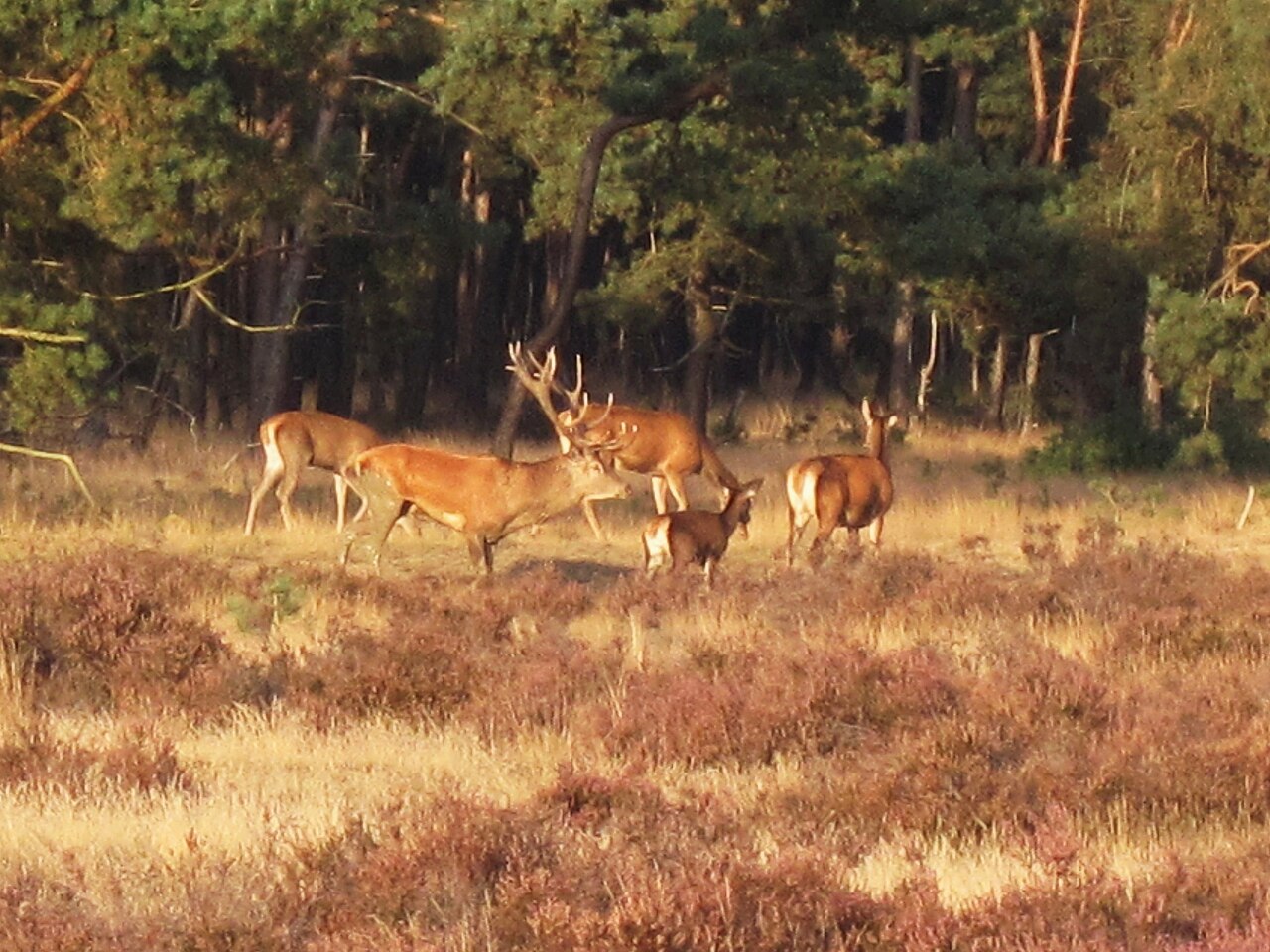
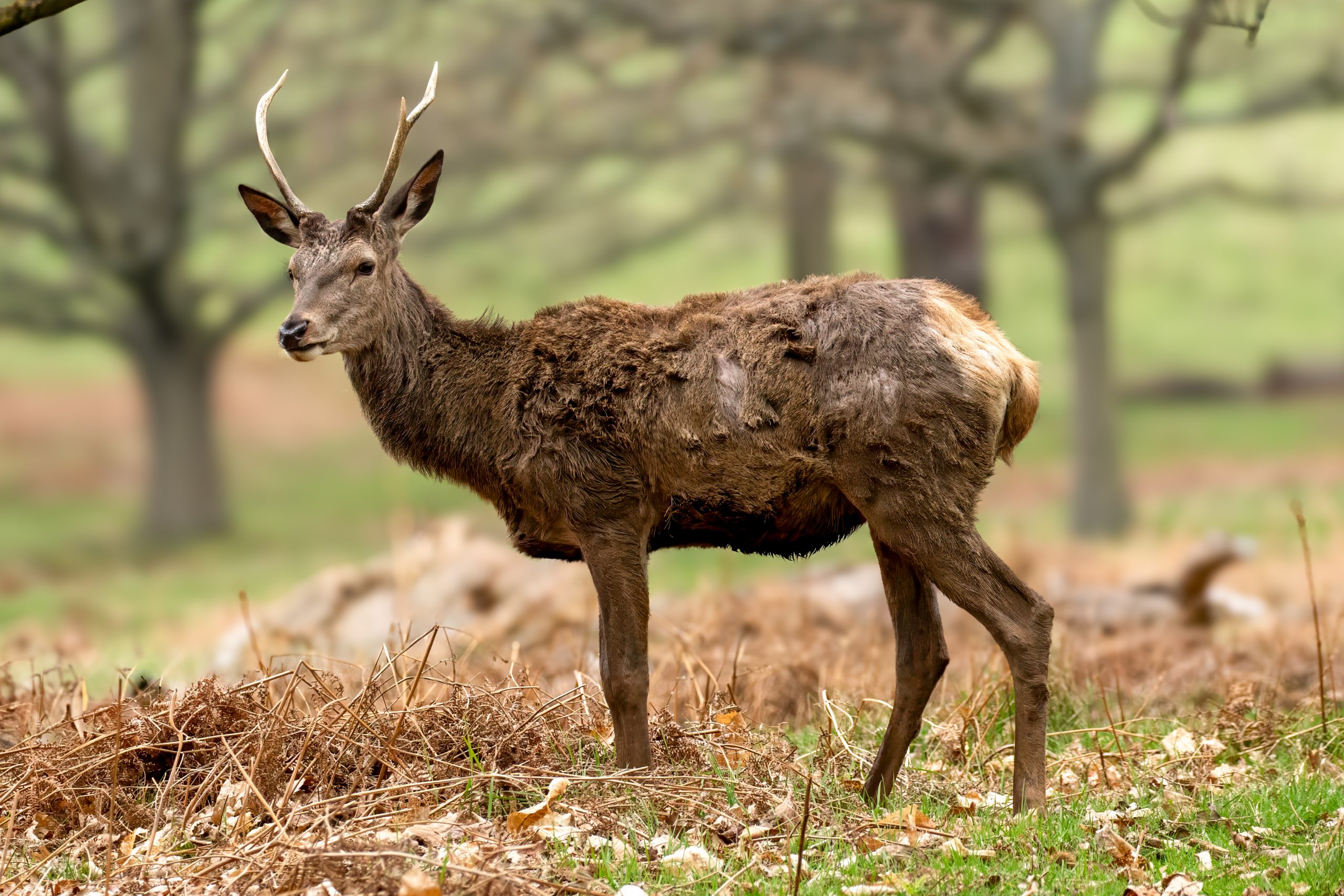
The gut microbial community associated with Tarim red deer (Cervus elaphus yarkandensis) showed a greater capacity to break down reed fibre than that of the closely related Cervus elaphus songaricus under the same reed-containing feeding conditions. The Tarim animals had more diverse fecal microbiota, stronger cellulase and hemicellulase activity and a broader set of microbial functions for dismantling lignocellulose, the tough structural material that gives plant cell walls much of their strength.
Reed is an important forage resource in the Tarim Basin but is difficult to digest because lignocellulose combines cellulose and hemicellulose with lignin, which protects the plant fibres from breakdown. The researchers therefore compared not only which microbes were present in the two red-deer subspecies, but also their carbohydrate-degrading genes, enzyme activity, ability to break down reed straw in laboratory fermentation and the small molecules present in feces and blood serum.
More fibre-associated microbes and enzymes in Tarim red deer
Tarim red deer had higher fecal microbial diversity and greater abundance of several bacterial groups associated with fibre degradation, including Ruminococcaceae, Lachnospiraceae and Alistipes. Metagenomic analysis also showed a broader repertoire of carbohydrate-active enzymes, or CAZymes, involved in breaking apart plant polysaccharides.
Enzyme families involved in degrading cellulose, hemicellulose, lignin, β-glucan, arabinoxylan and pectin were enriched in the Tarim group. Measurements of the fecal material supported the genetic evidence: cellulase and hemicellulase activities were higher, while lignin-degrading enzyme activity did not clearly differ between the groups.
The difference also appeared when the microbial communities were tested directly outside the animals. Fecal inocula from Tarim red deer degraded more reed straw during laboratory fermentation than inocula from C. e. songaricus. This does not measure whole-animal digestibility, but it shows that the microbial community carried a greater substrate-degrading capacity under controlled conditions.
Fecal and serum metabolites reflected carbohydrate and lipid metabolism
Untargeted metabolomics — a broad survey of small molecules rather than a test for only a few preselected compounds — separated the two deer groups in both feces and serum. Microbes enriched in the Tarim animals were positively associated with glucose derivatives, short-chain-fatty-acid-related compounds and several long-chain fatty acids.
In feces, these associations included 6-deoxy-D-glucose and glucuronic-acid-3,6-lactone, the short-chain-fatty-acid derivatives diethyl malonate and diethyl succinate, and fatty acids including docosanoic, lignoceric, arachidonic, erucic and adrenic acid. Network analyses also connected fibre-associated bacteria and microbial metabolic genes with compounds such as N-acetylneuraminic acid, L-palmitoylcarnitine and cholesterol.
Short-chain fatty acids are small organic acids formed when microbes ferment carbohydrates that the host cannot digest directly. The study did not measure a single simple “fibre-digestion metabolite”; instead, the chemical differences formed a broader pattern linking microbial carbohydrate processing to lipid and host-associated metabolism.
Mouse transfer provided exploratory support
The researchers also transferred Tarim-red-deer fecal microbiota to antibiotic-treated mice eating a reed-containing diet. The mice developed changes in fibre-associated microbes, metabolic pathways, fecal metabolites, body weight and intestinal morphology. The experiment was exploratory and cannot show that the same effects occur in red deer, but it supports the idea that the microbial community itself can influence how a reed-rich diet is processed.
All deer samples came from captive animals, and the study relied on feces rather than direct sampling of the rumen because the Tarim subspecies is rare and protected. Fecal communities can reflect digestive processes but are not identical to the microbes living in the rumen, where much of plant-fibre fermentation occurs. The results therefore identify microbial and chemical features associated with higher reed-fibre degradation capacity under captive conditions rather than demonstrating that every wild Tarim red deer has the same digestive profile.
Molecular biology & biochemistry
Related news
Velvet Antler Had the Most Distinct Metabolite Profile in Red and Sika Deer
A Chinese study detected 2,361 metabolites across three antler tissues from red and sika deer. Velvet antler separated…
Read story →
Wolf Kills Provided Plenty of Food for Red Foxes
Red foxes visited all 26 wolf-killed red deer monitored in Stelvio National Park. The amount of meat left…
Read story →
Fossil Teeth Reveal a Lush Refuge Along Lebanon’s Coast
Teeth from deer, wild goats and other herbivores show that Lebanon’s coast repeatedly offered woodland, water and feeding…
Read story →SPECIES IN THIS STORY
Species in this story
Independent research and conservation news archive
Did you find this information useful?
Wildlife Vagabond is independently built and maintained. Voluntary support helps cover source verification, hosting and continued work on research and conservation news.
Support Wildlife VagabondThe news archive will remain freely available.