
Moose Lived and Reproduced in Colorado Before the 1978 Reintroduction
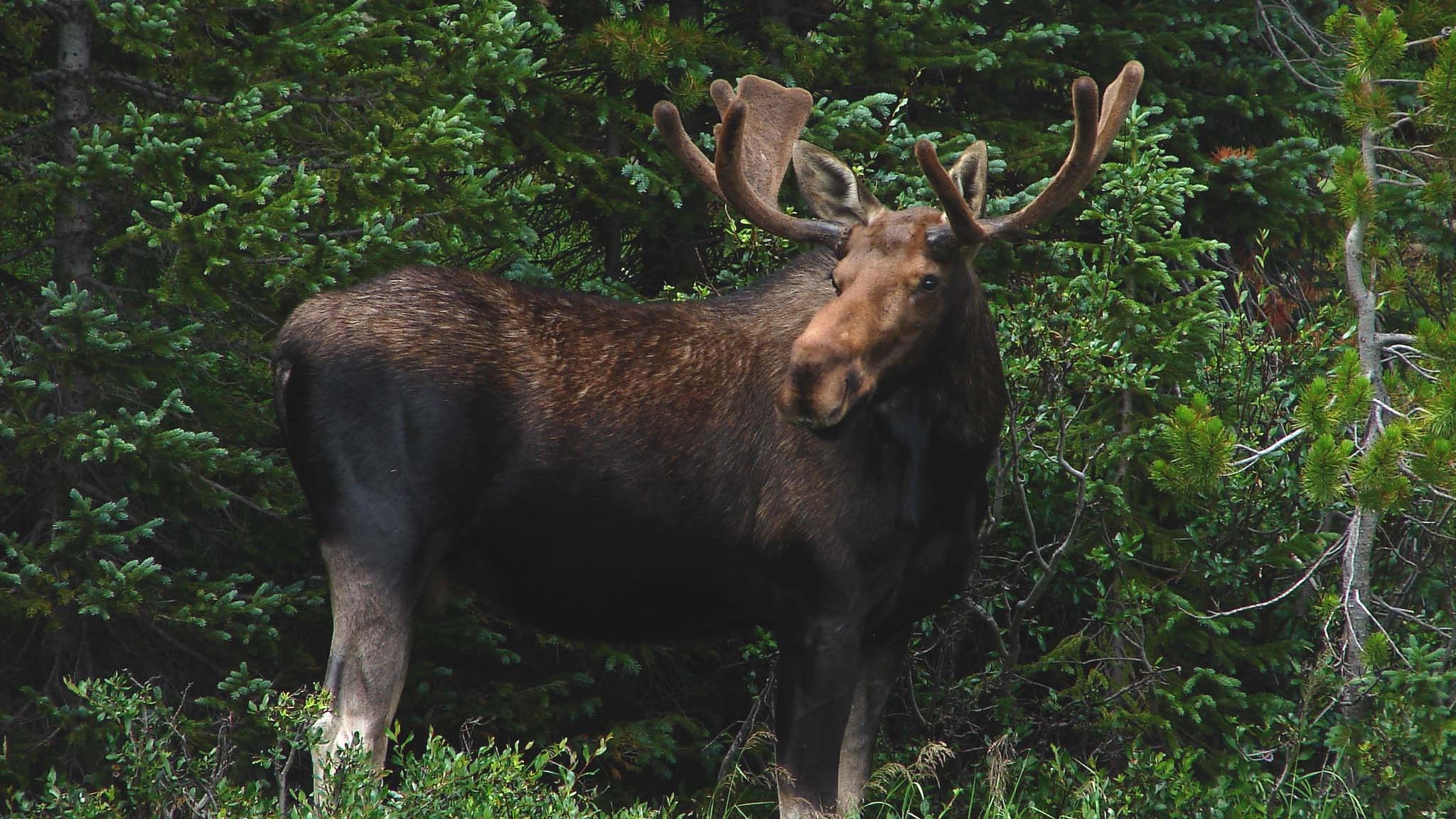
Moose (Alces alces) were living and reproducing in Colorado and the southern Rocky Mountains long before the state’s well-known translocations began in 1978, according to an interdisciplinary review of historical, archaeological and Indigenous evidence. The authors conclude that it is scientifically inaccurate to describe moose as non-native in contemporary management debates.
The interdisciplinary review was first published as a perspective in the Journal of Biogeography on 12 June 2026. It examines the Holocene record of moose across the southern Rockies by combining evidence that is rarely assessed together: newspapers, photographs, diaries and other historical accounts; stories, songs and oral traditions from Native nations; and published identifications of animal remains from archaeological sites.
Females and calves point to local reproduction
Official narratives often emphasise the first official reintroduction in North Park in 1978 and later translocations elsewhere in Colorado. Because wildlife counts from the early 20th century sometimes recorded no moose, their modern presence has at times been treated as a recent human introduction.
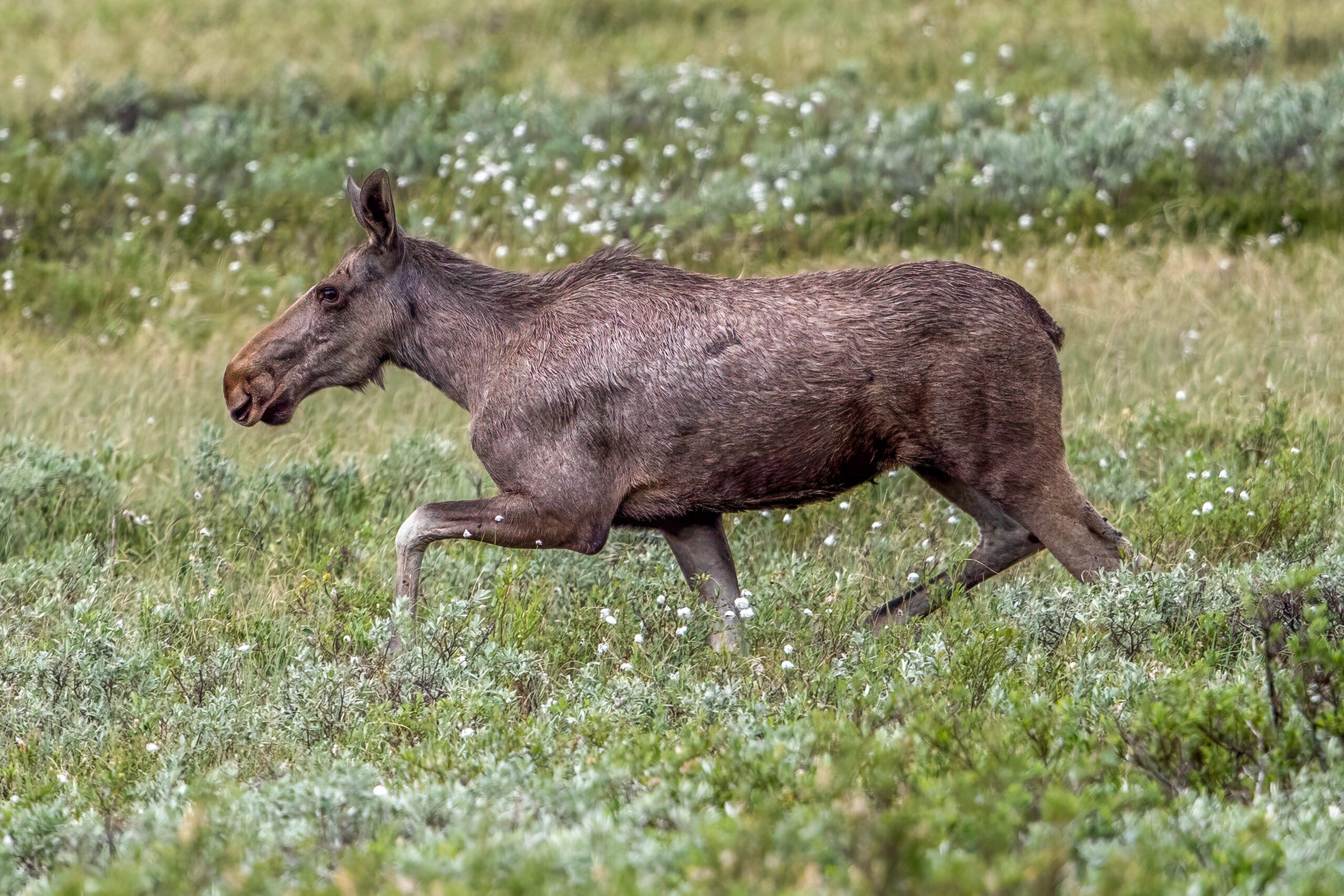
The historical record assembled by the researchers tells a more complicated story. Reports place moose in Colorado from the earliest reliable written accounts in the 19th century. They include males, females and juveniles, not only wandering bulls. Cows appeared almost as often as bulls in the historical newspapers and photographs examined, and mothers with young were recorded on several occasions.
One especially direct piece of evidence is a photograph from around 1912 showing an adult female and juvenile killed near a railroad lumber camp outside Fairplay. Other records describe males, females and young in places including Middle Park, North Park, Steamboat Springs and the upper Colorado River region before the official translocations.
Female moose generally maintain stable home ranges and calves tend to remain near their mothers. The repeated presence of cow-and-calf pairs therefore supports local reproduction rather than a record composed only of occasional long-distance visitors.
Absence from a count is not proof of absence
The authors do not claim that the historical material can produce reliable population estimates. Newspaper coverage was inconsistent, formal tallies were uncommon, and many observations reached the record only when an animal was accidentally killed. Interviews collected by a state biologist in the 1950s also revealed numerous sightings that never appeared in newspapers.
Archaeological evidence has its own difficulties. Moose can be rare in faunal collections, and their bones may be hard to distinguish from those of the related extinct stag-moose (Cervalces). The authors therefore caution that some Early Holocene remains reported as “moose” cannot yet be assigned confidently to modern Alces rather than Cervalces, and several later archaeological identifications also need renewed anatomical or molecular verification. Even with those limitations, published archaeological records extend the possible regional history back thousands of years. References to moose in the cultural traditions of Native nations provide an additional and independent line of evidence for a deeper regional history.
The review therefore treats old sources as better evidence for presence than for absence. A gap in sparse archives cannot establish that no animals lived in an area. The authors say the surviving material cannot determine whether southern Rocky Mountain moose persisted continuously at low numbers, repeatedly disappeared and returned, or shifted with climate and human activity. It does, however, rule out a simple story in which moose arrived only through 20th-century releases.
A historical finding with modern consequences
Colorado’s moose population has expanded since translocation, and increasing numbers in and around Rocky Mountain National Park have created concerns about browsing pressure on willow and other riparian vegetation. Whether managers label the animals native or exotic can influence which responses are considered legitimate.
The study argues that classifying moose as invasive and pursuing removal on that basis is not supported by the evidence. That does not mean the authors dismiss ecological impacts or oppose all population control. Instead, they recommend sustainable management that recognises both the species’ long regional history and the fact that animal communities change across decades, centuries and millennia.
They also call for wider participation in future decisions. Paleobiologists, archaeologists, Tribal leaders, wildlife scientists and the public each hold different parts of the evidence. The paper suggests that dialogue among these groups can produce management plans that better reflect ecological history and retain public legitimacy.
The authors describe this change in perception as a form of shifting baseline syndrome: institutional memory of earlier moose presence faded, so later population growth could be interpreted as an invasion rather than a recovery or renewed expansion of a species with a deeper regional history. The central lesson extends beyond moose. Modern wildlife baselines often begin when systematic surveys or government agencies were established, even though ecosystems and human relationships with animals are much older. Combining cultural, historical and ecological records can reveal species histories that recent counts alone cannot show.
Ecology
Related news
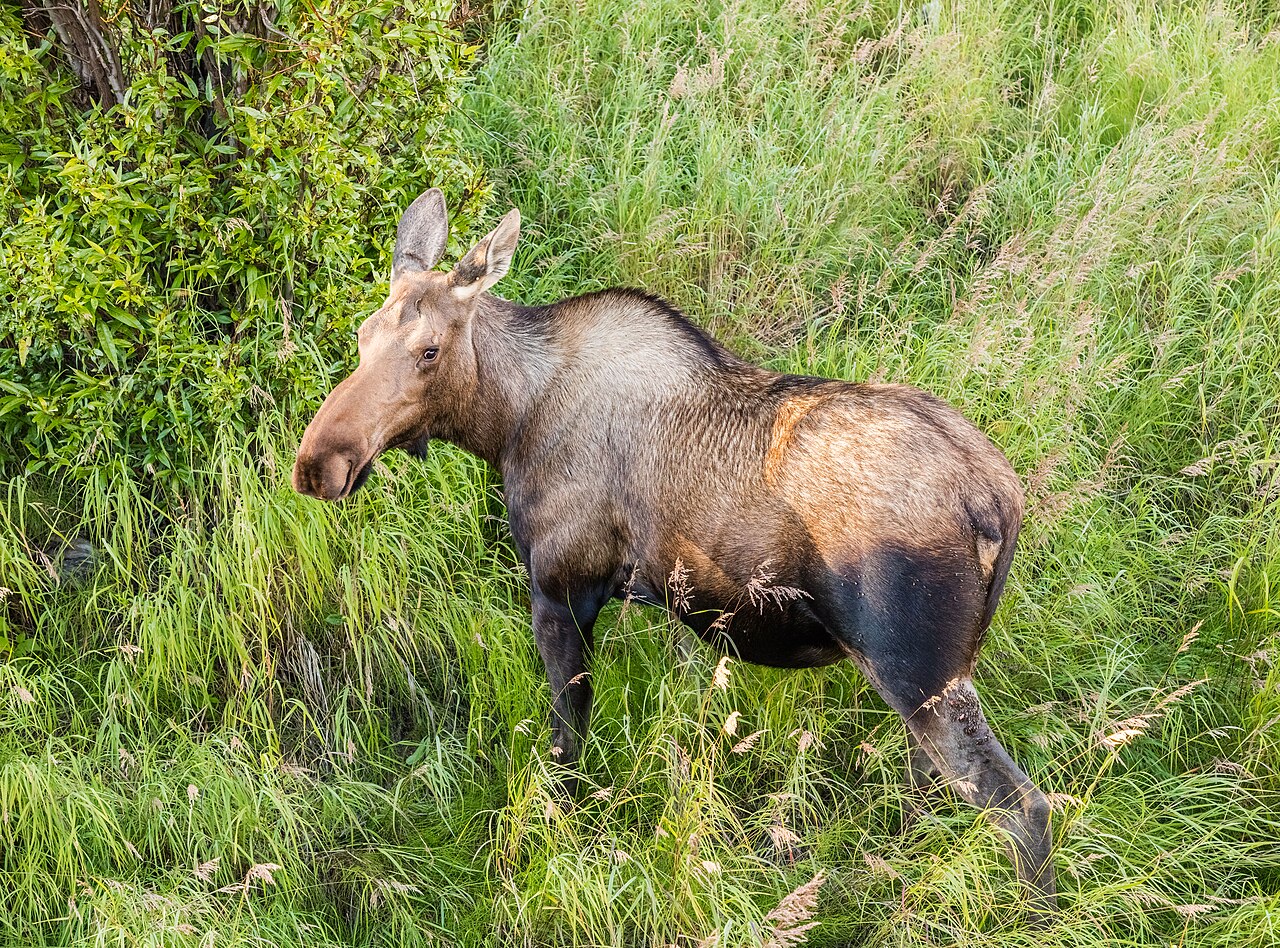
Arctic Moose Follow the River Valleys
GPS tracking in Alaska showed that half of 24 female moose migrated between summer and winter ranges. Migrants…
Read story →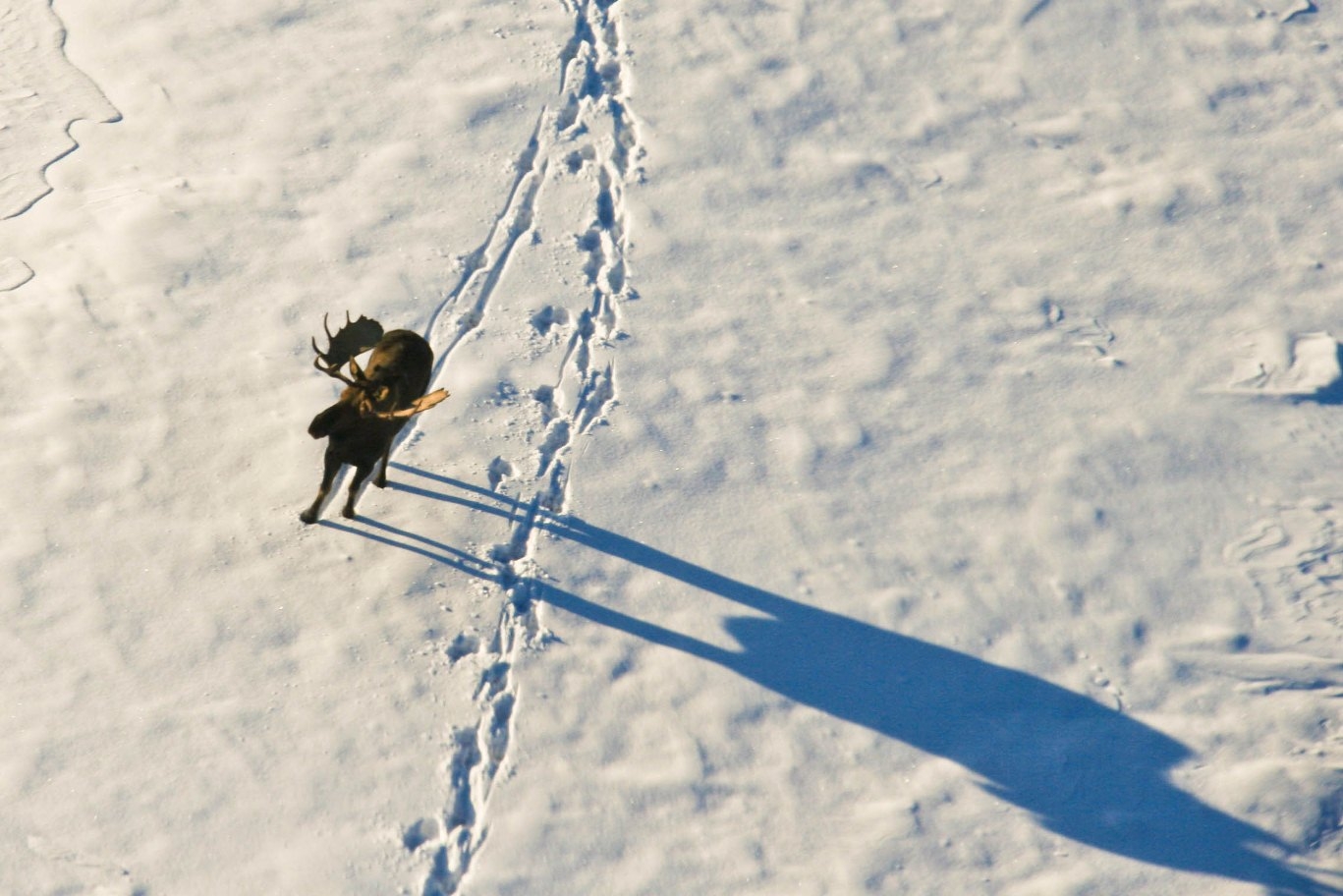
Thermal Drones Found Nearly All Moose in Favourable Winter Weather
Swedish trials found detection close to 100% in cold, overcast winter conditions, but the survey effort needed for…
Read story →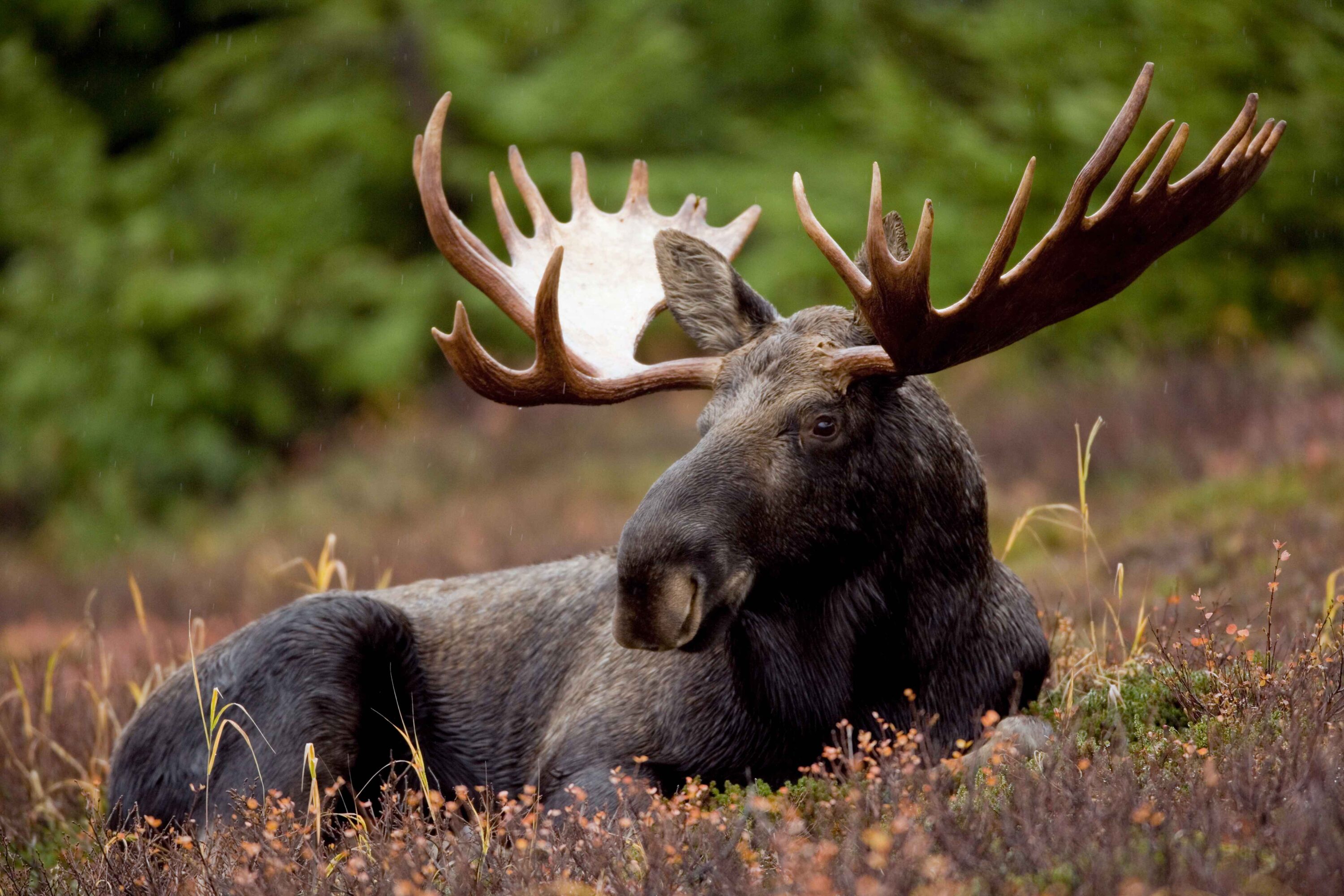
Even Adirondack Park’s Densest Moose Area Was Too Sparse for Precise Aerial Estimates
Helicopter surveys estimated about 92 moose in the Adirondack core in 2024 and 112 in 2025, but broad…
Read story →SPECIES IN THIS STORY
Species in this story
Independent research and conservation news archive
Did you find this information useful?
Wildlife Vagabond is independently built and maintained. Voluntary support helps cover source verification, hosting and continued work on research and conservation news.
Support Wildlife VagabondThe news archive will remain freely available.