
Hydrogen Isotopes Set Nominate Common Chiffchaffs Apart from Two Other Leaf-Warblers
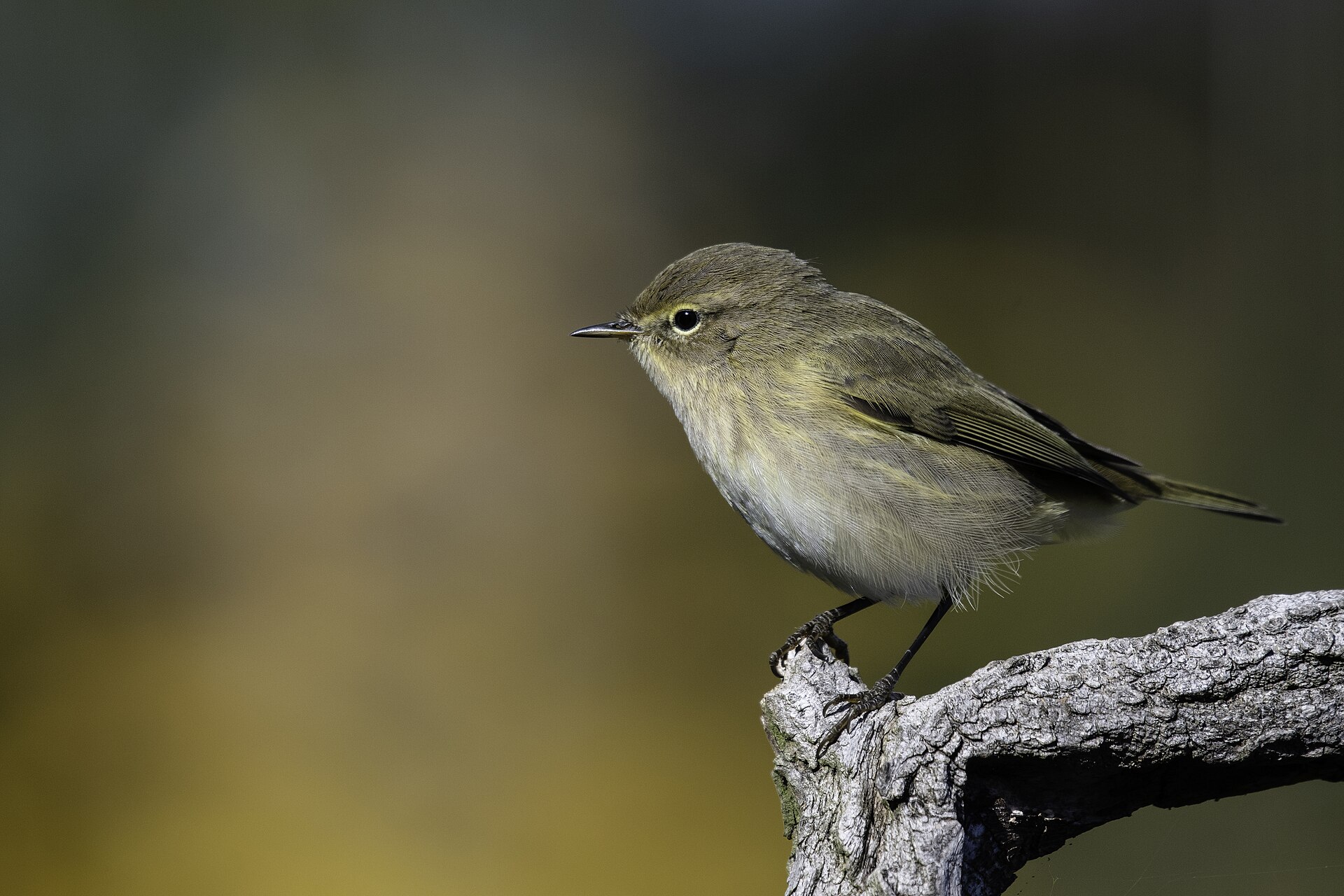
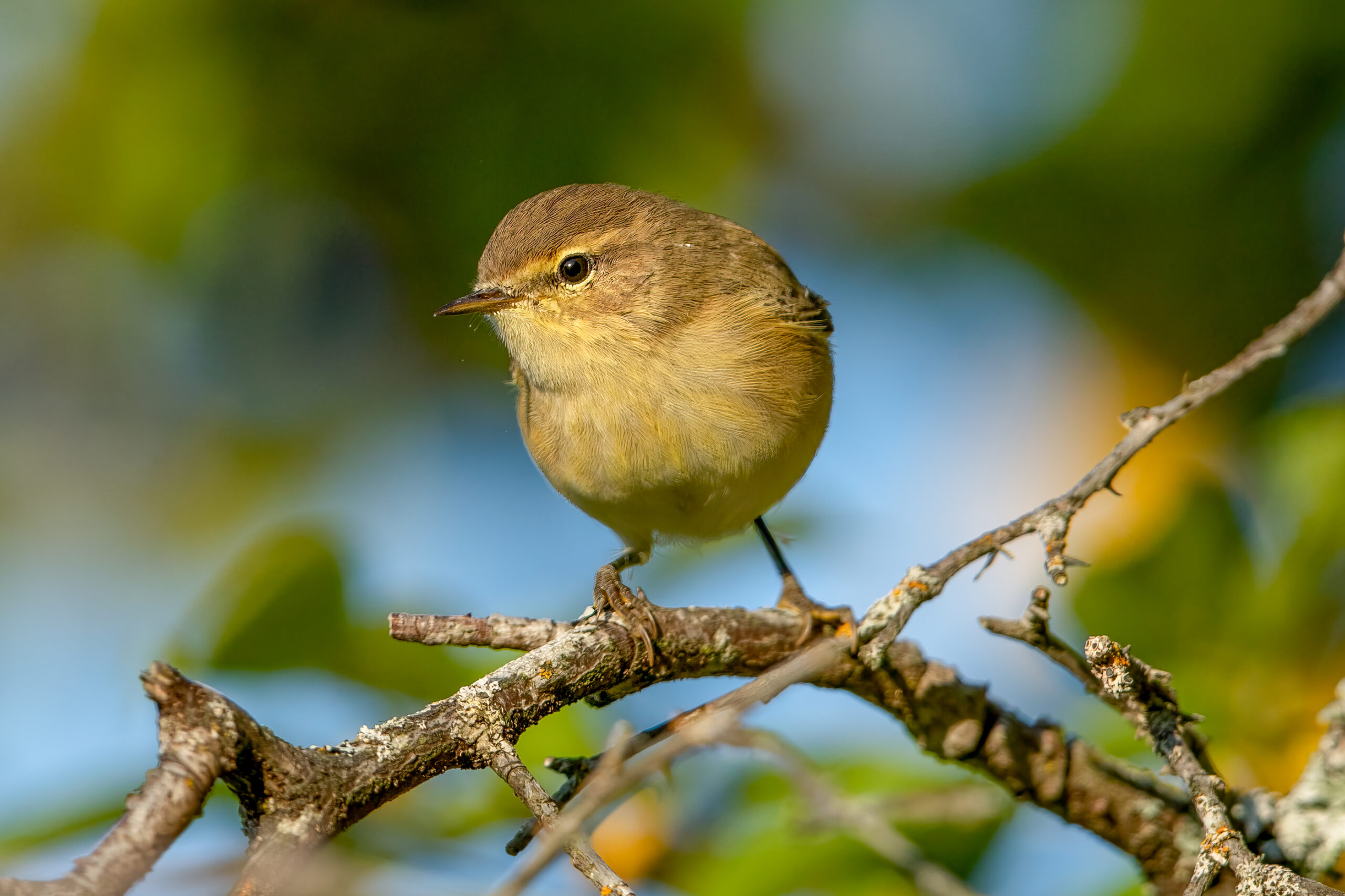
Where do leaf-warblers passing through Britain come from, and do different groups show the same broad geographic patterns? Researchers compared hydrogen-isotope values in three groups occurring there during post-breeding migration: nominate Common Chiffchaffs (Phylloscopus collybita), Siberian Chiffchaffs (Phylloscopus collybita tristis) and Yellow-browed Warblers (Phylloscopus inornatus). The nominate form is the subspecies that shares its name with the species.
Hydrogen occurs as stable isotopes—forms of the element with different masses. Their relative proportions vary predictably across broad regions, and isotopic signatures are carried into birds’ tissues through water and food. Comparing isotope values can therefore offer broad clues to where birds may have come from, but it cannot pinpoint an individual’s exact origin or migration route.
Common Chiffchaffs stood apart
Nominate Common Chiffchaffs had significantly higher hydrogen-isotope values than either Siberian Chiffchaffs or Yellow-browed Warblers. The reported values did not overlap between the nominate form and either of the other groups. The researchers interpret this as evidence of broad geographic structuring among nominate Common Chiffchaffs passing through Britain: their likely origins were not distributed in the same way as those of the other groups.
The comparison between Siberian Chiffchaffs and Yellow-browed Warblers showed a different pattern. The researchers found no evidence of a difference in their isotope values. They suggest that the two groups’ origins probably overlap substantially and are unlikely to be confined to the western edge of their ranges. Evidence for geographic structuring in these groups was weak, however, so this is a broad inference rather than a precise map of where the birds came from.
Wing length also varied with isotope values
Within nominate Common Chiffchaffs, longer wings were associated with lower hydrogen-isotope values. A similar relationship in Yellow-browed Warblers had only weak support, while the researchers found no relationship between wing length and isotope values in Siberian Chiffchaffs. Wing length and isotope patterns therefore did not show one shared relationship across all three groups.
Birds passing through the same place during migration need not have come from the same broad geographic areas. The study found a clear contrast for nominate Common Chiffchaffs, but weaker evidence of geographic structuring in Siberian Chiffchaffs and Yellow-browed Warblers. This difference matters when interpreting migratory connectivity: a pattern found in one group cannot simply be assumed to apply to other birds passing through the same region.
Ecology
Related news
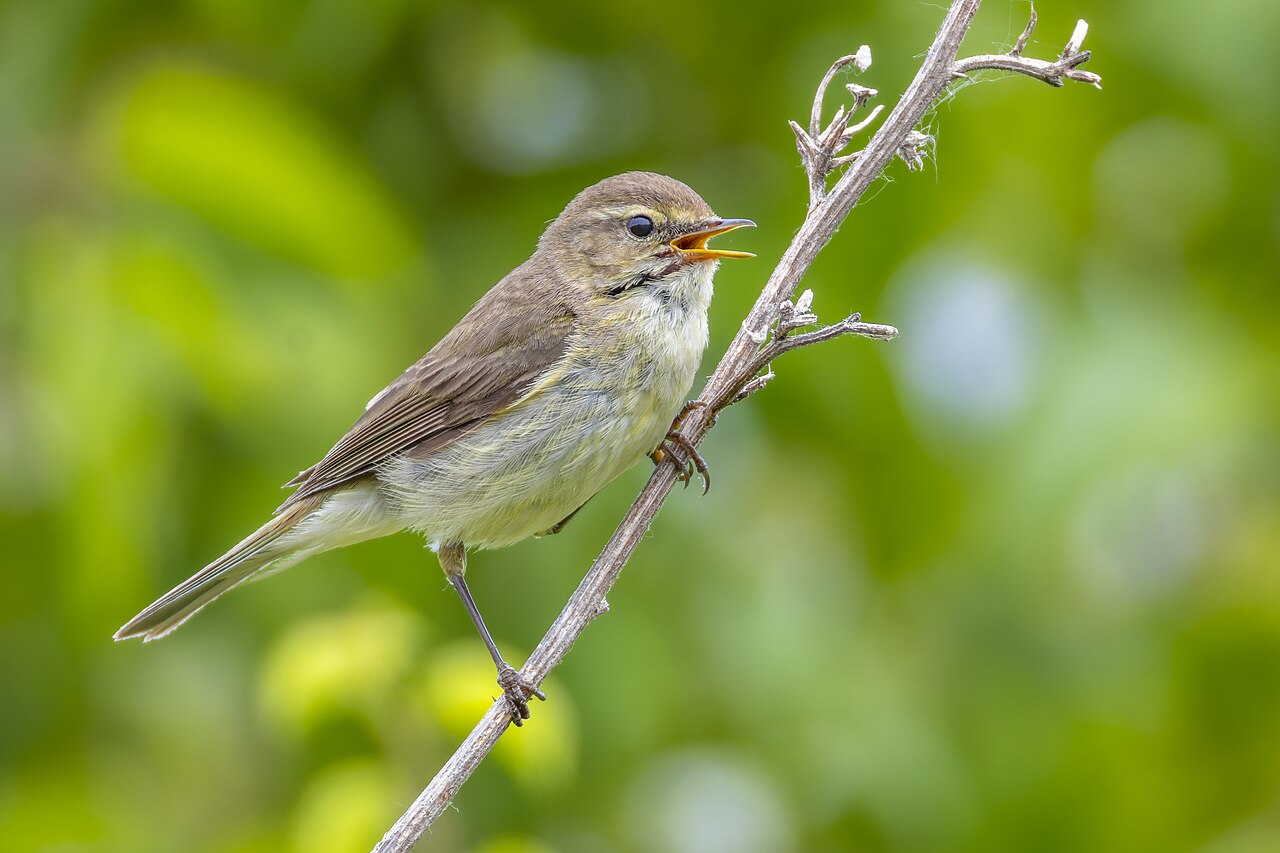
Chiffchaff Subspecies Followed Different Migration Routes and Diverged Most Strongly at MARB
Tracking and genomic data from Baltic-region common chiffchaffs showed contrasting southwest and southeast migration routes, while the strongest…
Read story →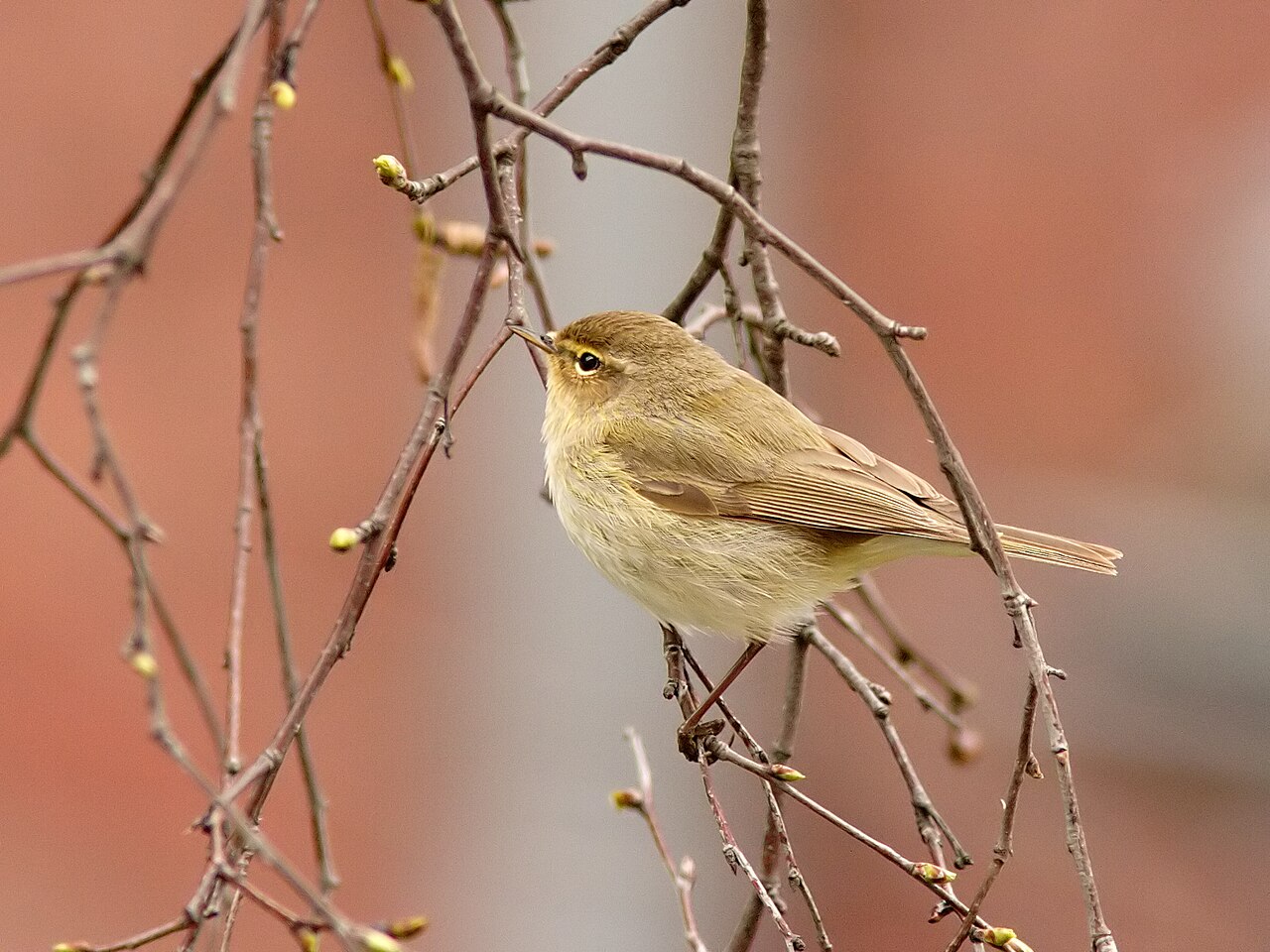
More Urbanised Streams Had Fewer Insectivorous Bird Species Across Five European Cities
Across 102 urban streams in five cities in Portugal, France, Italy, Belgium and Norway, insectivorous bird richness was…
Read story →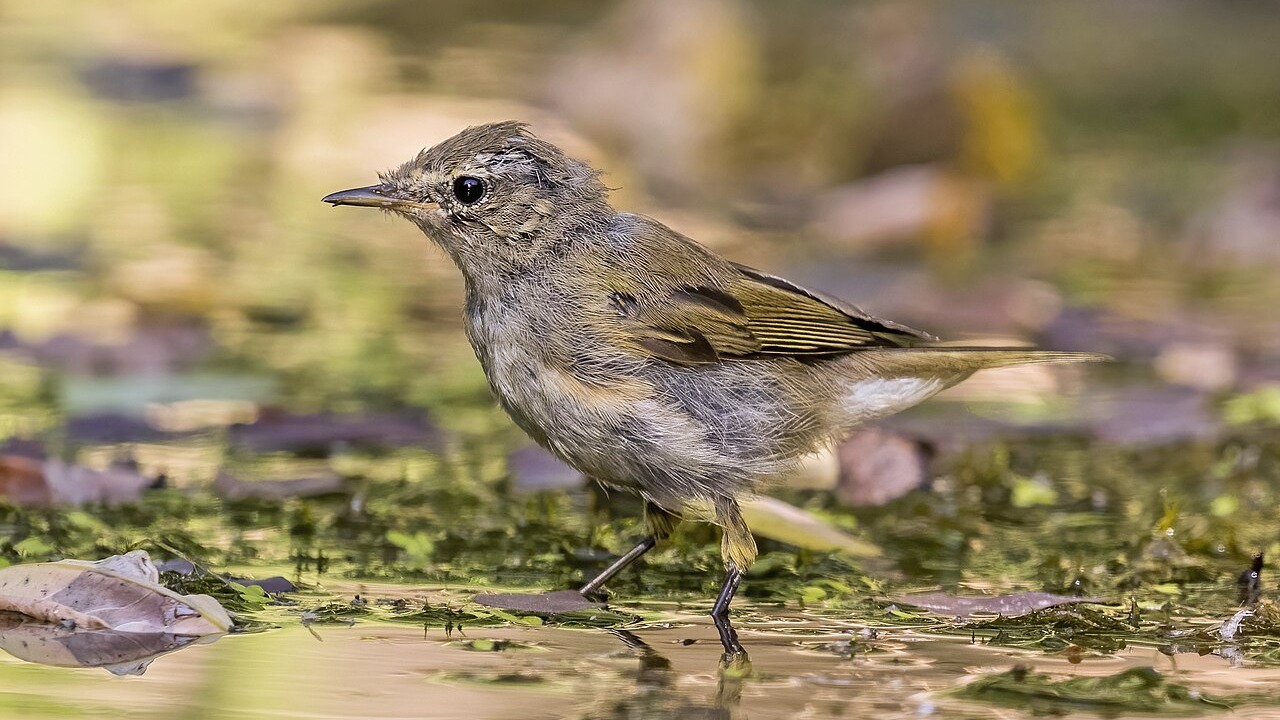
Lista Ringed a Record 94 Common Chiffchaffs in Spring 2026
Lista Bird Observatory ringed 94 common chiffchaffs in spring 2026, 117% above its long-term spring average and the…
Read story →SPECIES IN THIS STORY
Species in this story
Independent research and conservation news archive
Did you find this information useful?
Wildlife Vagabond is independently built and maintained. Voluntary support helps cover source verification, hosting and continued work on research and conservation news.
Support Wildlife VagabondThe news archive will remain freely available.