
Chiffchaff Subspecies Followed Different Migration Routes and Diverged Most Strongly at MARB
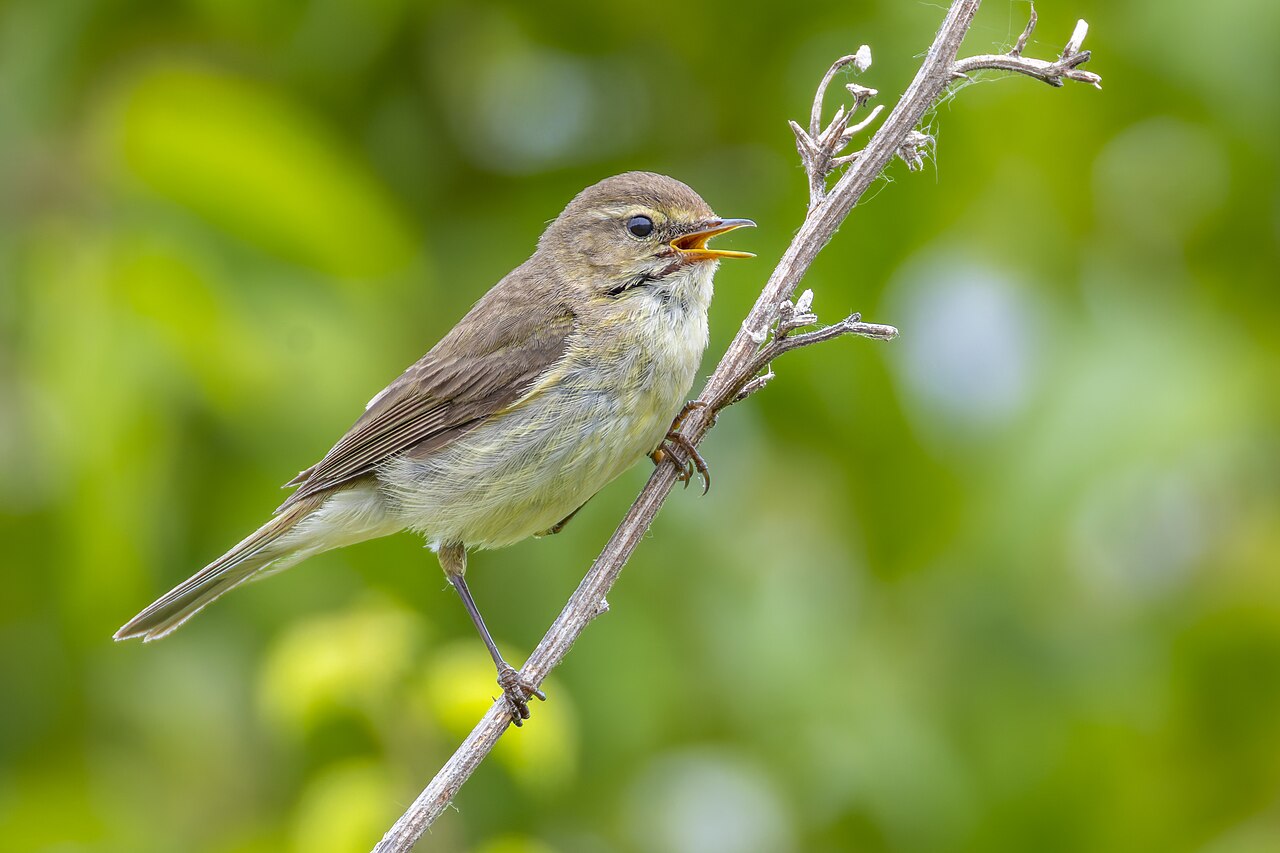
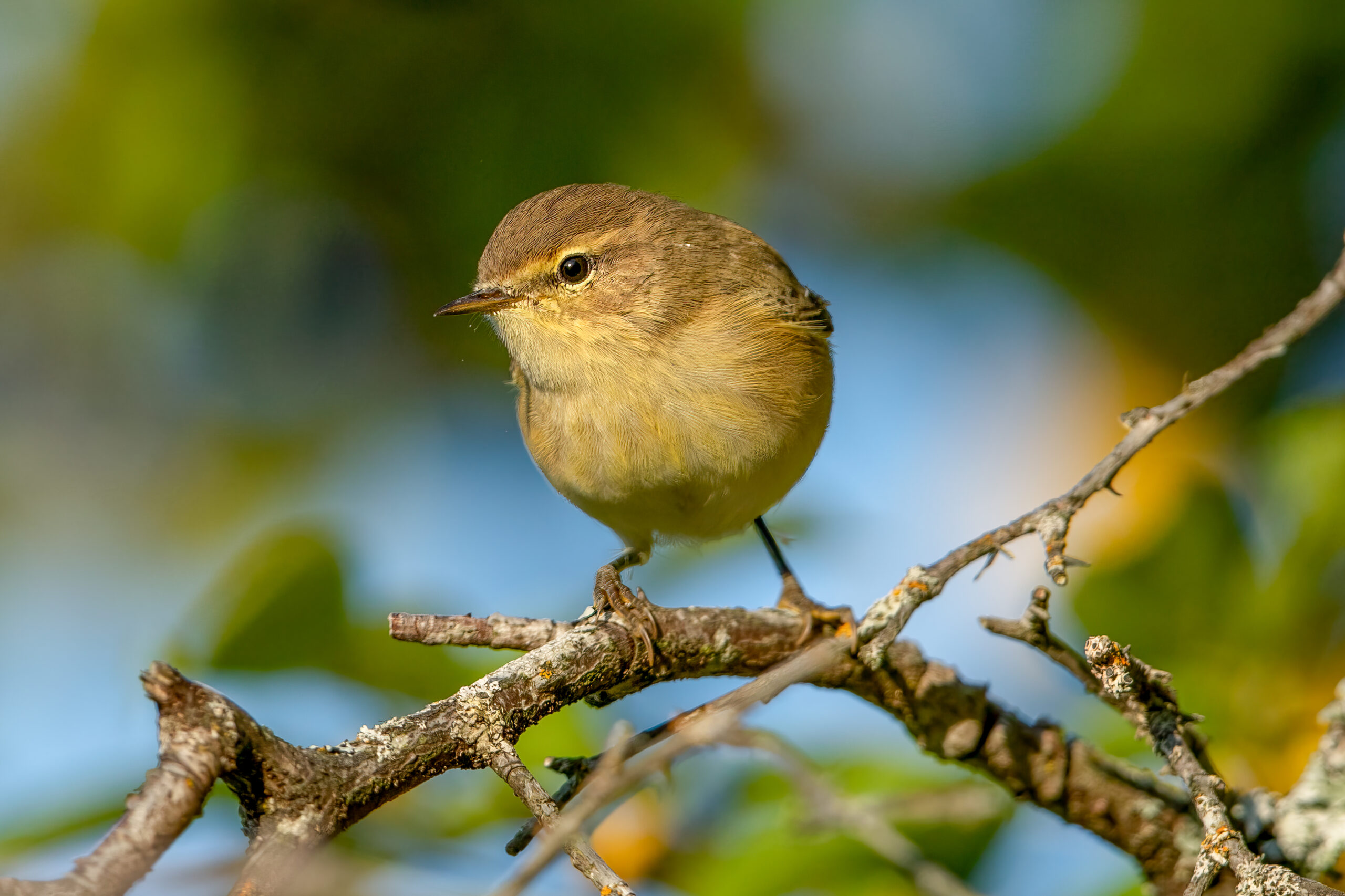
Two subspecies of common chiffchaff (Phylloscopus collybita) around the Baltic Sea follow contrasting migration routes and show their strongest genomic differentiation in a repeat-rich region known as MARB, short for Migration Associated Repeat Block. The study, published on 9 July 2026, combined geolocator tracking, mitochondrial genotyping and whole-genome resequencing to examine how migration and genetic divergence are related in P. c. collybita and P. c. abietinus.
Light-level geolocators, which record day–night patterns that can be used to estimate a bird’s broad position during migration, were deployed on adult males in Sweden and Lithuania. Five usable tracks were recovered. Birds of the western collybita form migrated southwest and wintered on the Iberian Peninsula, whereas all three tracked abietinus reached East Africa near the Horn of Africa after taking a southeasterly route across the Mediterranean.
Two contact zones around the Baltic
The researchers also genotyped 196 chiffchaffs from populations around the Baltic Sea. The data confirmed contact zones between the two subspecies in south-central Sweden and in Poland. Despite their different migration directions, the two forms showed very low genome-wide differentiation, consistent with a relatively recent divergence and continued gene flow.
Demographic modelling placed the beginning of their divergence at roughly 100,000 years ago. Most of the strongest differentiation occurred on the Z chromosome and in MARB, while the autosomes were otherwise highly similar.
The same genomic region stands out in willow warblers
MARB is particularly notable because it is the only genomic region that stands out strongly in both migratory contrasts: between these chiffchaff subspecies and between willow warbler (Phylloscopus trochilus) subspecies that follow contrasting southwest and southeast routes. The authors therefore raise the possibility that MARB contributes to differences in migratory orientation in both species.
They do not conclude that MARB has been proven to control migration. The region contains many repetitive sequences and is difficult to resolve with short-read sequencing, so its detailed structure and variation remain uncertain. The precise mechanism linking MARB to migratory behaviour is still unknown.
The study shows that marked differences in migration can occur even between populations with little overall genomic differentiation. Finding the same unusual genomic region associated with migratory divides in both common chiffchaffs and willow warblers gives researchers a specific target for future work on how inherited migration programmes evolve.
Genetics & genomics
Related news
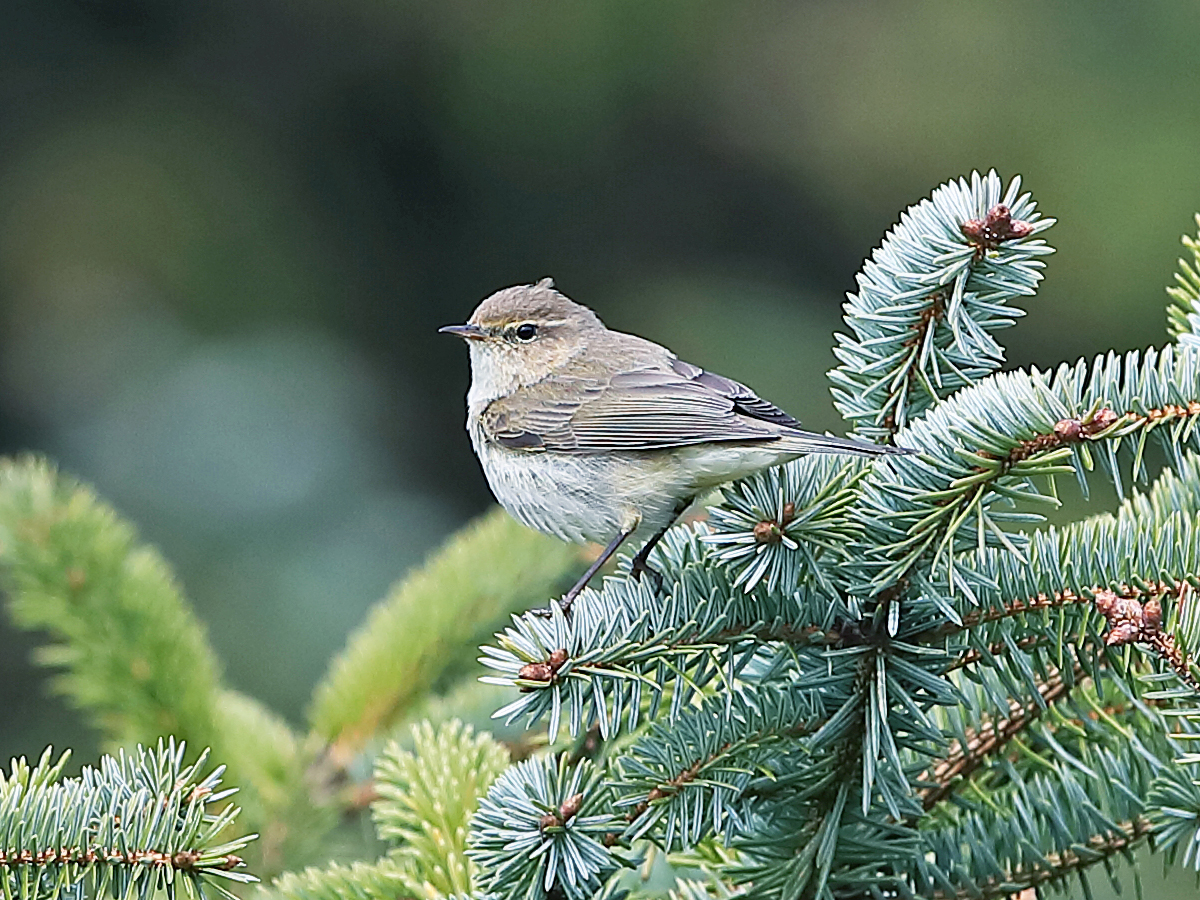
28 Acoustic Stations Tracked Spring Arrival of Three Migratory Songbirds Across Norway
A nationwide passive acoustic network collected 37,429 hours of audio and mapped the spring arrival of common chiffchaffs,…
Read story →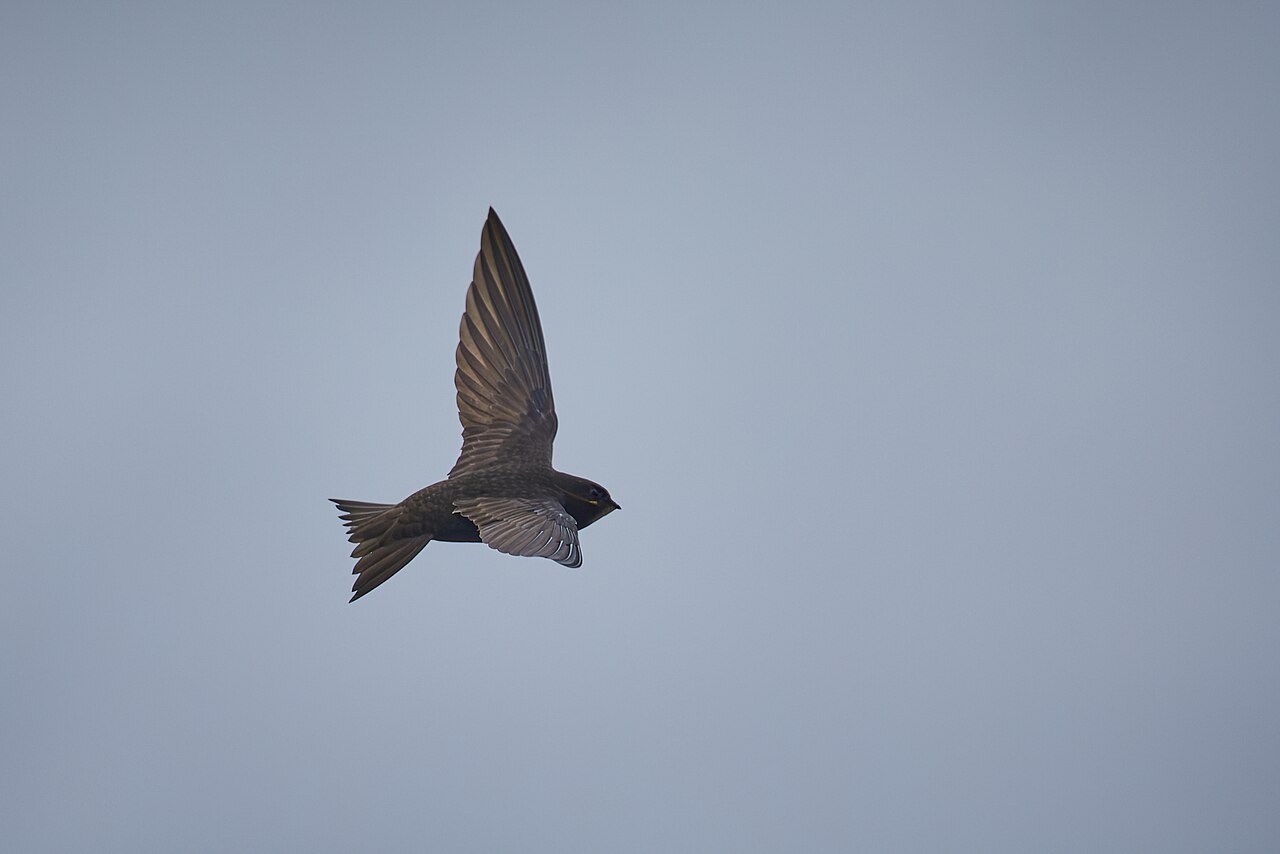
UK Breeding Bird Survey: Swift Index Fell 70% as Scotland’s Chiffchaff Index Rose 1,443%
The 2025 UK Breeding Bird Survey revealed steep long-term declines, major regional divergences and some striking increases, including…
Read story →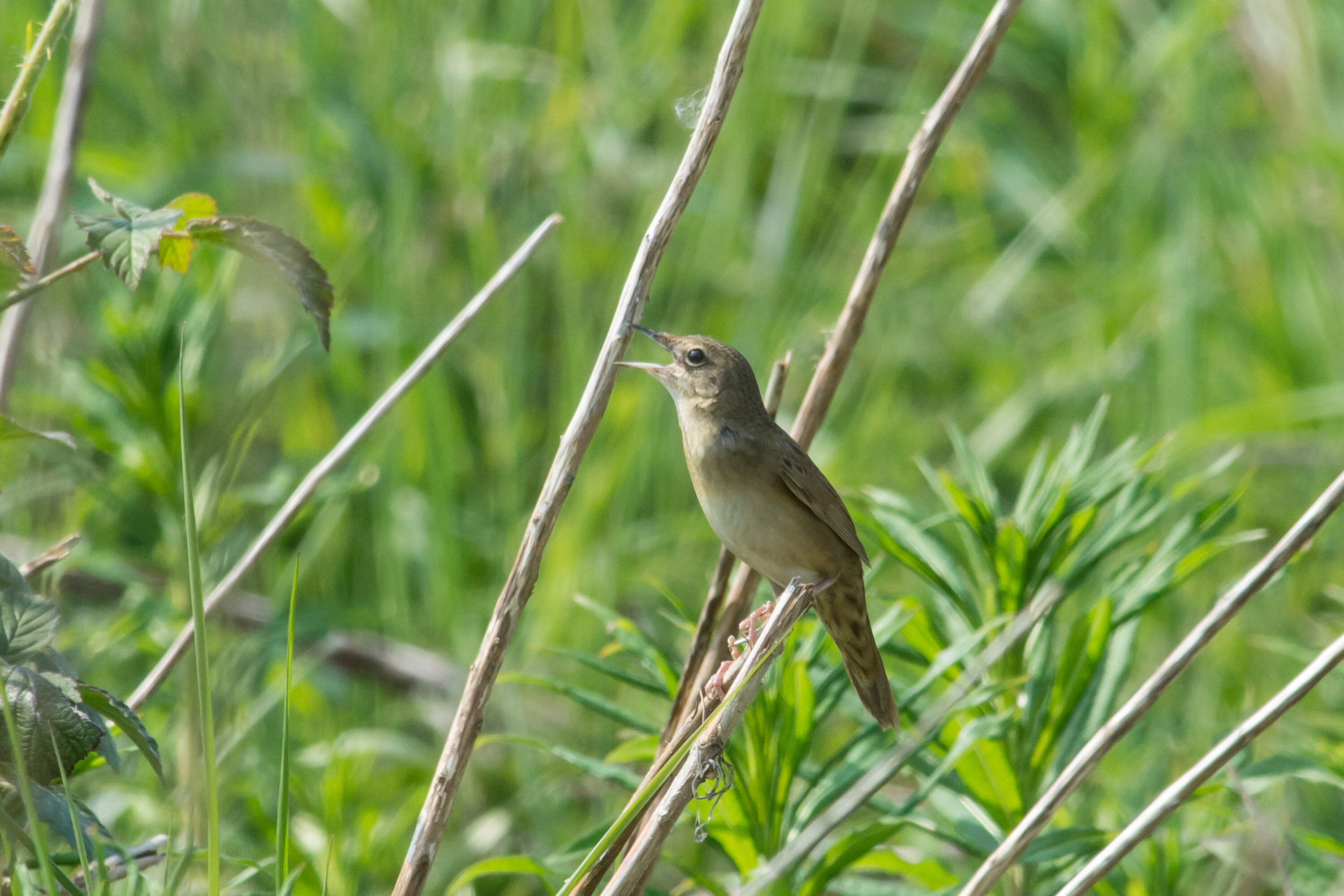
Common Grasshopper Warblers and Eurasian Tree Sparrows Declined Sharply at a Portuguese Ringing Station
A 27-year Portuguese ringing study found declines in all five long-distance migrants; common grasshopper warblers now barely occur…
Read story →SPECIES IN THIS STORY
Species in this story

Independent research and conservation news archive
Did you find this information useful?
Wildlife Vagabond is independently built and maintained. Voluntary support helps cover source verification, hosting and continued work on research and conservation news.
Support Wildlife VagabondThe news archive will remain freely available.