
Little Heron Index Showed Clear Long-term Decline, While Recent Trend Remained Unclear
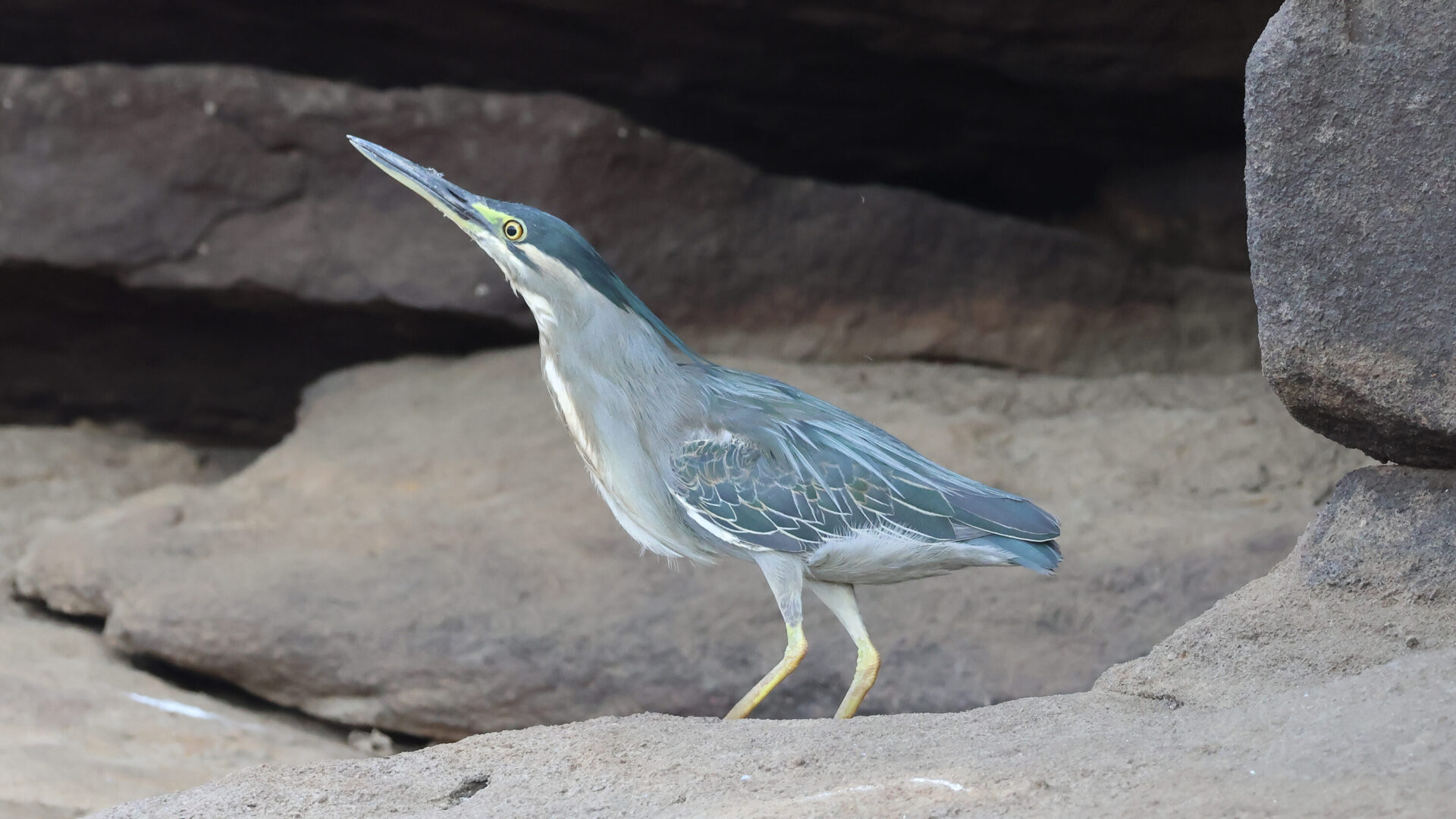
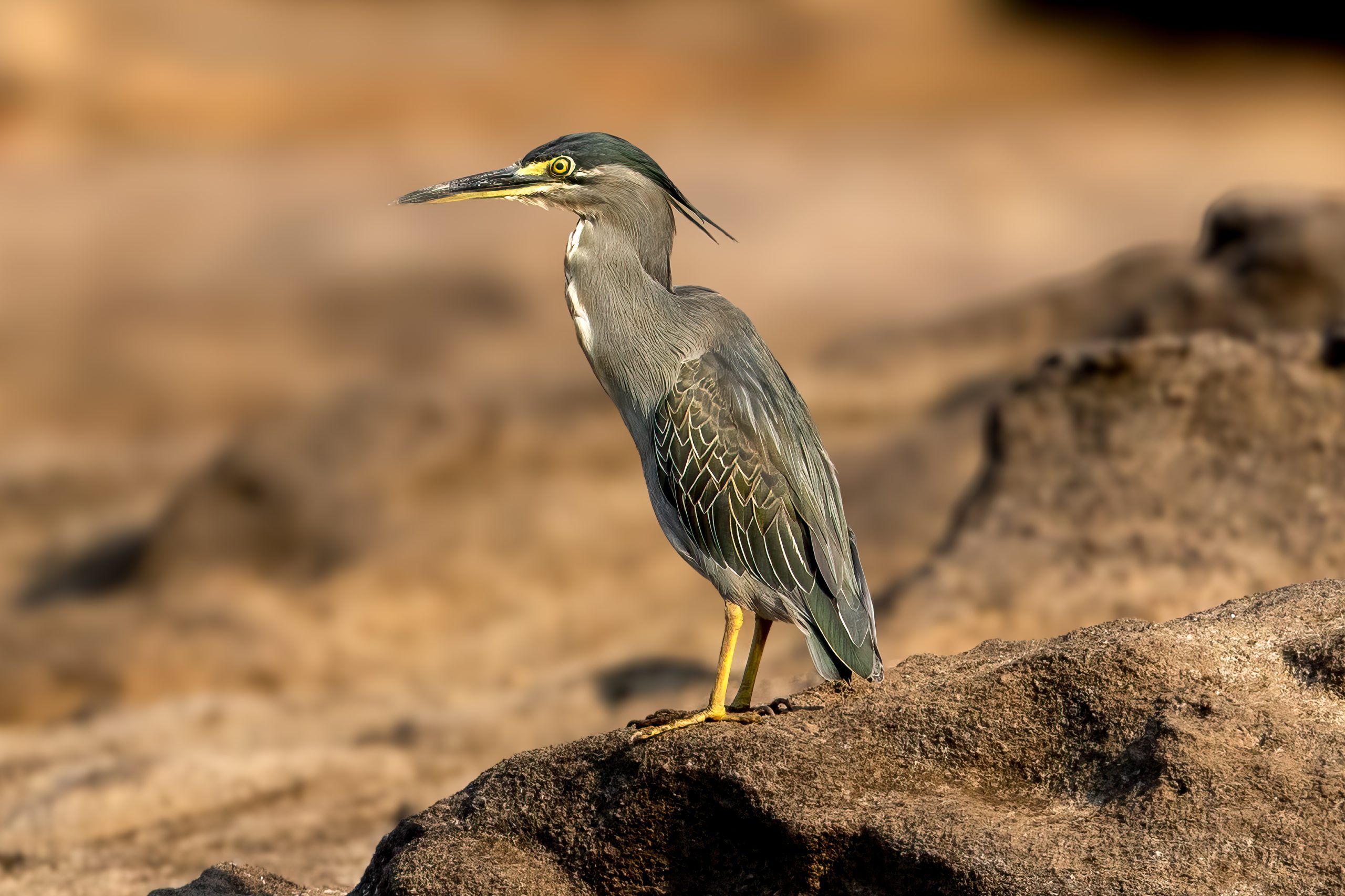
The 2025 interim update from State of India’s Birds reported revised national numerical estimates for the Indian population now treated as little heron (Butorides atricapilla). The numerical update was released on 6 May 2026. The source page still uses the former name Striated Heron (Butorides striata) because the assessment predates the recent taxonomic split.
The long-term numerical trend was estimated at −37.9% and clearly supported a long-term decline. The current annual estimate was −0.53% per year, but its uncertainty was too broad to establish a clear recent increase or decline. The species page still displays the carried-over 2023 categories Decline for the long-term trend and Trend Inconclusive for the current annual trend; these labels were not recalculated from the 2025 numerical estimates.
The updated model estimated an Indian distribution range of 1,187,727 km². State of India’s Birds describes the population as resident, wetland-specialised and non-endemic to India, and retains it in the Moderate conservation-priority category.
The 2025 numerical trends describe change in a reporting-based abundance index rather than direct counts of individual birds.
A global Butorides phylogeny published in March 2026 supported treating the Old World populations formerly included in the broad B. striata complex as little heron B. atricapilla. The Indian State of India’s Birds figures therefore refer to the Old World population now treated as Little Heron, even though the source page retains the older scientific and English names.
Population & status
Related news

African Buffalo Herds Concentrated in Wetlands and Forest During Gambella's Dry Season
A two-year study in Ethiopia's Gambella National Park found similar but uncertain buffalo abundance estimates in 2022 and…
Read story →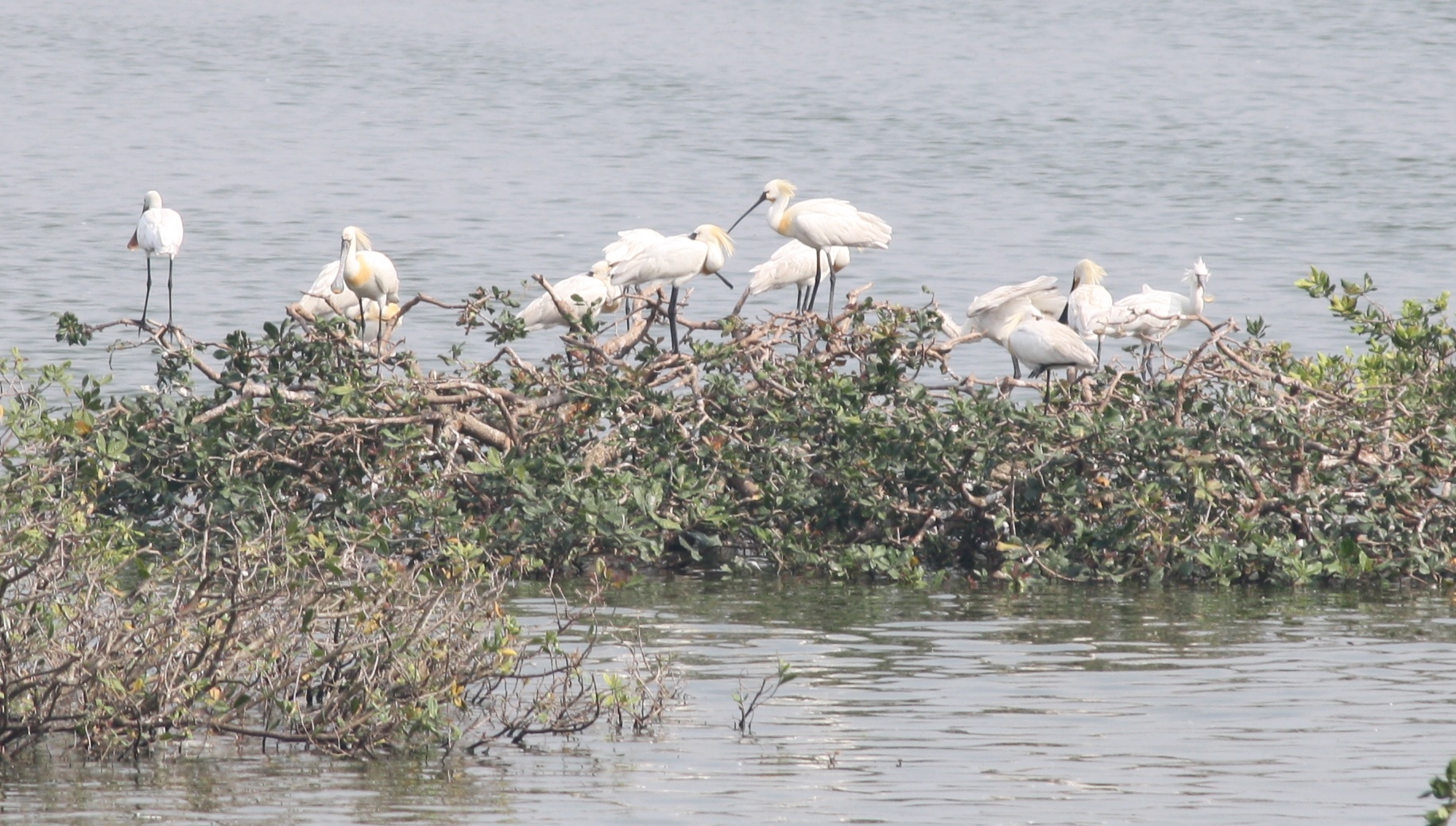
Therthangal Spoonbill Colony Returned to 12 Active Nests After Complete Breeding Failure
Six breeding seasons at Therthangal Bird Sanctuary in Tamil Nadu ranged from 12 active Eurasian Spoonbill nests in…
Read story →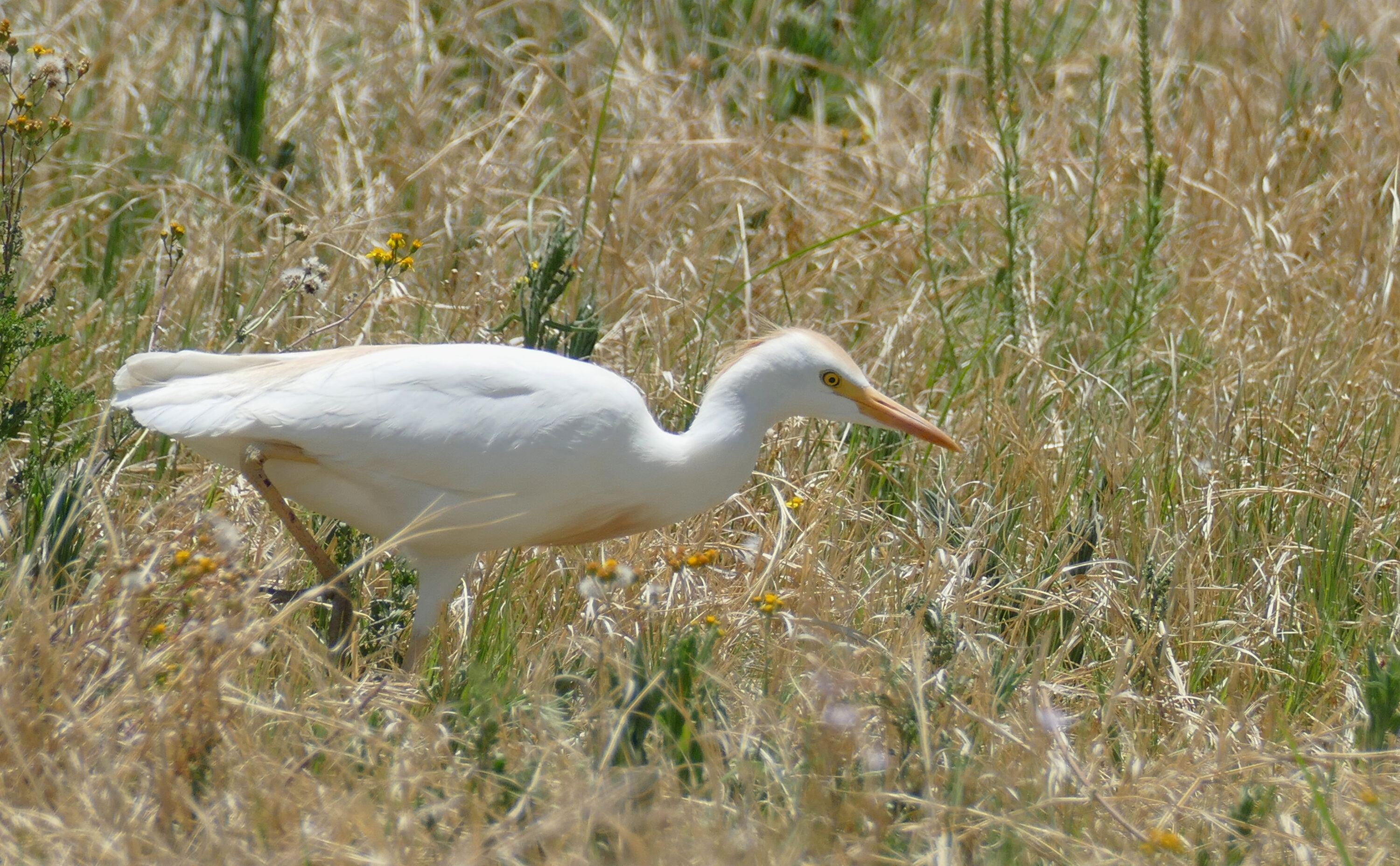
Cattle Egret Reporting Rate Rose From 0.38 to 0.60 in Southern African Atlas Data
A systematic review of 173 studies found generally stable or increasing cattle egret populations in the better-studied parts…
Read story →SPECIES IN THIS STORY
Species in this story
Independent research and conservation news archive
Did you find this information useful?
Wildlife Vagabond is independently built and maintained. Voluntary support helps cover source verification, hosting and continued work on research and conservation news.
Support Wildlife VagabondThe news archive will remain freely available.