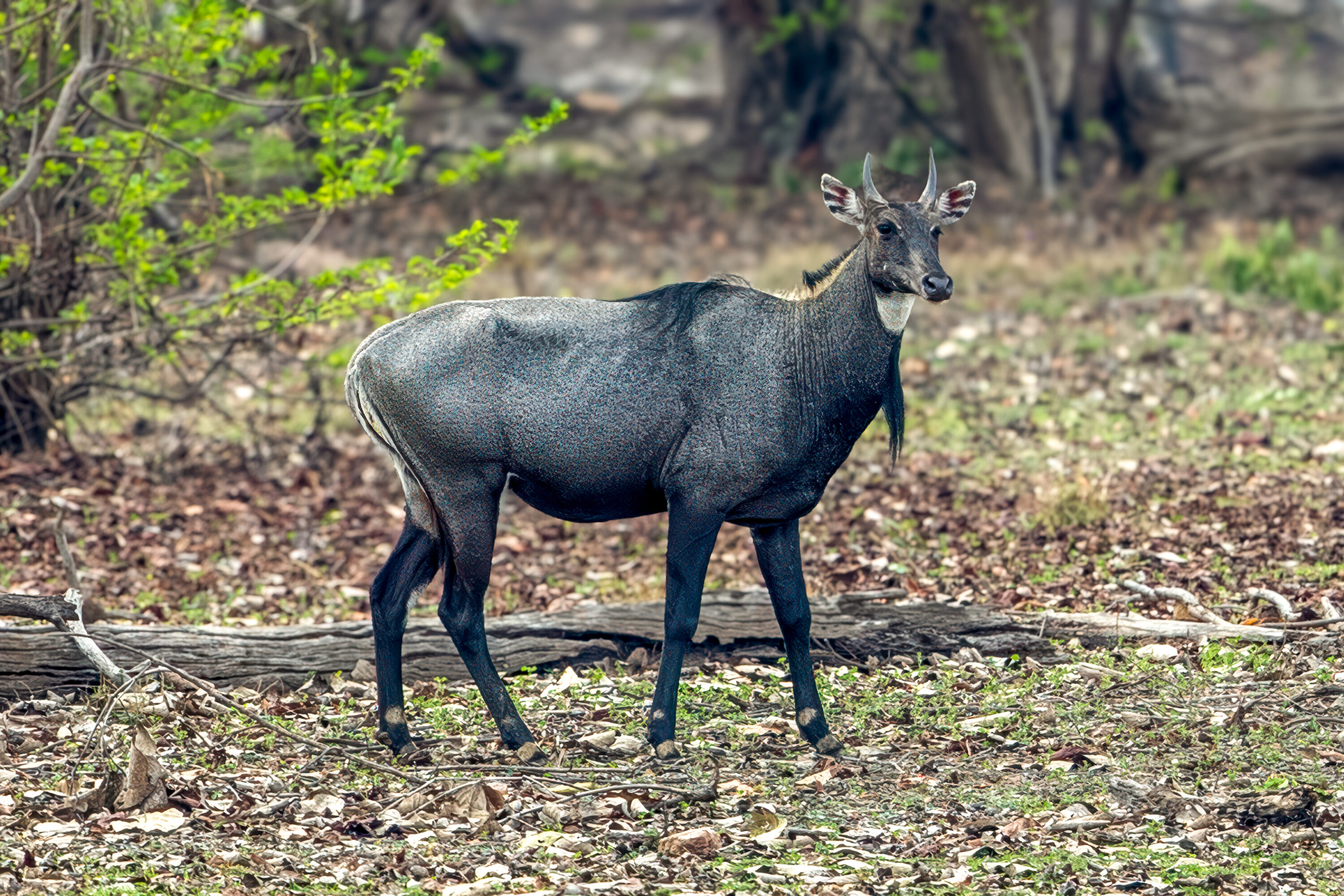
Nilgai Crop Damage Varies Sharply Across India, With Local Yield Losses Up to 58%
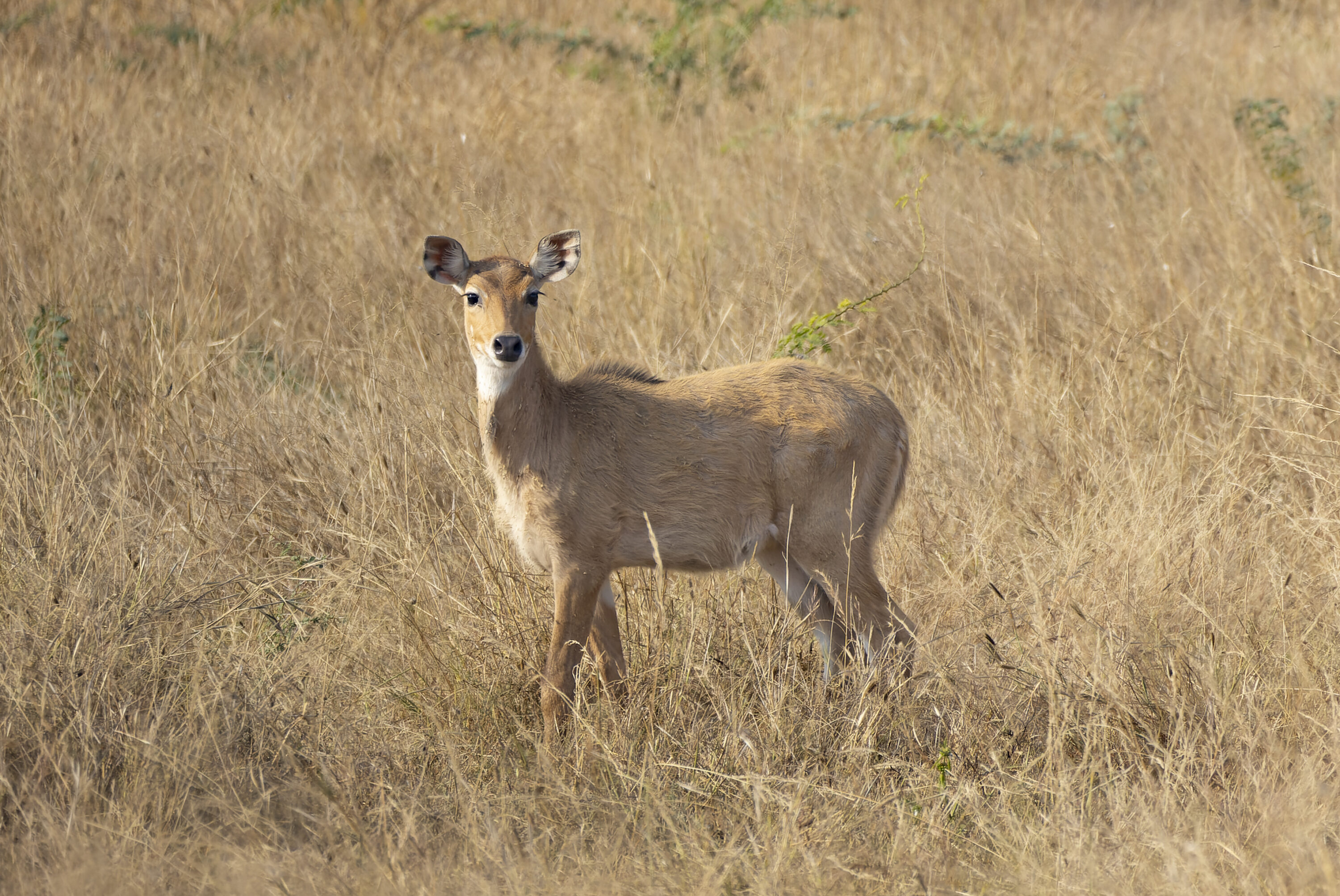
A 2026 review of human–nilgai conflict in India found that crop damage varies sharply between regions, crops and studies. Some older work from Haryana reported yield losses of up to 58% in wheat and chickpea, but that figure is a local result rather than a national average.
The review brings together scientific studies and government or institutional reports rather than presenting a new national field survey. The sources use different measures of damage, so percentages for crop damage, yield loss and damage under different nilgai densities are not directly interchangeable.
Farms provide food and water in heavily modified landscapes
Nilgai (Boselaphus tragocamelus) are native large herbivores of the Indian subcontinent. The review places much of the conflict in northern and central India, where habitat degradation and agricultural expansion have brought the animals into increasingly human-dominated landscapes. Crops and water can provide predictable resources, especially where natural forage and water are limited.
The scale of the issue differs greatly among states. The review cites earlier estimates of about 295,000 nilgai in Bihar and 254,000 in Uttar Pradesh, but these are background figures compiled from earlier sources rather than populations newly counted for the 2026 paper.
Damage depends on both crop and place
The review describes damage to cereals, pulses, oilseeds, sugarcane, fruit and vegetables. In the Haryana studies, measured yield losses ranged from below 10% for some crops to 58% for wheat and chickpea. Other figures in the review describe different kinds of crop damage and therefore should not be treated as the same measure of loss.
Feeding is not the only problem. Mustard, for example, was described as being eaten relatively little but still damaged by trampling. Farmers may also change crops, leave fields uncultivated or spend substantial time guarding fields, so the cost of conflict extends beyond the harvested crop itself.
No single deterrent works everywhere
The measures reviewed include barriers and trenches, electric fencing, repellents, lights and noise, guard dogs, community vigilance and shifts toward crops considered less attractive to nilgai. Each has practical limits: fencing can be costly, night guarding is labour-intensive and illegal high-voltage fencing creates risks for both wildlife and people.
The review also discusses sterilisation, translocation, regulated culling and habitat measures. The evidence, feasibility and social acceptance of these approaches vary widely, and the authors do not identify one method that can simply be applied across India.
The authors argue for locally combined solutions
The proposed framework, called Integrated Banbakri Pest Management, combines crop protection, community participation and compensation with better information on nilgai numbers, movements and local damage patterns. Regulated population management may also form part of the approach where authorities consider it necessary.
The central conclusion is therefore not that nilgai cause a fixed percentage of agricultural loss across India. It is that human–nilgai conflict differs strongly among places and crops, and that management needs to combine locally suitable measures rather than rely on a single deterrent.
Human–wildlife conflict
Related news
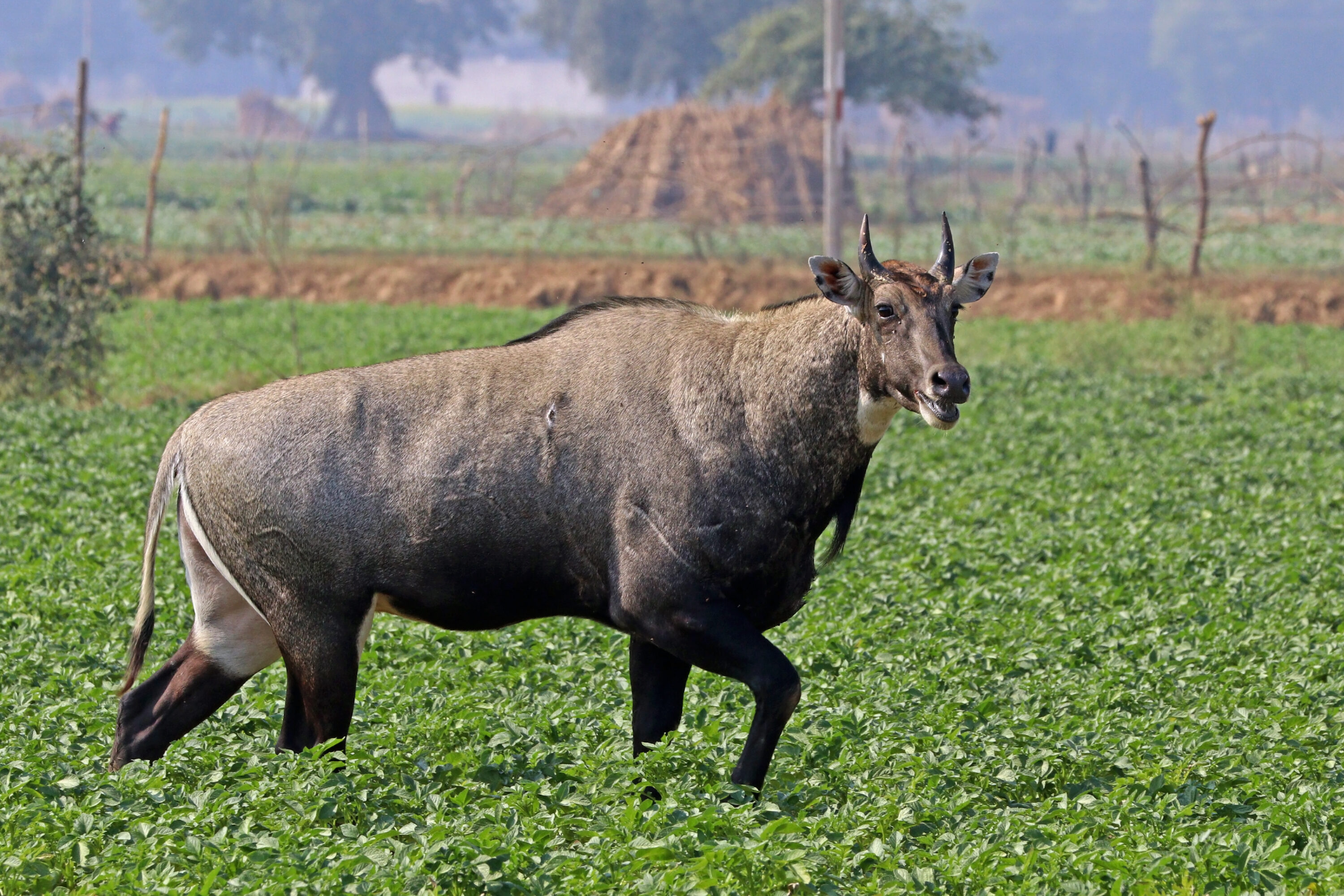
Farmer Survey Estimated Annual Nilgai Crop Destruction Near Junagadh at 63%
A farmer survey across eight villages near Junagadh estimated annual nilgai crop destruction at 63%, with groundnut particularly…
Read story →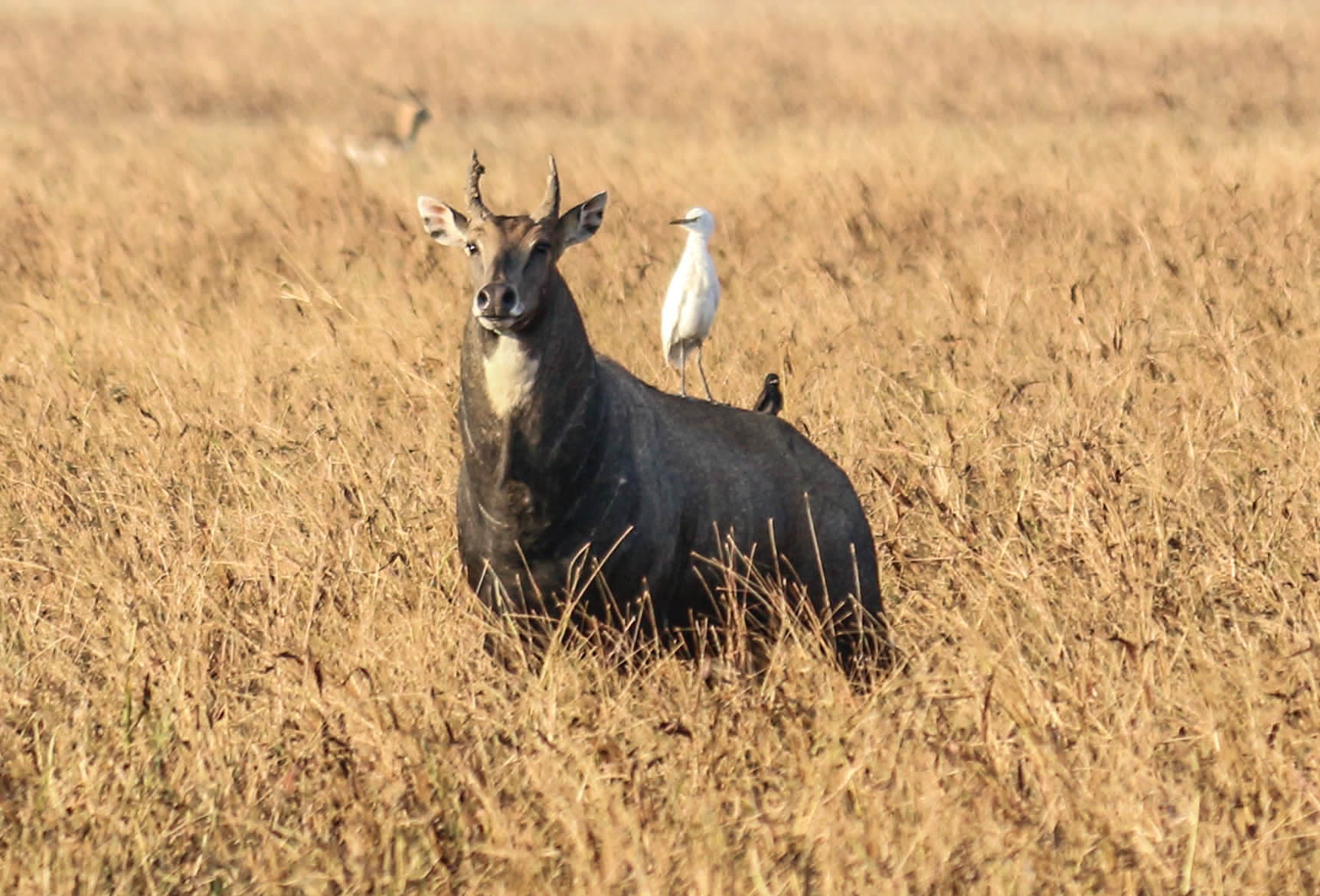
Nilgai in Kuno Selected Savanna Most Strongly at Night
A 2026 Wildlife Institute of India dissertation found that nilgai in Kuno National Park selected savanna especially at…
Read story →
Kawal’s Prey Base Could Support About 36–41 Tigers
Twelve years of prey monitoring in India’s Kawal Tiger Reserve found rising chital density and estimated that the…
Read story →SPECIES IN THIS STORY