
Indian Peafowl Usually Chose the Larger Number in Touchscreen Tests
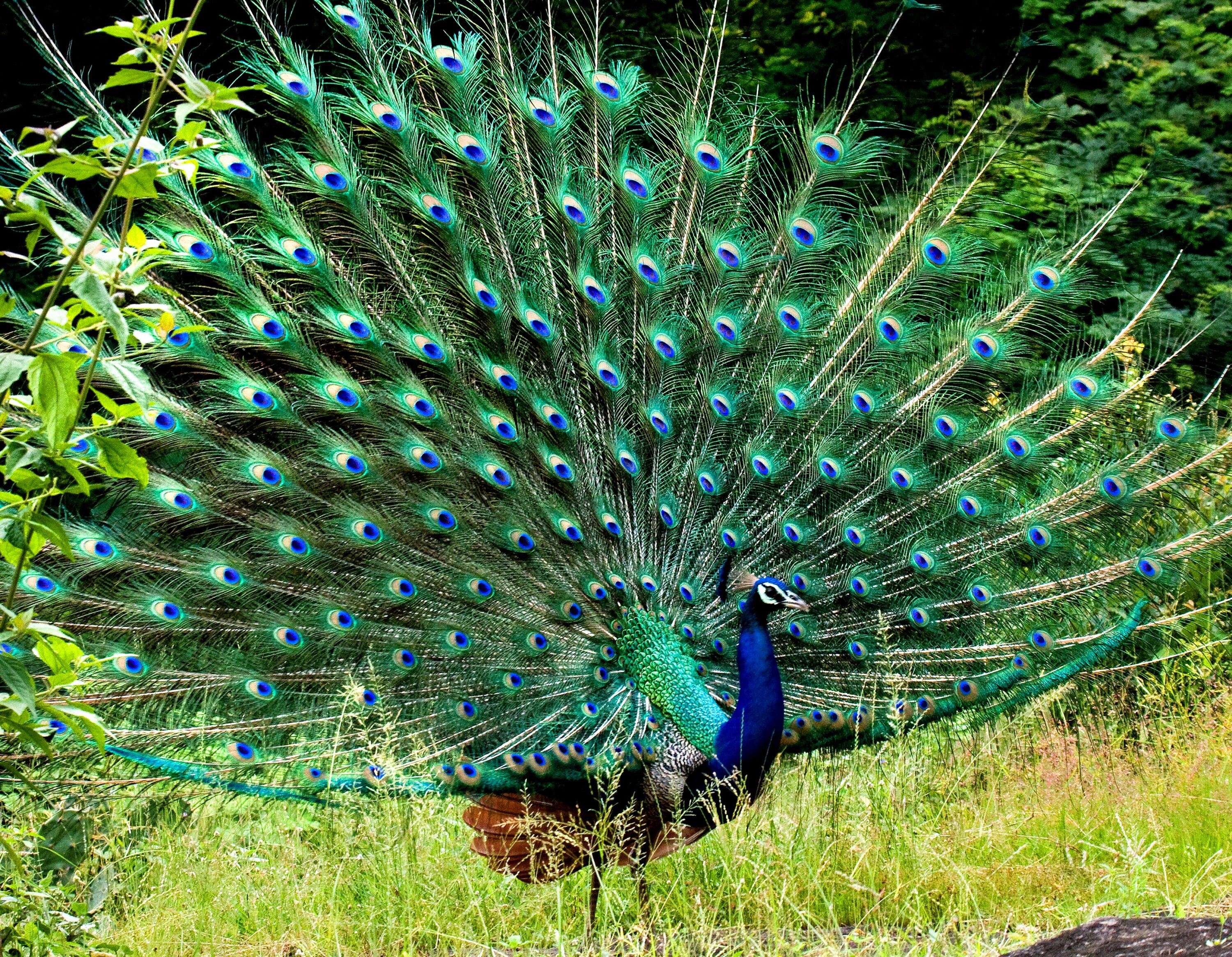
Indian peafowl (Pavo cristatus) generally chose the larger of two quantities in touchscreen experiments involving sets of one to eight circles. The study tested numerical discrimination — the ability to distinguish sets by how many items they contain — and performance was driven mainly by number itself rather than by other visual features such as circle size, density or total surface area.
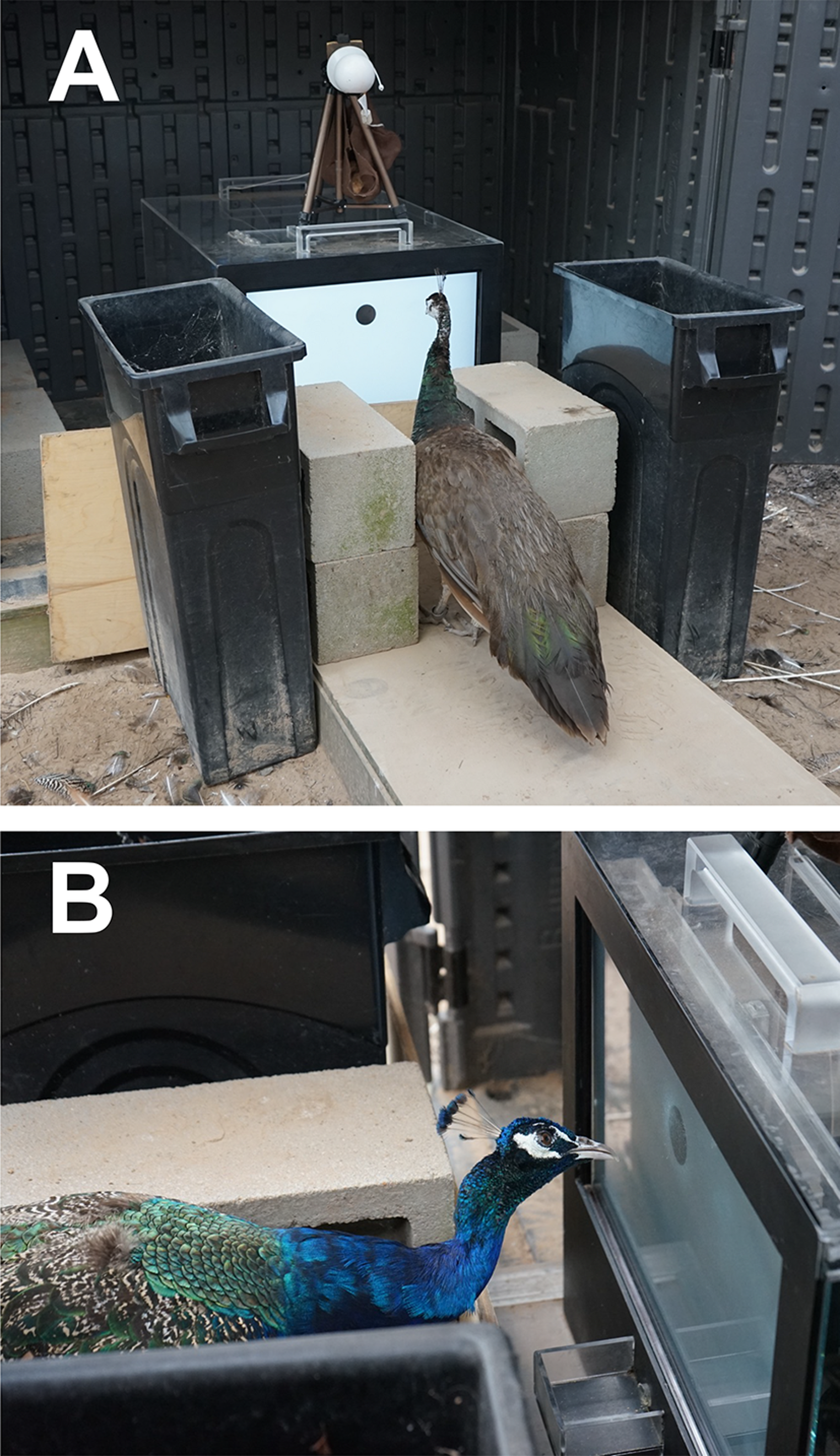
Eight adult birds – six females and two males – participated voluntarily in the experiments at Texas A&M University. The peafowl had originally been captured from feral populations in the United States and were housed in an outdoor aviary. Five birds completed all four experiments, and the subjects completed 81,167 trials in total.
Peafowl usually chose the larger quantity
The birds were rewarded for pecking the square containing more circles. Researchers then varied circle size, spacing and surface area to test whether the birds were responding to number itself or to correlated visual cues. The birds chose the larger quantity more often than expected by random choice in nearly all conditions. Accuracy was highest when other visual cues reinforced number — for example, when the side with more circles was also denser or had a larger total circle area. Accuracy fell when those cues pointed the opposite way, but the birds still generally chose the larger number. Matching total surface area between the two sides did not reduce performance. The two males also generally outperformed the six females when density and surface-area cues were varied, but the authors treat this sex difference as tentative because the sample contained so few males.
Proportional difference determined difficulty
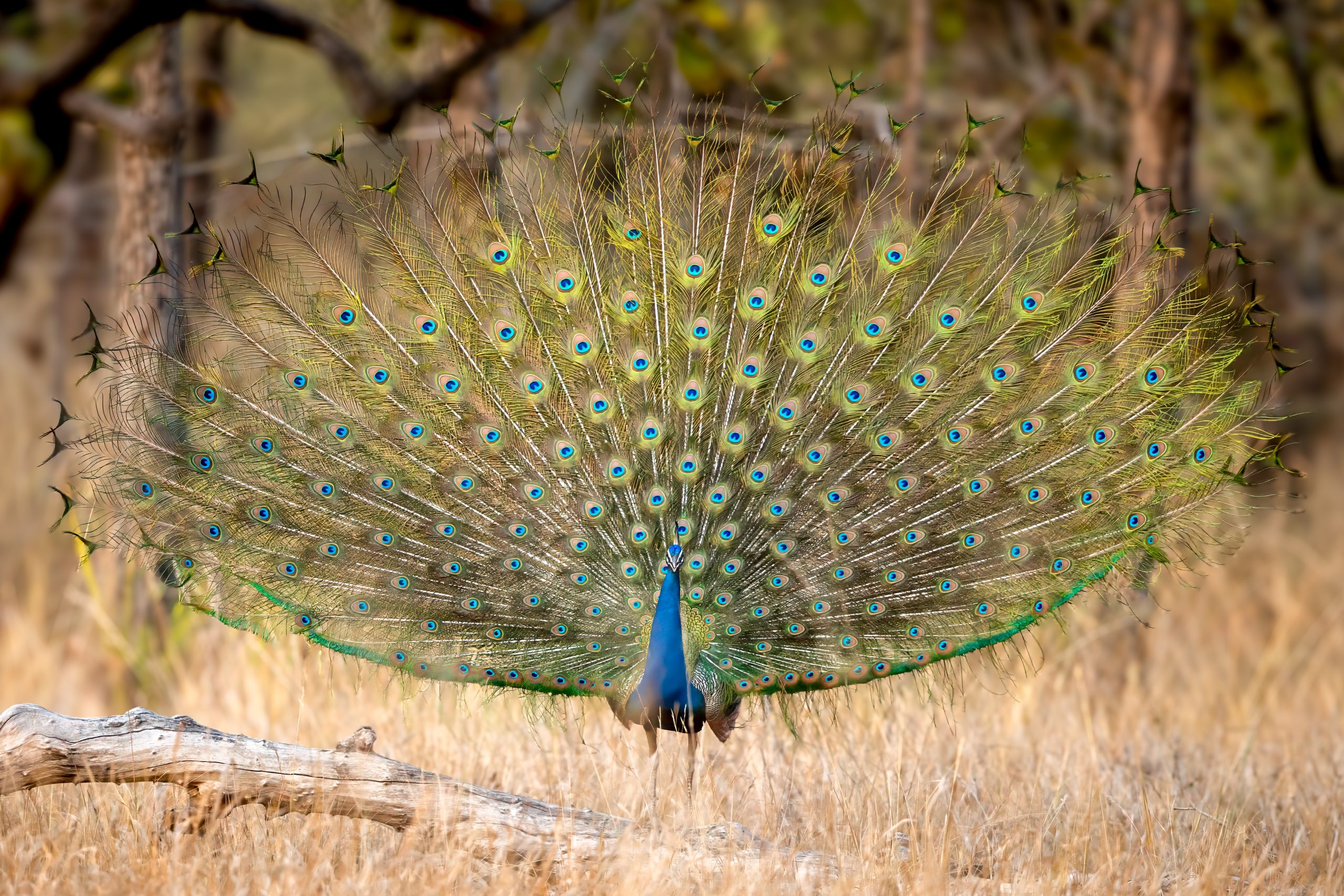
Accuracy also followed the Weber–Fechner law: discrimination depended strongly on the ratio between the two numbers, so quantities that were proportionally more different were easier to distinguish. The authors caution that the birds were extensively trained before testing, so the results could reflect learned discrimination strategies rather than spontaneous numerical competence. They conclude that peafowl can discriminate numerical quantities. The authors suggest that this ability could help birds choose larger food patches, assess group size in situations involving predators, keep track of potential mates or evaluate the many eyespot feathers in a displaying male’s train. The study itself did not test how peafowl use numerical information in the wild.
Behaviour
Related news
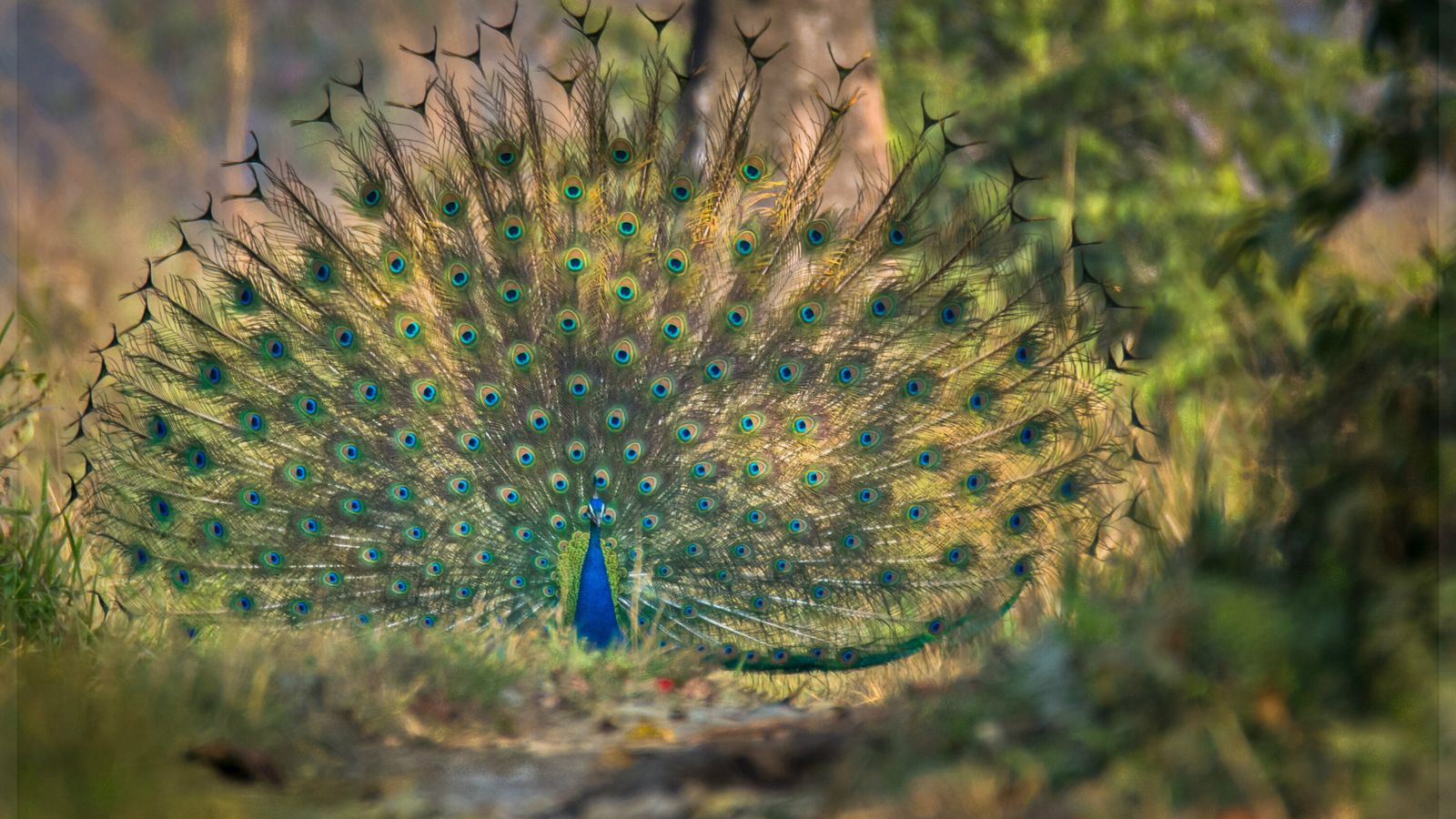
Similar Peafowl Eyespot Colors Came From Different Feather Nanostructures
Indian and green peafowl produced similar iridescent eyespot colors through different nanoscale feather architectures, while neck, back and…
Read story →
Monocrotophos Poisoning Killed 121 Indian Peafowl Across Eight Tamil Nadu Incidents
Eight mass-mortality incidents in Tamil Nadu between 2019 and 2021 killed 121 Indian peafowl. Toxicological testing of 41…
Read story →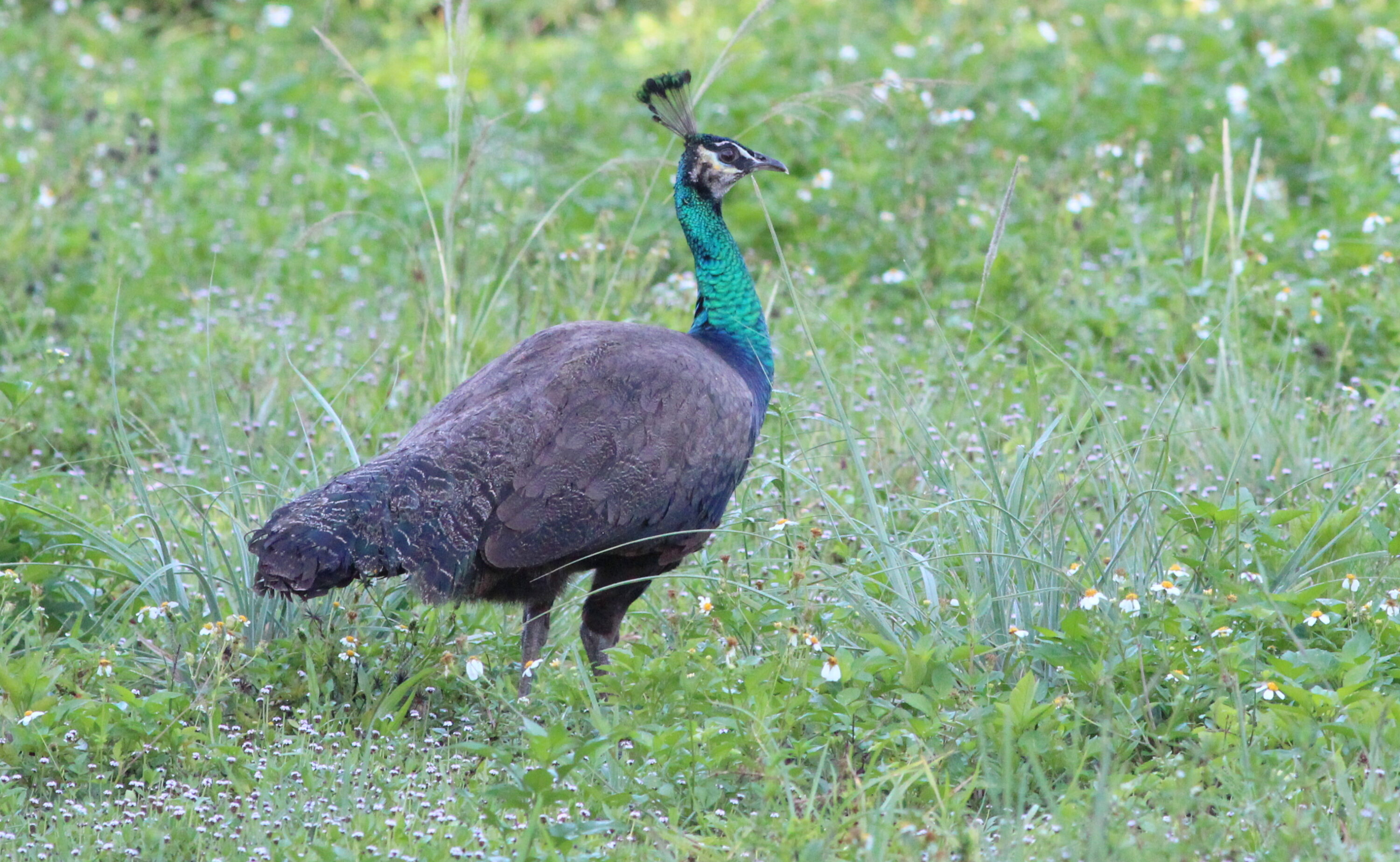
Indian Peafowl and Sri Lankan Junglefowl Allopreening Was Documented in the Wild in South Asia for the First Time
A female Indian peafowl and a male Sri Lankan junglefowl were observed preening each other for about 10…
Read story →SPECIES IN THIS STORY
Species in this story
Independent research and conservation news archive
Did you find this information useful?
Wildlife Vagabond is independently built and maintained. Voluntary support helps cover source verification, hosting and continued work on research and conservation news.
Support Wildlife VagabondThe news archive will remain freely available.