
Indian White-eye Mobbing Calls Revealed 12 Bird Species Missed by Transects
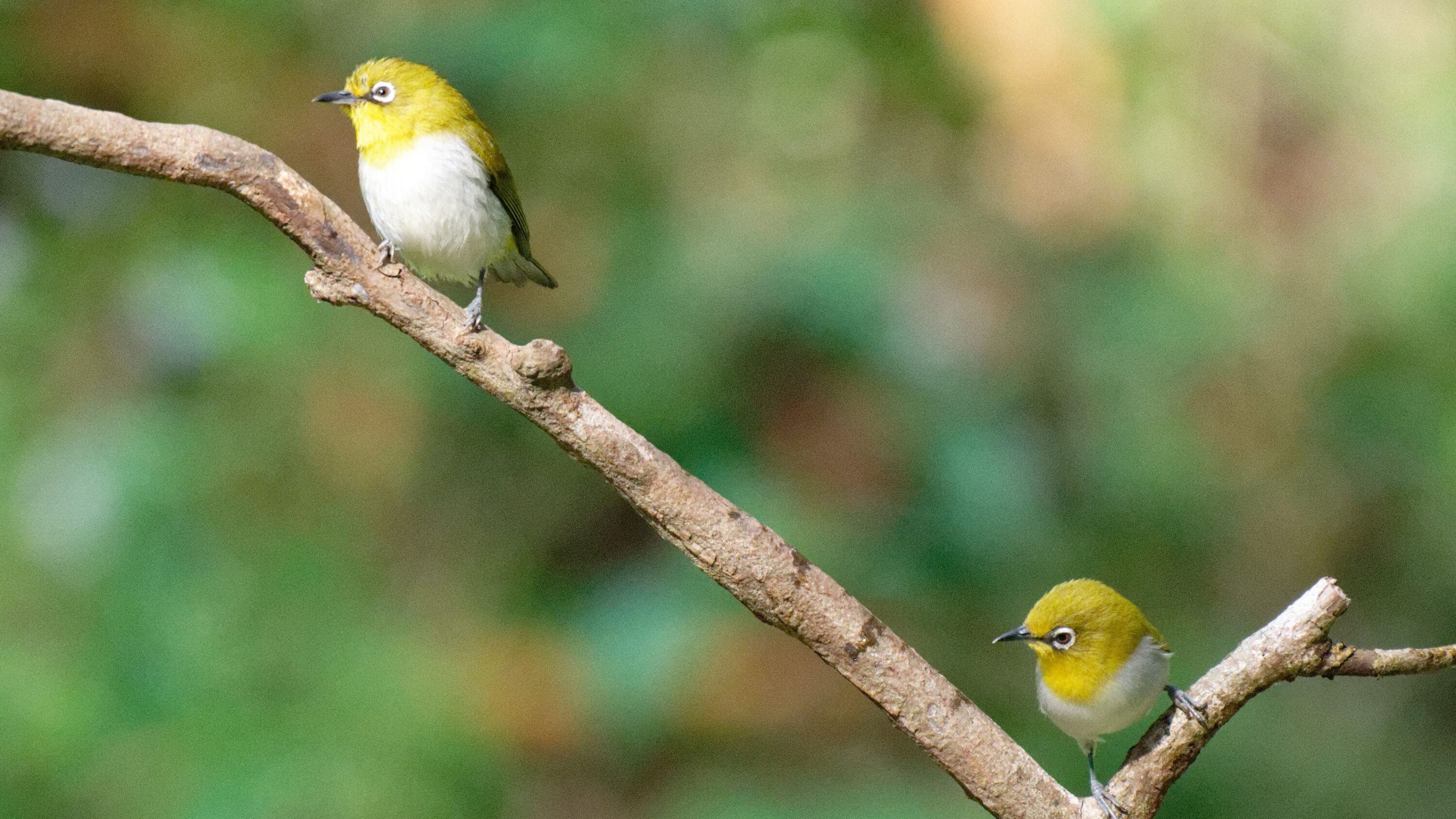
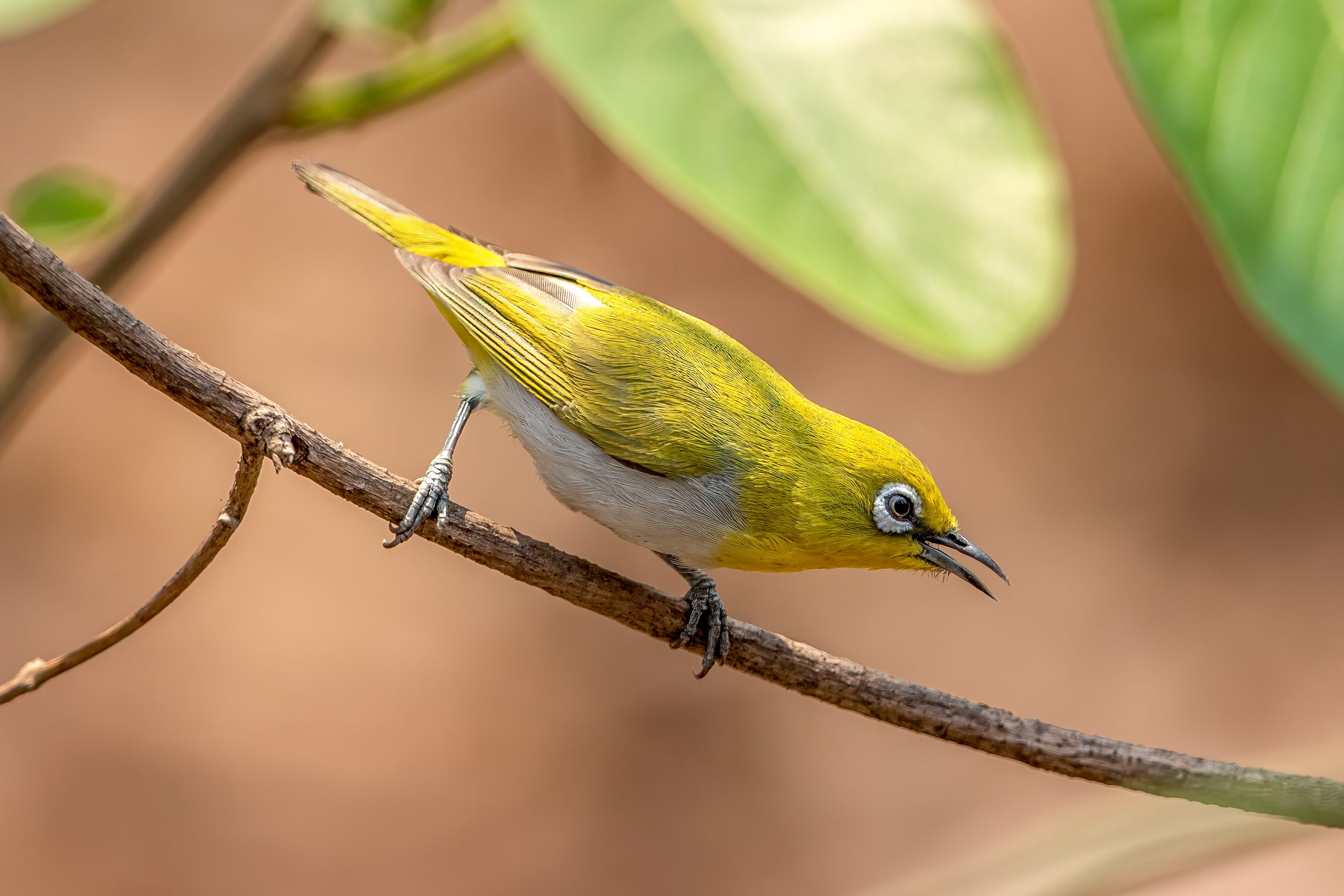
Playback of Indian white-eye (Zosterops palpebrosus) mobbing calls revealed 12 bird species that conventional line transects missed in a forest survey in Yunnan, China. The study, published in 2026, found that the two methods detected different parts of the bird community.
A transect is a predefined line or route used to survey an area systematically, with observations, signs or sampling points recorded along it.
Researchers carried out 23 repeat surveys at Haikou Forest Farm near Kunming from November 2023 to November 2024. The routes crossed evergreen broad-leaved forest, coniferous forest and shrub habitats on the central Yunnan Plateau. Line transects recorded all birds seen or heard along the route, while the playback method counted birds that approached and responded to recordings made when Indian white-eyes mobbed small owls.
The two survey methods detected different species
Line transects recorded 84 species compared with 51 using mobbing-call playback, with 39 species detected by both methods. This meant that 12 species were found only by playback even though transects detected more species overall. Across the replicate surveys, combining the two approaches increased species detection rate by as much as 46.9%. Transects were more effective for birds weighing at least 15 g. Playback, however, was more efficient for small-bodied birds, especially those weighing 0–10 g, and for insectivorous and nectar-feeding species.
Method differences changed through the year
Detection differences also changed with season. The two methods differed significantly during the non-breeding season, while no clear difference was found during the breeding season. Body mass was the strongest factor separating responses to the two survey methods, followed by habitat type and feeding niche. Phylogenetic relatedness contributed little to whether species responded to the white-eye calls.
Ecology
Related news

Inland Mute Swans Had Higher Winter Body Condition Despite Harsher Winters and Supplemental Feeding
A study of 853 mute swans from four Polish wintering regions found higher body condition inland than on…
Read story →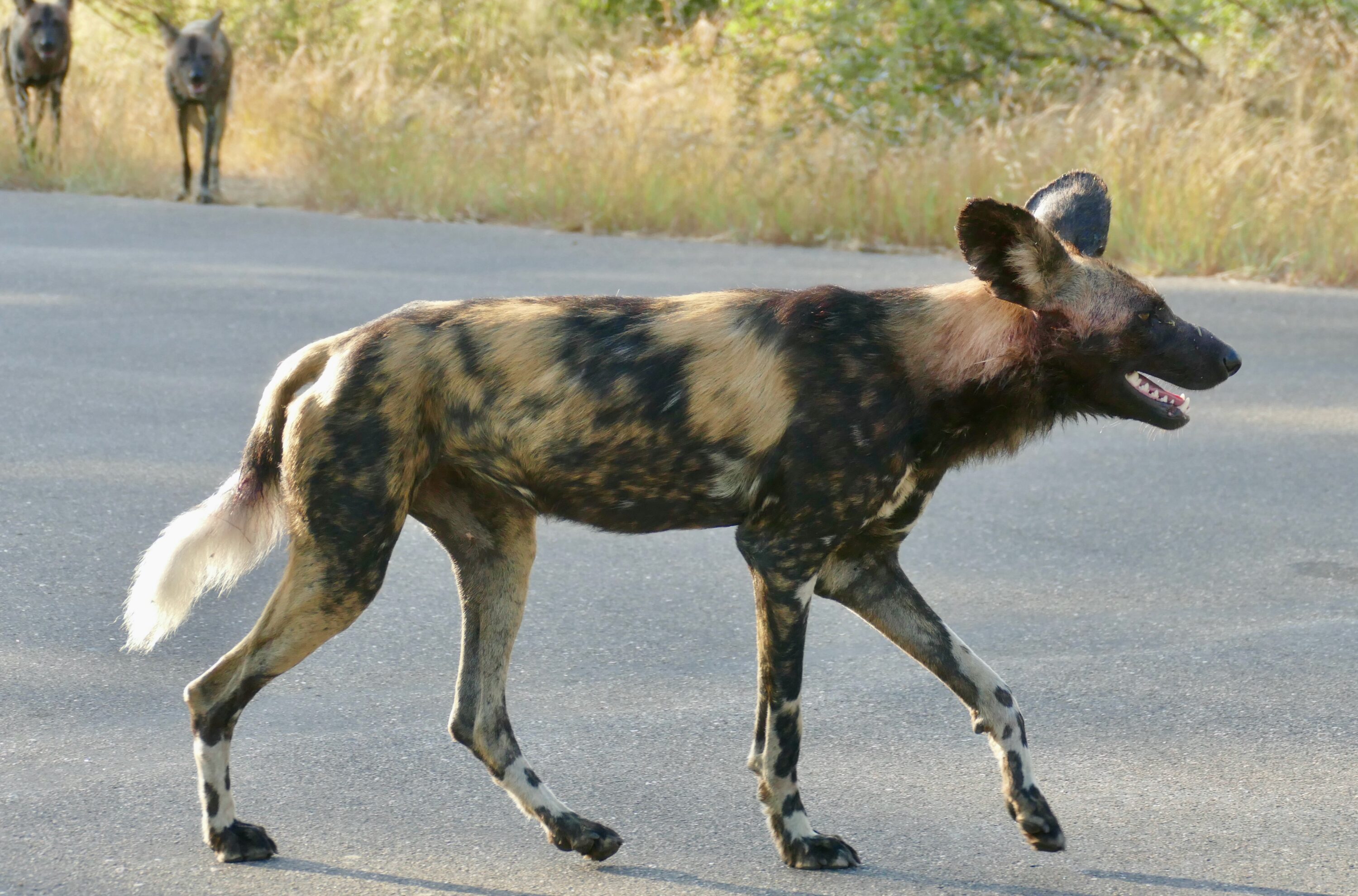
Gut Microbiomes Across Nine Kruger Mammals Clustered More Strongly by Dietary Group Than Species
A study of 89 quality-filtered faecal samples from nine wild mammals in Kruger National Park found that carnivores,…
Read story →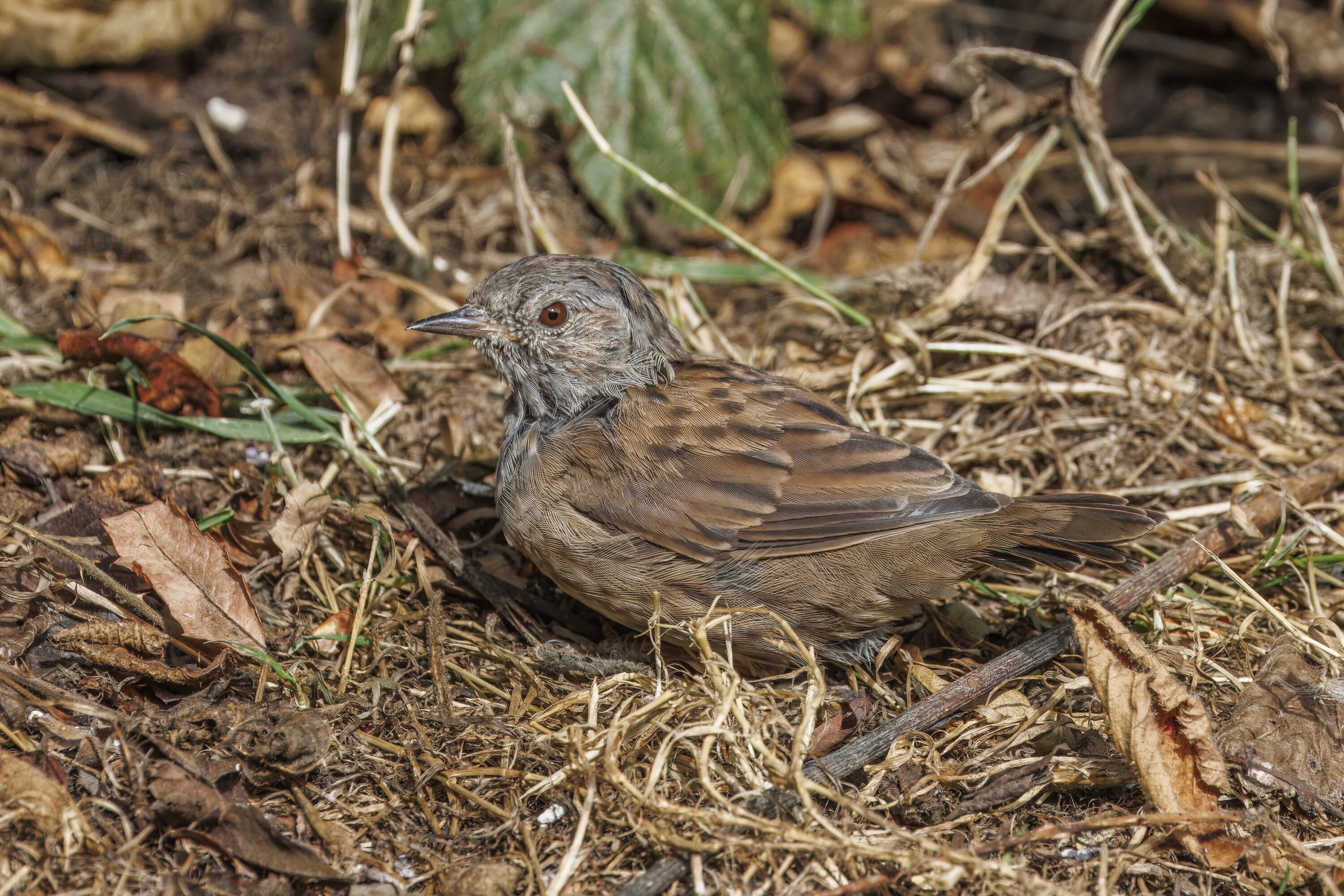
Dunnock Spring Passage Advanced by Up to 8.3 Days Over 61 Years at Hel
Standardised ringing data from northern Poland showed that the first, median and last phases of dunnock spring passage…
Read story →SPECIES IN THIS STORY
Species in this story
Independent research and conservation news archive
Did you find this information useful?
Wildlife Vagabond is independently built and maintained. Voluntary support helps cover source verification, hosting and continued work on research and conservation news.
Support Wildlife VagabondThe news archive will remain freely available.